Rhinoplasty in Washington, D.C.

Board-certified surgeons Dr. Paul G. Ruff and Dr. Lexie Wang perform Rhinoplasty, also called a nose job, in Washington, D.C. to cosmetically reshape your nose and enhance the overall appearance of your face.
This procedure is also used for reconstructive reasons to correct injuries, birth defects, and breathing problems. It is one of the most common types of plastic surgery performed today. The meticulous and unique techniques we use at West End Plastic Surgery ensure a beautiful, natural-looking result that can permanently improve the look of your entire face.
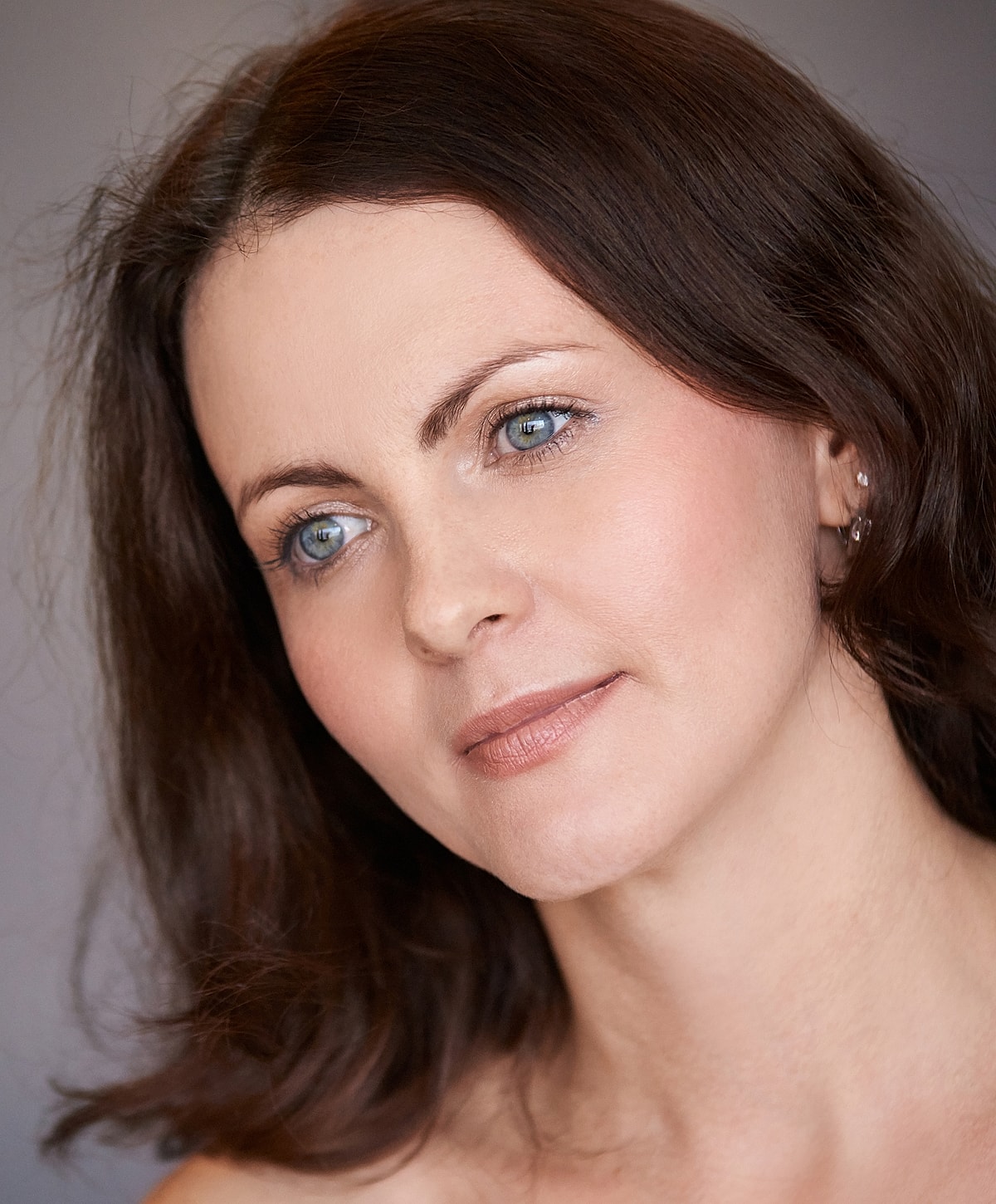

Women and men choose rhinoplasty for a variety of reasons, which often include one or more of the following:
1 of 47
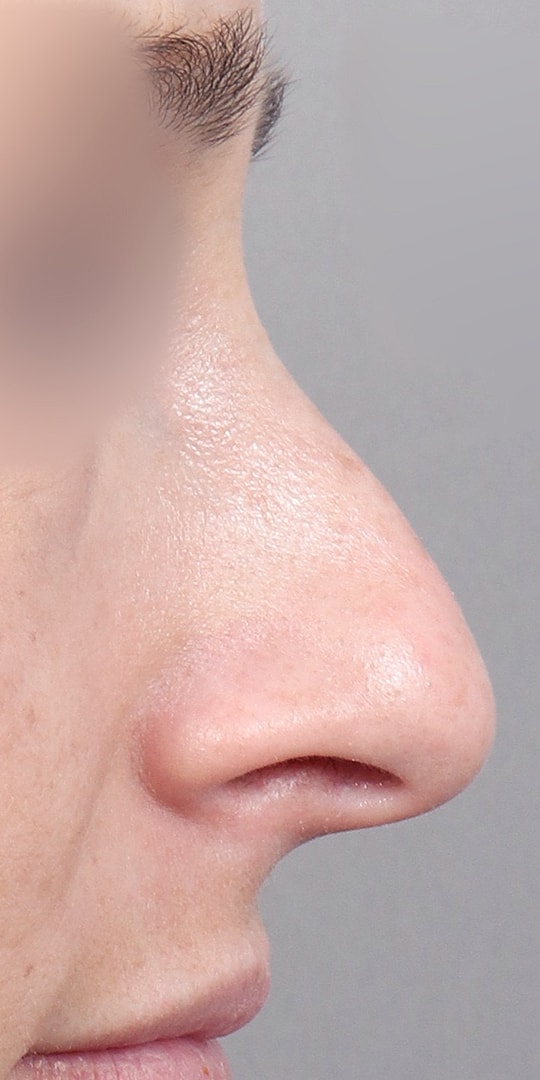
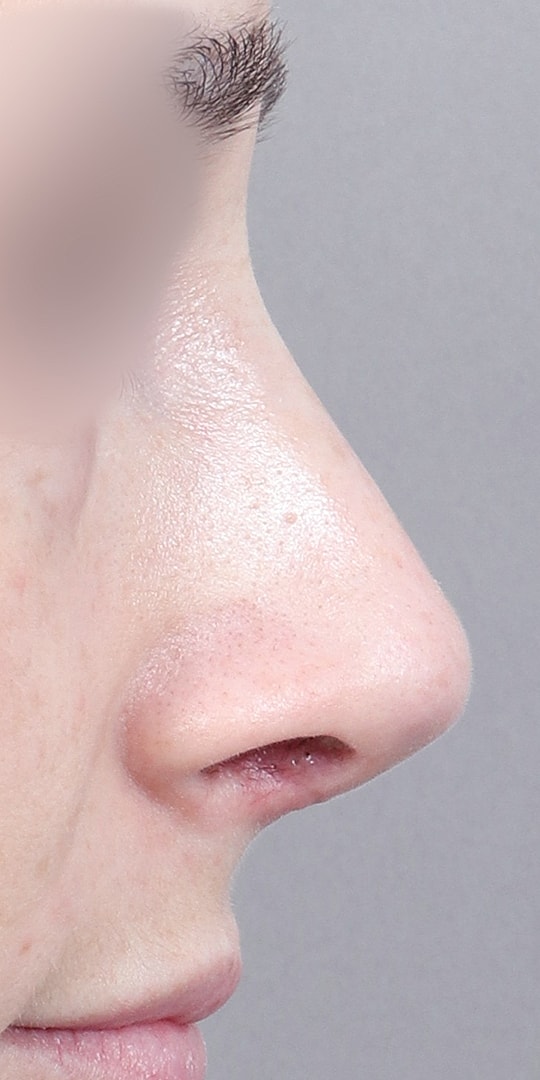
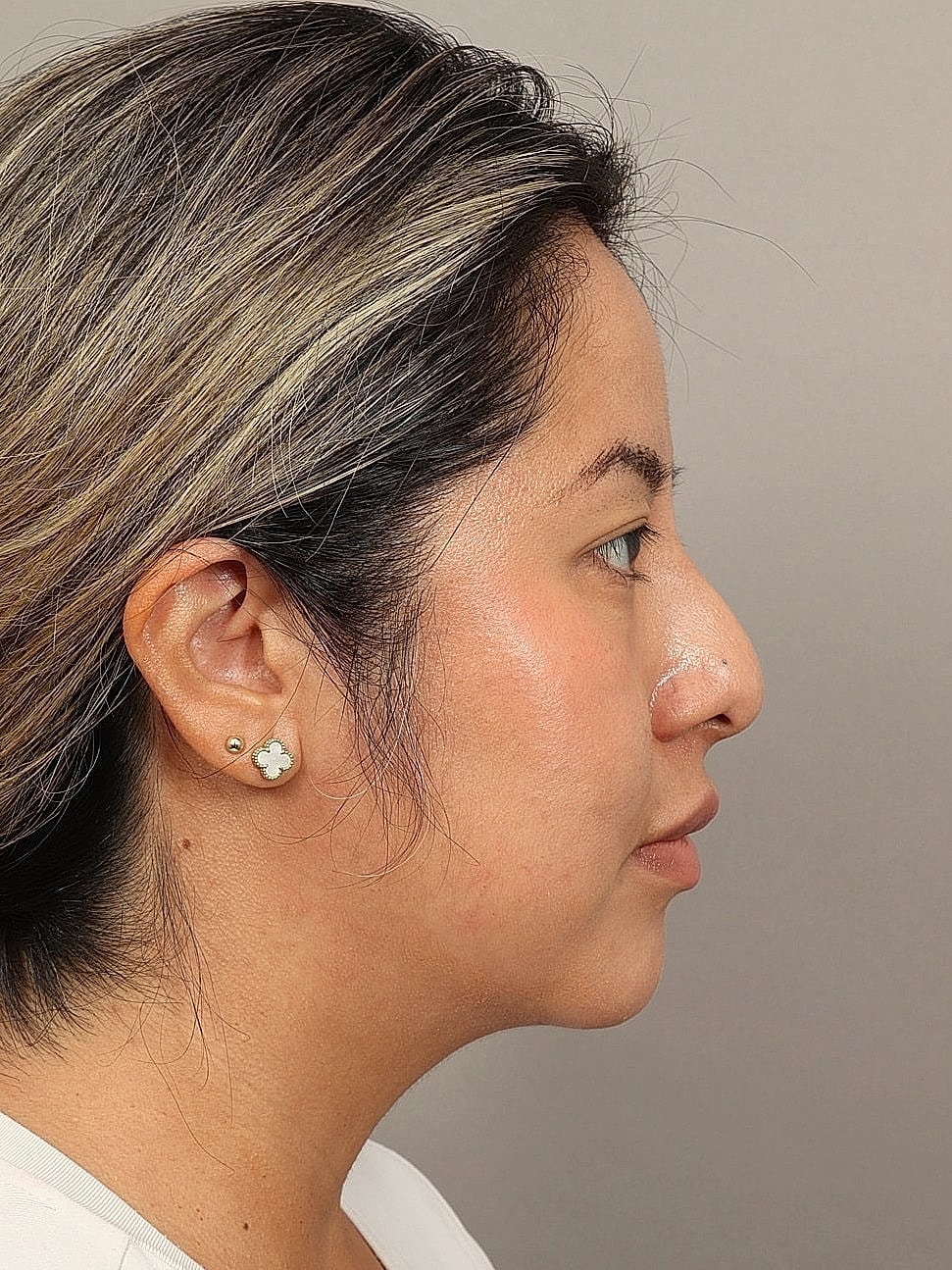
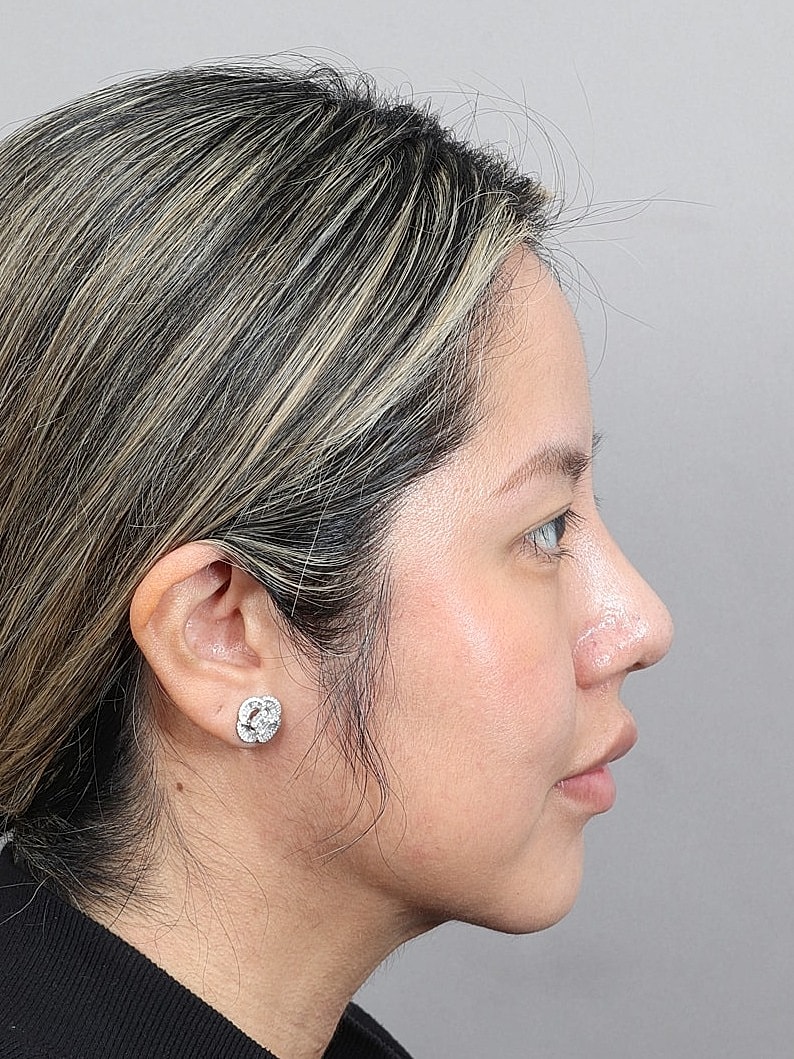
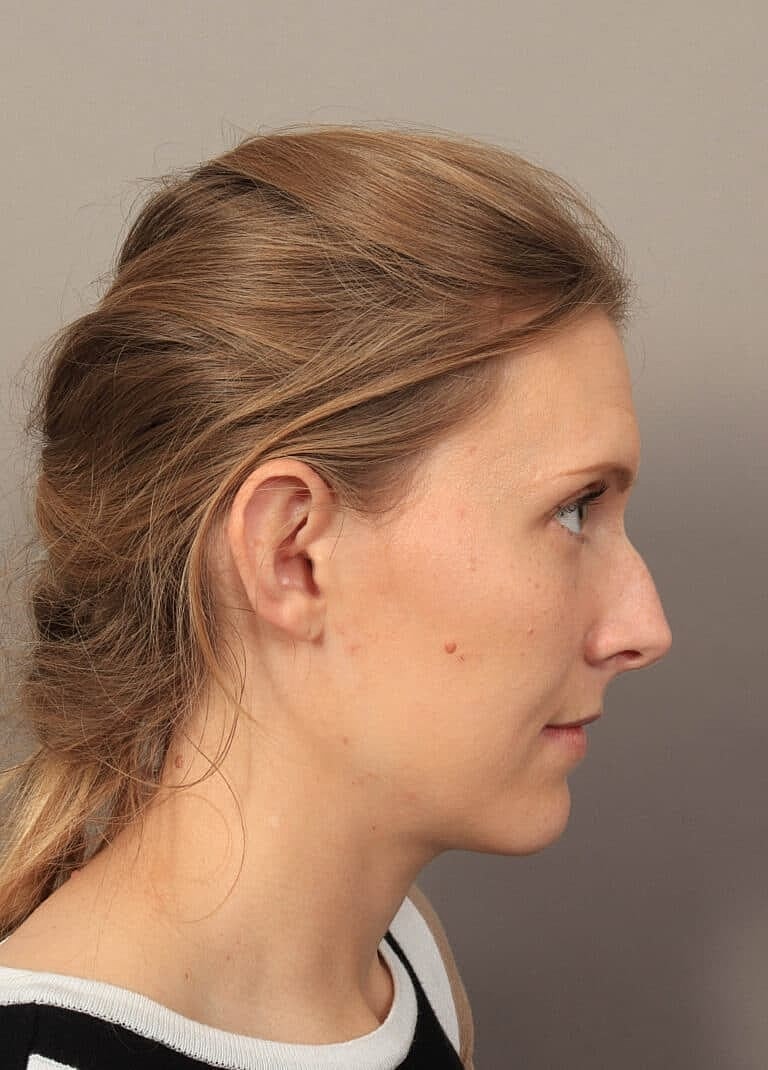
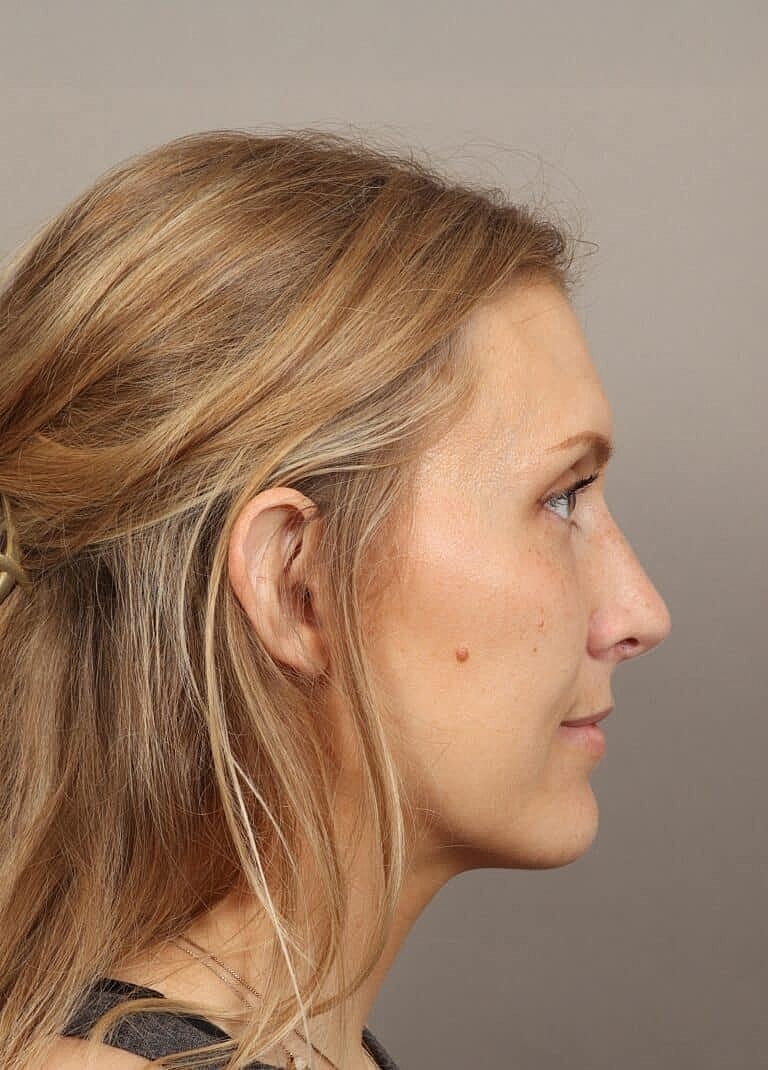
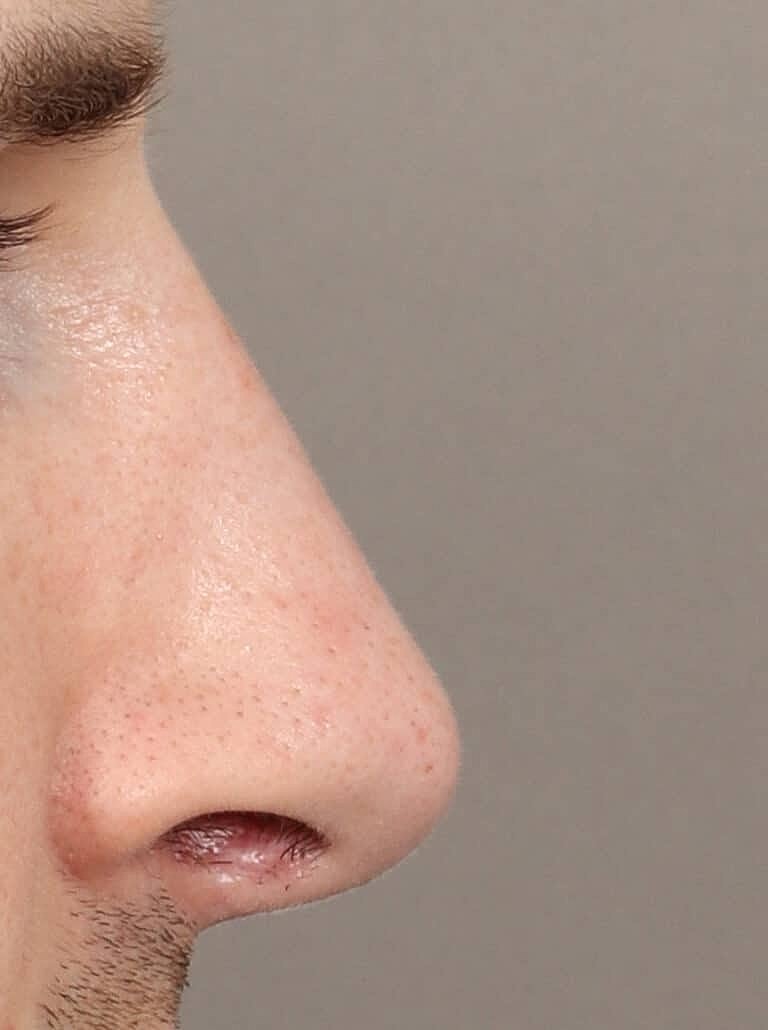
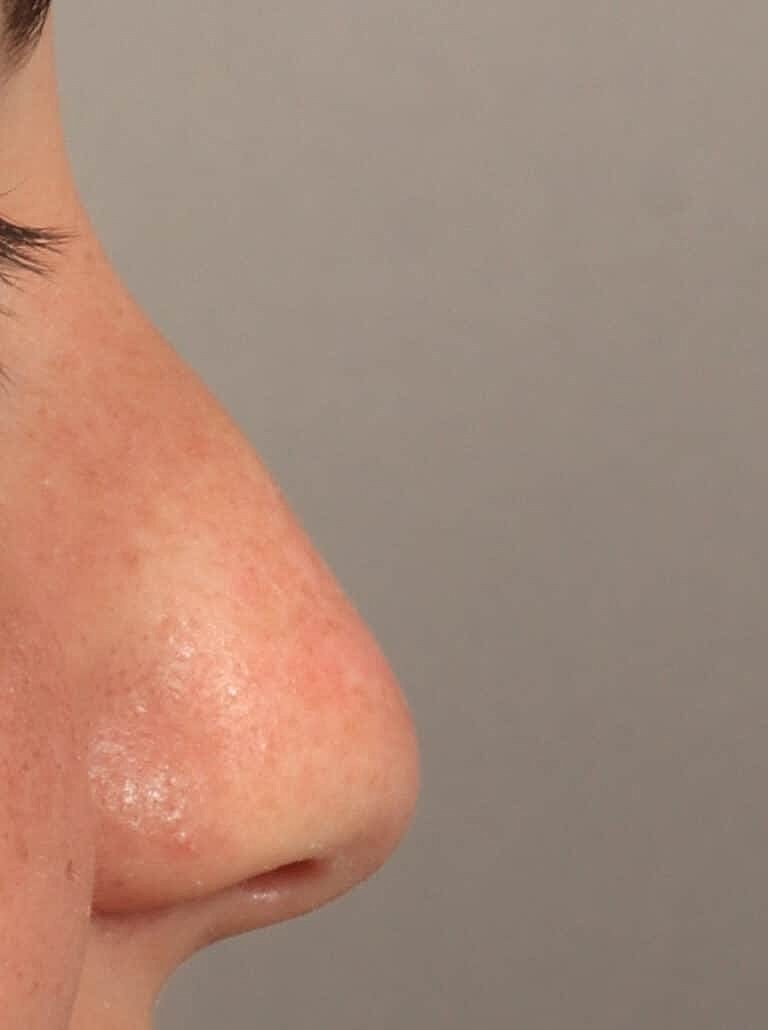
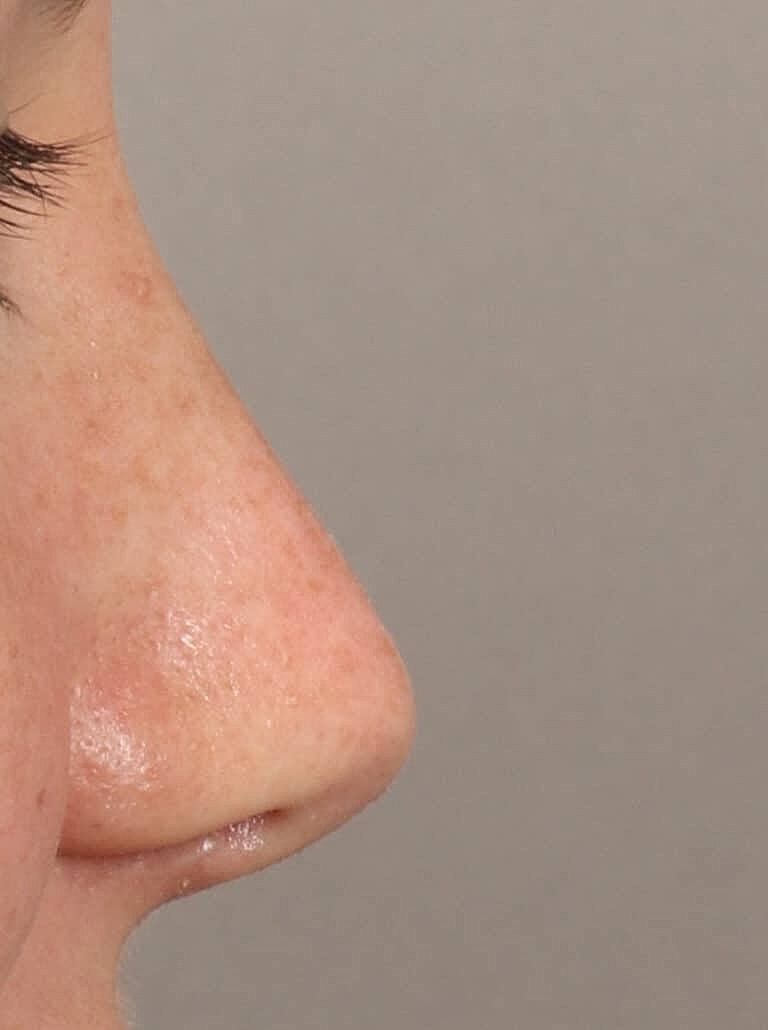
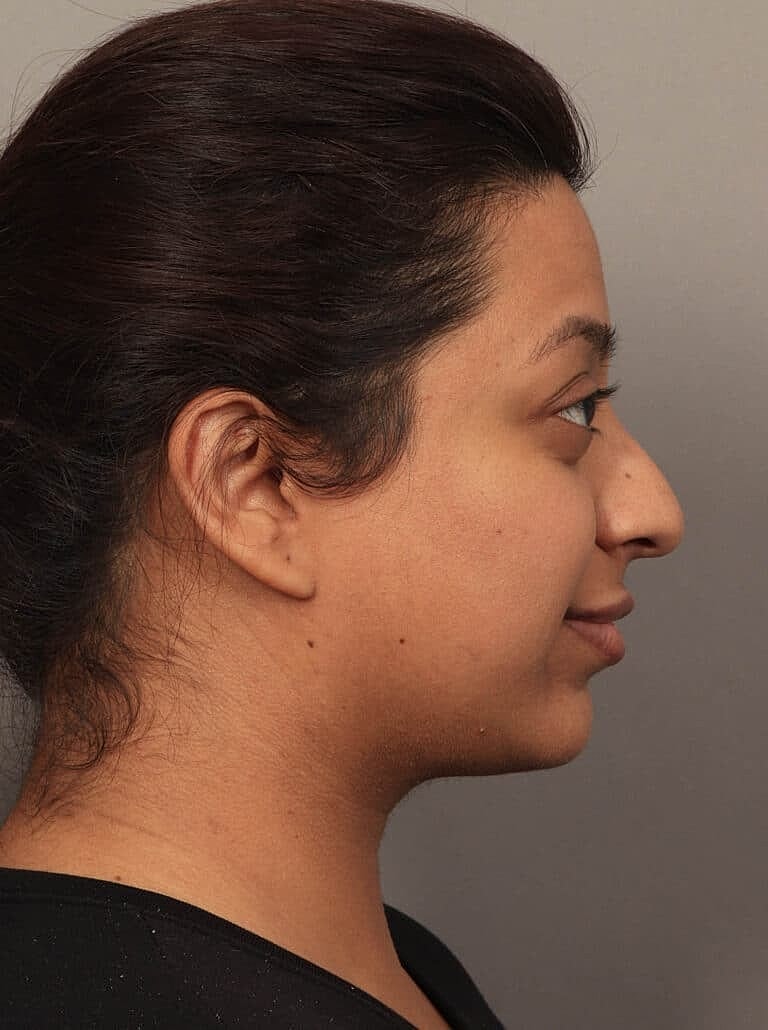
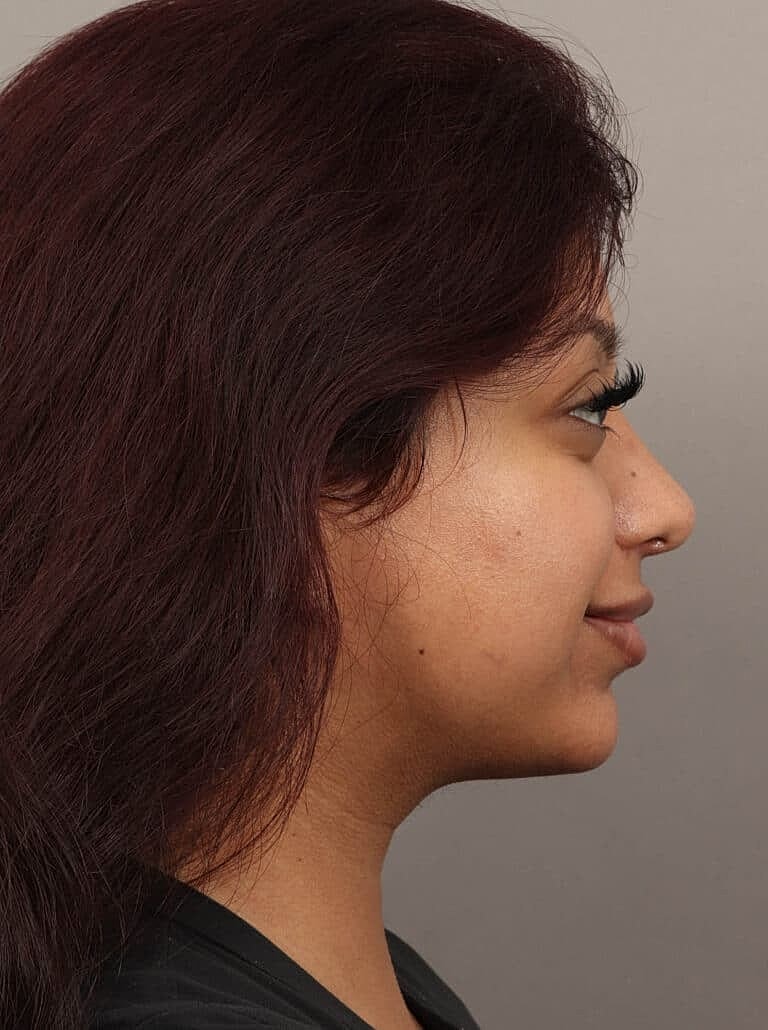
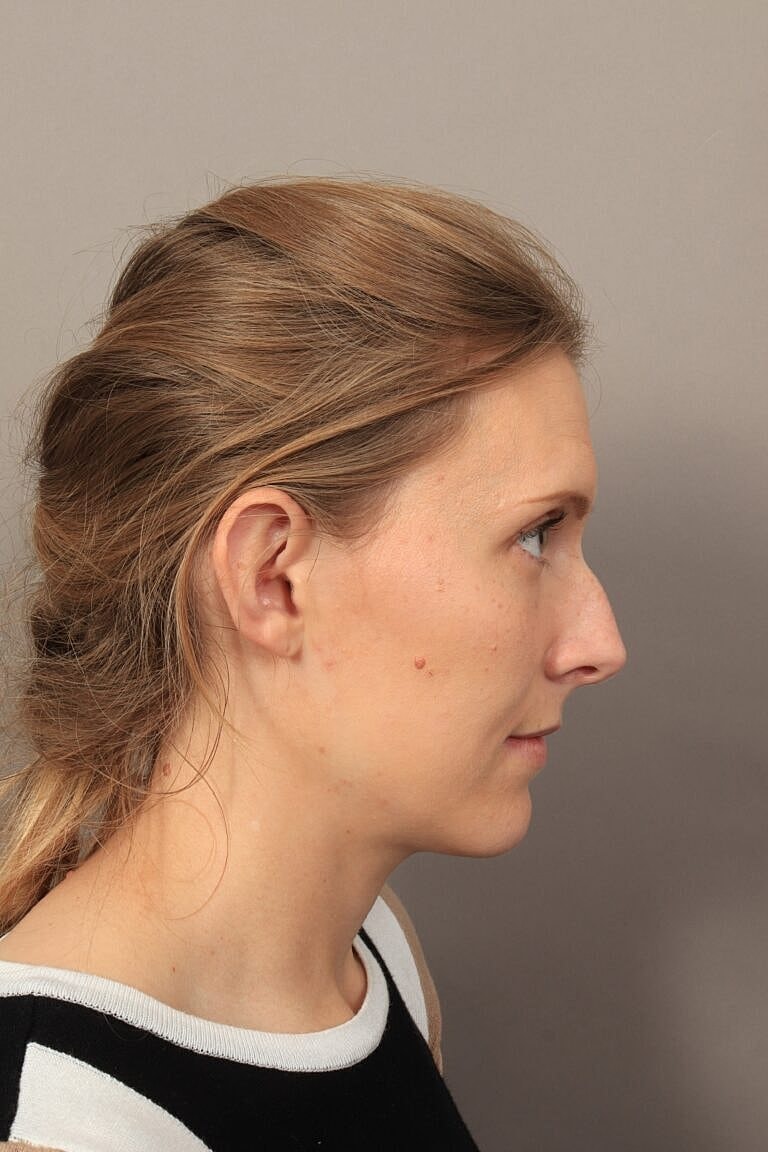
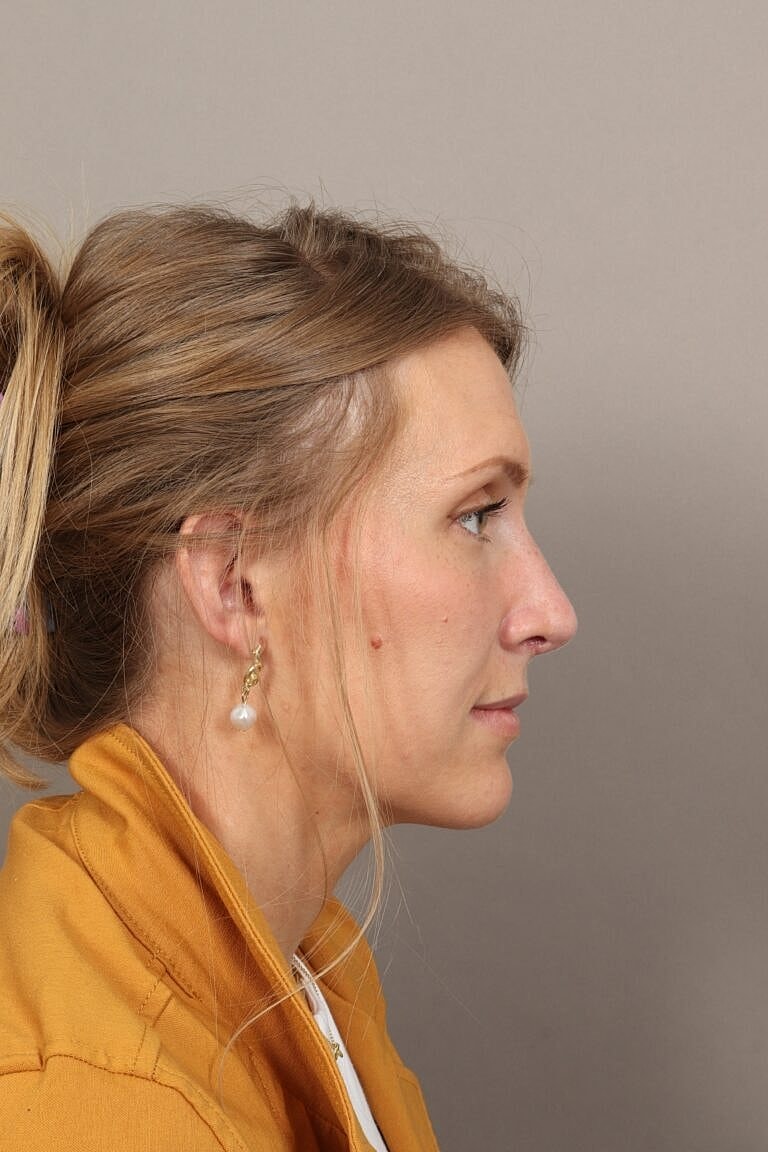
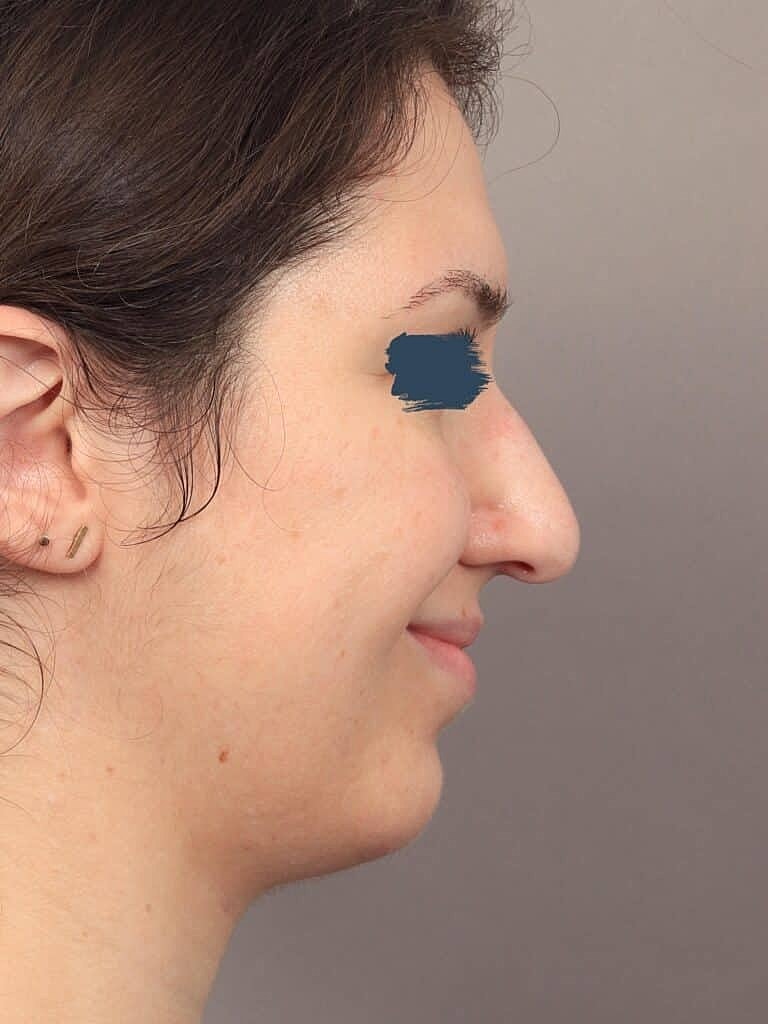
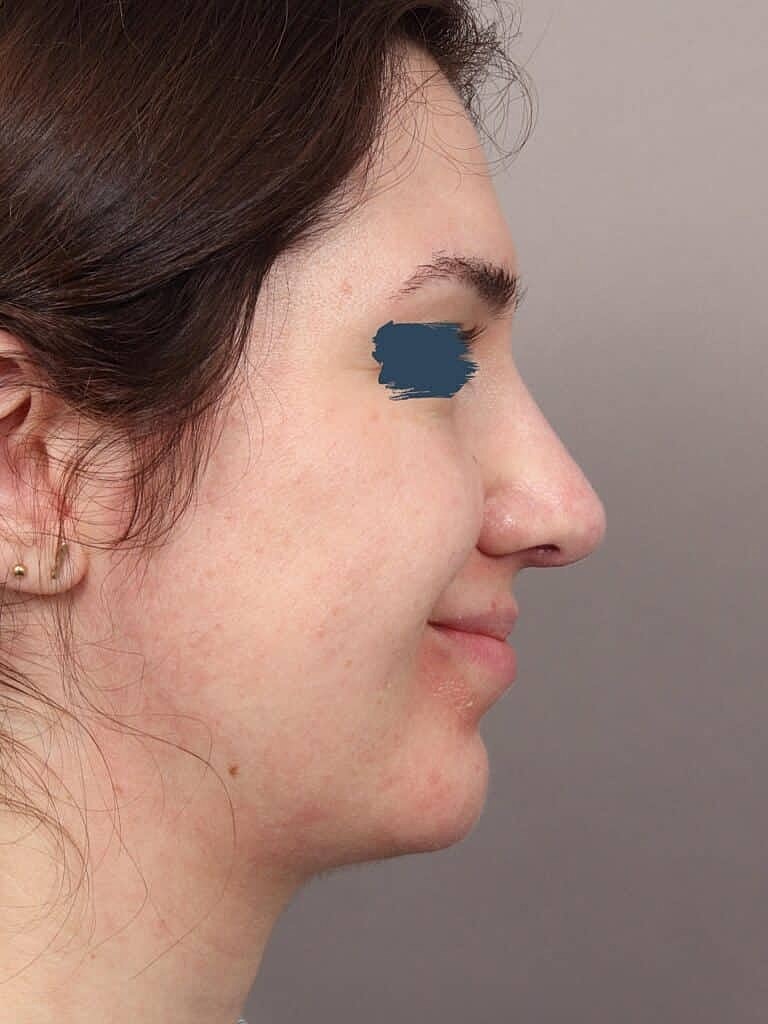
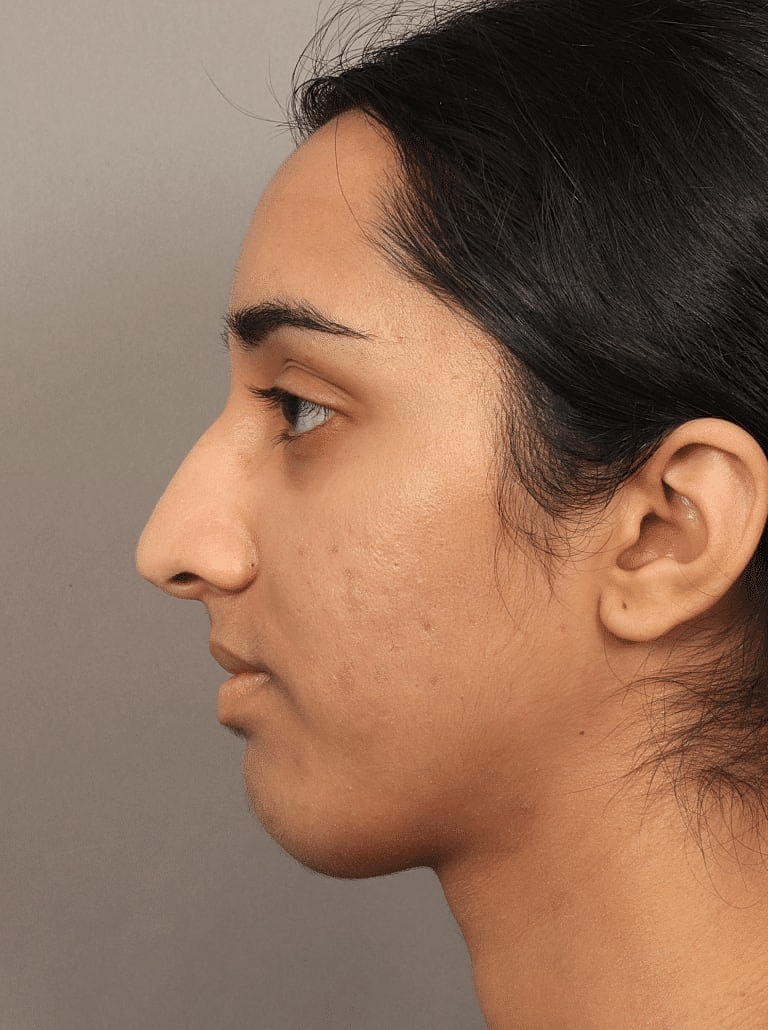
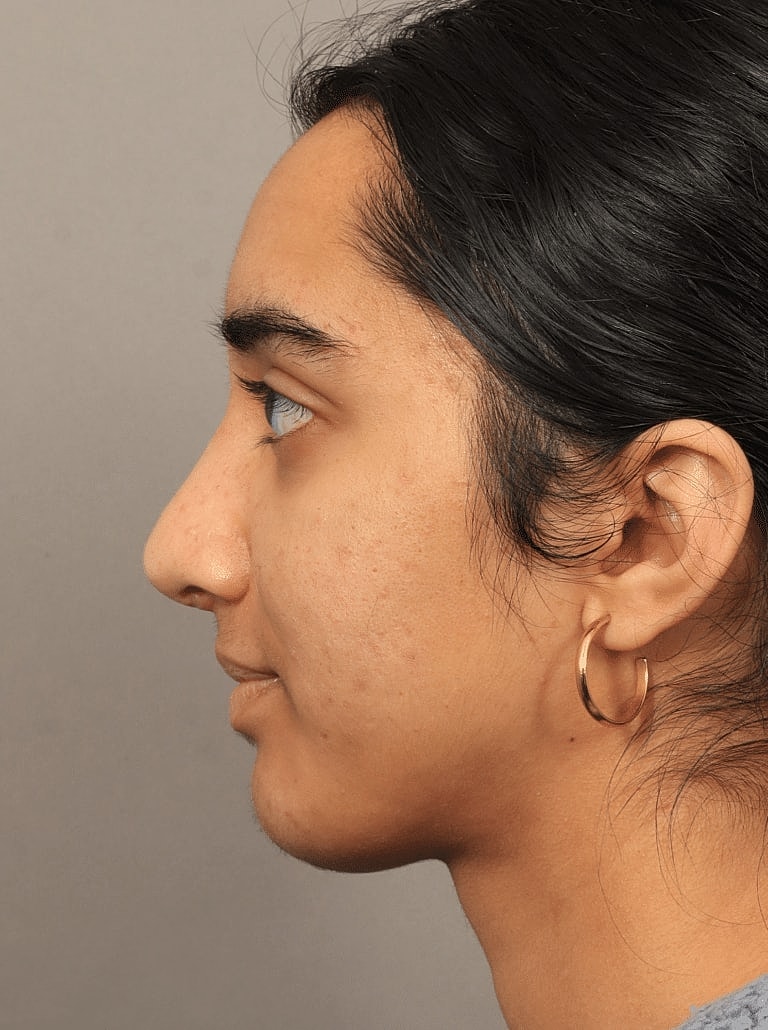
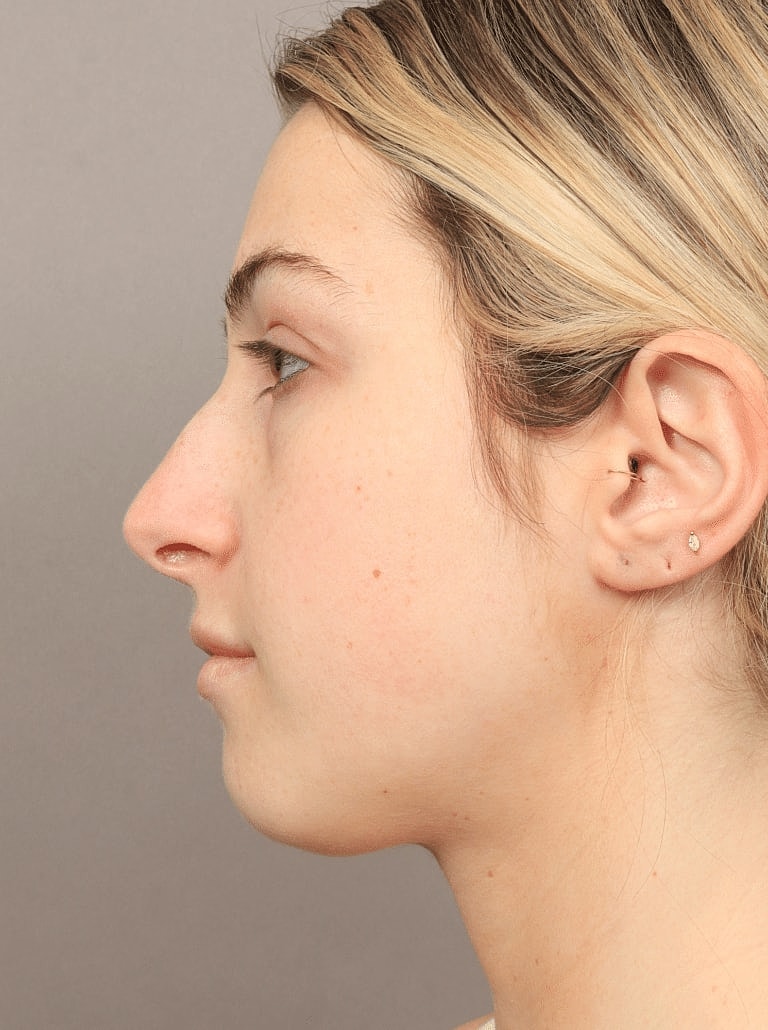
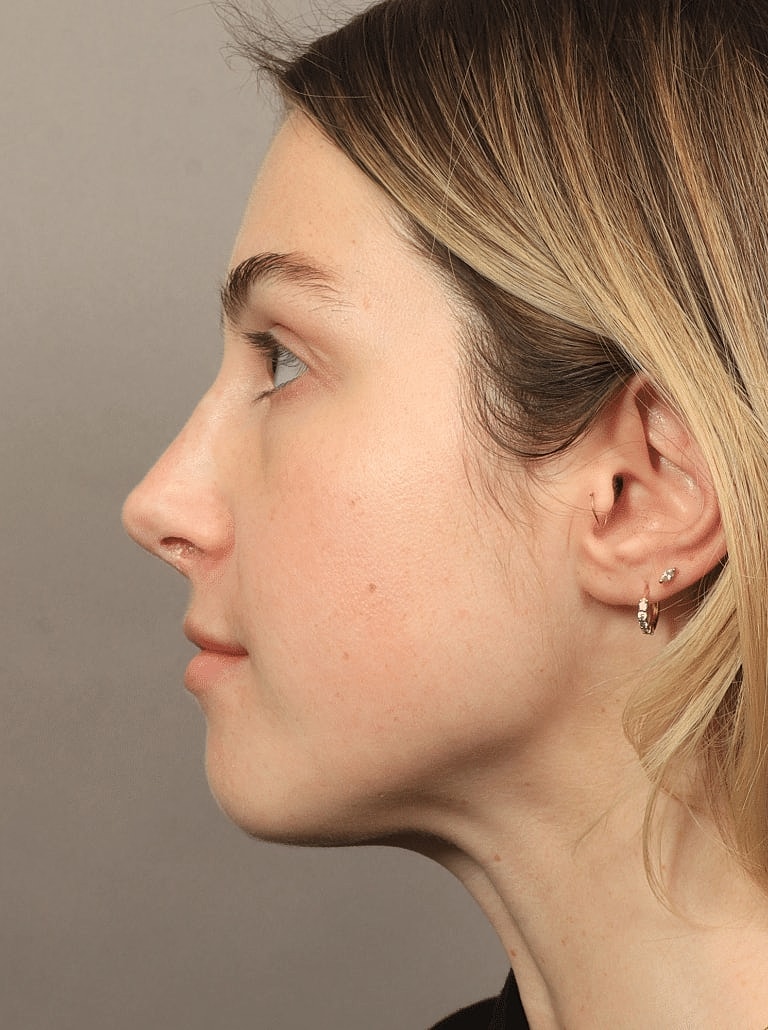
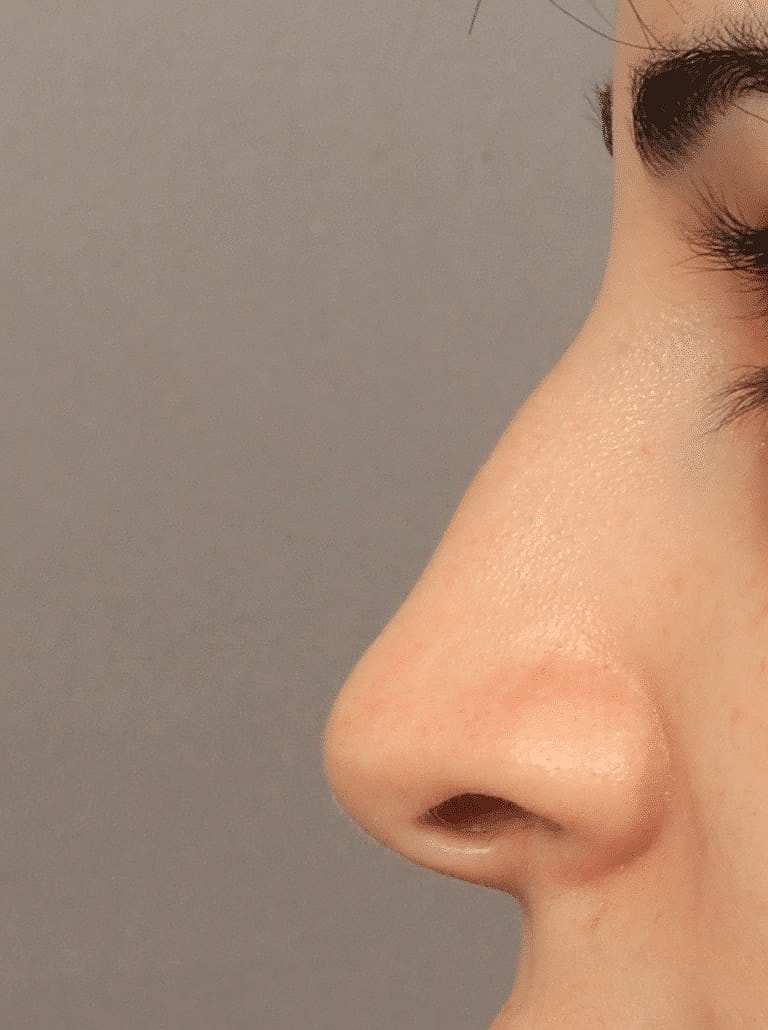
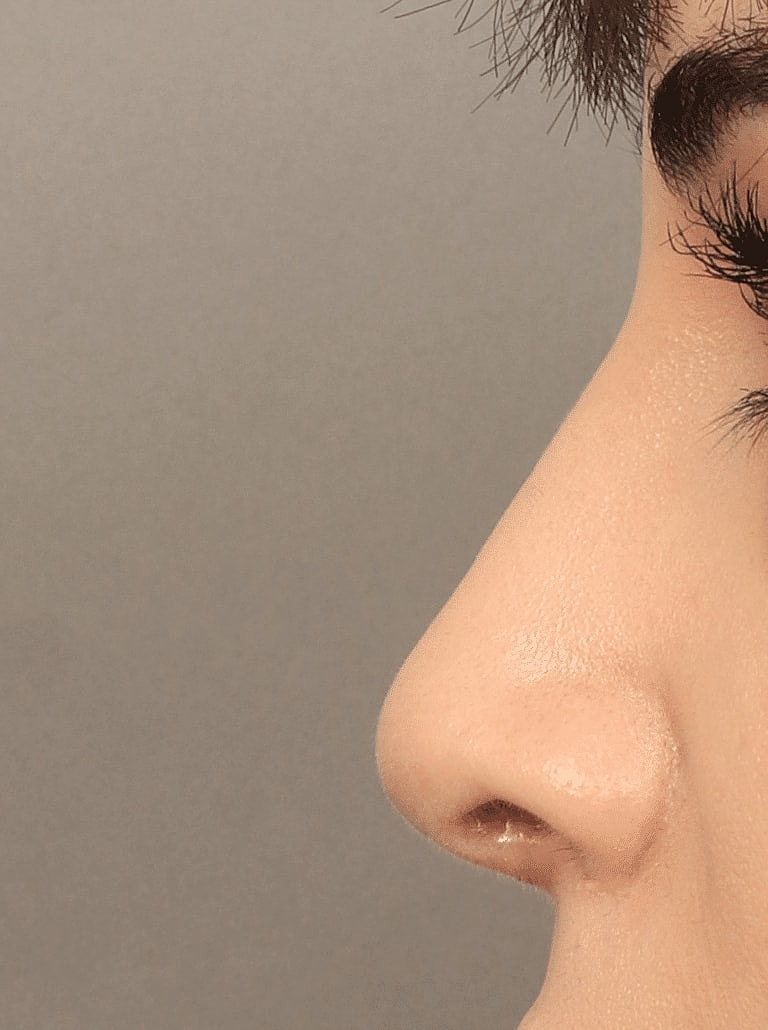
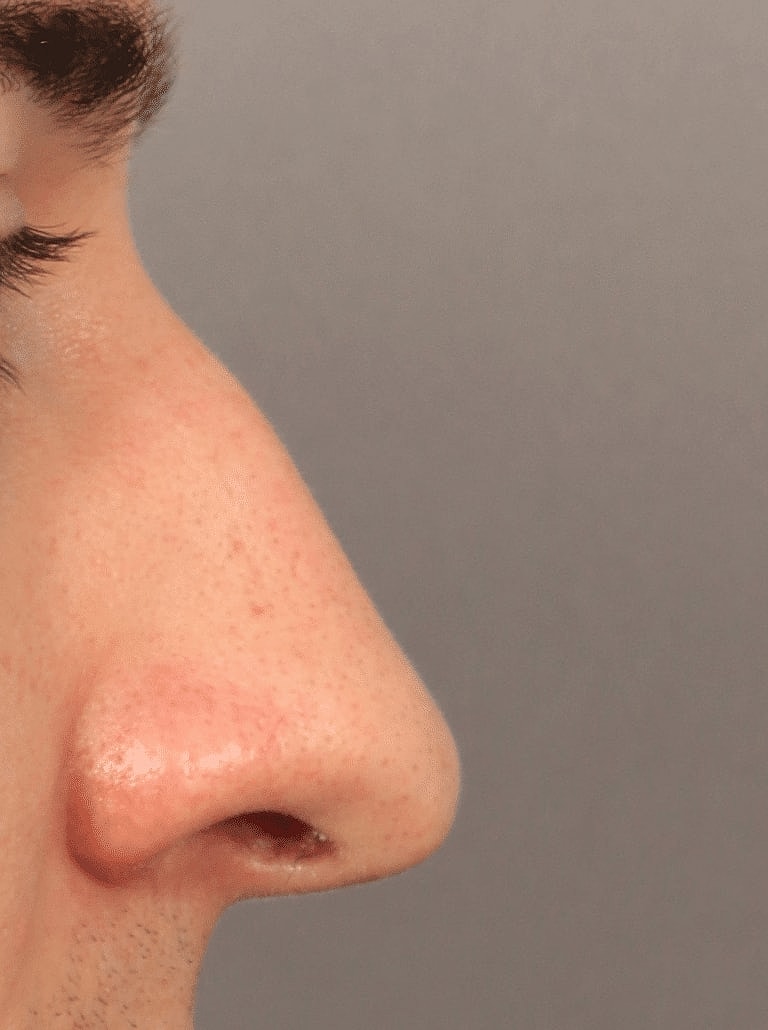
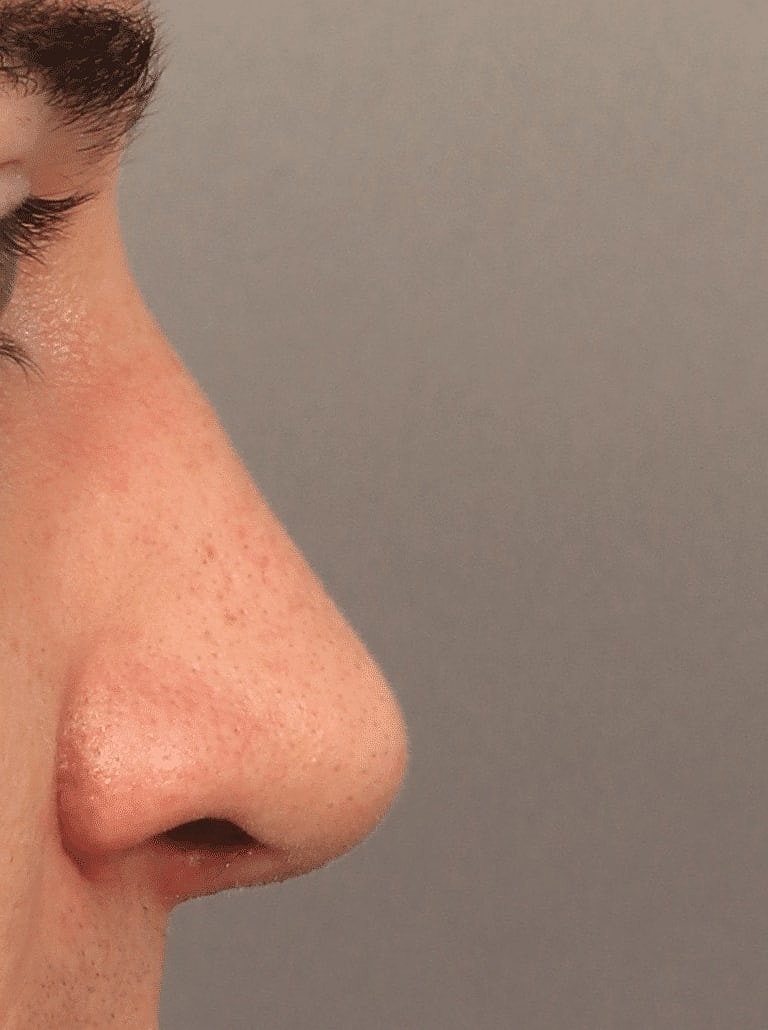
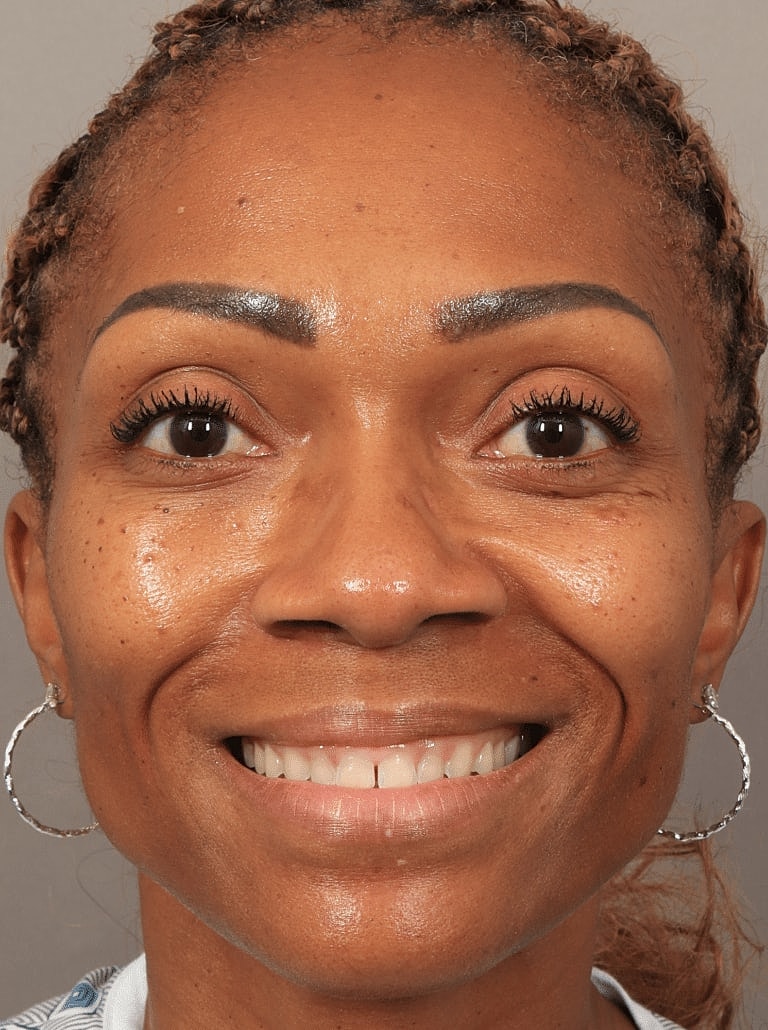
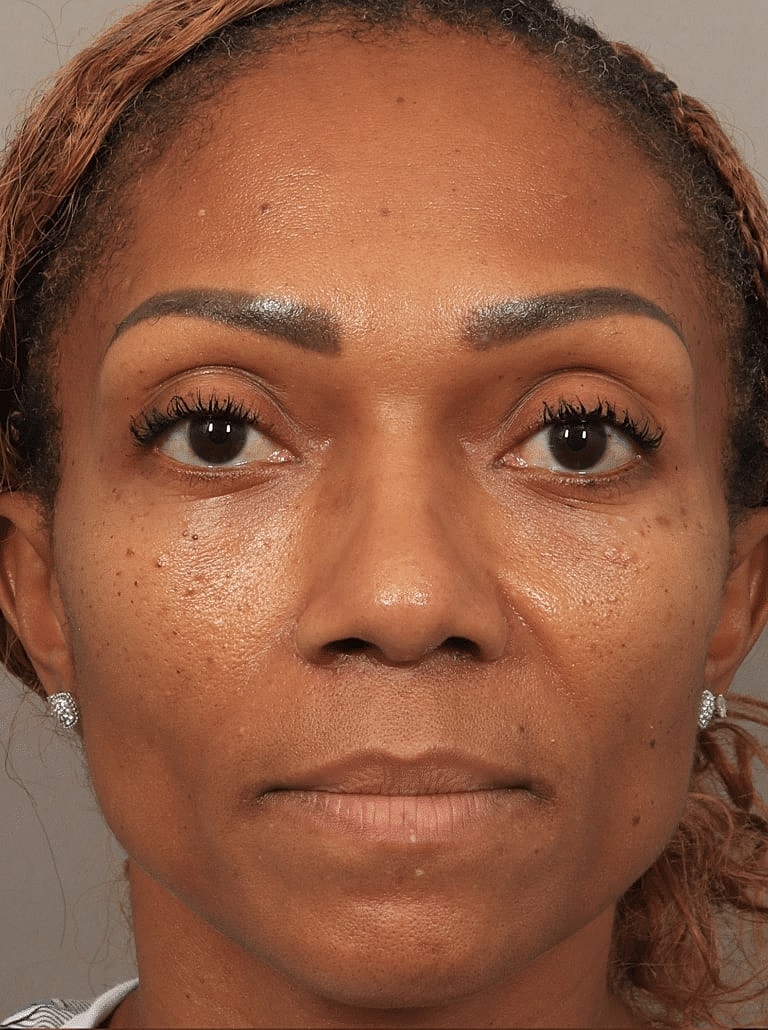
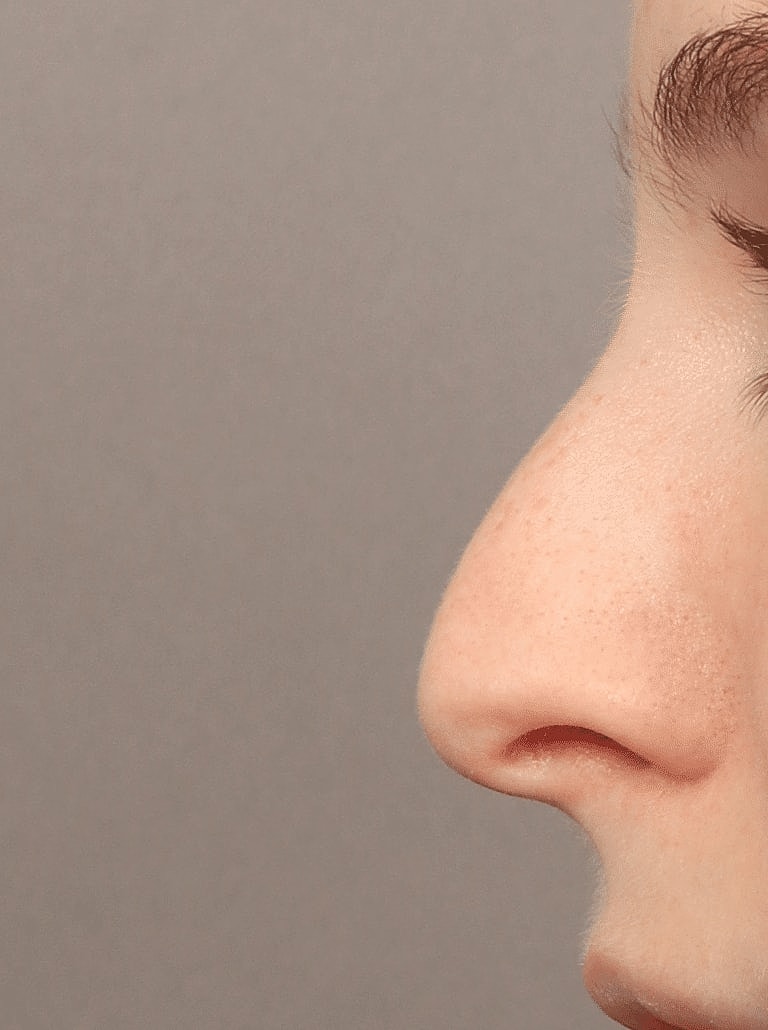
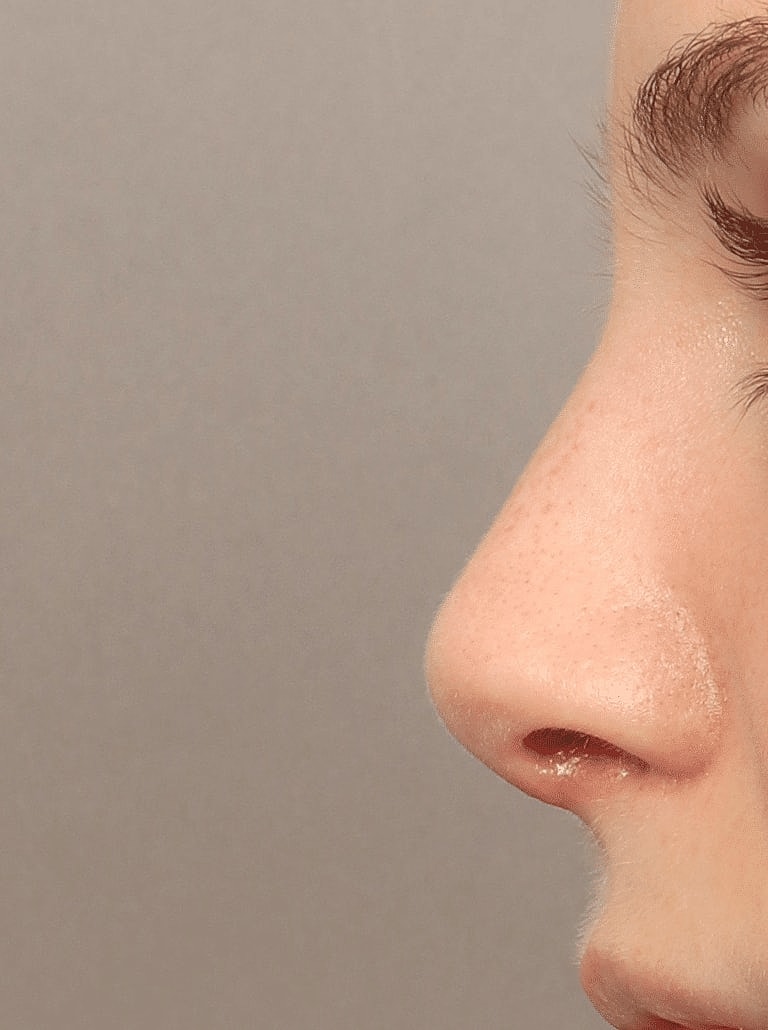
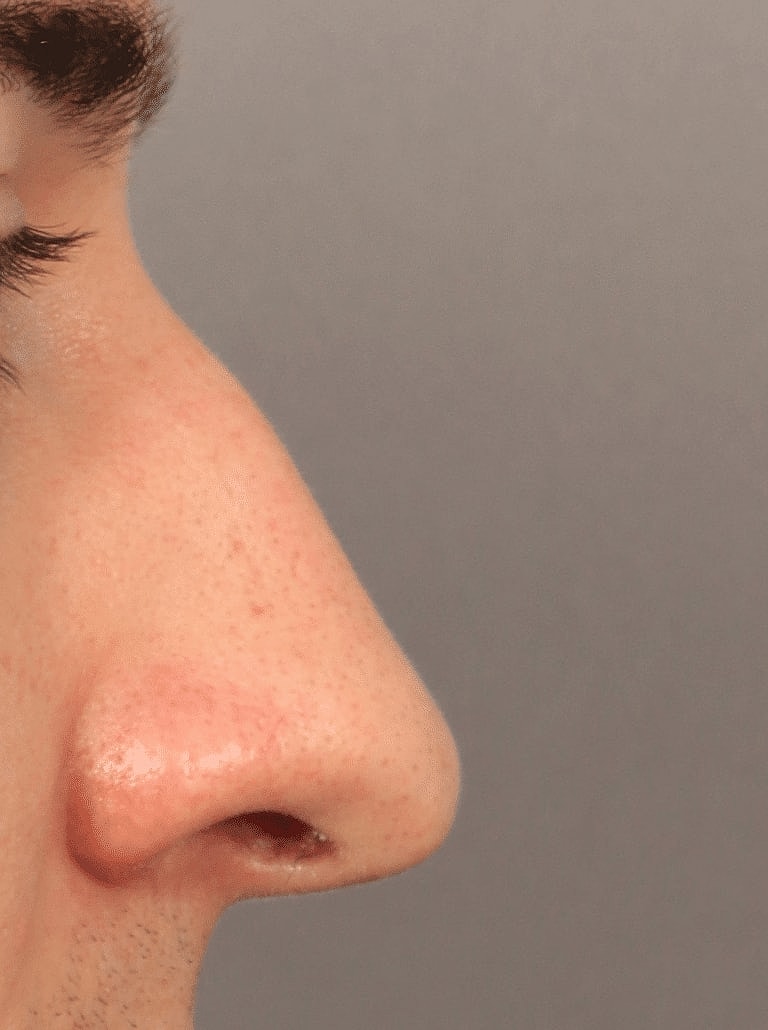
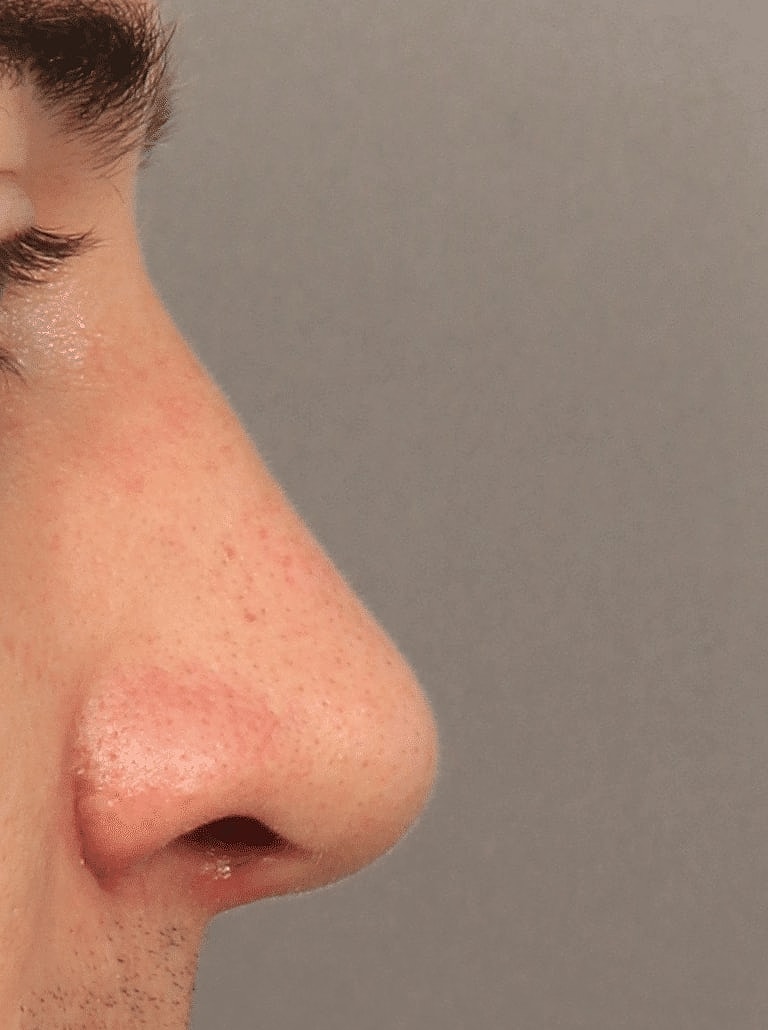
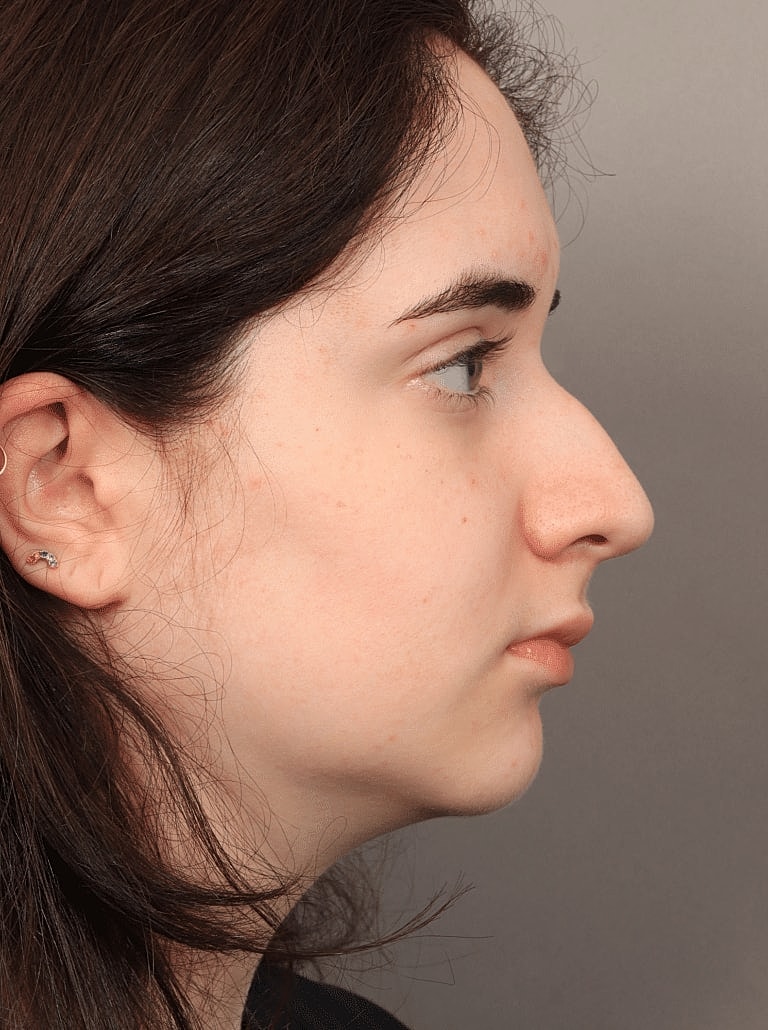
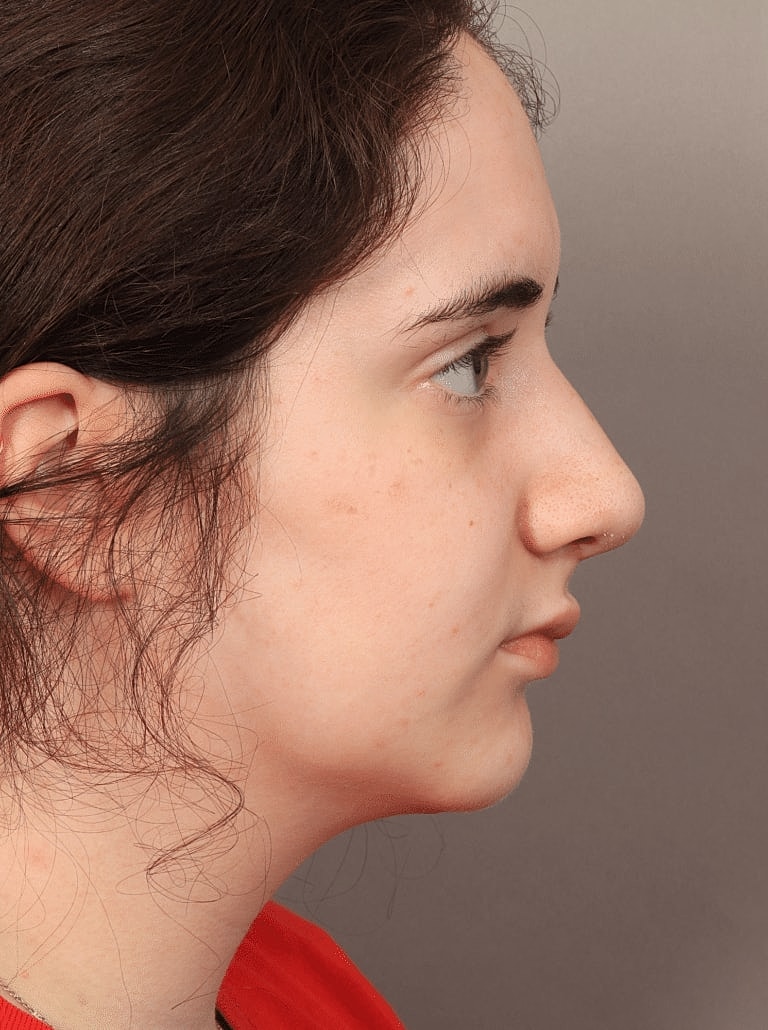
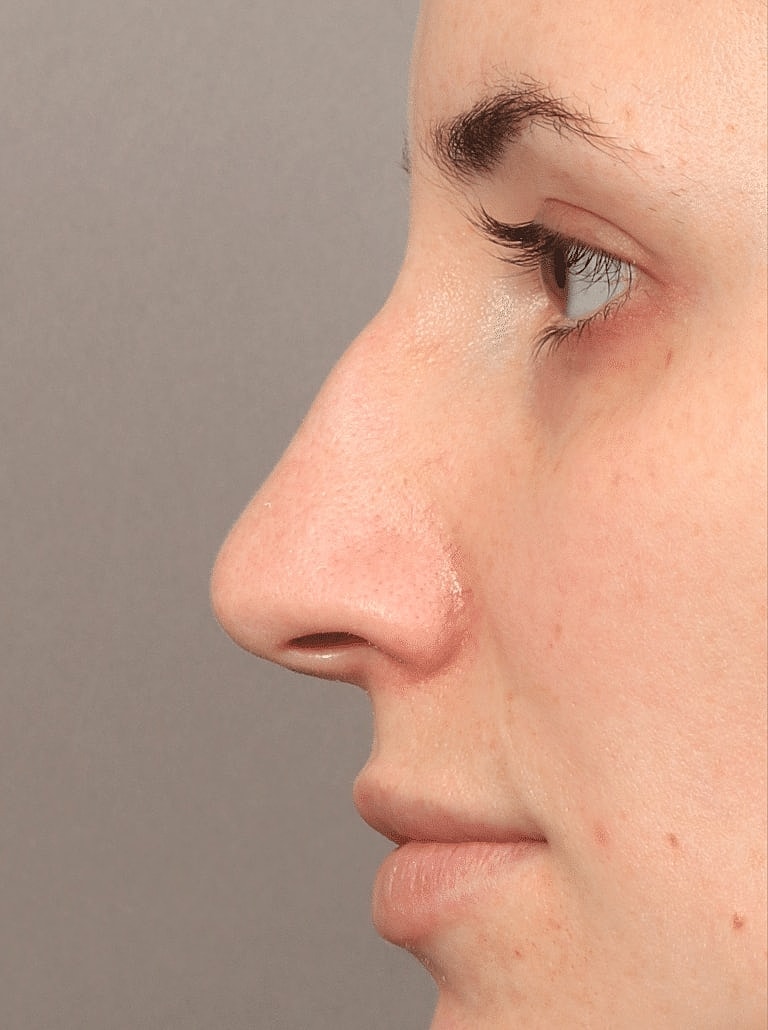
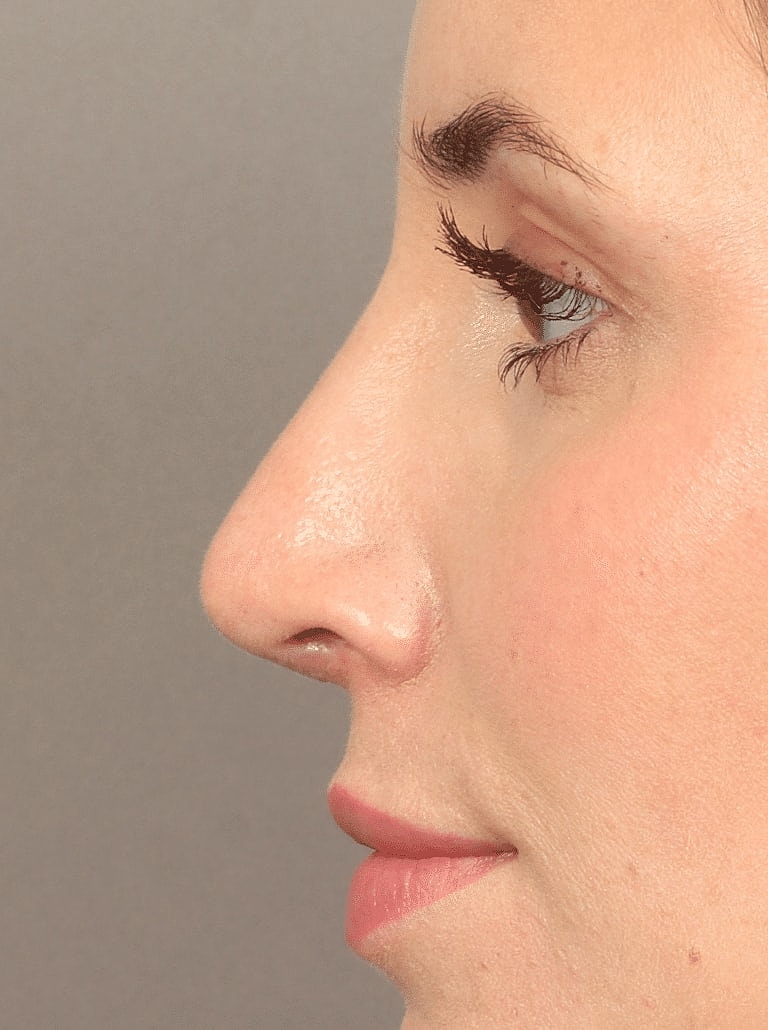
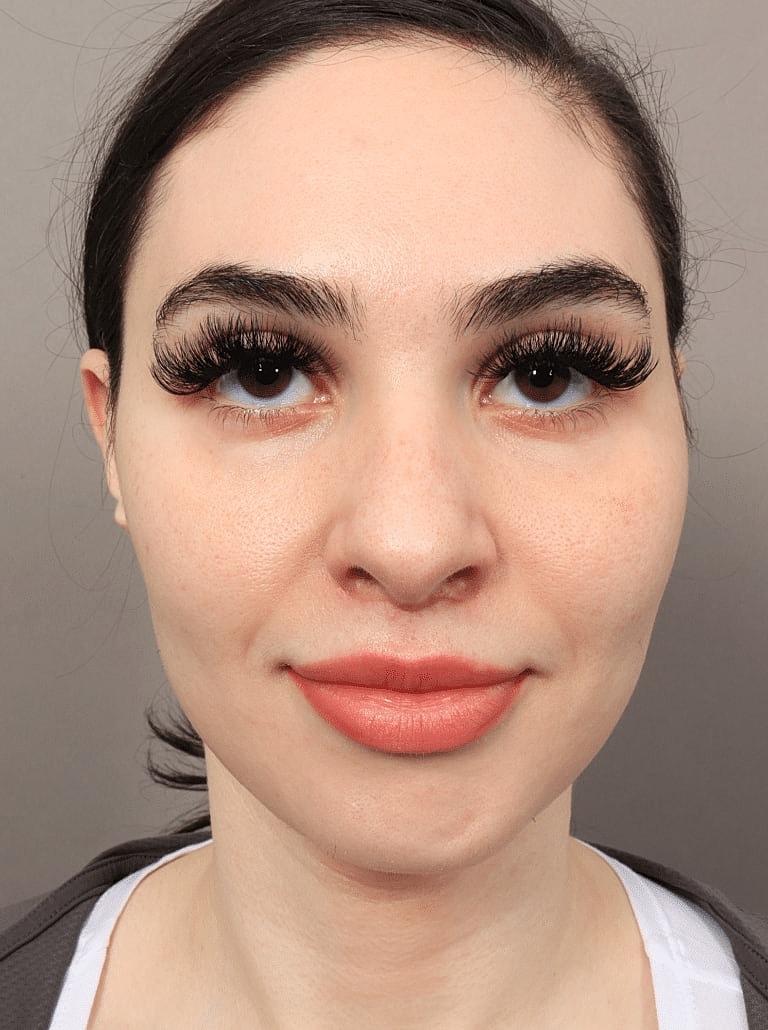
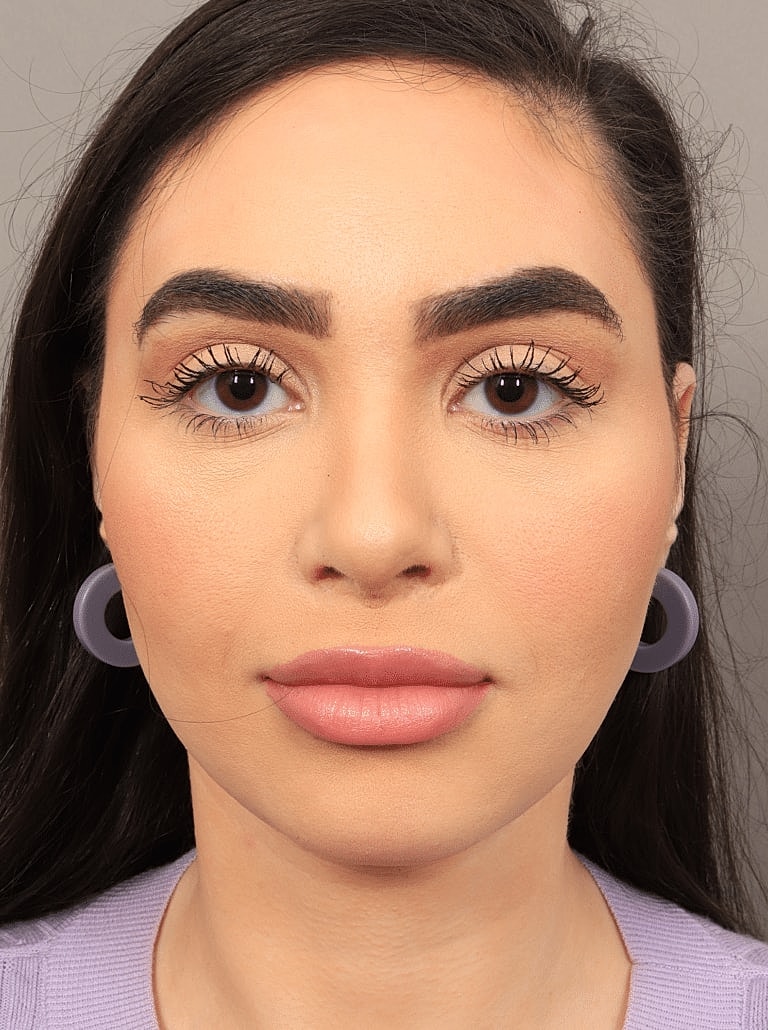
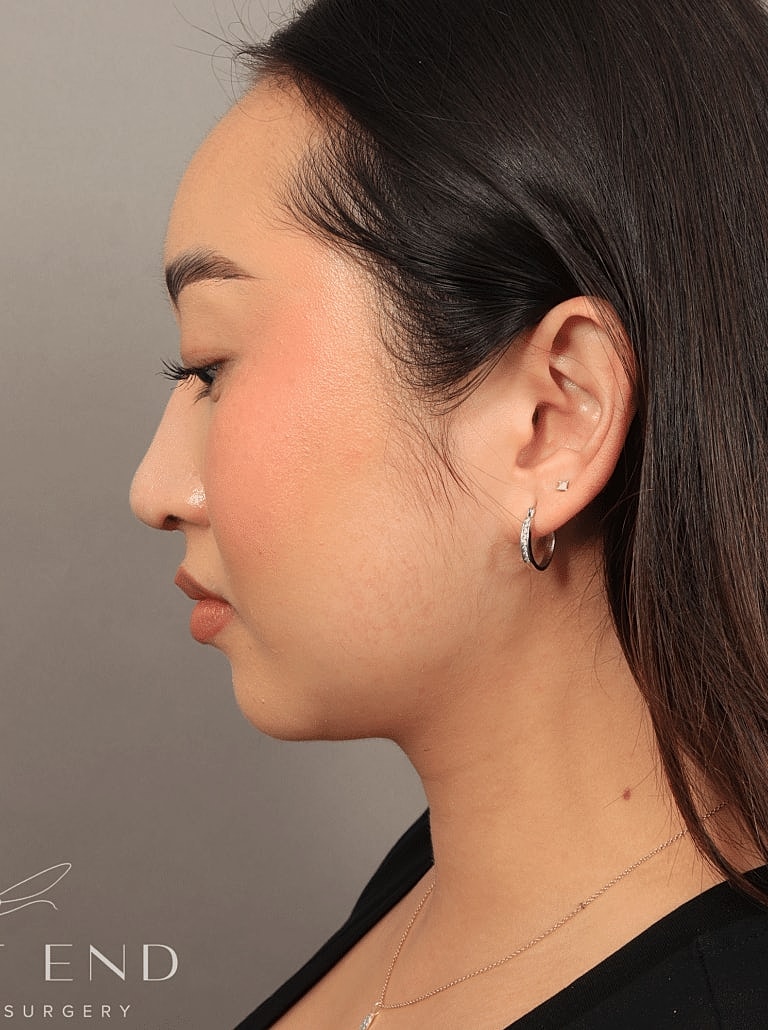
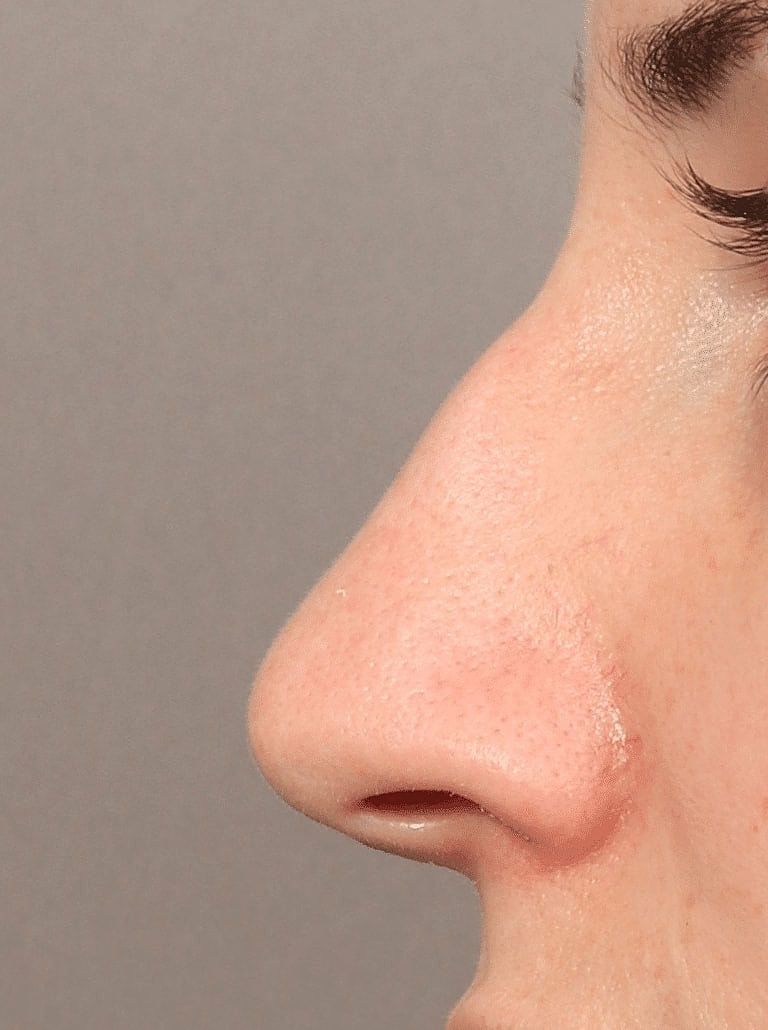
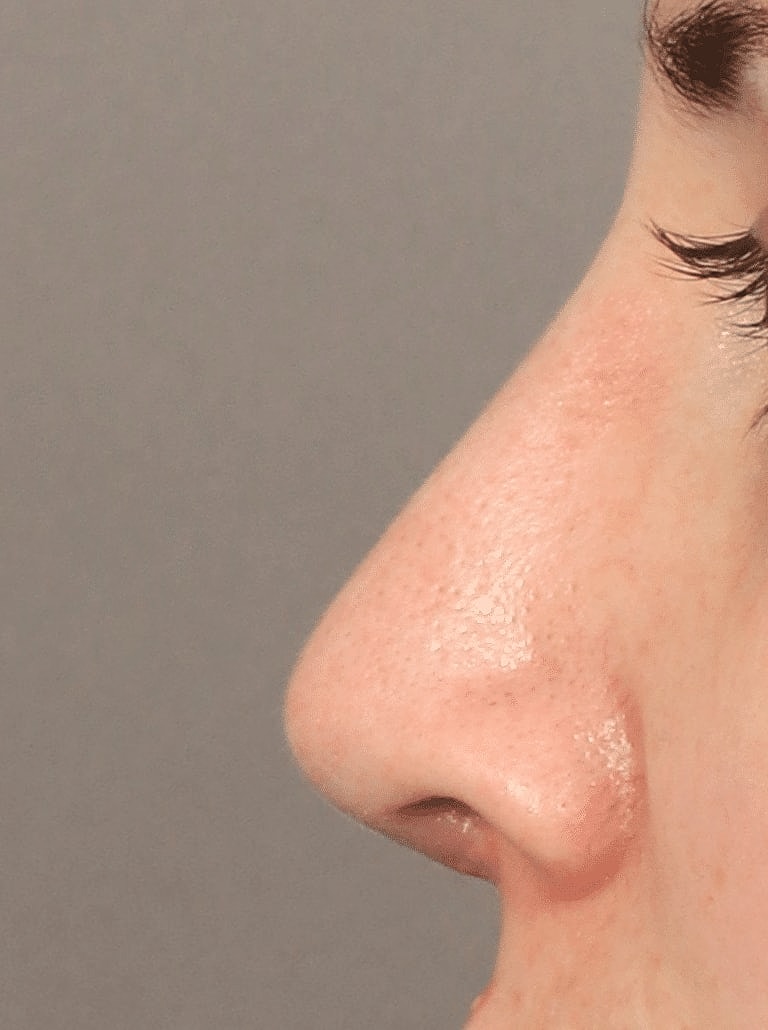
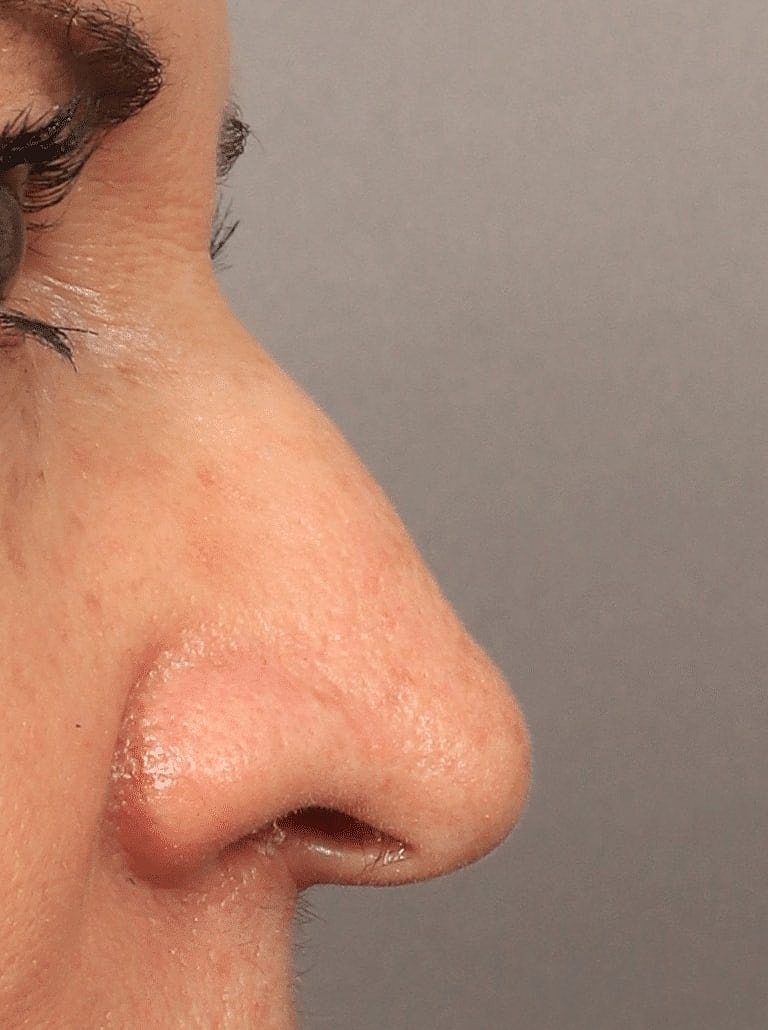
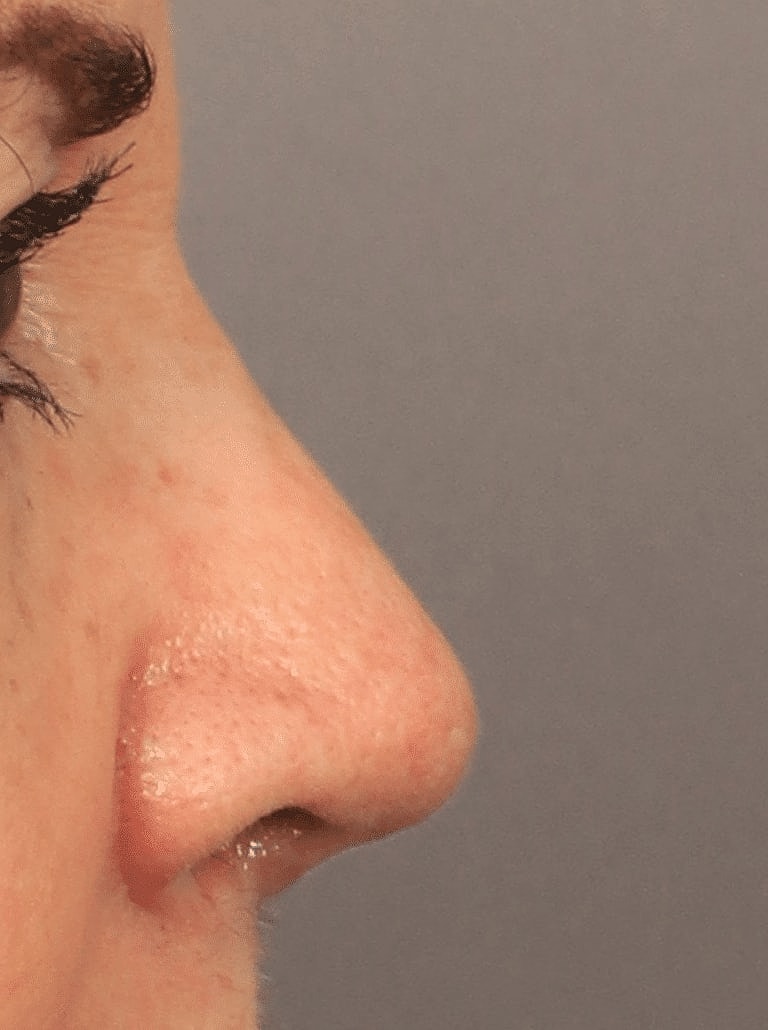
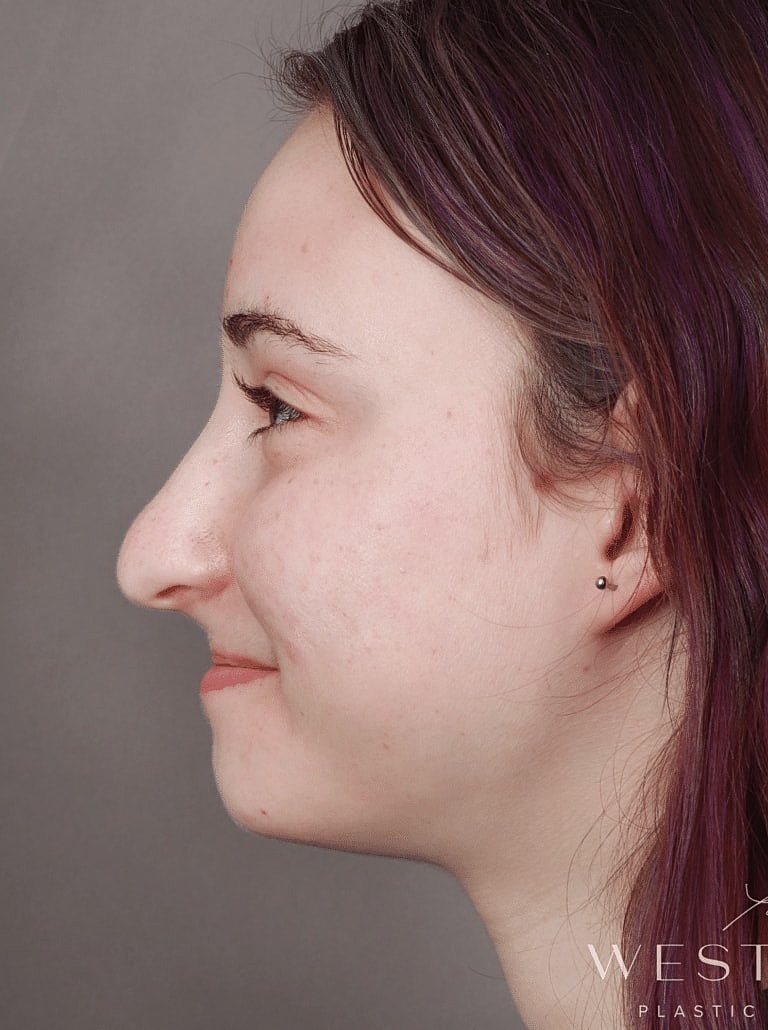
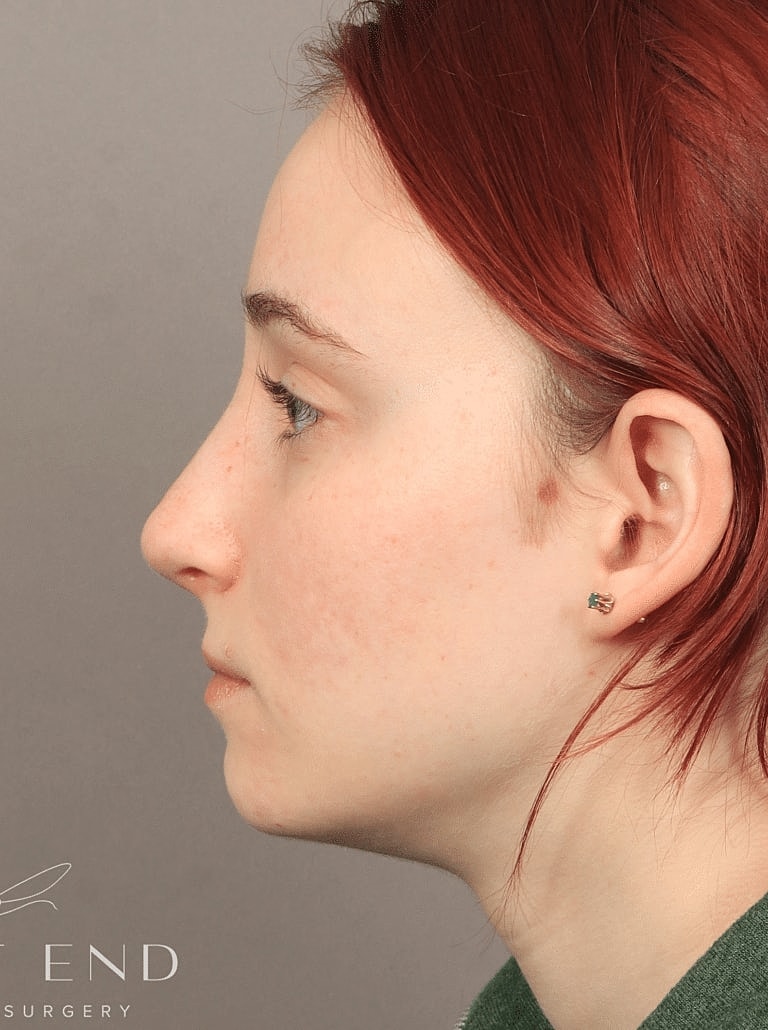
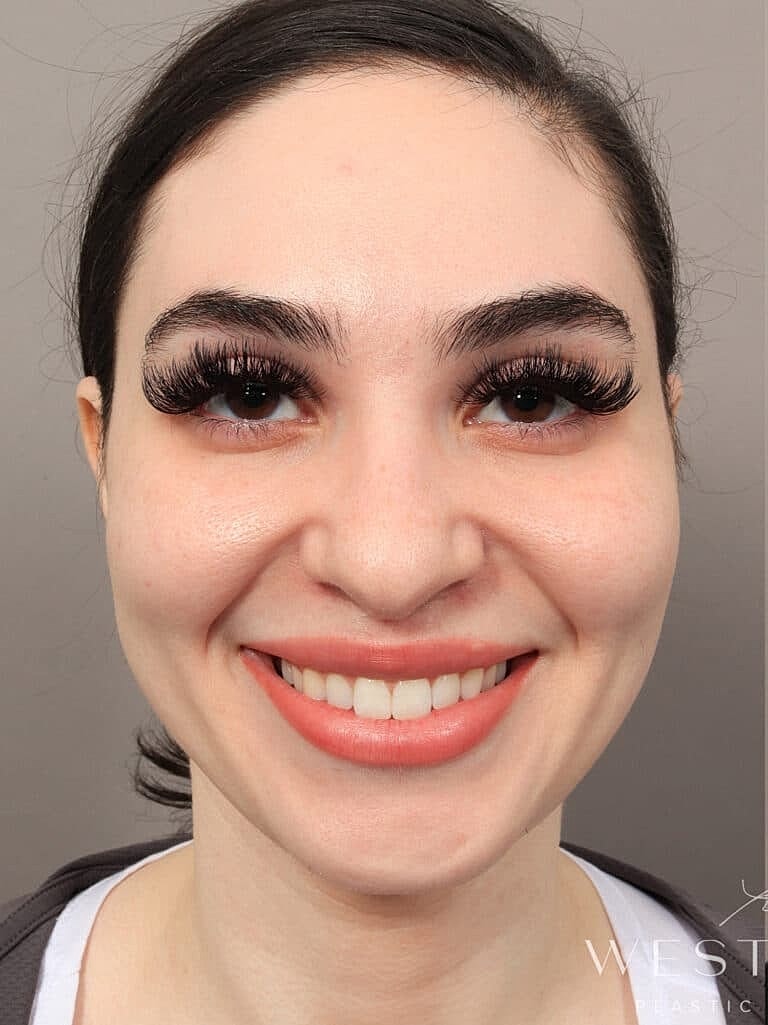
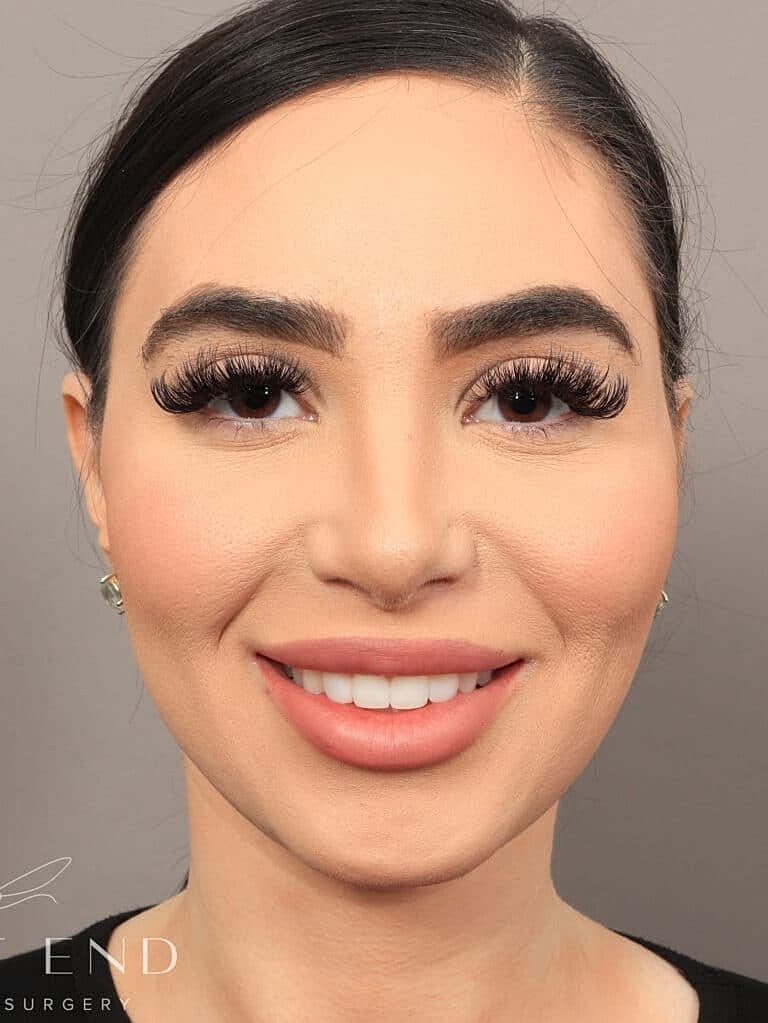
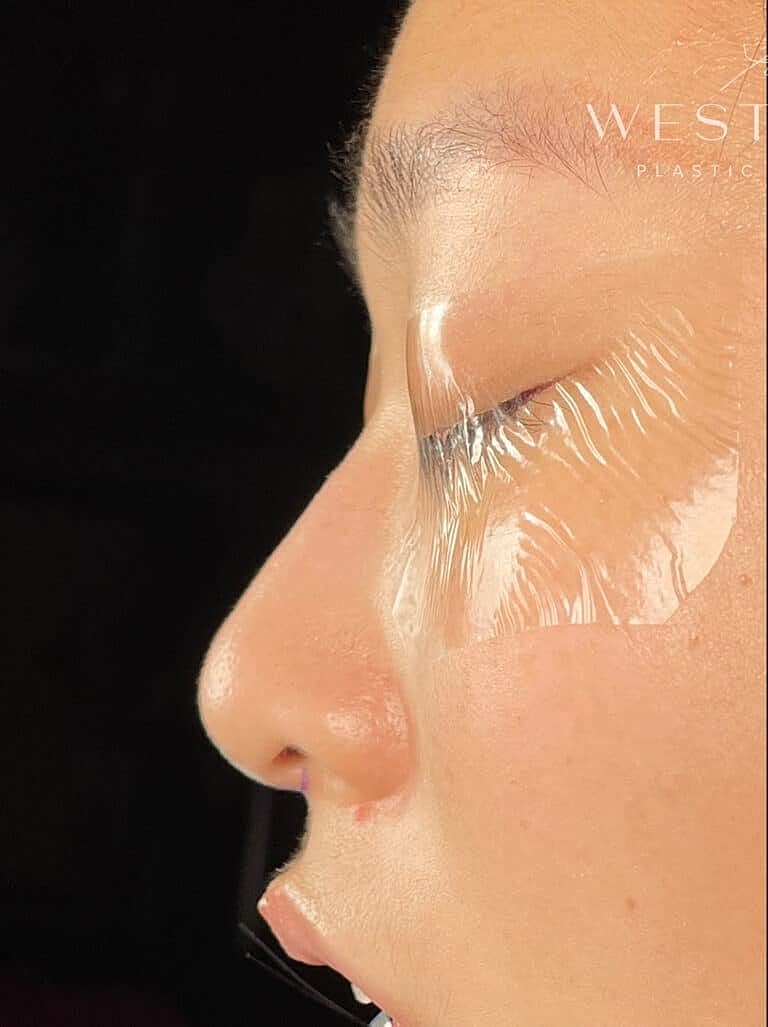
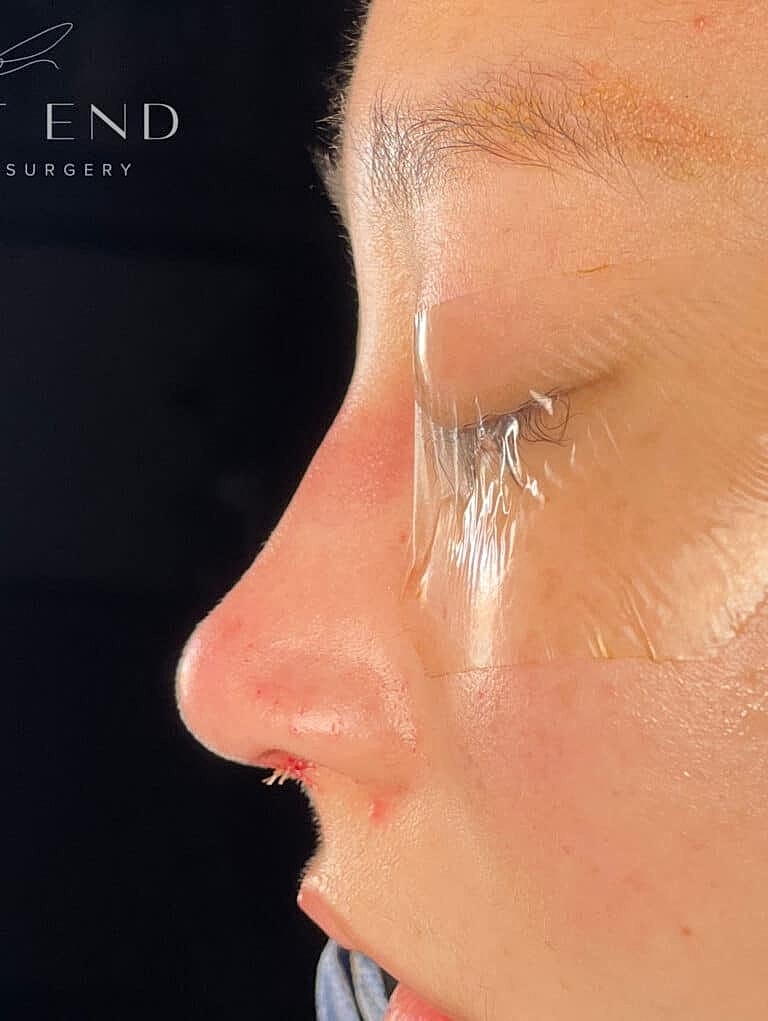
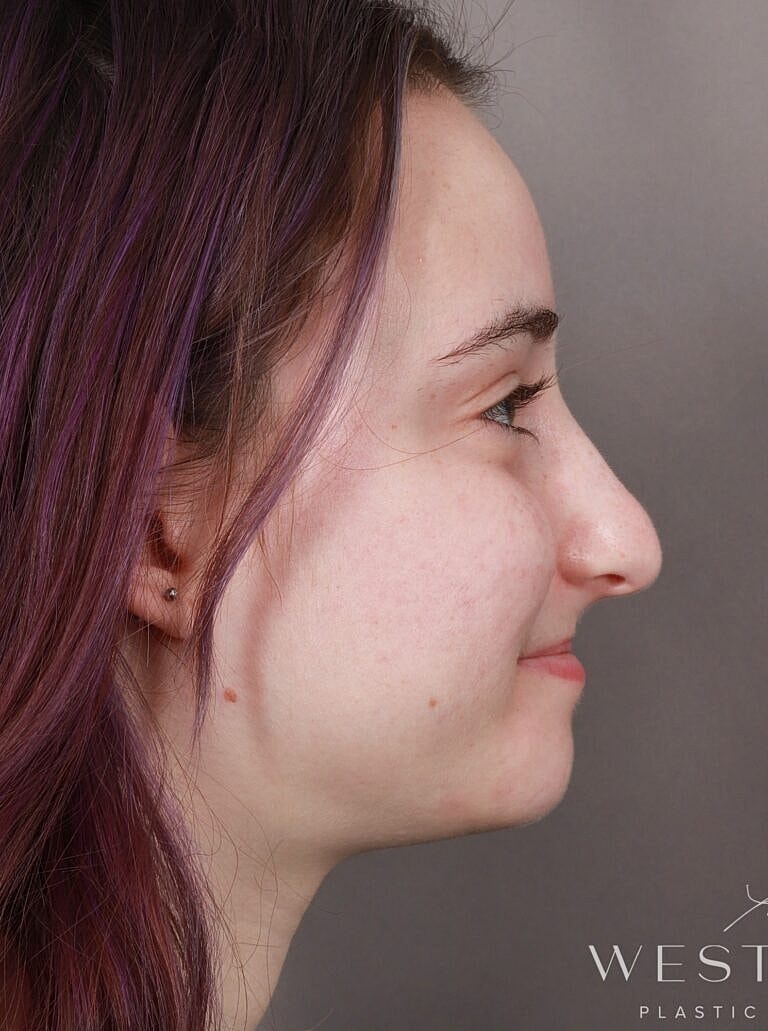
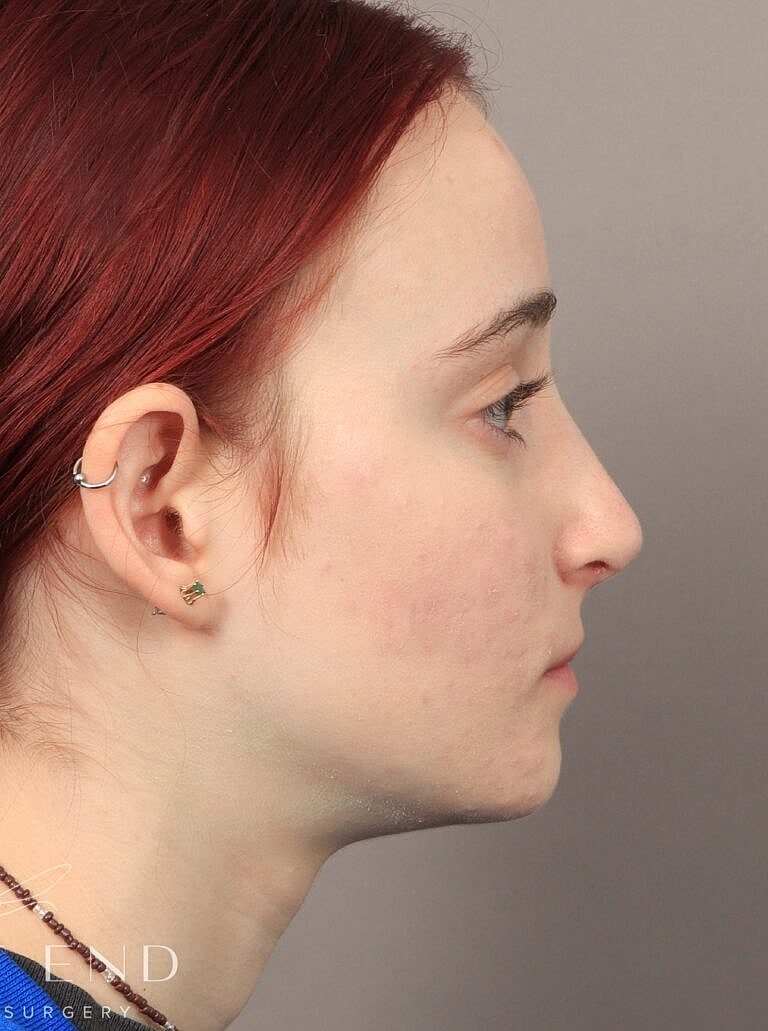
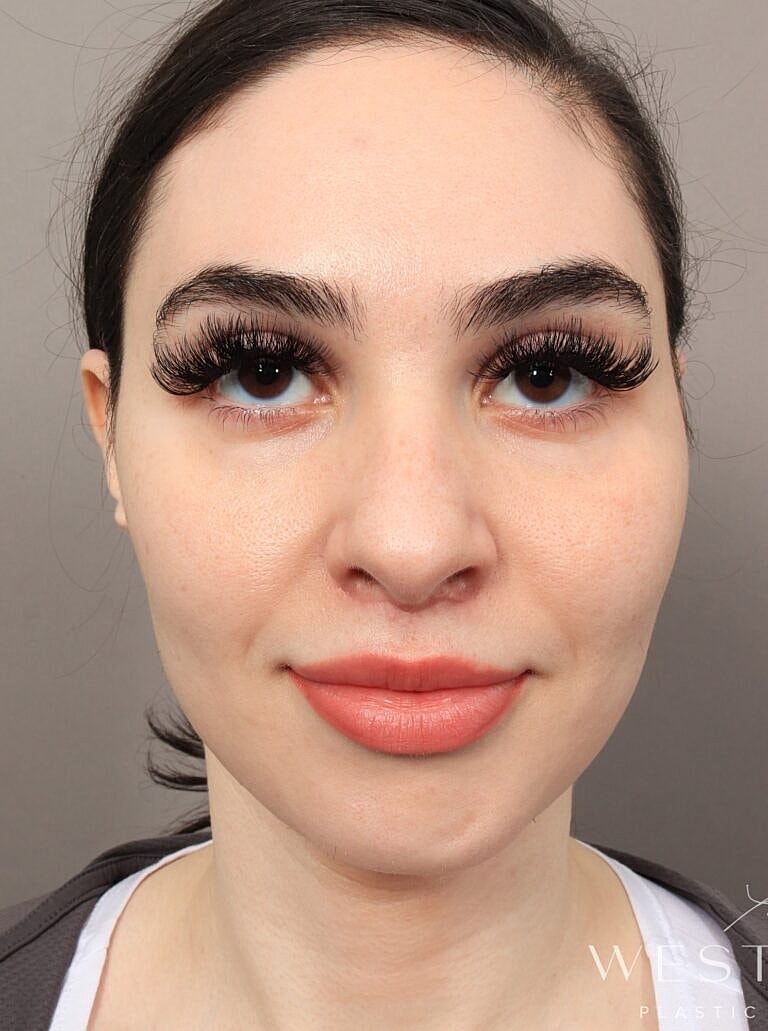
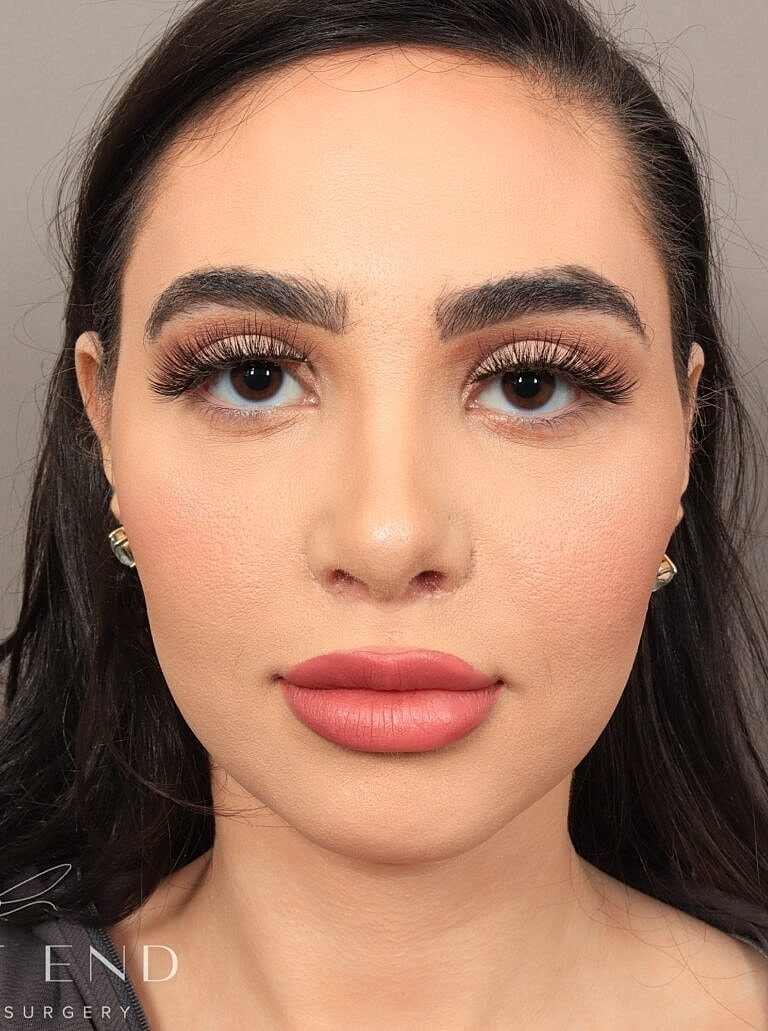
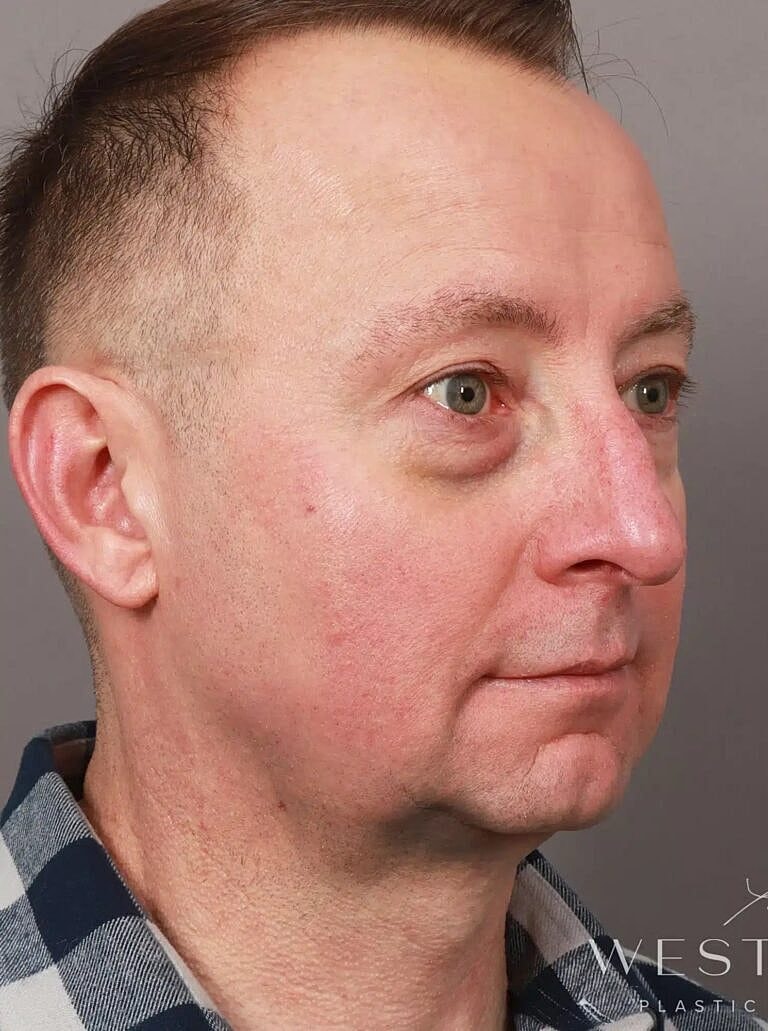
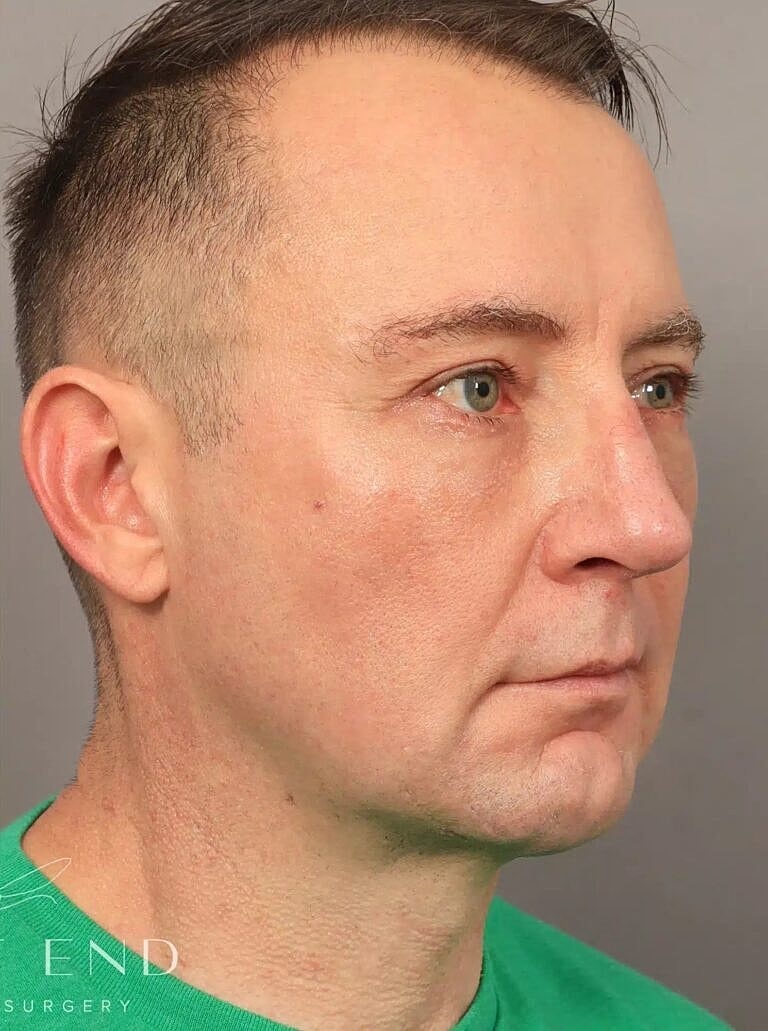
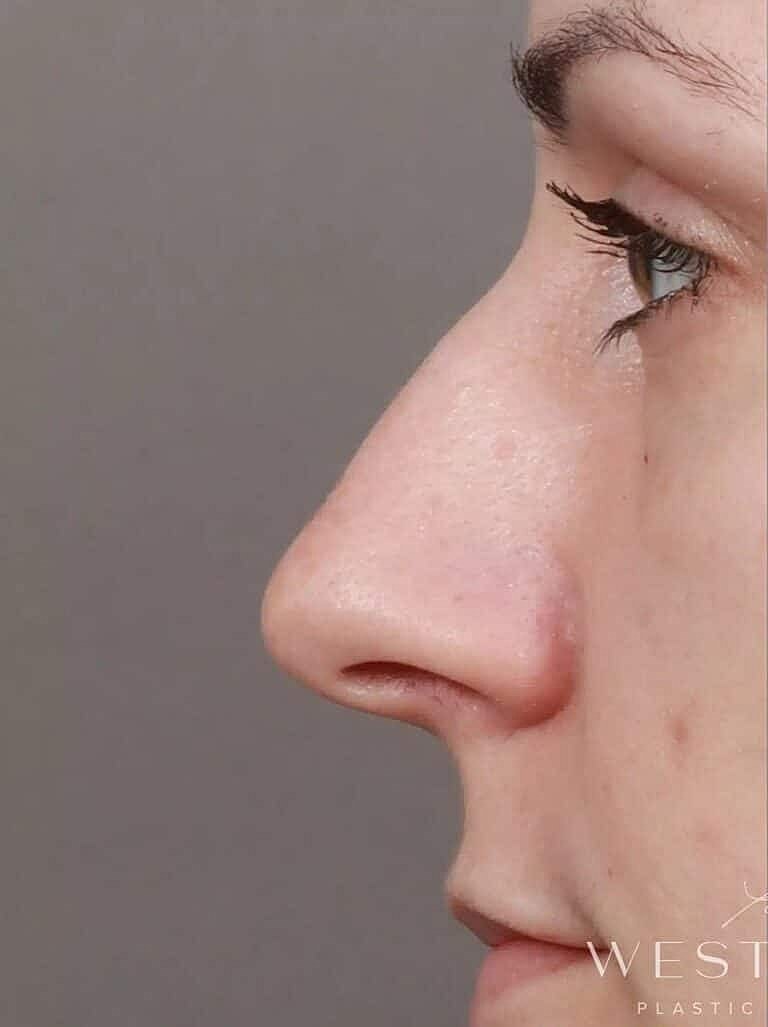
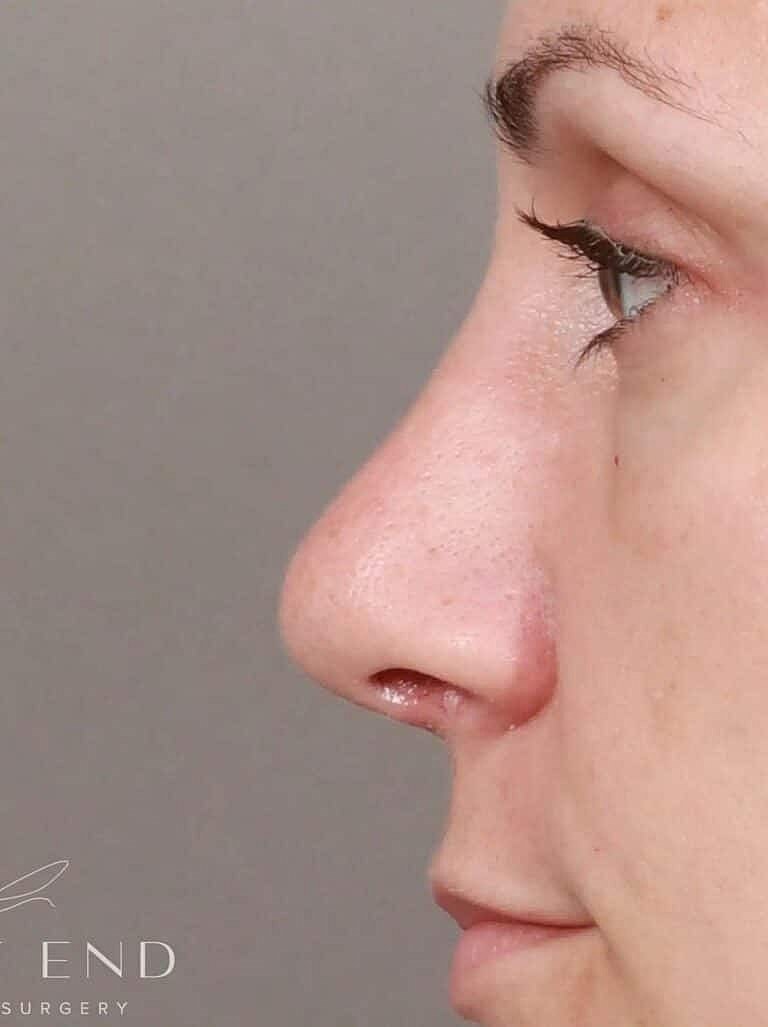
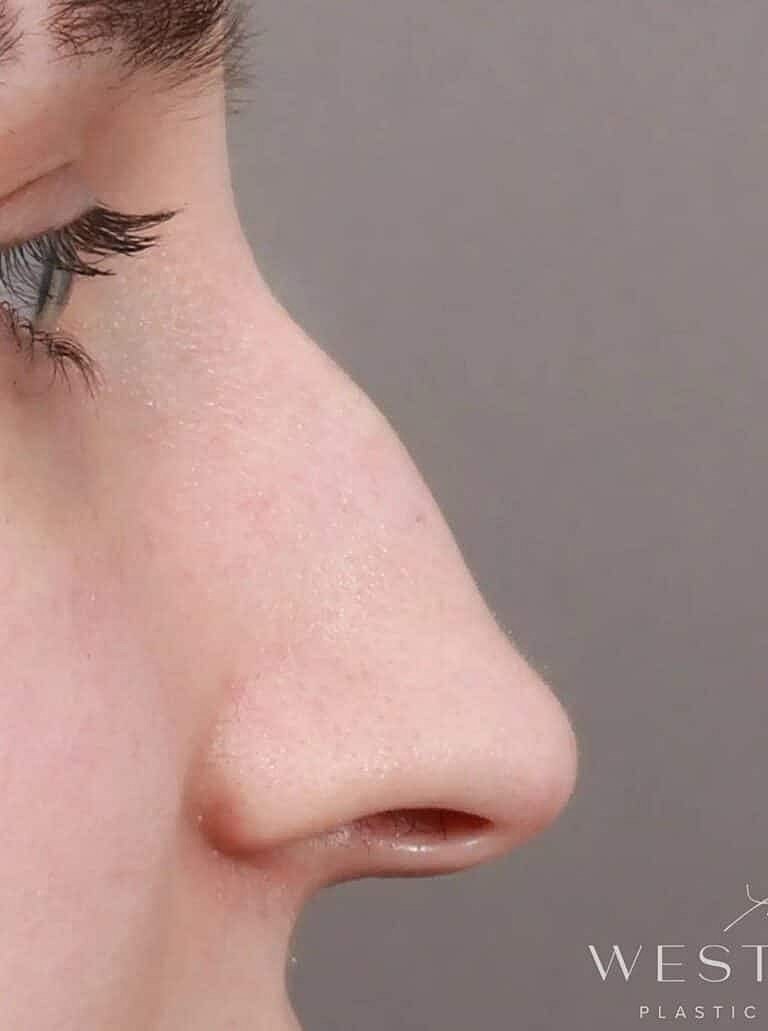
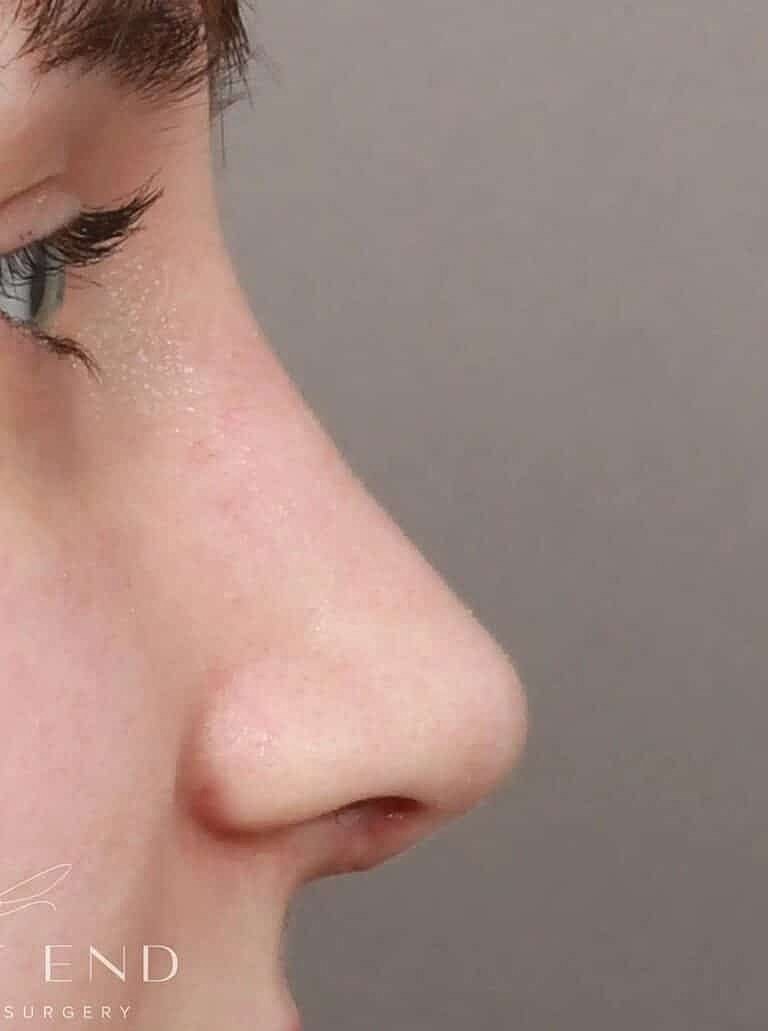
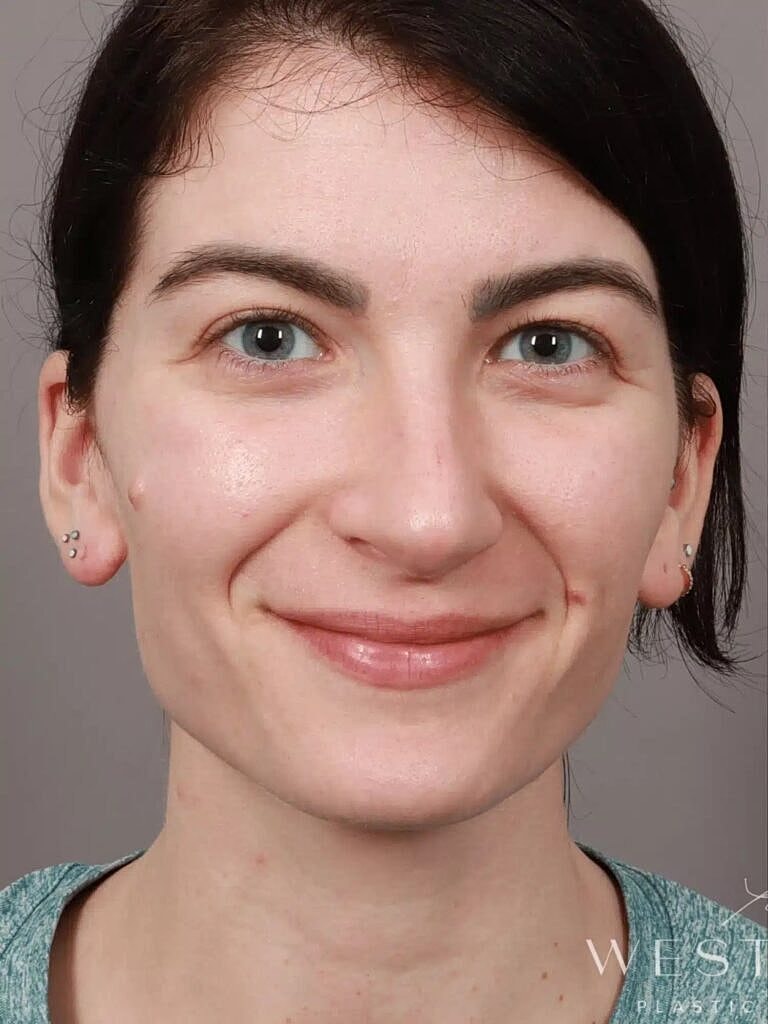
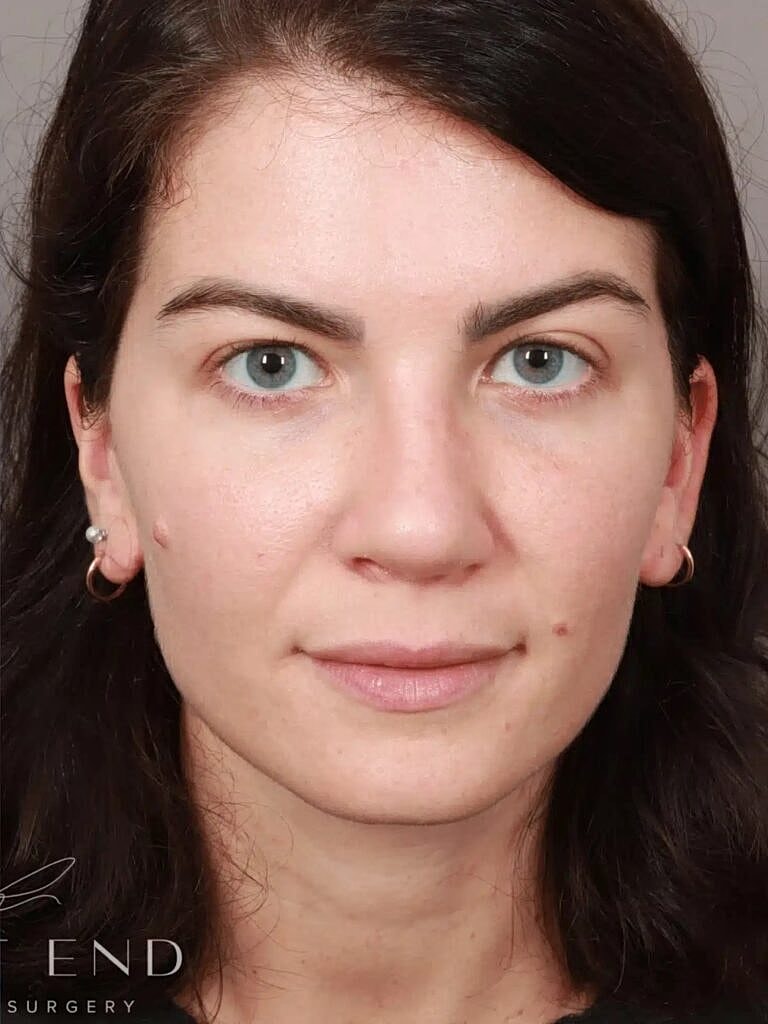
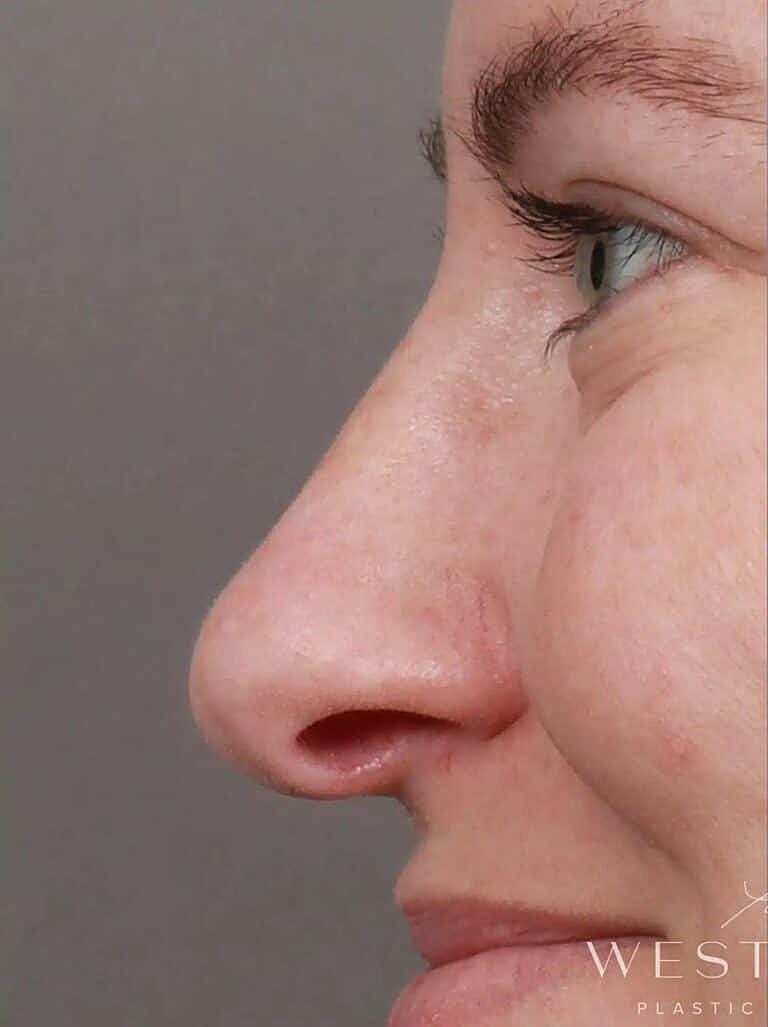
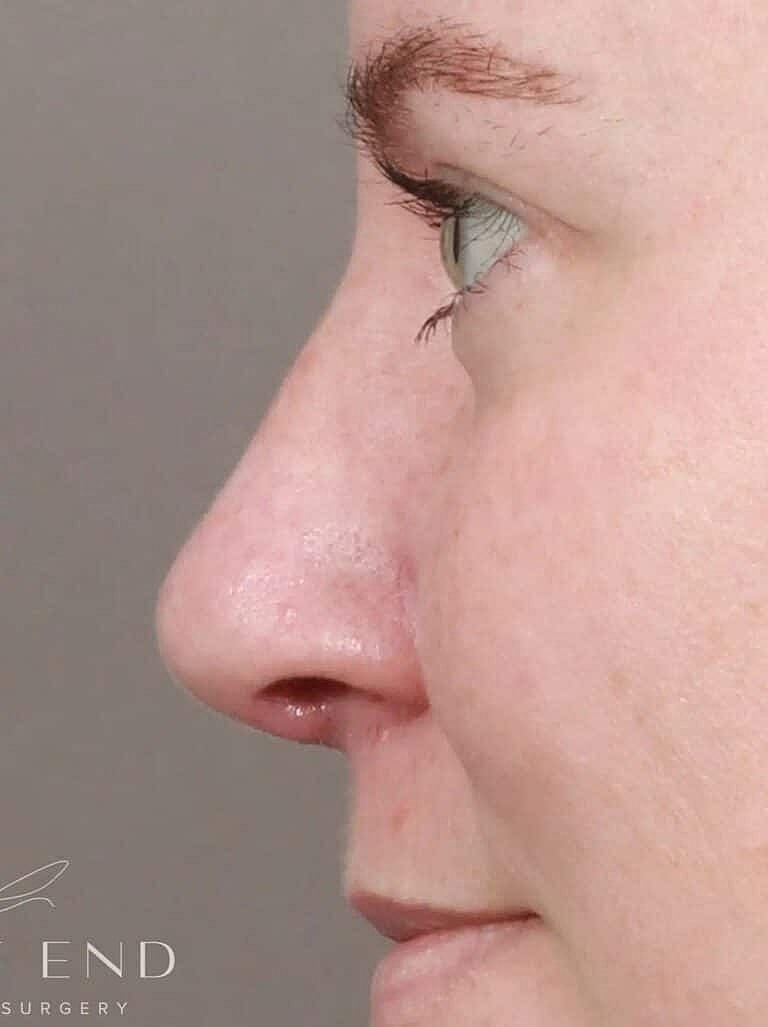
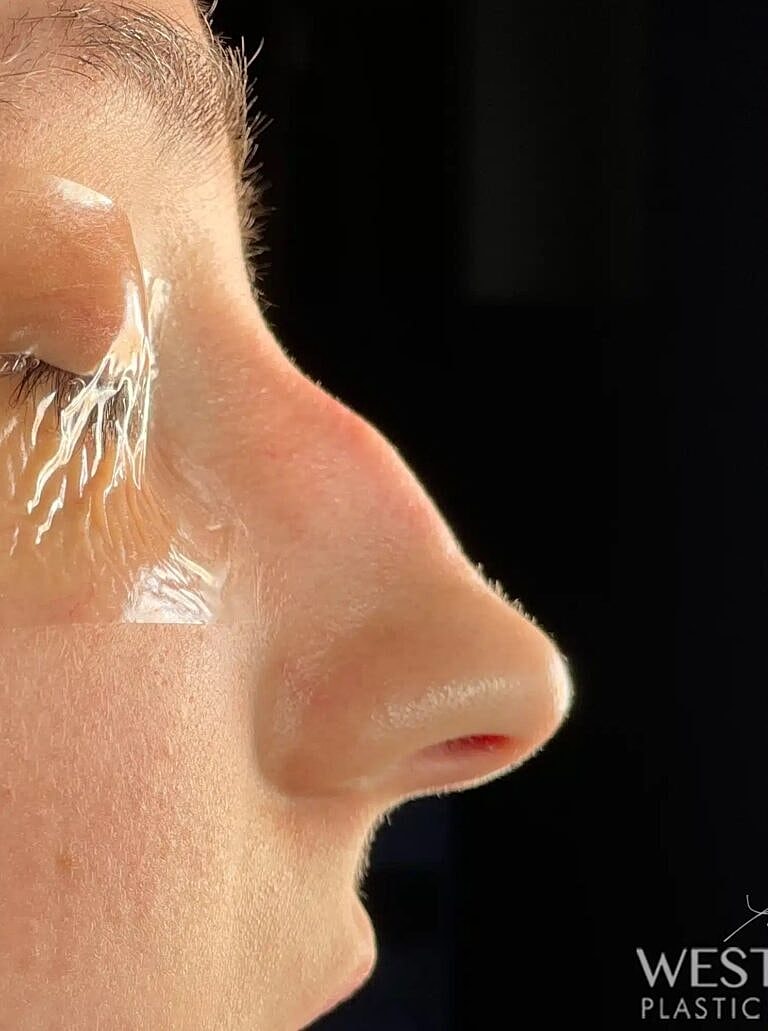
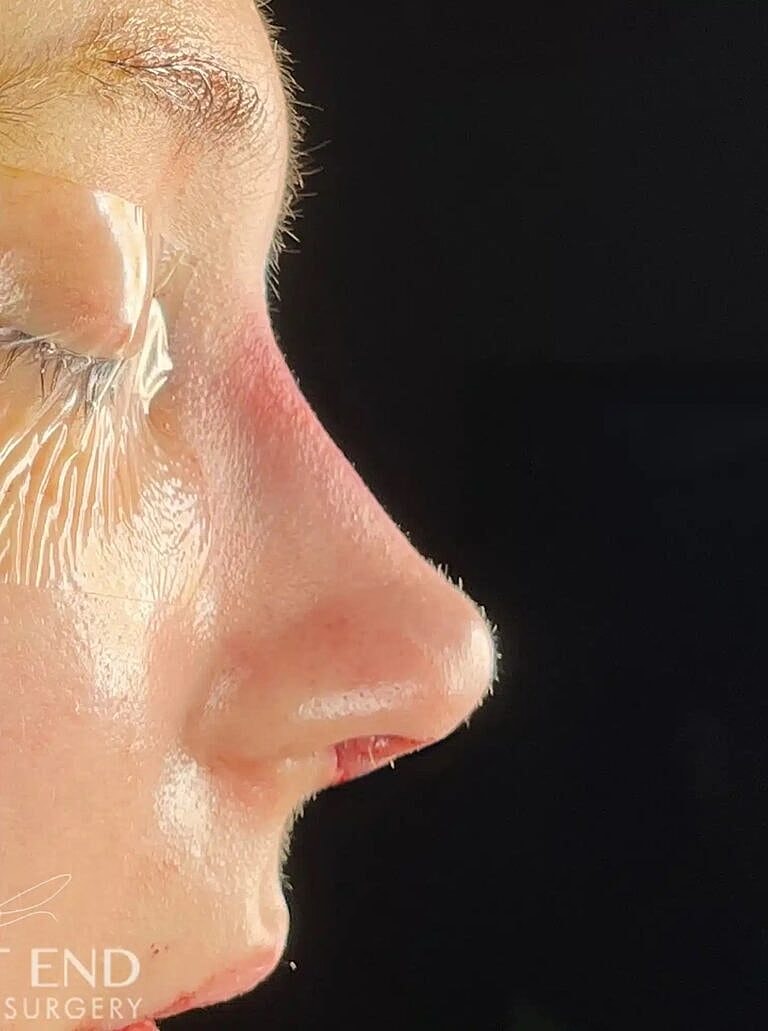
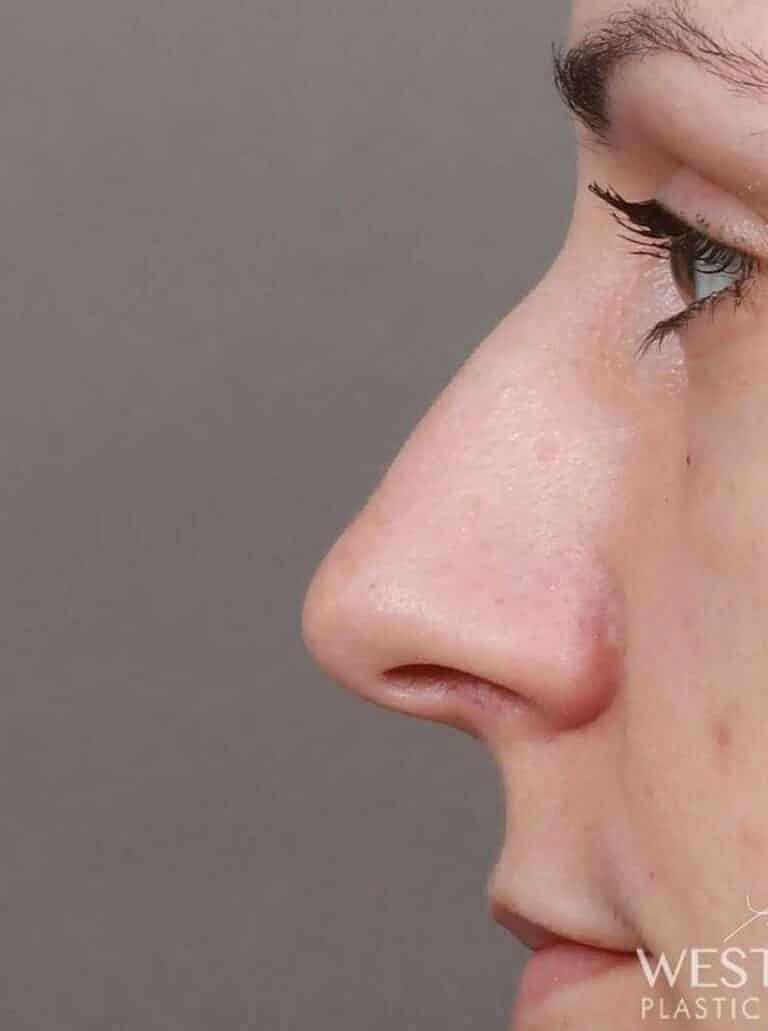
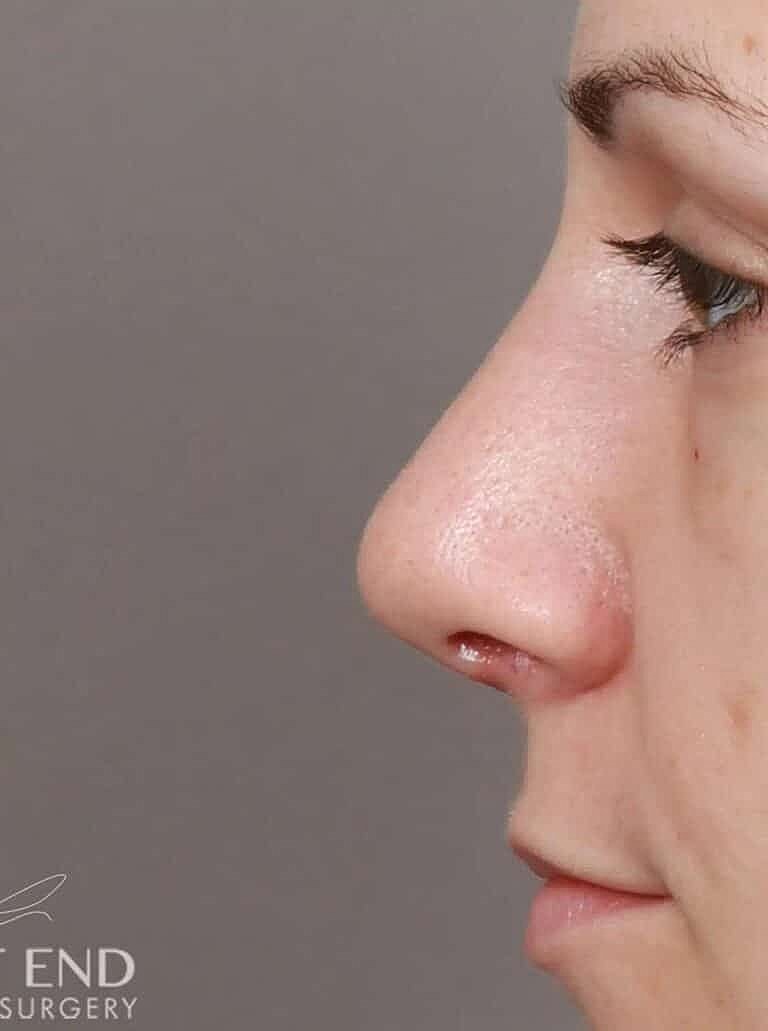
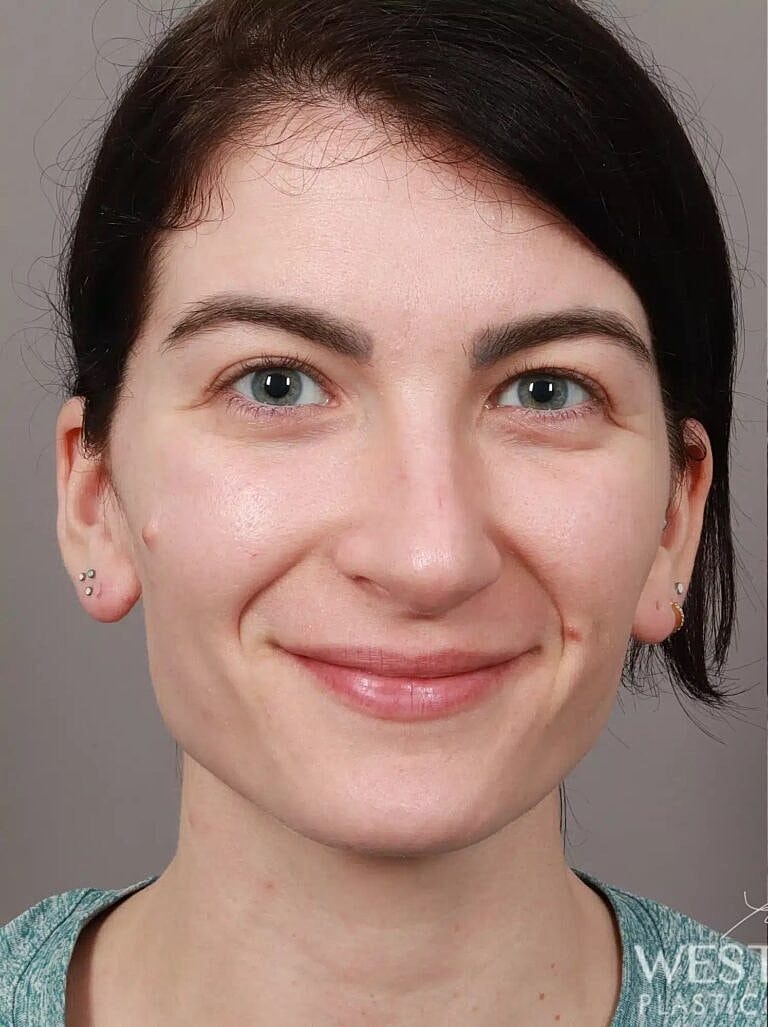
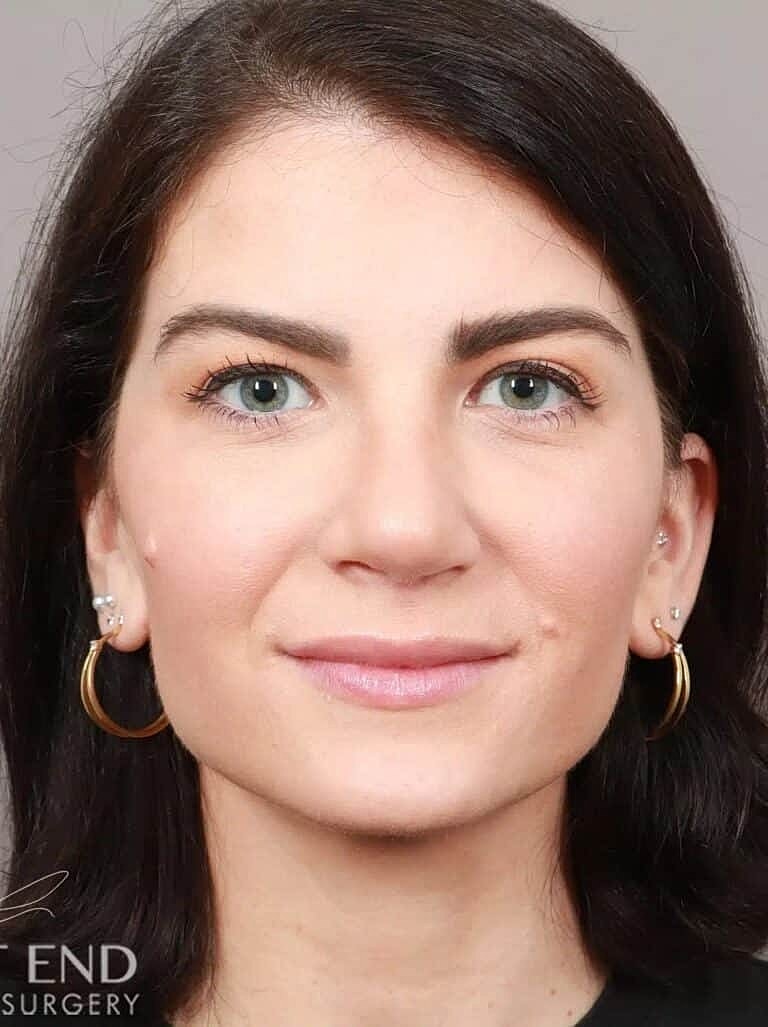
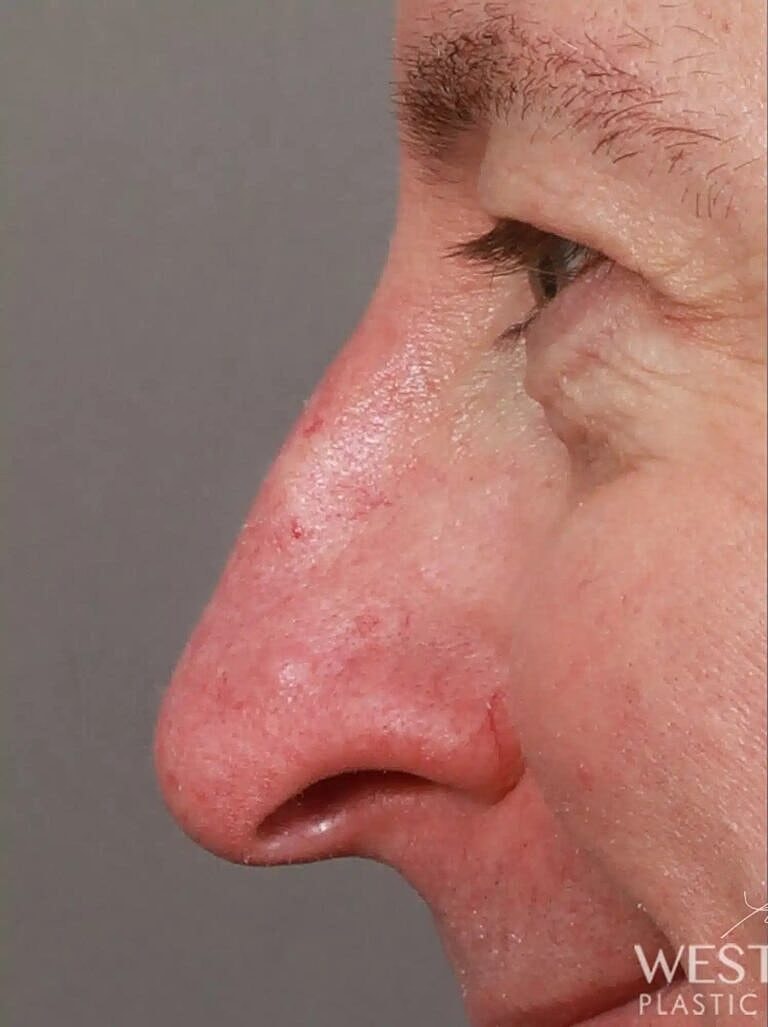
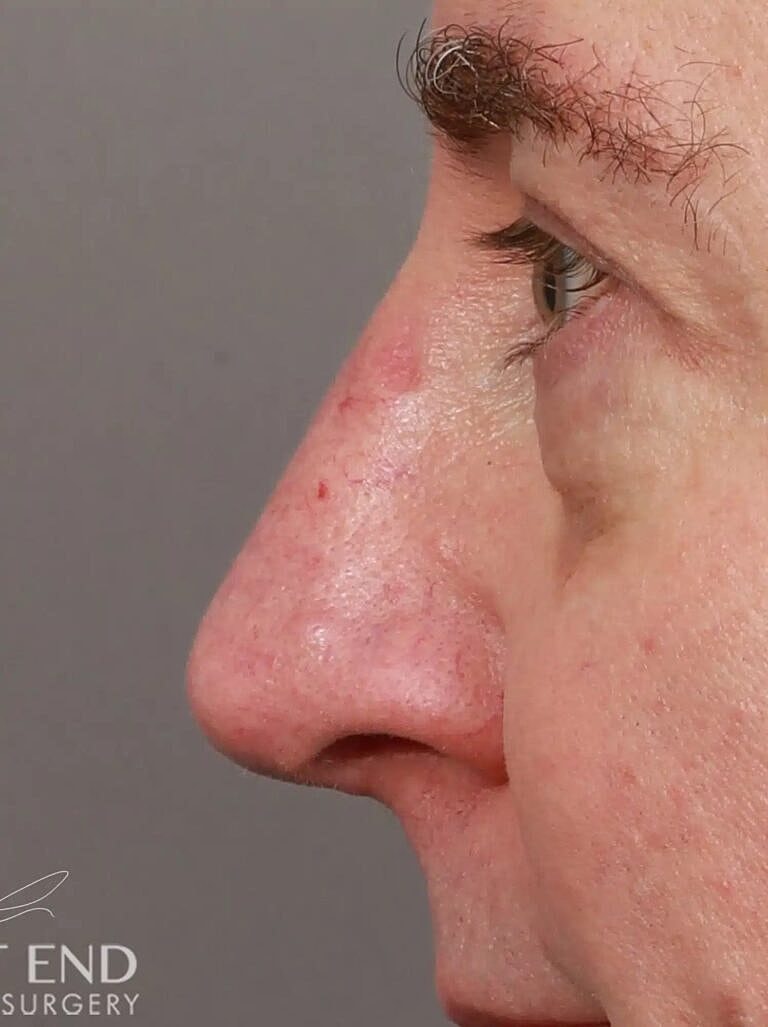
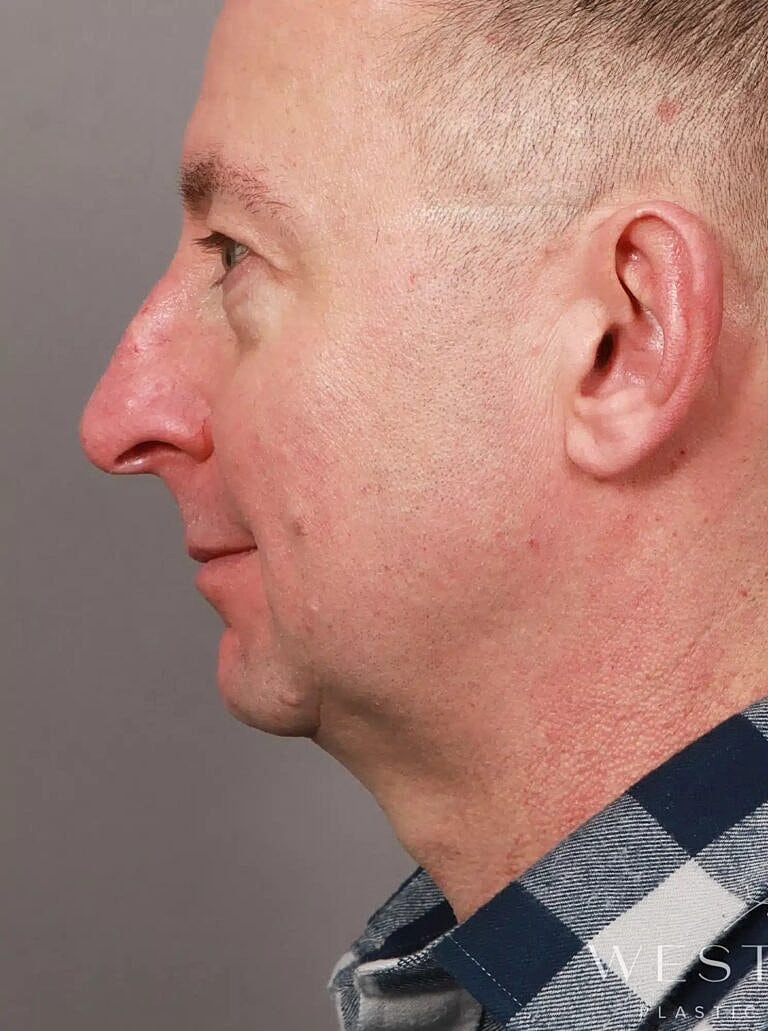
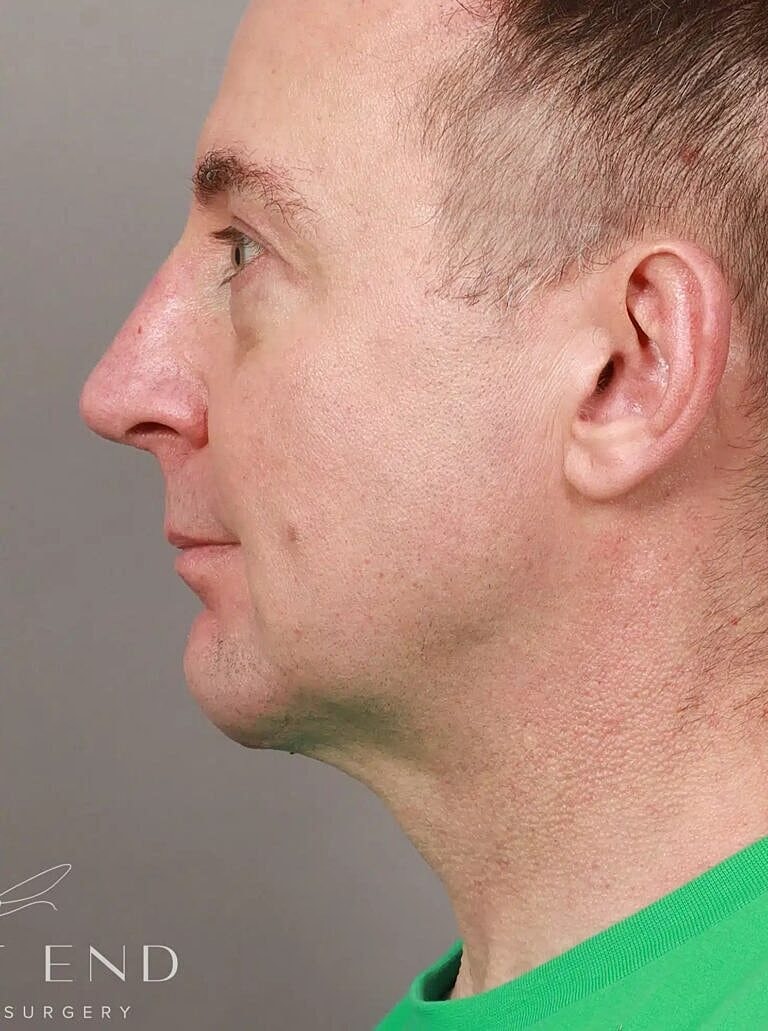
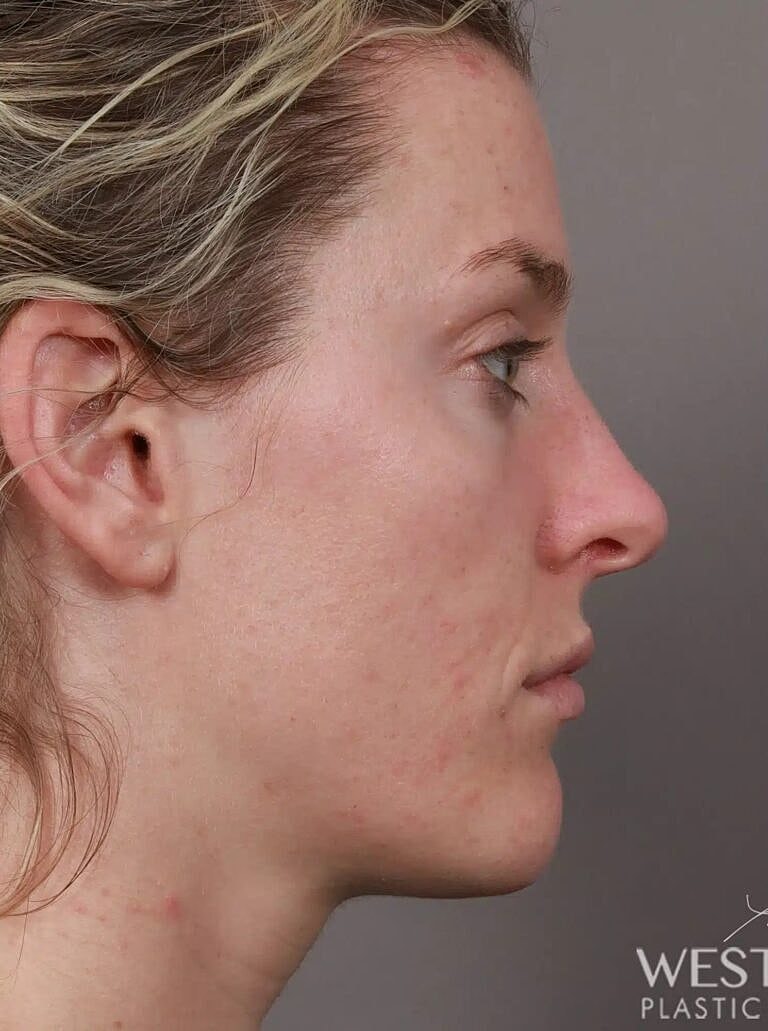
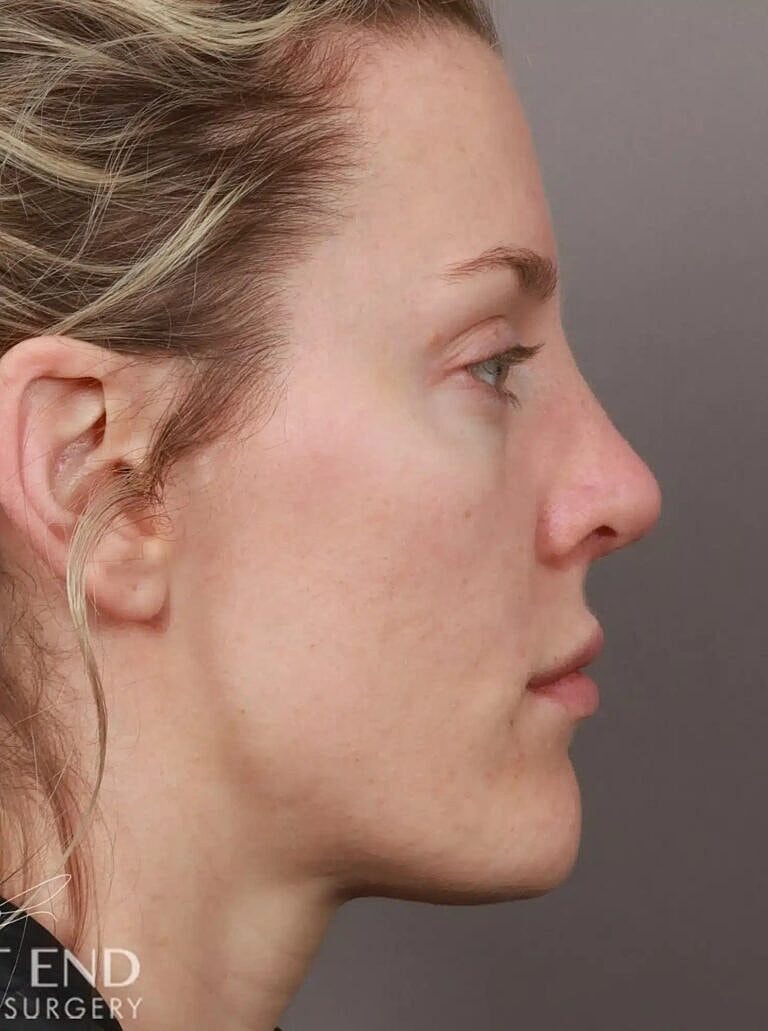
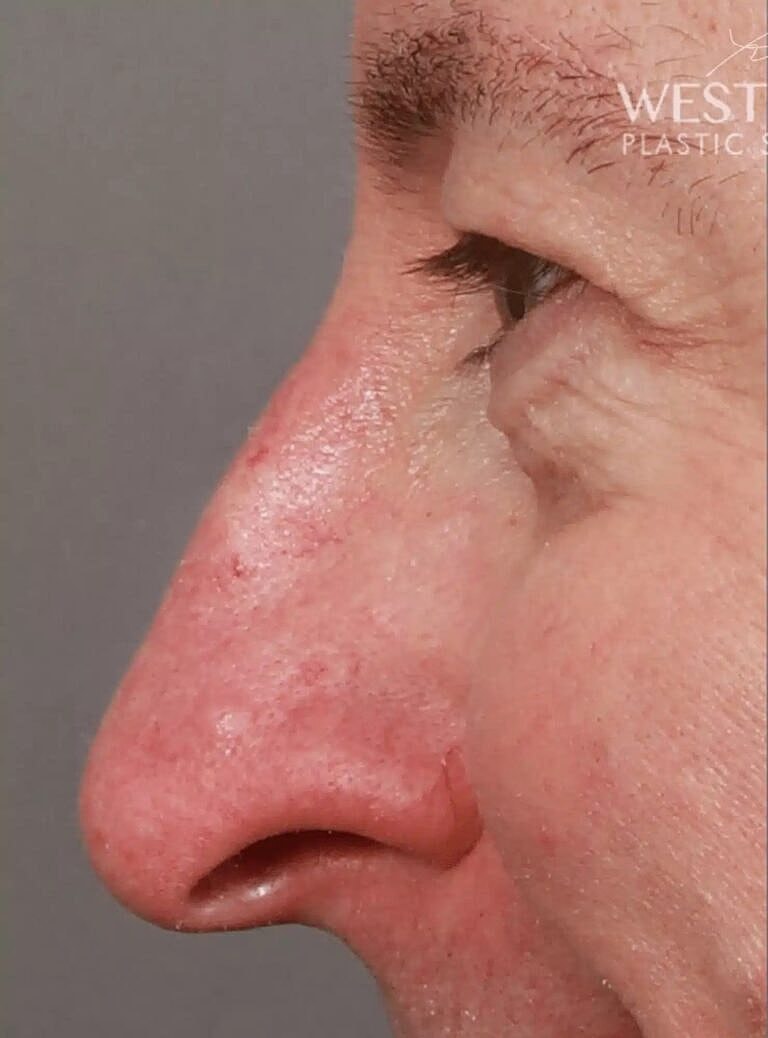
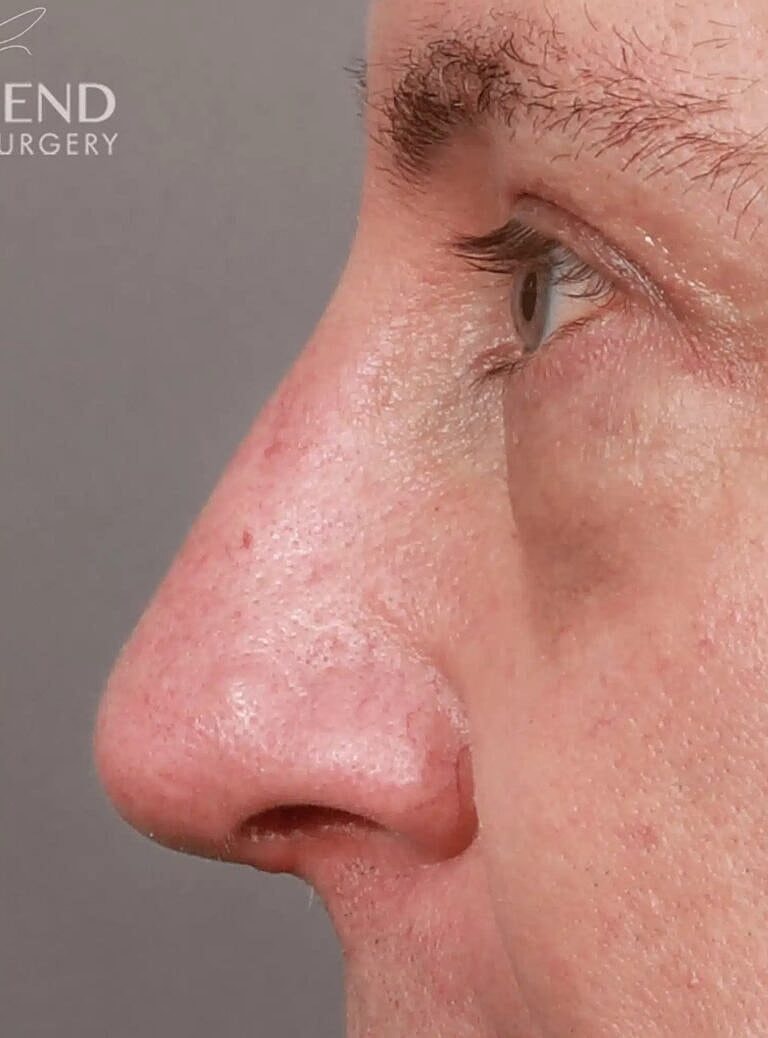
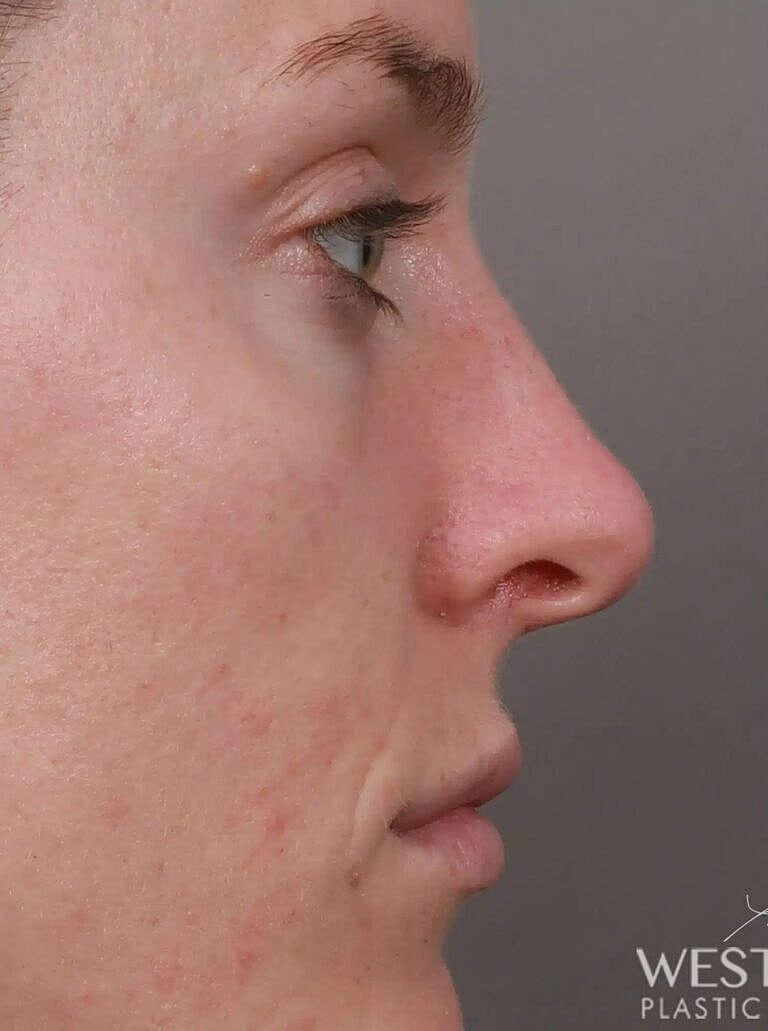
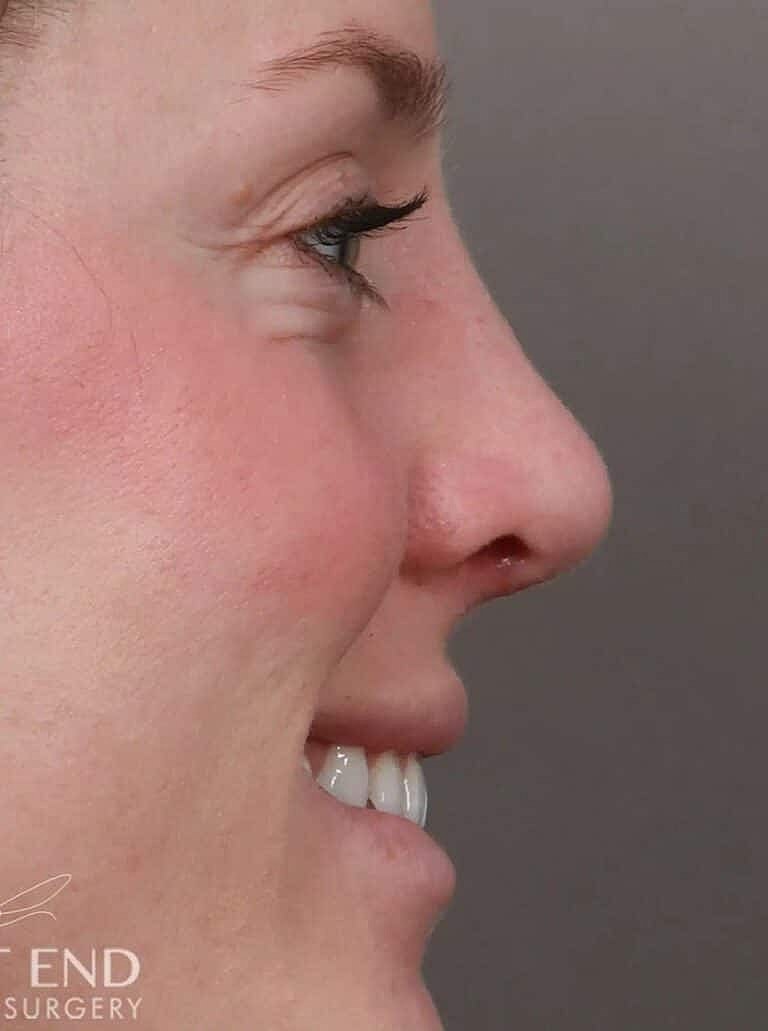
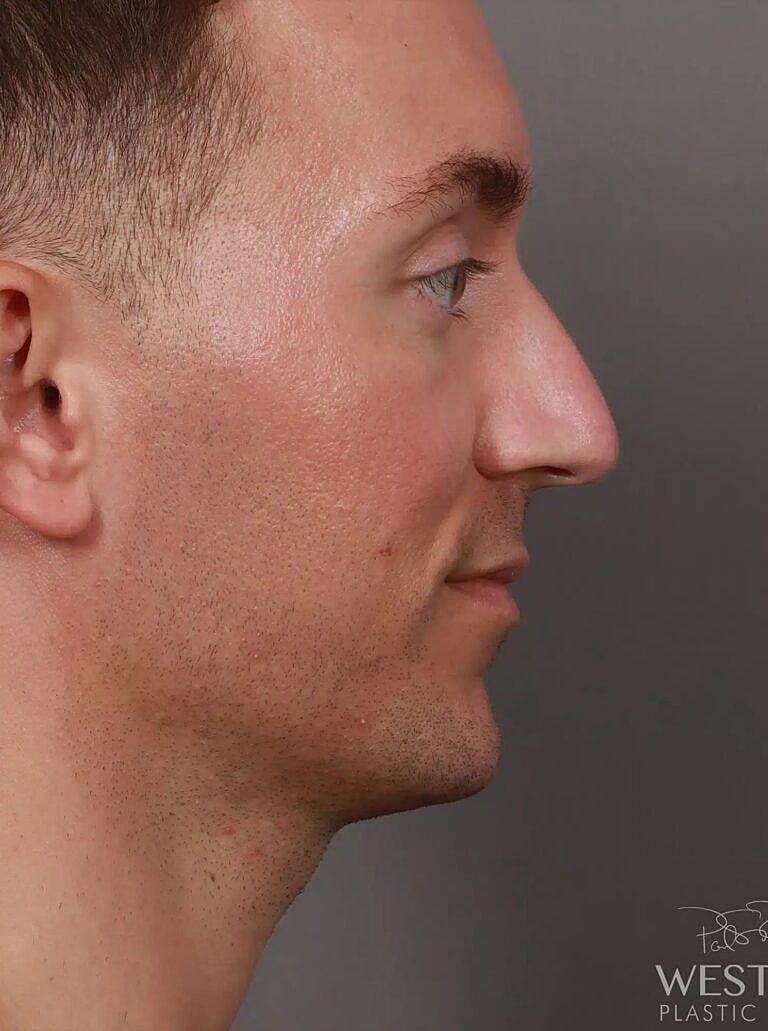
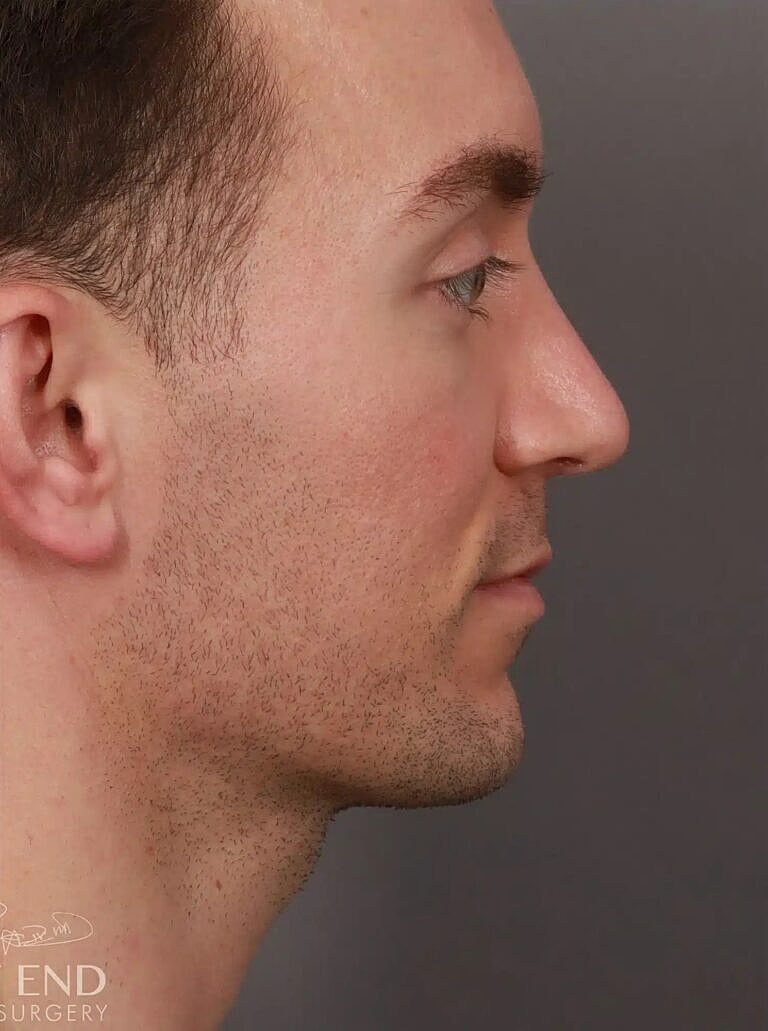
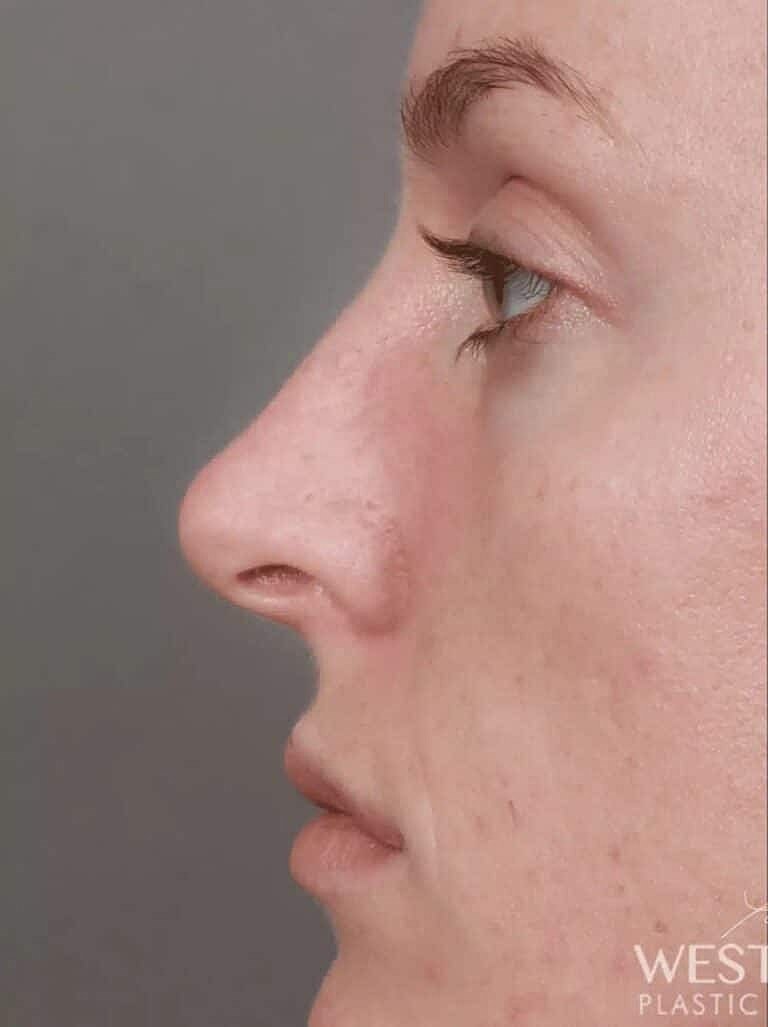
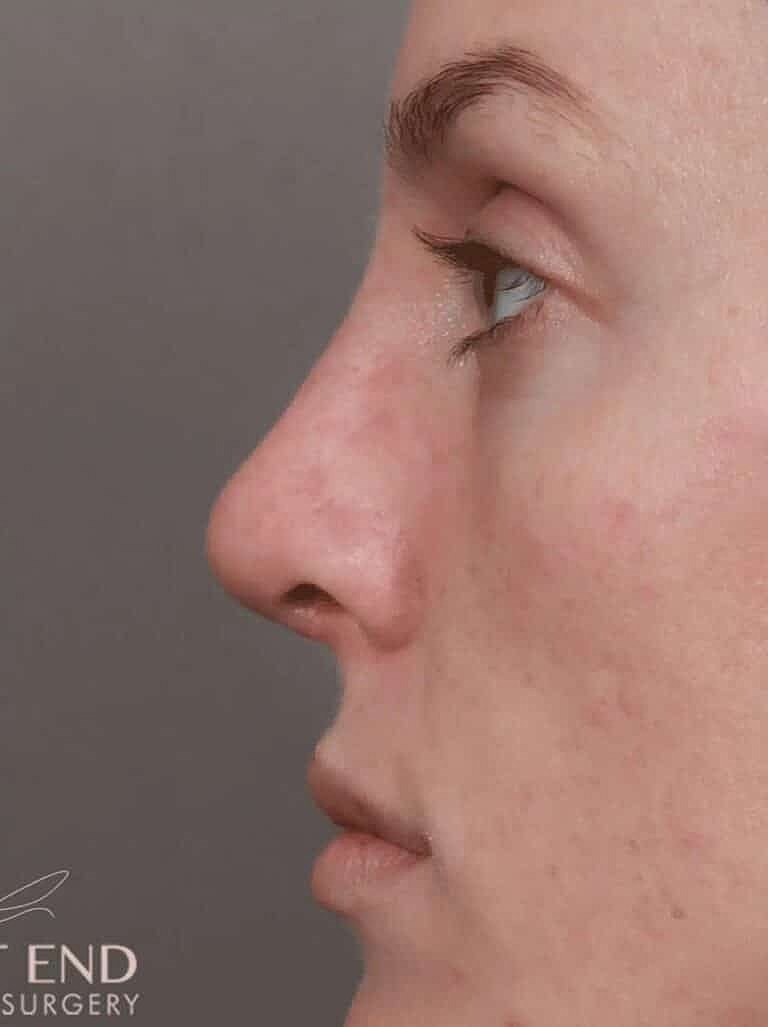
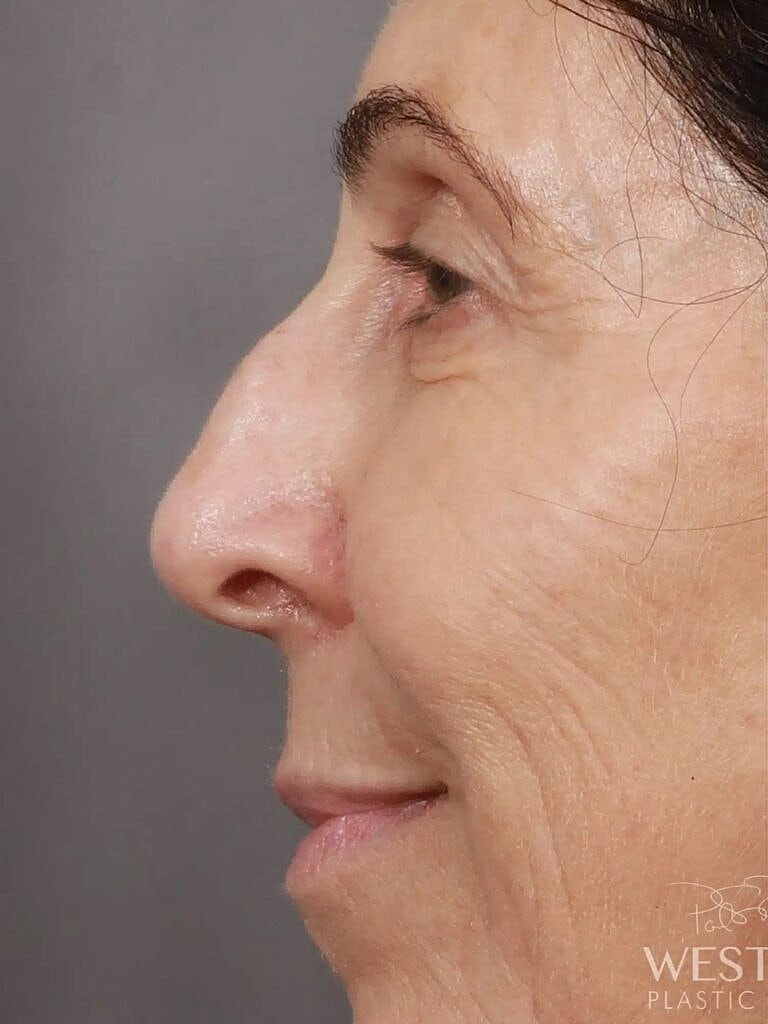
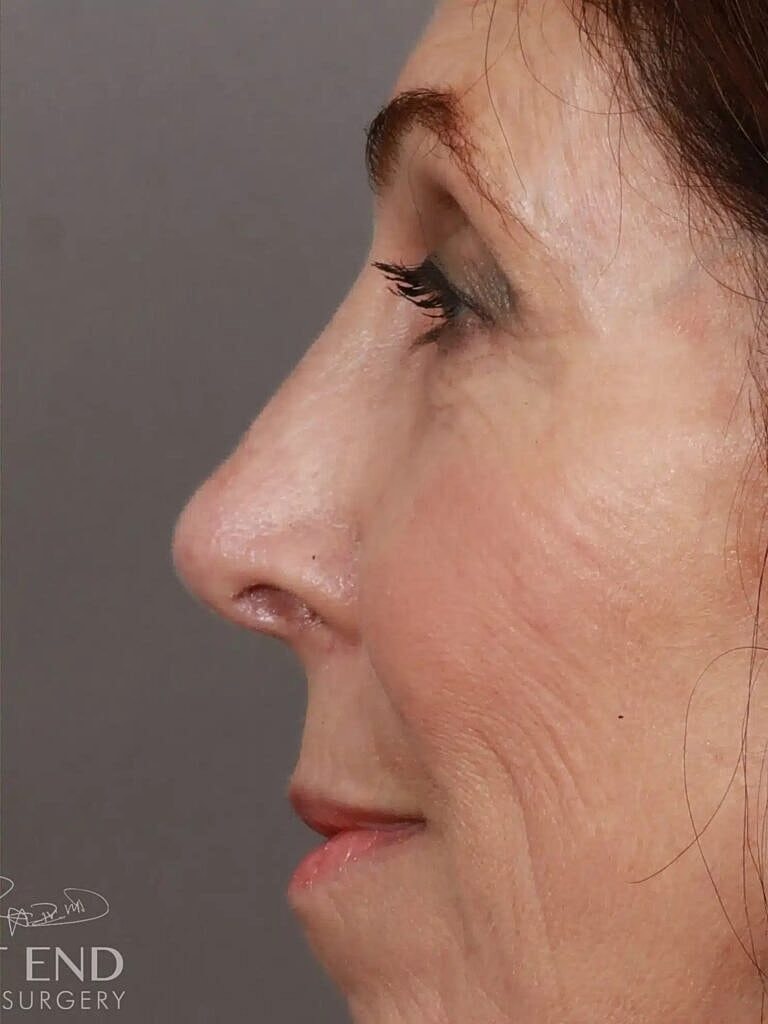
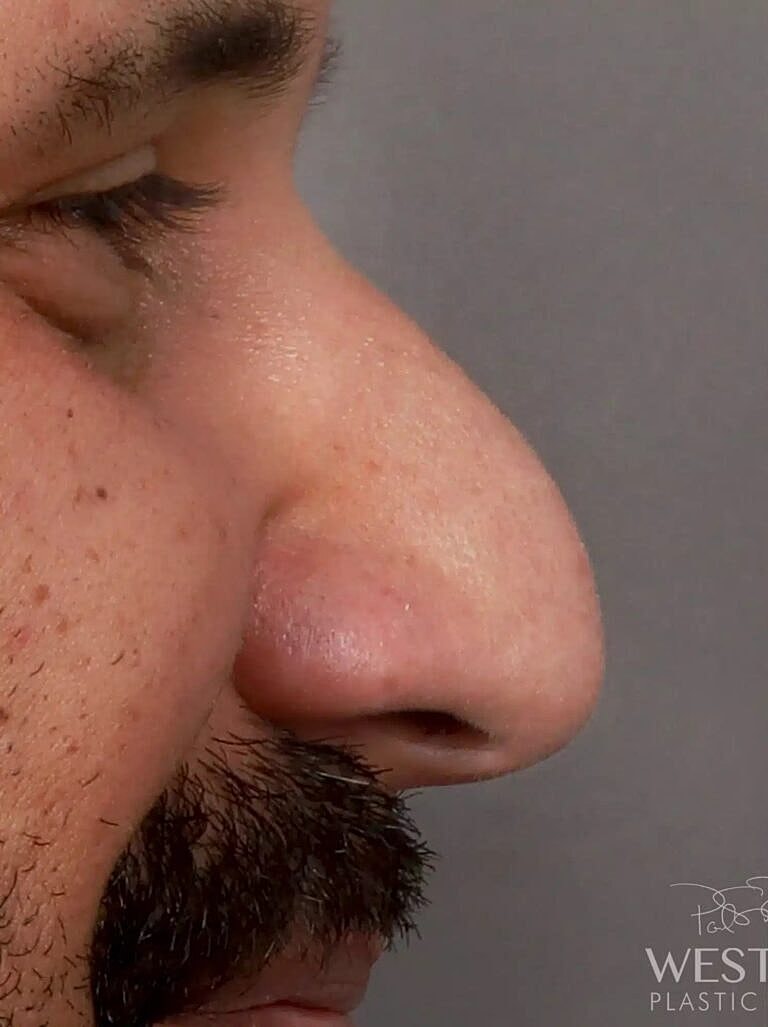
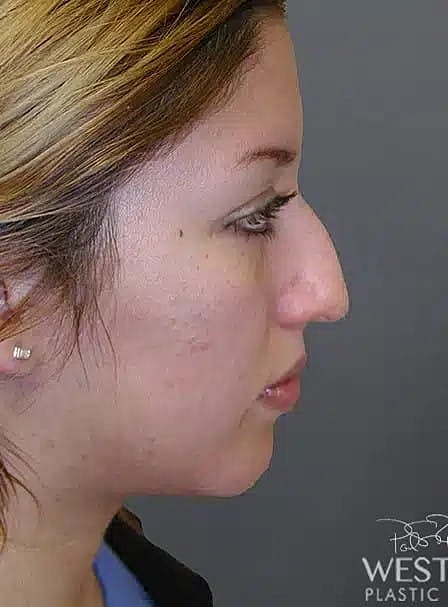
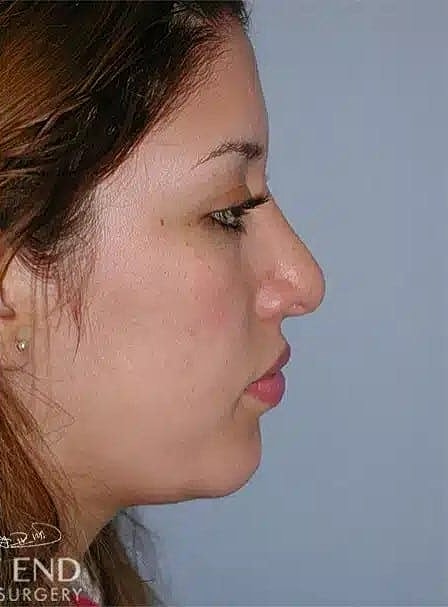
We’re as thrilled with our patients’ results as they are. Check out our before-and-after photo gallery and see for yourself the kind of work our talented surgeons do.
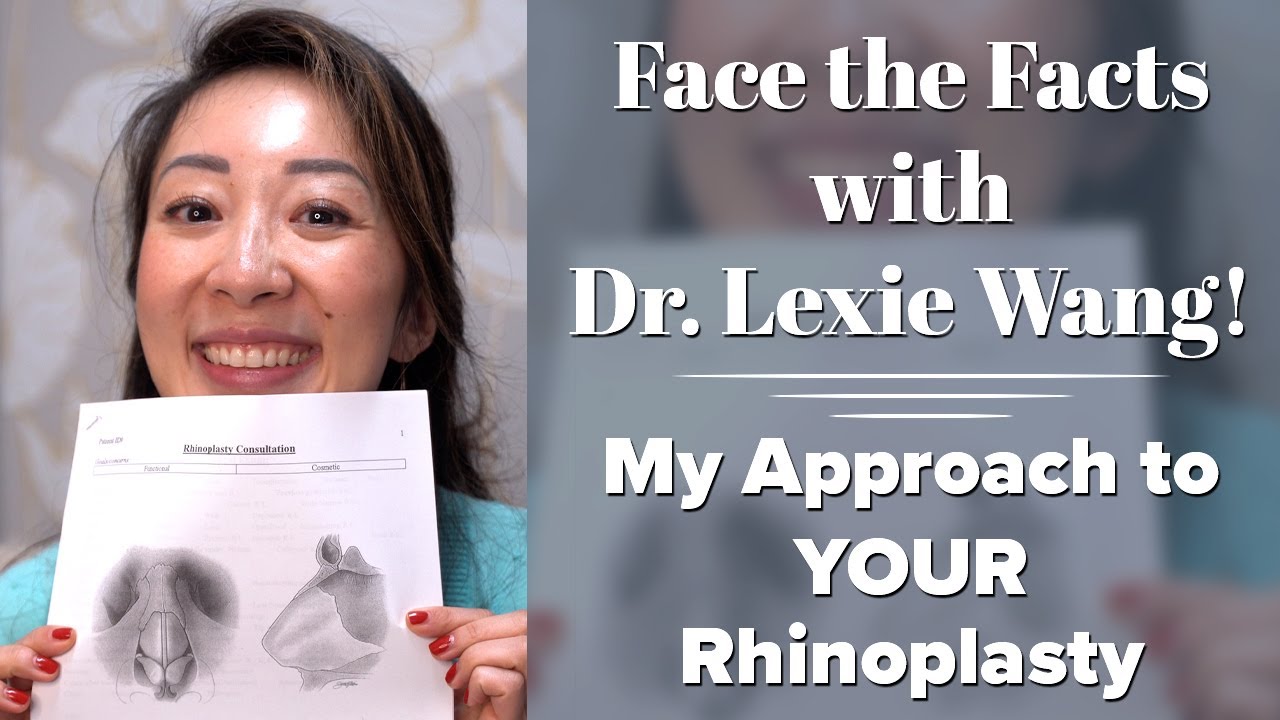
Prior to scheduling your nose surgery, you will have an extensive consultation with your surgeon and the team at West End Plastic Surgery. Your plastic surgeon will ask you to detail at length what you want your nose to look like after the surgery. Your nose and facial structure will be evaluated and the surgical possibilities will be discussed with you. Additionally, you may have the option to review digital simulations of your projected surgical result based on photos taken in our state-of-the-art photography studio.
The doctor will thoroughly explain the procedure and its expected result and answer any questions you have. If you are unhappy with the results of rhinoplasty by another surgeon, we will discuss the additional details associated with revision rhinoplasty.
*PLEASE NOTE: The consultation fee for primary rhinoplasty and revision rhinoplasty is $300. It will be applied towards the cost of the surgery should you decide to proceed with it.

The ideal candidates for rhinoplasty are men and women who are in general good health and who have realistic expectations about the procedure.
It is best to be at least 15 years of age before considering nose reshaping surgery to ensure that your nose is fully developed and will react well to the surgery.
The cost of a Rhinoplasty (Nose Job) starts at around $13,000.
The price will vary depending on the extent of treatment necessary to deliver your desired results. During your consultation, our surgeons will assess your cosmetic goals and develop a treatment plan tailored to meet them. The starting price is provided for your convenience, and it is important to note that it does not encompass facility or anesthesia fees. The comprehensive cost, inclusive of all potential fees, will be confirmed during your visit.
We also offer financing options, including CareCredit® and PatientFi®, to help you with the cost of your cosmetic surgery.

Primary rhinoplasty is the first rhinoplasty that a patient undergoes. In most cases, primary rhinoplasty yields ideal, permanent results and is the only surgery necessary. However, occasionally unfavorable results or future trauma can necessitate additional surgery. This is called a revision rhinoplasty. Although both procedures are performed similarly, revision rhinoplasty does require extra care around scar tissue. It’s also vitally important to choose a surgeon who fully understands your desires and offers you realistic expectations about your potential results. Our doctors are skilled at both primary and revision rhinoplasty techniques to give each of their patients the results they envision.
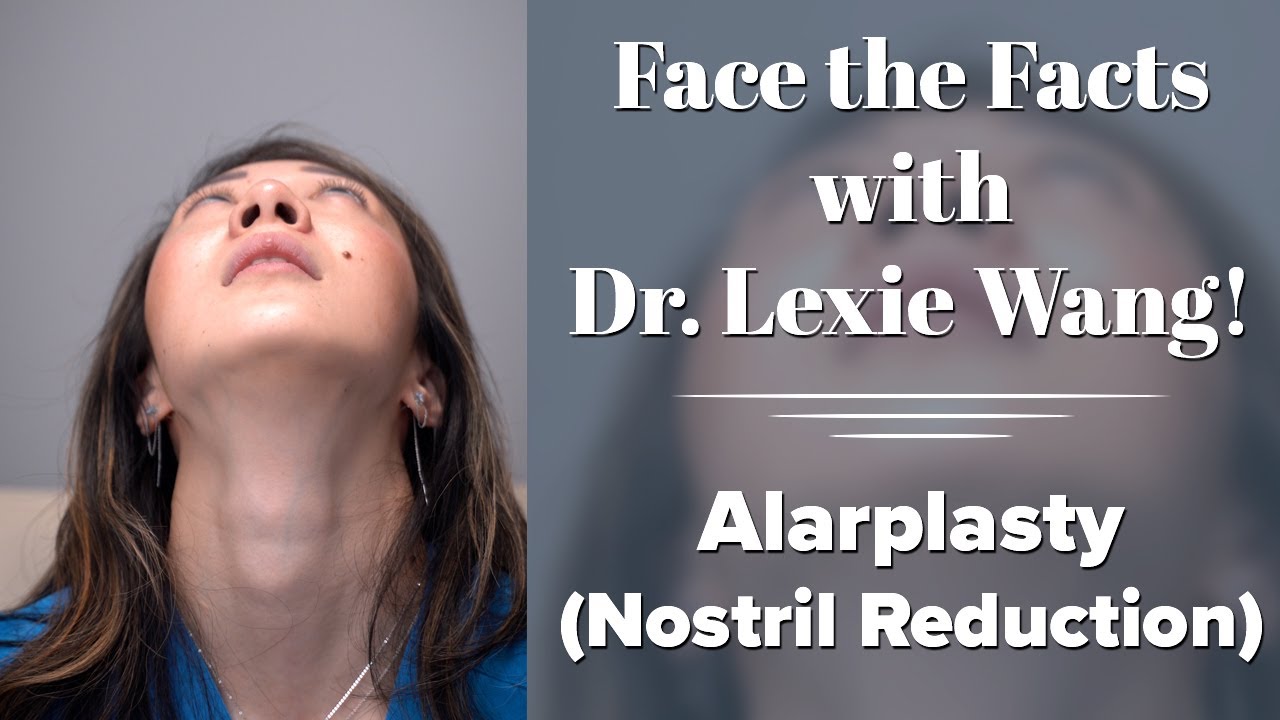
An alarplasty removes the excess skin and tissues from your nostrils to reduce the size of the nostrils. It does not address the dorsal hump or overall shape of the nose but can narrow the base of your nose. For those who are happy with their nose shape and only want to adjust their nostrils, alarplasty is the solution.
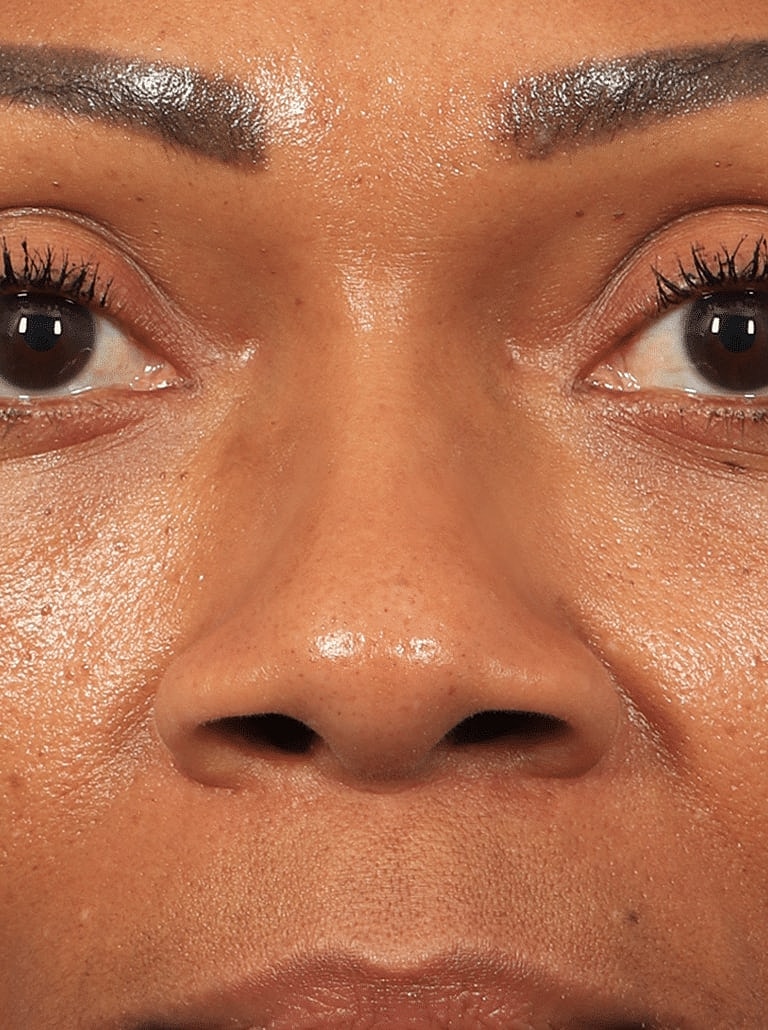
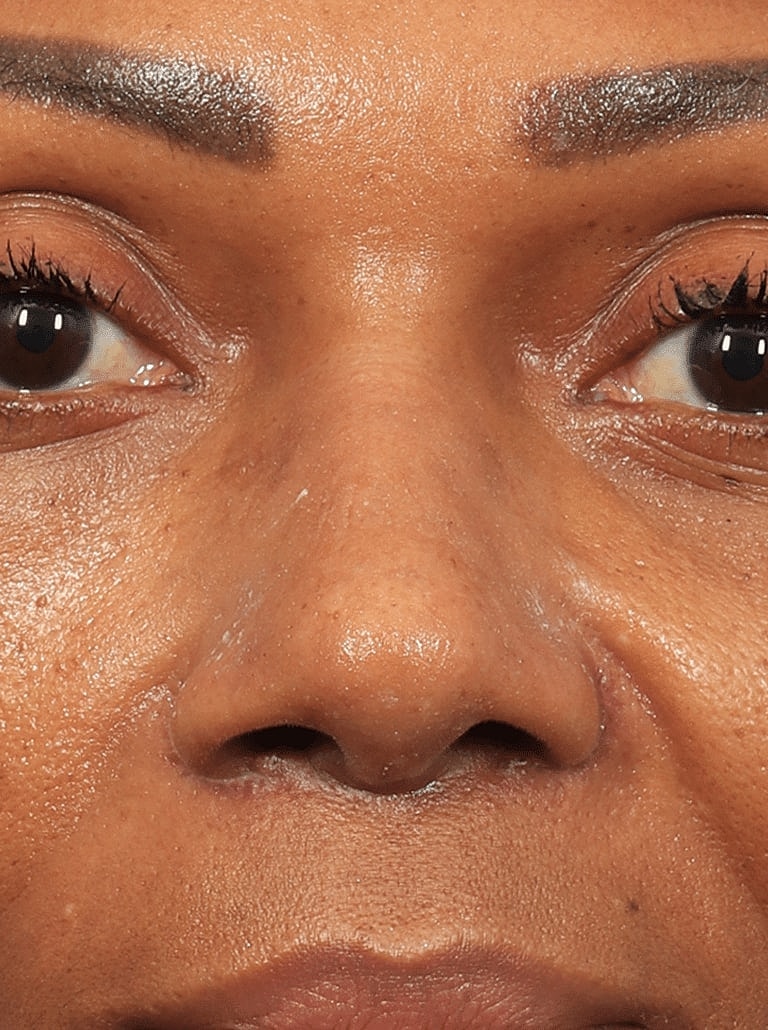
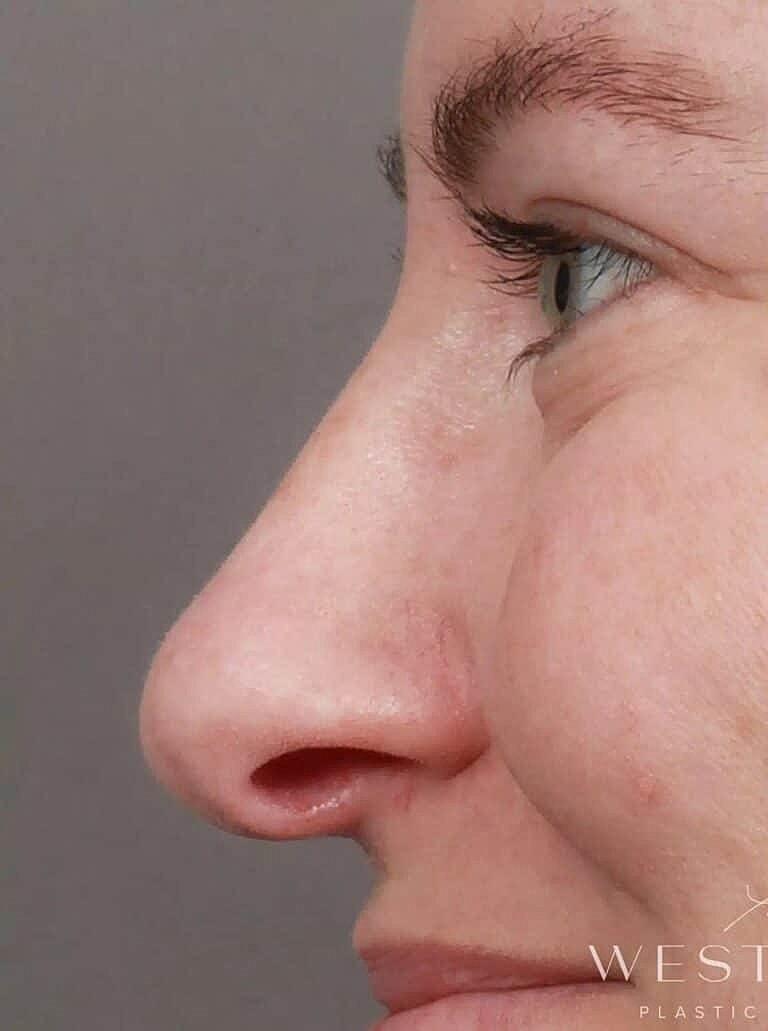
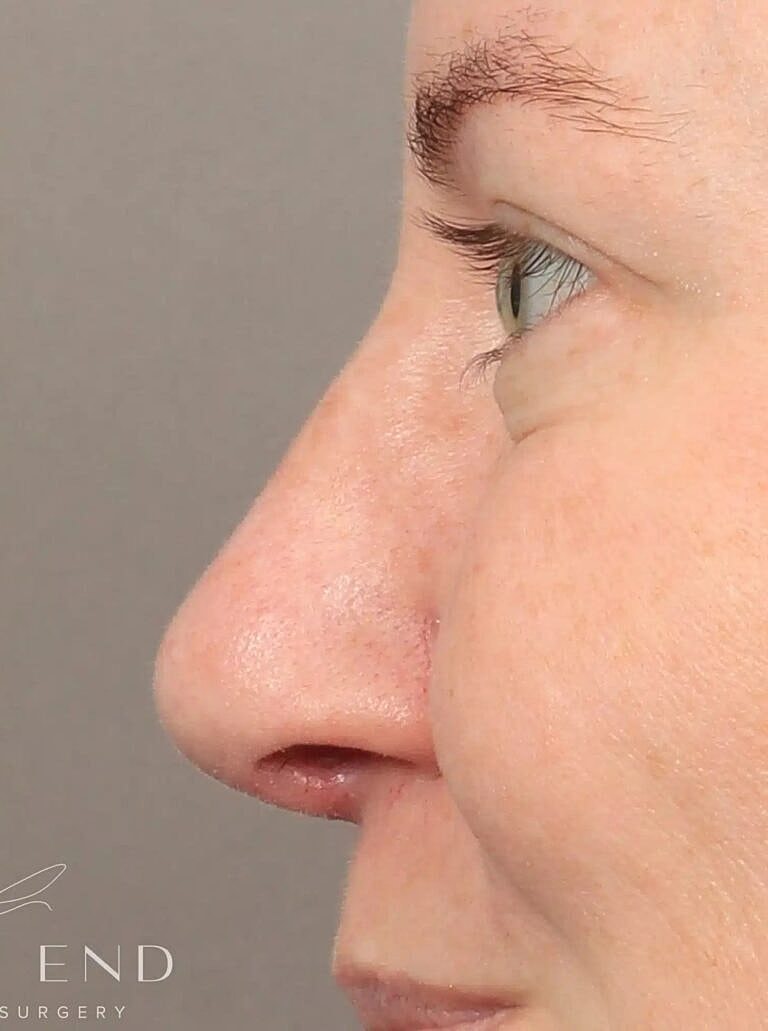
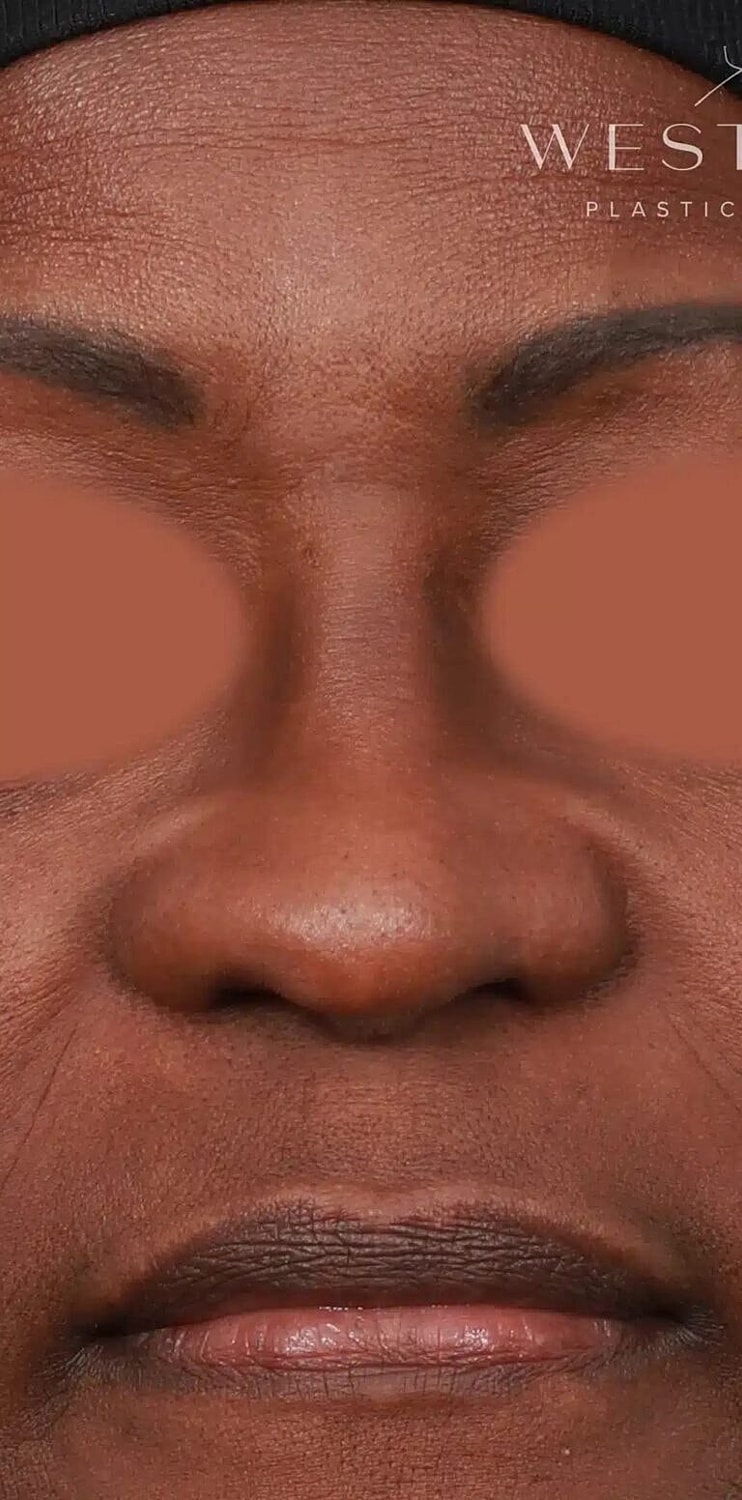
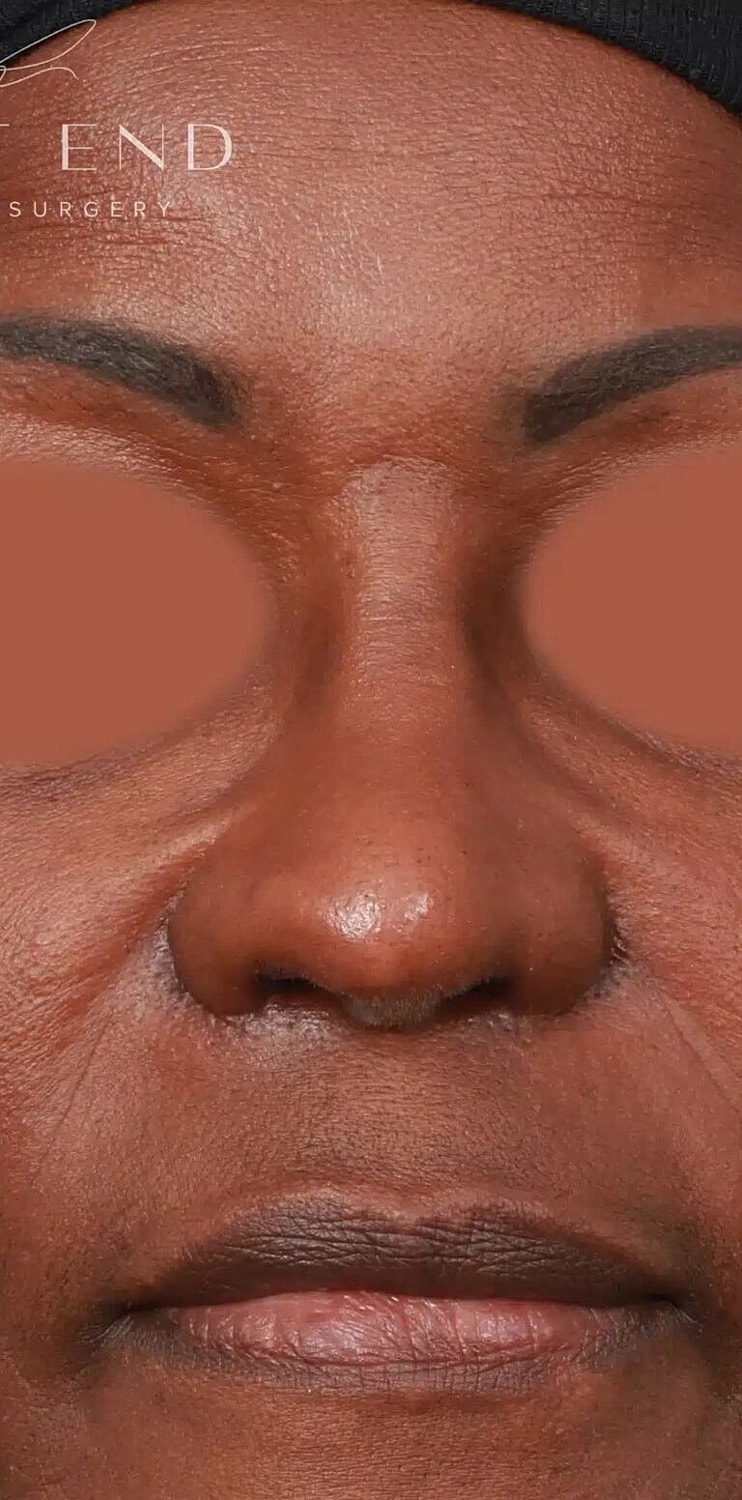
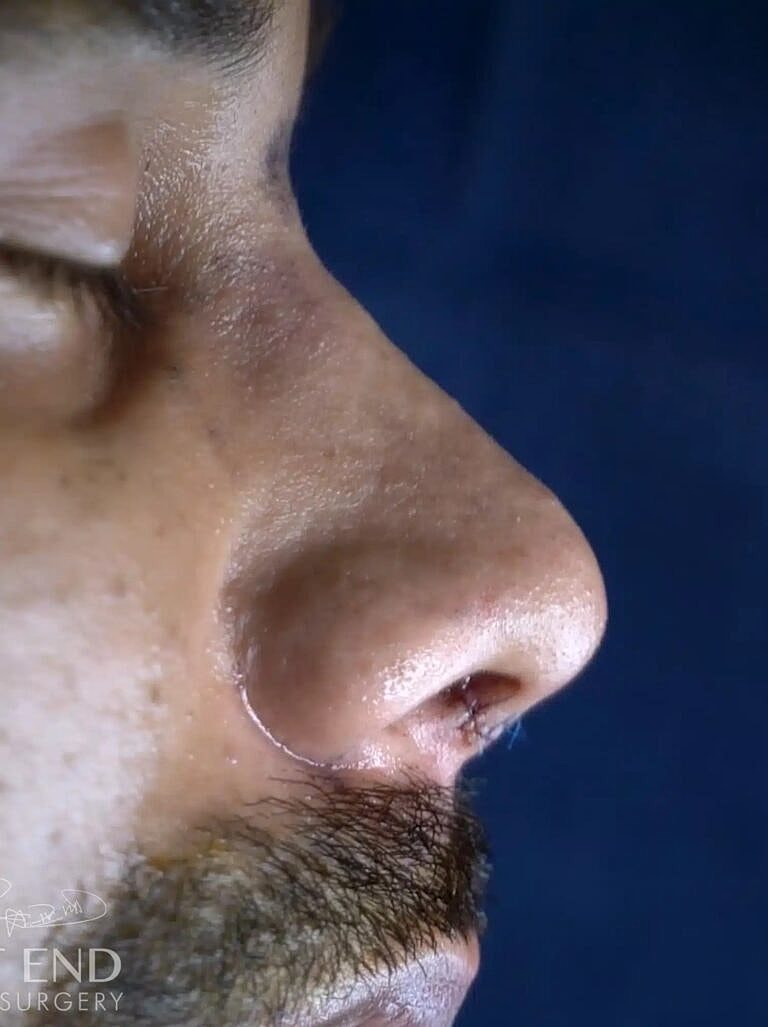
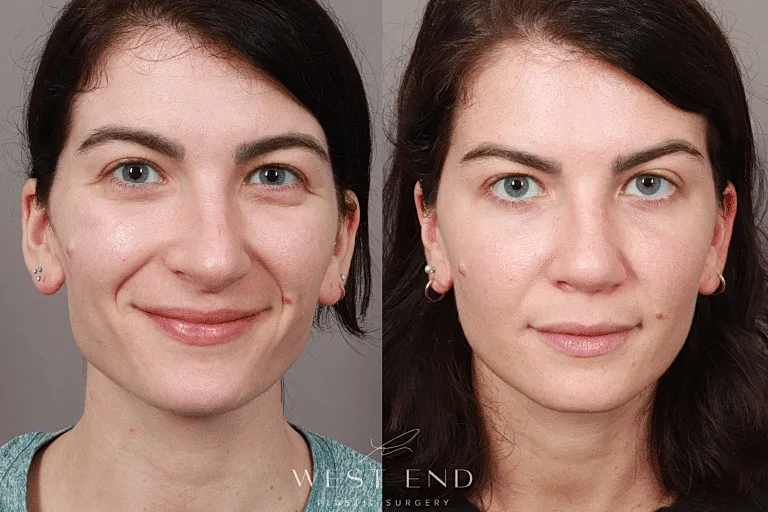
The results below are from an Alarplasty by Dr. Wang. The patient came to us after having 4 Rhinoplasty procedures performed by other doctors. Even after these four procedures, she remained unhappy with the width of her nostrils. She sought out care with Dr. Wang who performed a Revision Alarplasty to reduce the width of the base of her nose.
Yes. “Functional rhinoplasty” refers to a version of the surgery that improves the function of your nose without affecting its appearance. This is often performed to remedy a deviated septum and other irregularities that can affect breathing. Although your doctor may need to make very small alterations to the appearance of your nose, its overall size and shape can be preserved. Or, if you have both functional and aesthetic concerns, your doctor can change the look of your nose while improving your ability to breathe. During your consultation, you’ll talk more about the likely outcome you can expect.
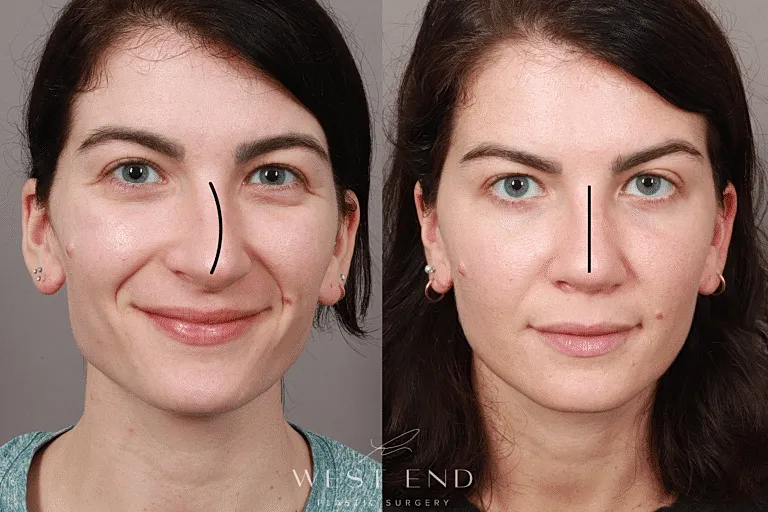
A deviated septum refers to a condition in which the thin wall (nasal septum) that separates the two nasal passages is displaced or deviated to one side. The nasal septum ideally should be centrally aligned, dividing the nasal cavity into two equal halves. However, due to various factors such as genetics, trauma, or developmental issues, the septum can be off-center, leading to a deviated septum.
Common symptoms of a deviated septum include difficulty breathing through one or both nostrils, nasal congestion, frequent nosebleeds, and a tendency to have sinus infections. In some cases, a deviated septum may not cause any noticeable symptoms.

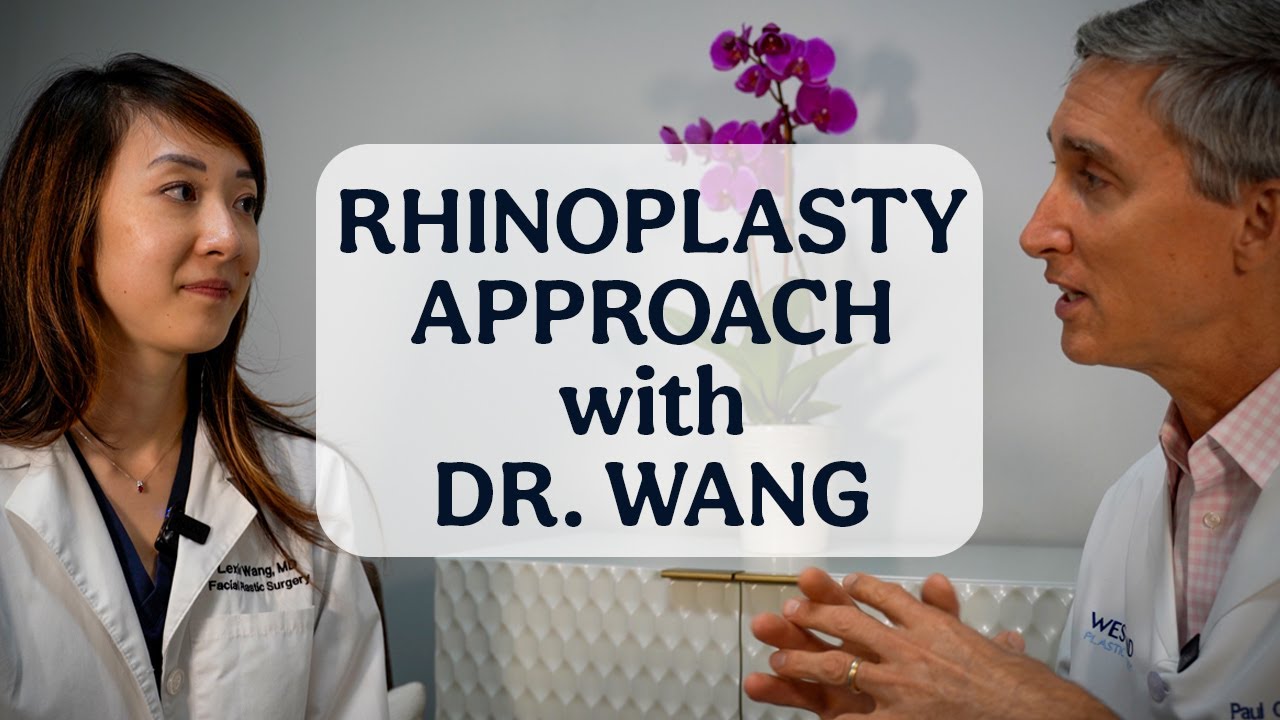
Your rhinoplasty surgery will be performed at the state-of-the-art surgical suite in our Georgetown plastic surgery center. The surgery can be performed either under general anesthesia or local anesthesia with sedation depending on what you and the doctor prefer. With general anesthesia, you will be completely asleep throughout the procedure. With local anesthesia, you will be lightly sedated and your nose and the surrounding area will be numbed. You will be awake, but will be relaxed and will feel no discomfort. The type of anesthesia used will be discussed with you at your initial consultation.
There are two methods for performing rhinoplasty: the closed technique in which the incision is made within the nose and the open technique in which the incision is made between the two nostrils. The type of surgery to be performed will be discussed with you when you meet with your surgeon. With either technique, the surgery generally lasts from one to several hours.
Once the incision is made, either within the nose or between the nostrils, the supporting nasal framework of bone and cartilage is accessed. If one of the goals of the surgery is to reduce the size of your nostrils, small incisions are made at their base for this purpose. The bone and cartilage are then sculpted to the shape you and the doctor agreed upon prior to surgery. When the sculpting is complete, the skin is redraped over the new framework of your nose. A splint is applied to protect your nose and help it maintain its new structure. Finally, small sutures are used to close the incision with extreme care.

Your surgeon may recommend using cartilage “grafts” during your surgery to help provide support or structure. These are generally created by borrowing cartilage from your septum (the dividing wall between the two nasal airways). The cartilage is removed, shaped as necessary, and then re-inserted and sutured into specific locations in and around your nose. If there is not enough cartilage within the septum (due to previous surgery or trauma), then other potential sources would include ear cartilage (without changing the look of the ear) or rib cartilage (often from a tissue bank). The following are some of the more common grafts that can be used during rhinoplasty:
Placed along the middle third of the nose to straighten the bridge or help open a collapsed airway.
Placed lengthwise between the nostrils to help support the tip. Can also be used to adjust the angle between the nose and upper lip.
Placed within the nasal tip to provide a long-lasting shape and structure.
Placed within the nostril rims to smooth the transition between the tip and the nostrils. Also, help prevent the nostrils from collapsing during breathing.
Placed under the “crease” that sits above the nostrils to further support and stabilize a collapsed airway.
Placed along the bridge to add projection or correct previous over-resection.

In some cases, structural support alone is not enough to correct nasal airflow issues. For patients experiencing persistent nasal obstruction or overactive nasal nerves, we offer additional treatments like:
Rhinoplasty surgery is typically performed on an outpatient basis and you go home shortly after the surgery.
You may be sleepy from the anesthesia and you will feel mild to moderate discomfort so it is important to have someone drive you home after your surgery. You may also want to have someone stay with you for the first few days after surgery.
In the first 24 hours after surgery, your face will feel puffy, your nose may ache, and you may have a dull headache. You can use the prescribed pain medication to alleviate much of this discomfort. Most patients are up and around one to two days after surgery. The swelling and bruising around your nose will increase at first, reaching its peak about two to four days after the surgery. Applying cold compresses will help ease the pain and reduce the swelling and bruising.
Your discomfort level will improve rapidly after the first two days. A little bleeding is common in the first day or so after surgery and you may continue to feel some nasal stuffiness for the first few weeks. All dressings, splints, and stitches are usually removed within one week after surgery.
You will notice a marked improvement in your discomfort level during the first few weeks after your surgery. You can most likely return to work approximately one to two weeks after your rhinoplasty unless your work is strenuous.


Activity | When |
|---|---|
| Out of Bed | As Soon as You Feel Comfortable |
| External/Internal Splints Removed | One Week After Surgery |
| Stitches Removed | One Week After Surgery |
| Back to Work | One to Two Weeks After Surgery |
| Contact Lenses | As Soon as You Feel Comfortable |
| Driving | As Soon as You Feel Comfortable and Not Taking Narcotic Pain Medication |
| Strenuous Activity | Three to Four Weeks After Surgery |
| Wearing Your Glasses | Four to Six Weeks After Surgery |
| Contact Sports | Six to Eight Weeks After Surgery |

Rhinoplasty isn’t known for creating excessive scarring. “Closed” procedures, which are made through the inside of the nostrils, don’t produce any visible scarring at all, while “open” procedures require only a small incision across the strip of skin that separates the nostrils. Although this incision won’t be noticeable to most people once fully healed, closely following your doctor’s instructions can ensure an even more discreet result. It’s also important to protect the incision from the sun in the days, weeks, and months following surgery. Unprotected sun exposure can cause pigmentation irregularities and a more noticeable scar.

Nose surgery can reshape, resize, and enhance the appearance of your nose. In most cases these results are permanent. Of course, your face, including your nose, will continue to change as you age.

Rhinoplasty isn’t known for creating excessive scarring. “Closed” procedures, which are made through the inside of the nostrils, don’t produce any visible scarring at all, while “open” procedures require only a small incision across the strip of skin that separates the nostrils. Although this incision won’t be noticeable to most people once fully healed, closely following your doctor’s instructions can ensure an even more discreet result. It’s also important to protect the incision from the sun in the days, weeks, and months following surgery. Unprotected sun exposure can cause pigmentation irregularities and a more noticeable scar.
All surgical procedures have some degree of risk, however, major complications from rhinoplasty are unusual. During your initial consultation, your individual risks will be assessed and discussed. As with any surgery, you can help reduce the risks by closely following the pre and post-surgery instructions provided to you. Your surgeon and his staff will be with you every step of the way to ensure a safe and pleasing outcome.
Most likely risks include the following:

Several surgical procedures can enhance your facial appearance and give you a more youthful and less tired look. These include:
In some cases, your rhinoplasty may be covered by your insurance company. Please contact your insurance provider to confirm coverage. Be advised West End Plastic Surgery does not participate with any insurance provider and you are responsible for the full payment of the procedure. Cost and payment information will be fully discussed with you during your initial consultation.
Our surgeons are experts in rhinoplasty and will ensure that you have a safe and comfortable procedure and an outcome you are pleased with. To get started, request a consultation online, or call our office at (202) 785-4187 to schedule an appointment.

Most rhinoplasty procedures seek to achieve similar results, which involve reshaping and refining some part of your nose. To achieve your specific goals, your surgeon may explore the benefits of an open or closed rhinoplasty. These are the most common types of nose jobs that are performed.
Open rhinoplasty is a more comprehensive procedure in which an incision is made between the nostrils to access internal structures. This approach may be more advantageous if significant reshaping is needed to achieve the most attractive outcome.
Closed rhinoplasty is a more conservative surgical technique that involves making incisions inside the nostrils. No visible scarring occurs due to the location of the incisions. However, the amount of reshaping that can be done through a closed rhinoplasty is minimal.
Some rhinoplasty procedures are neither open nor closed, but instead focus solely on the tip. Some people refer to this approach as tip-plasty.
There are two stages to your rhinoplasty recovery, after which your results are definitive. The first stage involves the decrease of visible swelling and bruising. That stage can take about two weeks to complete to the point at which you feel comfortable returning to work and social engagements. Keep in mind that, at the two-week mark, moderate swelling may still remain. This final side effect takes up to one year to resolve. You may notice what we call “semi-final” results as soon as three months after your rhinoplasty procedure. By that time, the majority of your swelling should be gone. From then on to 12 to 14 months post-op, minor changes related to swelling may continue. These, however, are so gradual and subtle that you may not even notice.
Swelling and a sense of congestion are two of the primary side effects to contend with during the first week or two of your recovery. To mitigate them, it’s wise to sleep on your back with your head elevated. You may feel most comfortable sleeping in a recliner for the first few days. If this is not an option, stack a few pillows behind your head and also around you. Sleeping like this can keep you more comfortable, prevent unnecessary congestion, and also prevent accidental disruption of the healing process.
To be a good candidate for rhinoplasty, your face must be fully developed. This usually occurs between ages 15 and 18. To ensure that younger patients can achieve satisfying, lasting results, Dr. Ruff, Dr. Arsalan, and Dr. Wang, drawing from their years of advanced training and clinical experience, perform a careful assessment of structural maturity. Adults of all ages can undergo rhinoplasty provided that they are in good health and have realistic expectations of their surgical outcome.
Rhinoplasty procedures may be performed using sedation or general anesthesia. In either scenario, a local or regional anesthetic is also often used. The type of anesthesia that is ideal for you will be identified and discussed during your consultation with Dr. Ruff, Dr. Arsalan, or Dr. Wang. At that time, you can expect to receive answers to your various questions about the procedure, anesthesia, recovery, and more.
Nasal packing used to be the norm for patients recovering from a nose job. Today, it is used far less frequently. At the conclusion of your procedure, the surgical team will most likely apply a silicone nasal splint to help secure the new contours of your nose. If packing is needed, it may stay in your nose for only a couple of days. You may be able to remove it at home on your own or with the help of a loved one. This is another aspect of your recovery that Dr. Ruff, Dr. Arsalan, or Dr. Wang can discuss with you well in advance of your surgery.