Short Scar Facelift
in Washington, D.C.

We see ourselves in ways that no one else does. As we age, at some point we look in the mirror, and the person looking back is not quite who we remember. Youth and vitality have given way to something less vibrant.
A short scar facelift offers maximal rejuvenation with minimal, hidden incisions. Known as an S Lift, it focuses on repairing the lower two-thirds of the face, including sagging cheek skin and jowls, and enhancing the youthful contours of the mid-face. Shorter incisions frequently mean shorter recovery, which is attractive to busy professionals.
West End Plastic Surgery, which serves the D.C. region, including Reston and Alexandria, is chosen by facelift patients who want a personalized plan to achieve their rejuvenation goals. Request a consultation online to meet with Dr. Ruff or call the office at 202-785-4187 to schedule an appointment.
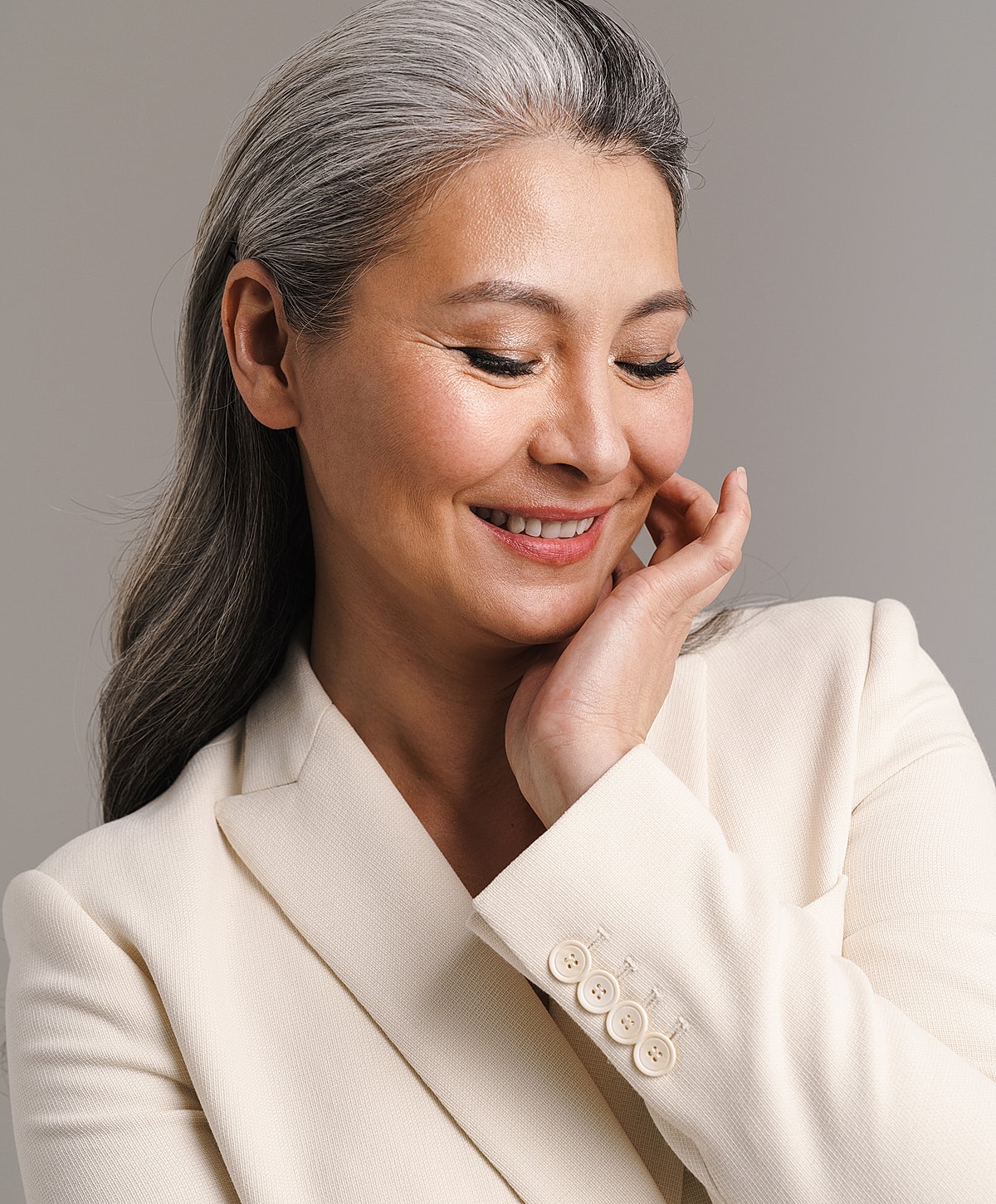

An S Lift, also known as a short scar facelift or mini facelift, is a specialized facial rejuvenation procedure designed to refresh the lower face and neck using smaller, discreet incisions.
The innovative S Lift technique involves a gently curved S-shaped incision placed along the natural contours of the ear and hairline, allowing your surgeon to tighten underlying tissue, reposition fat, and remove or redrape excess skin to restore youthful definition. By focusing on the lower third of the face—where jowls, sagging skin, and deep folds often appear—the S Lift facelift creates smoother, firmer contours without the extended downtime of a traditional facelift.
Because the S Lift procedure is less invasive than a full facelift surgery, it offers a shorter recovery time. This makes it an excellent option for patients with mild to moderate skin laxity who want a refreshed look but aren’t ready for a more invasive facelift. Performed under either general anesthesia or local anesthesia and light sedation, S Lift surgery delivers long-lasting results that look like you, only younger and more vibrant.
We’re as thrilled with our patients’ results as they are. Check out our before-and-after photo gallery and see for yourself the kind of work our talented surgeons do.
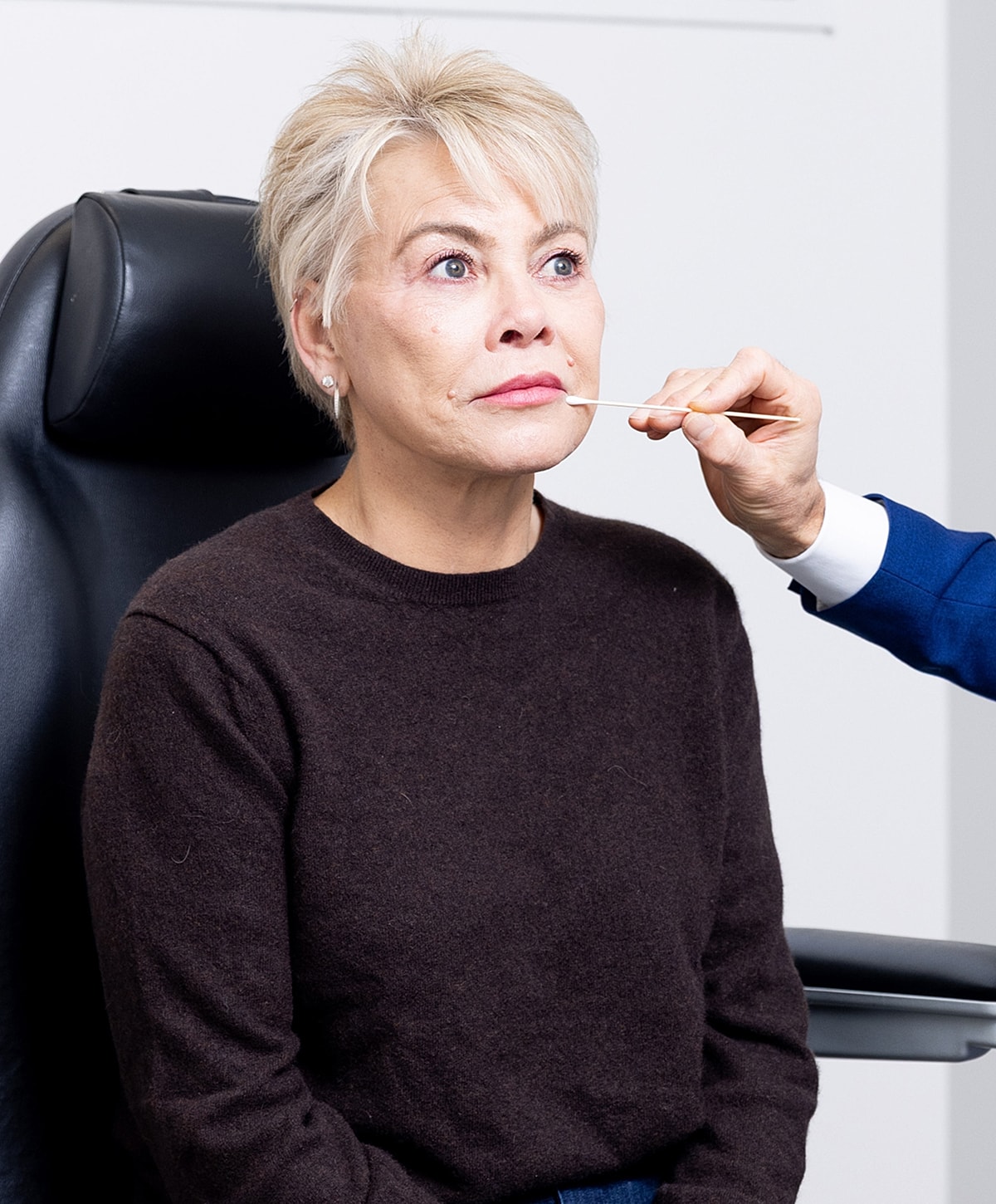
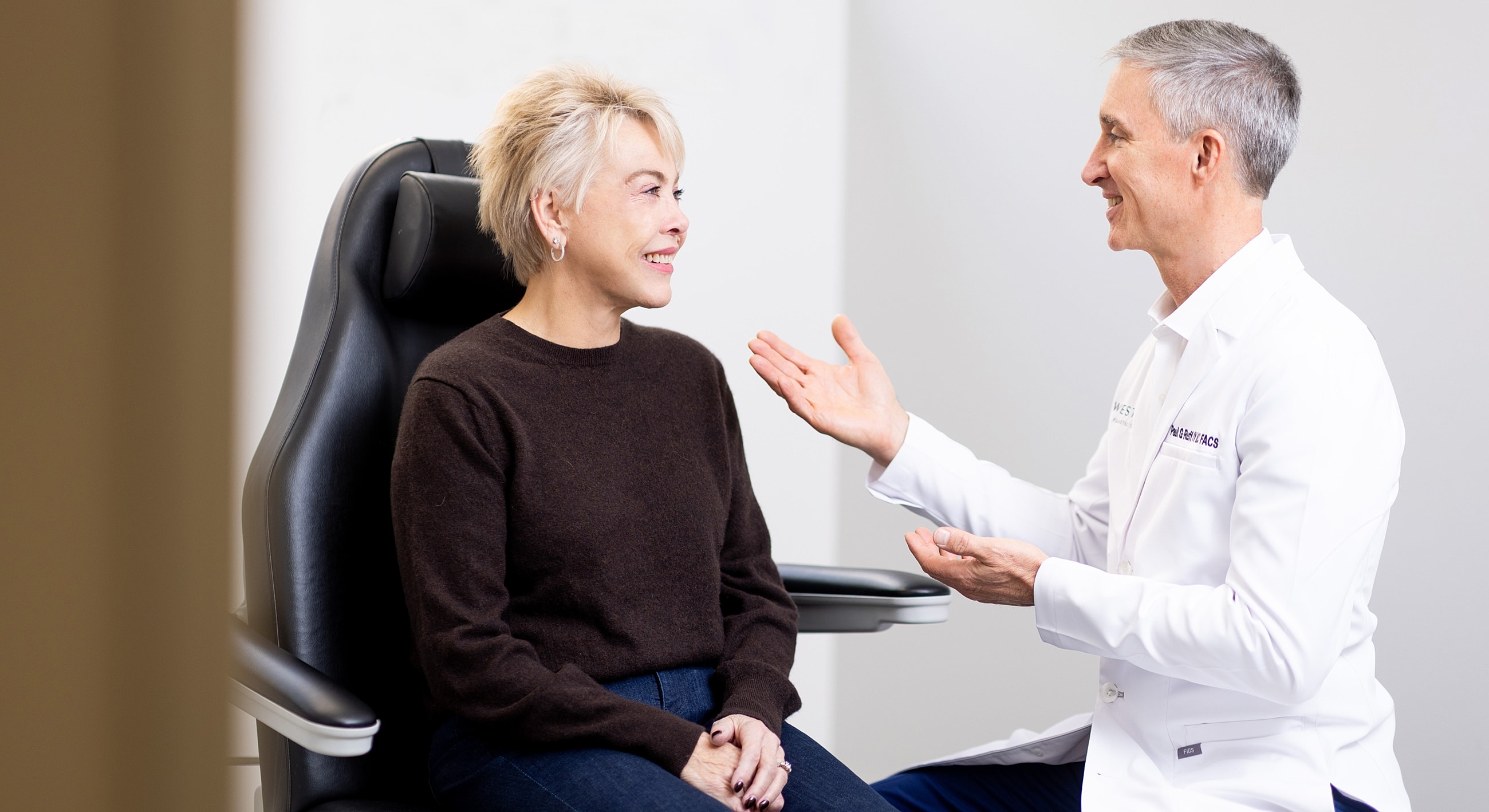
Prior to scheduling your facelift, you will have an extensive consultation with your board-certified surgeon and the team at West End Plastic Surgery. The goals of the consultation are to evaluate your facial and neck structure, skin elasticity, and facial volume, and underlying muscle tone to determine if an S Lift is right for you. Adjunctive procedures will be recommended if needed to create harmonious rejuvenation. Your plastic surgeon will thoroughly explain each technique along with its risks, benefits, and recovery times. You will be asked to describe in detail how you want your face and neck to look after your S Lift. Working together, you and the doctor will decide which technique will give you the results you desire.
Your plastic surgeon and his staff at West End Plastic Surgery will:
You will be asked to provide:
Details about your medical history

Your S Lift procedure will be performed in our state-of-the-art AAAASF-certified surgical suite. Your S Lift will take between 2 to 4 hours to complete and can be performed either under general anesthesia or local anesthesia with sedation, depending on what you and the doctor prefer. With general anesthesia, you will be completely asleep throughout the procedure. With local anesthesia, you will be lightly sedated, and your face and neck area will be numbed. You will be awake but will be relaxed and will feel no discomfort. The type of anesthesia used, our surgical facility, and any other recommended procedures will be discussed with you at your initial consultation.
Your surgeon will make an incision beginning at your hairline or within the hair at the temple, extending within the natural lines and contours of the ear. Rarely, the incision is carried a short distance behind the earlobe. If your neck is also being lifted, your surgeon will make a small incision under your chin. The incisions are designed to be inconspicuous once healed.
Once the incisions are made, your surgeon carefully separates the skin from the fat and muscle below. If necessary, fat is trimmed or suctioned from around the neck to improve the contour of your neck, chin, and jawline. The doctor then tightens the underlying muscle and support structures, redrapes the skin, and removes any excess skin. If any additional procedures are included, they will be performed at this time to complete your rejuvenation.
Once the procedure is complete, your surgeon uses stitches to secure the layers of tissue and to close the incisions. Surgical clips may be used to secure the scalp. A small thin tube called a drain may be temporarily placed under the skin behind your ear to help drain any blood that might collect there. Your head is wrapped with gauze dressings to help reduce swelling.
The S Lift, also known as a short scar facelift or mini facelift, is designed to treat early to moderate signs of aging in the lower face and neck.
The innovative S Lift technique reduces jowls, sagging skin, and deepening folds around the mouth and nose, often called nasolabial folds. By repositioning underlying tissue and tightening skin, the S Lift procedure restores youthful contours to the lower third of the face without the longer downtime associated with a full facelift. Many patients also choose to combine the S Lift with a neck lift or other procedures for more comprehensive facial rejuvenation.

The S Lift offers a unique combination of subtlety and impact.
Using smaller, S-shaped incisions placed around the ear and hairline, S Lift surgery minimizes visible scarring while tightening tissue and repositioning fat for a naturally youthful appearance. Because it’s a minimally invasive facelift technique, most patients enjoy a shorter recovery time than with a traditional facelift, allowing them to resume normal activities within weeks.
This lift technique softens deep folds and sagging skin and refreshes the lower face and neck without the overdone look often associated with older methods. Many patients report improved self-confidence, feeling their outward appearance better matches their inner vitality.
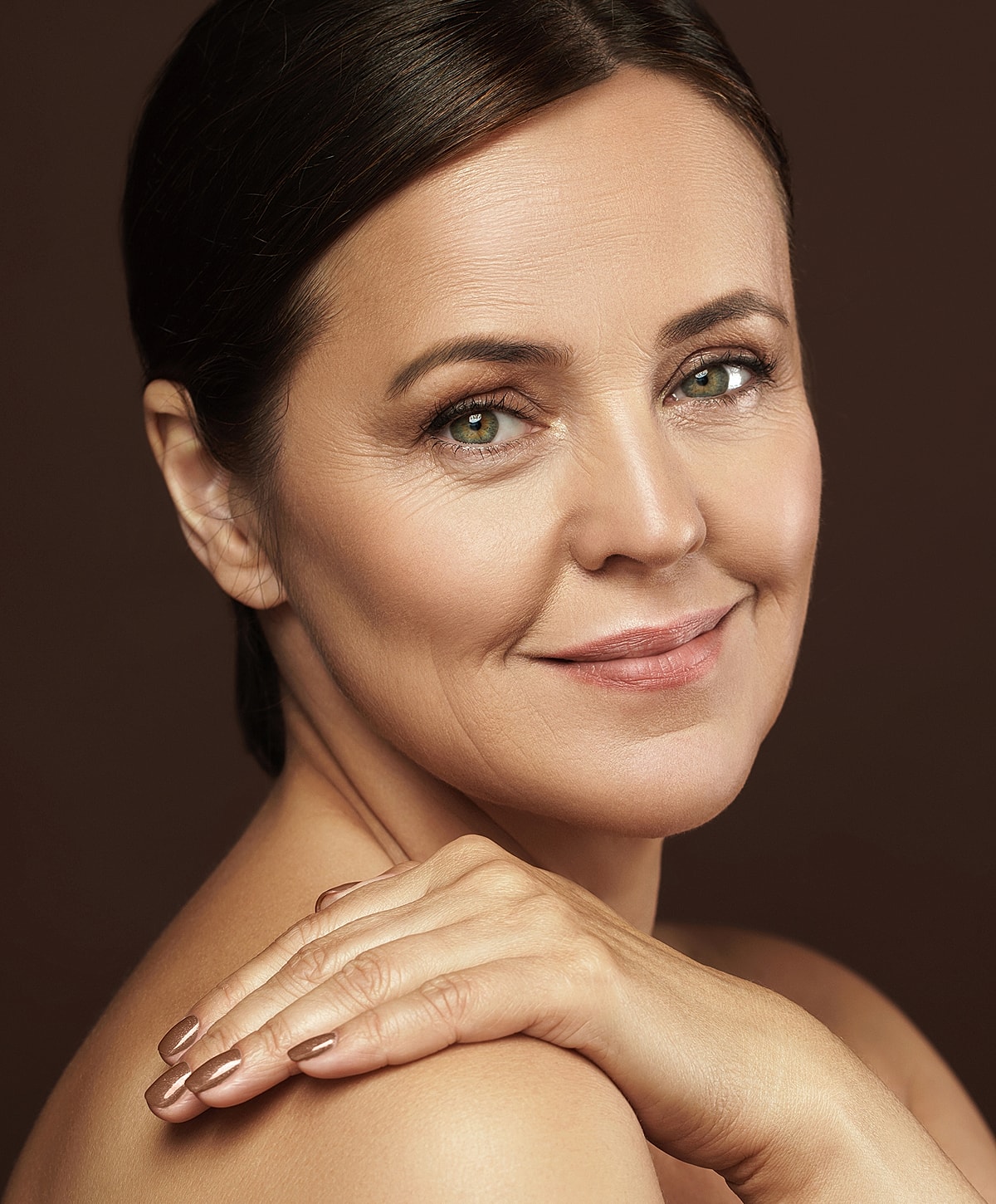
The best candidate for an S Lift is a man or woman whose cheek skin has begun to sag with early jowls starting to form, but whose skin still has some elasticity, whose bone structure is strong and well defined, and whose neck skin tone is still good. Most patients are in their late 30s to 50s, but S Lifts can be successfully performed on people well into their 60s and 70s. Some patients with minor signs of facial aging may be candidates for a non-surgical approach. Dr. Ruff can discuss minimally invasive options such as Ultherapy® skin tightening instead of or in addition to surgery.
If you are generally healthy, have realistic views about the results that can be achieved with an S Lift, and have any of the following conditions, you may be a good candidate for the procedure:
Loss of skin elasticity or muscle tone on your face or neck
Wrinkles or furrows on your face or neck
Deep creases forming between the bottom of your nose and the corner of your mouth
A diminished jawline
Activity | When |
|---|---|
| Drainage Tubes Removed | 1 to 5 Days After Surgery |
| Bandages Removed | 1 to 5 Days After Surgery |
| Shower & Shampoo Hair | The Day After Bandages Are Removed |
| Stitches Removed | 5 to 7 Days After Surgery |
| Return to Work | 2 to 4 Weeks After Surgery |
| Driving | As Soon as You Are Comfortable and Do Not Require Narcotic Pain Medication |
| Strenuous Activities | 2 to 6 Weeks After Surgery |
| Fading of Scars | Several Months to 1 Year |
In most cases, S Lift surgery is performed on an outpatient basis, and you go home shortly after the surgery. You may be sleepy from the anesthesia, and the surgical area will be sore, so you will need to have someone drive you home. Once you go home, you may want to have someone stay with you for the first few days. There will be some bruising, swelling, and numbness. You will need to keep your head elevated and avoid any strenuous activity for a few days after surgery to help reduce the swelling and avoid complications. Pain medication will be prescribed to alleviate as much post-surgery pain as possible.
You may experience some numbness and temporary discomfort around the incisions.
Any pain or discomfort you experience can be controlled with prescribed medication. You will also experience swelling and some bruising. You will need to keep your head elevated for the first few days after surgery to reduce the swelling of your face and neck. Your discomfort level will improve rapidly after the first 2 days.
Your surgeon will remove your bandages at your first postoperative visit. There may be a small amount of bleeding around your incisions. This is normal and can usually be controlled by applying light pressure to the area. If the bleeding does not respond to light pressure or becomes heavy, call West End Plastic Surgery for further instructions.
You can usually wash your hair 48 hours after surgery (or 24 hours after the drains are removed). However, if you dry your hair, keep the dryer on the lowest setting because your scalp may be numb, and there is a risk that you might burn yourself.
Although you will be up and around in the first few days after your surgery, you should take it easy for the first week. Your stitches and any surgical clips used will be removed within 5 to 7 days after surgery. You can begin using makeup 2 days after your stitches are removed. Most patients are back to work within 2 weeks of surgery.
You will notice that you will become increasingly more comfortable during the first few weeks after your surgery. You may also notice:
Everyone heals at different rates, and you are the best judge of when you are ready for certain activities, but the following are general guidelines:

An S Lift removes excess skin and repositions fat and muscle to reduce jowls and smooth the jawline for a more youthful appearance. These results generally last between 5 to 10 years, or longer in many cases. It is important to keep in mind that the effects of aging, gravity, and environmental factors will continue to affect the smoothness, sagging, and wrinkling of your face and neck. Meticulous skin care is critical to maximize the effectiveness and longevity of your surgical results.
At West End Plastic Surgery, each S Lift procedure is performed by a board-certified surgeon with advanced training in facial plastic surgery.
Our team takes the time to understand your medical history, facial anatomy, and aesthetic goals to design a lift that enhances your natural beauty. By combining the S Lift technique with other complementary procedures when needed, we help you achieve long-lasting results that feel authentic to you.
From your initial consultation, where all your questions are answered, to your recovery, our surgical team prioritizes patient safety, minimal complications, and outcomes that restore confidence and balance.
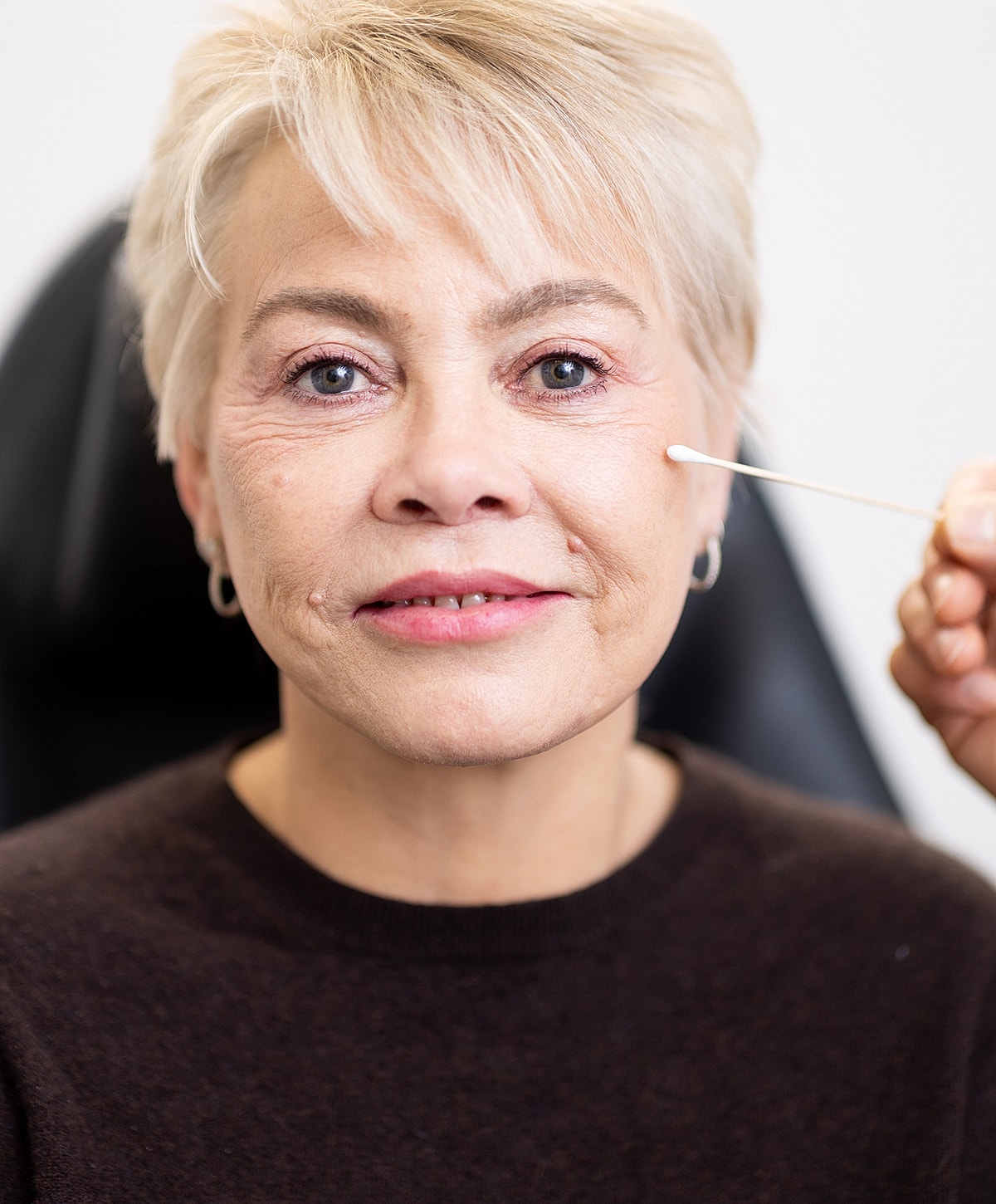
An S Lift is often performed in conjunction with a neck lift, brow lift, eyelid surgery, structural fat grafting, or laser resurfacing to enhance the overall youthful appearance. BOTOX® Cosmetic injections are a non-surgical alternative that may temporarily reduce the amount of lines and wrinkles in your face and neck.
An S Lift is considered cosmetic surgery and, therefore, is not covered by insurance. You are responsible for the full payment of the procedure. Cost and payment information will be fully discussed with you during your initial consultation.
Botox injections and fillers are non-surgical alternatives to a facelift. These injections can reduce or eliminate lines and furrows that cause wrinkles. Meticulous skin care may also help improve the tone, texture, and occasionally the contour of your facial skin. Laser resurfacing and chemical peels may also provide a less invasive alternative to surgery.
All surgical procedures have some degree of risk; however, major complications from S Lift surgery are rare. During your initial consultation with Dr. Ruff and the staff of West End Plastic Surgery, your individual risks will be assessed and discussed. As with any surgery, you can help reduce the risks by closely following the pre- and post-surgery instructions provided to you. Your surgeon and his staff will be with you every step of the way to ensure a safe and pleasing outcome.
Most likely risks include the following: