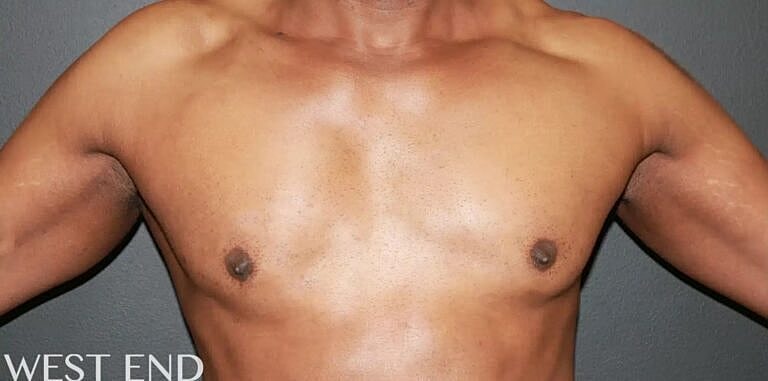
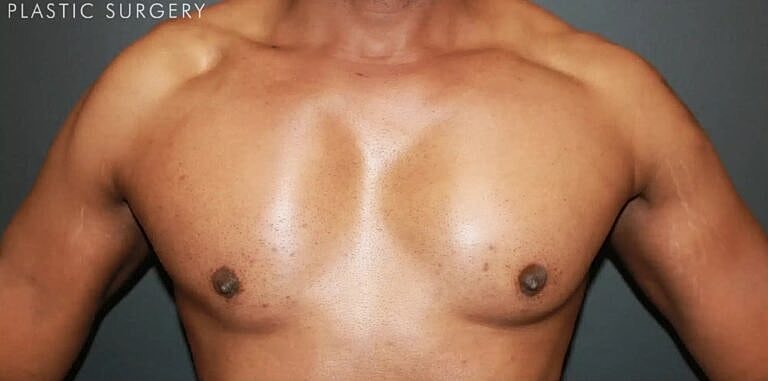
Body Implants in Washington, D.C.


When diet and exercise do not give you the shape and contour you want for certain areas of your body, you can surgically enhance those areas with body implants.
Implants can be used in areas such as the calves, the biceps, the buttocks, or the pectorals. In some cases, body implants are used to correct congenital and physical deformities caused by conditions such as polio, spina bifida, and Poland’s Syndrome that affect muscle growth.
Calf implants are used to correct deficiencies in muscle tone and definition, add bulk, or create anatomical balance. With bicep implants, the upper arm area is given muscle definition and increased mass and fullness. A buttock implant is used primarily by women to enhance the appearance, size, and definition of the gluteal muscles. A pectoral implant is appropriate for men who want to shape, enlarge, or firm chest muscles that have not responded to weight-lifting exercises. Working with Dr. Paul G. Ruff IV, M.D., F.A.C.S., Dr. Amir Arsalan, or any of our board-certified plastic surgeons at West End Plastic Surgery, you can decide if implant surgery is right for you and be assured of a safe and pleasing outcome.


If you are in good health and have tried to enhance your muscle mass and definition through weight lifting exercise with no success, you may be an ideal candidate for Washington, D.C. body implant surgery. Dr. Ruff and Dr. Arsalan the team at West End Plastic Surgery will discuss which procedure is right for you, outline the limitations of the procedures, and make sure you achieve the results you desire.
1 of 3
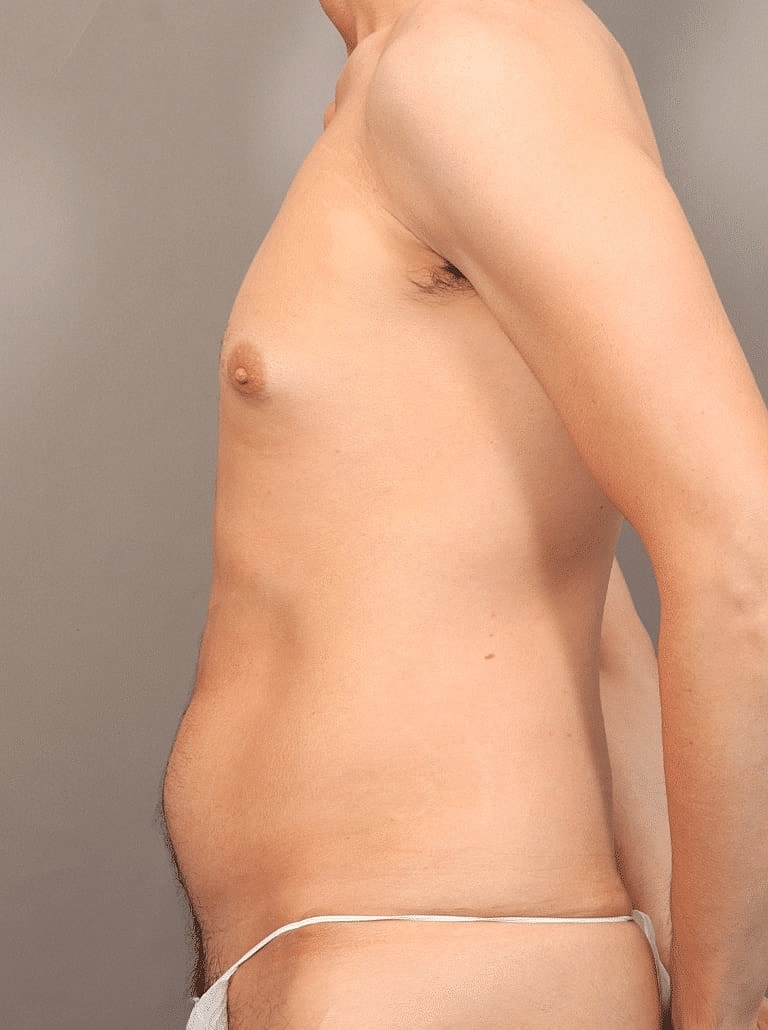
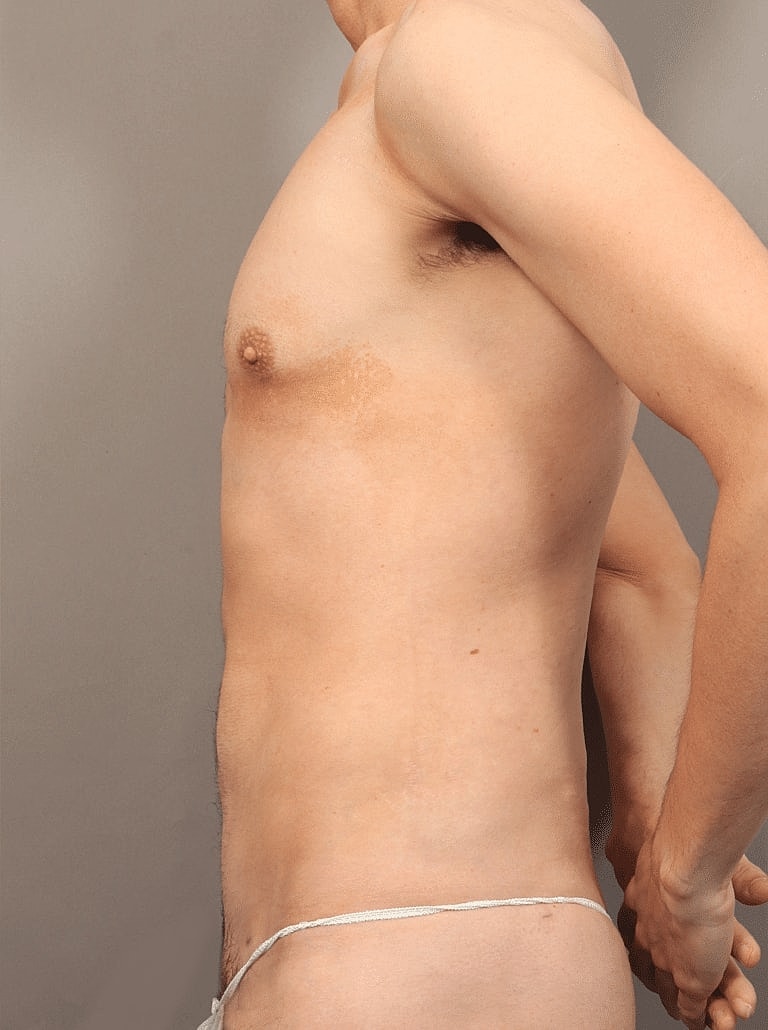
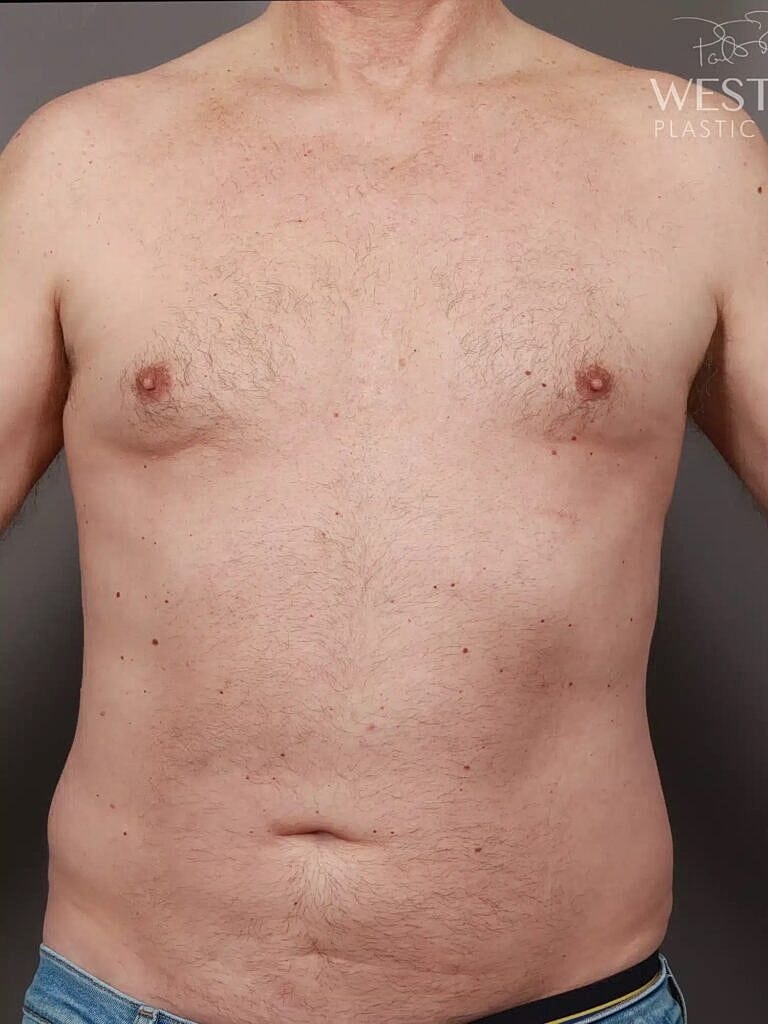
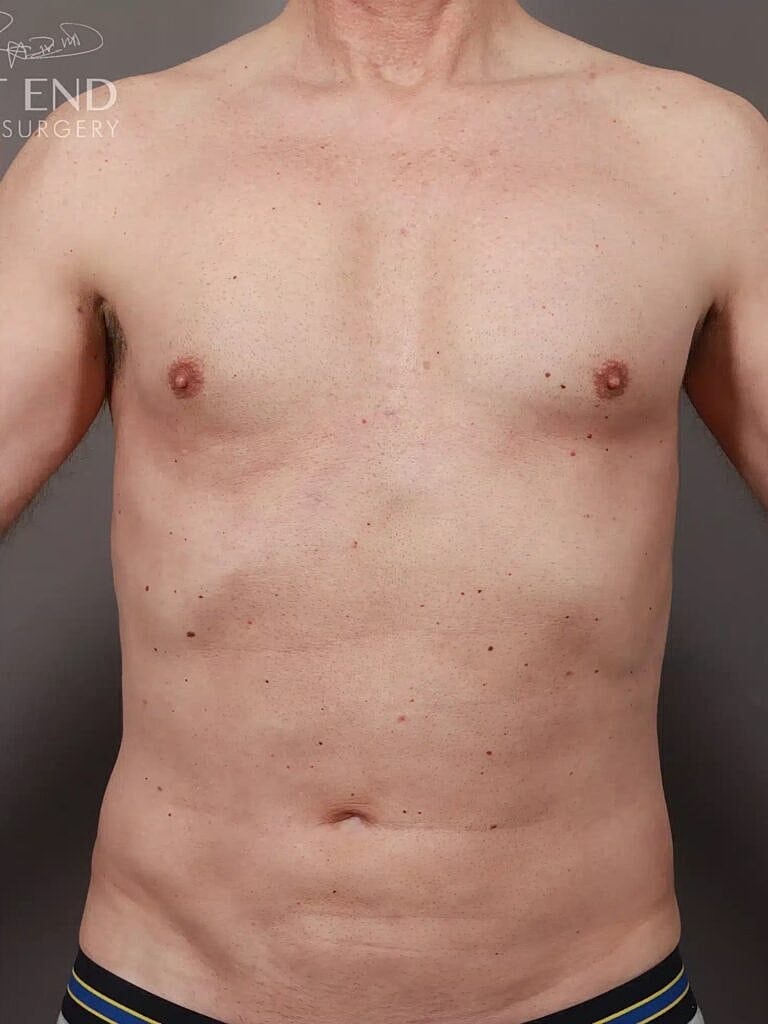
We’re as thrilled with our patients’ results as they are. Check out our before-and-after photo gallery and see for yourself the kind of work our talented surgeons do.

Prior to scheduling your surgery, you will meet at length with your surgeon and their team. You will have your body evaluated and will discuss how you want your body to look after the procedure. With the guidance of your surgeon, you will decide which type of body implant is right for you and the size, shape, and position of your implant.
Your surgeon and our team at West End Plastic Surgery will:
You will be asked to provide:
The cost of Body Implants starts at around $6,500. The price will vary depending on the extent of treatment necessary to deliver your desired results.
During your consultation, our surgeons will assess your cosmetic goals and develop a treatment plan tailored to meet them. The starting price is provided for your convenience, and it is important to note that it does not encompass facility or anesthesia fees. The comprehensive cost, inclusive of all potential fees, will be confirmed during your visit.
We also offer financing options, including CareCredit® and PatientFi®, to help you with the cost of your cosmetic surgery.
Your Body Implant procedure will be performed in our state of the art surgical suite or at one of the area hospitals where our surgeons are privileged.
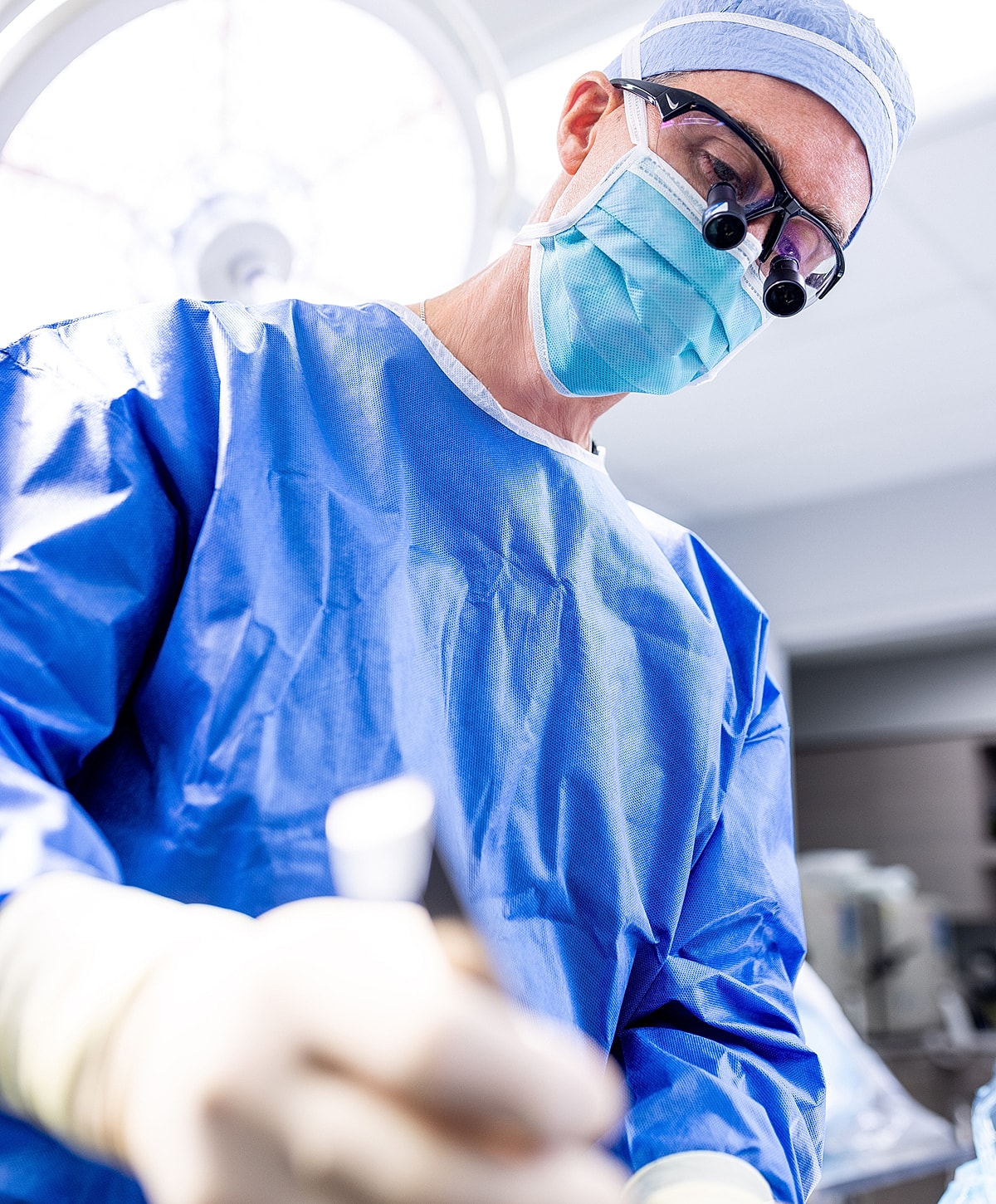
At West End Plastic Surgery, we are dedicated to ensuring your complete comfort during and after the procedure. Body implant surgery generally takes one to two hours to complete and is performed either under general anesthesia or local anesthesia with sedation. The type of anesthesia used and the length of the surgery depend on the type of implant procedure being performed. The type of anesthesia used and the length of your surgery are discussed with you during your initial consultation.
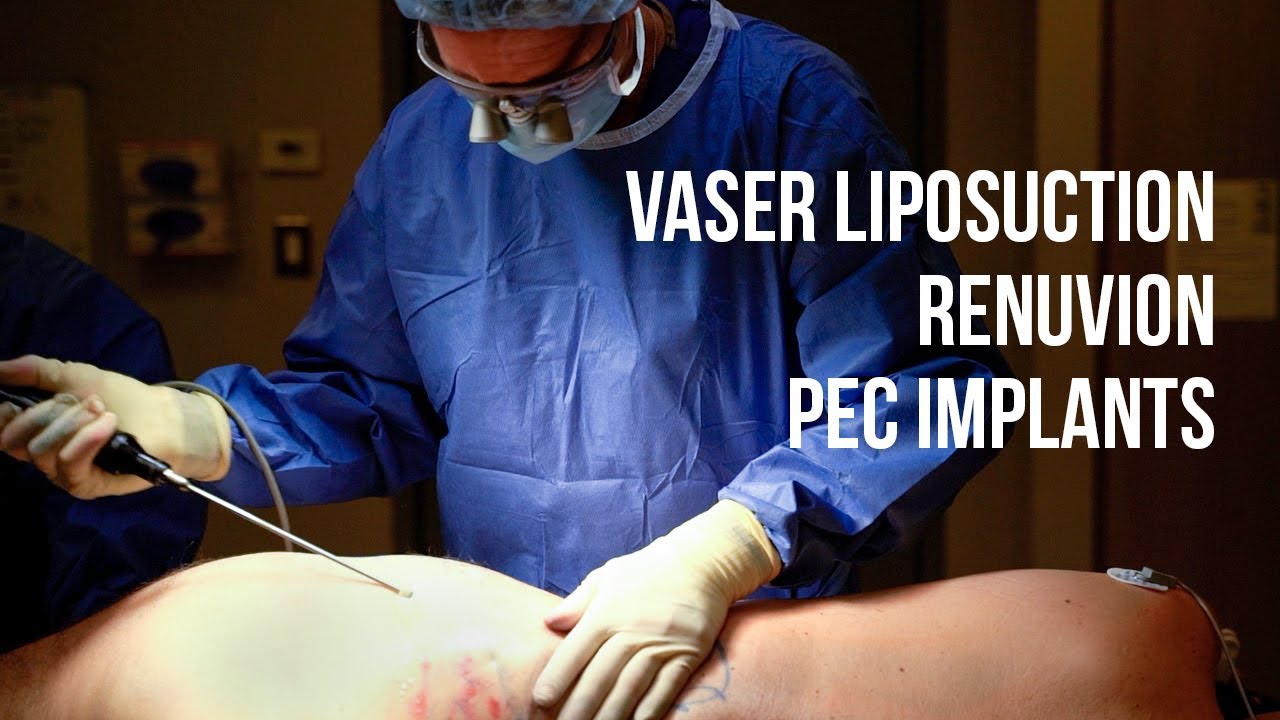
Body implant surgery is generally performed using an endoscope, a very thin tube with a small camera on the end that guides the doctor through the body with a great deal of precision. Once a small incision (usually no more than an inch) is made near the area to receive the implant, the doctor uses the endoscope to insert the implant in the desired location. Implants are usually made of a solid silicone that is a soft and flexible material. Occasionally, fat deposits may be used instead of silicone implants.
The implant may be stitched into place or held by your overlying muscle structure, depending on the procedure and your individual anatomy. Sutures are used to close the incision and occasionally temporary drain tubes are inserted to help remove excess blood and fluid. The incision is covered with gauze dressings.
Activity | When |
|---|---|
| Shower or Bath | Day After Surgery |
| Back to Work | One to Two Weeks After Surgery |
| Driving | Within a Week After Surgery |
| Stitches Removed | Seven to Ten Days After Surgery |
| Strenuous Activity | One Month After Surgery |
| Contact Sports | Eight Weeks After Surgery |
| Fading of Scars | Several Months to One Year |
In most cases, you will be ready to go home shortly after the procedure. Because you may be a bit sleepy after the anesthesia and will experience soreness in the area of your incision, it is important for someone to drive you home after your surgery.
During the first 24 to 48 hours after your procedure, you may feel tired from the anesthesia and sore from the surgery.
The doctor will prescribe pain medication to alleviate much of the discomfort. Your discomfort level will improve rapidly after the first two days. Because most body implant surgery is performed endoscopically, the size of the incision is usually less than an inch and there is very little bleeding.
If no drains were used during the surgery, you can take a shower or bath as soon as you feel comfortable doing so, being careful not to get the bandages covering your incisions overly wet. If drains were used, you can shower or bathe as soon as the drains are removed, usually at your post-operative doctor’s visit two to three days after surgery.

You will notice a marked improvement in your discomfort level during the first week after your surgery and you can most likely return to work within a week of your procedure.

Everyone heals at different rates and you are the best judge of when you are ready for certain activities, but the following are general guidelines:
After receiving a body implant Washington, D.C. patients need to be aware of these details:

Like all surgical procedures, there are risks associated with body implant surgery. During your pre-surgery consultation with the doctor, your individual risks will be assessed and discussed and it will be determined if you are a good candidate for body implant surgery.
As with any surgery, you can help reduce the risks associated with your body implant procedure by closely following the instructions provided to you by the staff of West End Plastic Surgery. Dr. Ruff, Dr. Arsalan, and their staff at West End Plastic Surgery will be with you every step of the way to ensure a safe and pleasing outcome.
Some possible side effects include:
Body implants can add bulk and volume to underdeveloped muscle areas. The results are permanent if silicone implants are used. If fat deposits are used, the procedure may need to be repeated periodically.
to enhance the bulk and volume of the selected muscle area?
LipoSelection, a much gentler form of liposuction, can be used to remove fat in the area near your body implant. Dr. Ruff and Dr. Arsalan are among the first specialists in the Washington, D.C. area certified to perform LipoSelection.
Body implant surgery is considered a cosmetic treatment and, therefore, is not covered by your insurance. You are responsible for the full payment for your procedure. Cost and payment information will be discussed in detail with you during your initial consultation.
Options for improving the bulk, volume, and definition of your muscles include weight loss and exercise, especially toning and strengthening exercises. LipoSelection may also greatly enhance the look of certain areas of the body. Occasionally, fat transfer surgery is an option; this can be determined during your initial consultation.
If you’re in the Washington, D.C. area and considering Body Implants, contact West End Plastic Surgery.
Request a consultation online or call our office at (202) 785-4187 to schedule a consultation.