Tummy Tuck in Washington, D.C.





Even with diet, exercise, or what feels like a million sit-ups, some people still struggle with loose skin, excess fat, and stretched muscles in their abdomen.
Weight fluctuations, such as significant weight loss, or pregnancy often leave behind changes in the abdominal area that no amount of gym time can fix.
A tummy tuck, or abdominoplasty, is a cosmetic surgery procedure that removes excess skin, reshapes the abdominal wall, and tightens separated abdominal muscles to restore a firm, smooth midsection. At West End Plastic Surgery, our experienced plastic surgeons personalize every tummy tuck surgery to achieve natural results while prioritizing patient safety and healing.


1 of 31
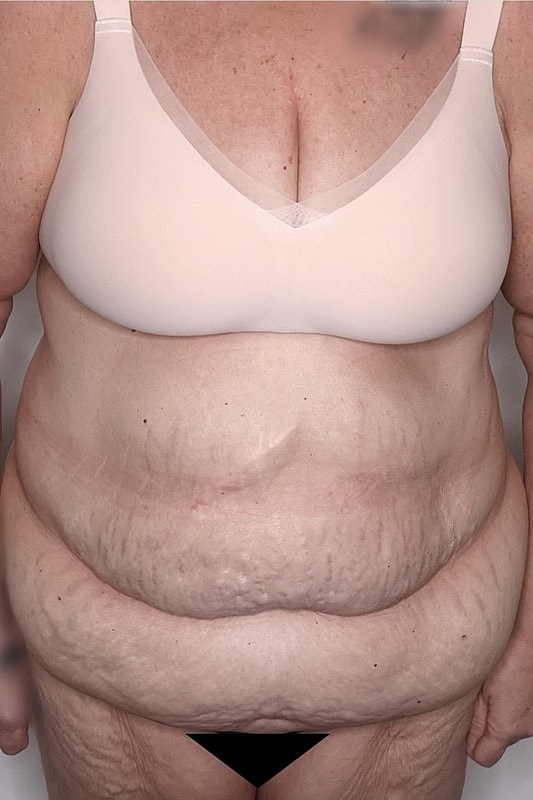
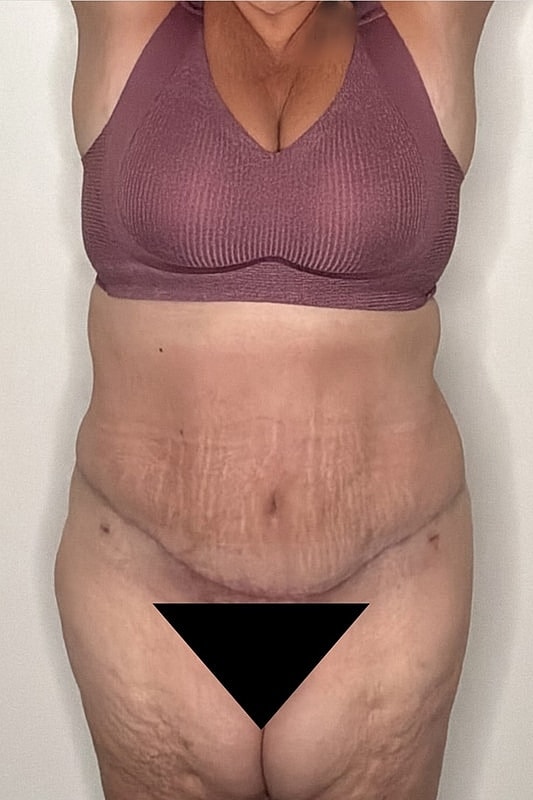
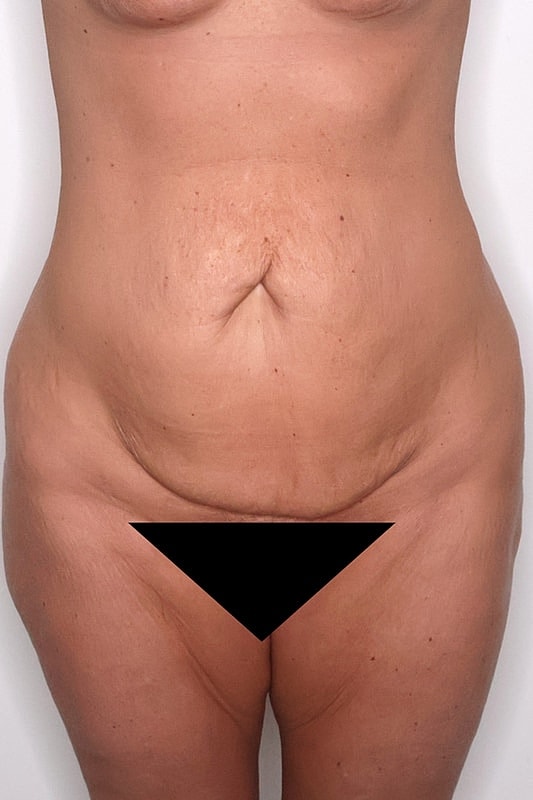
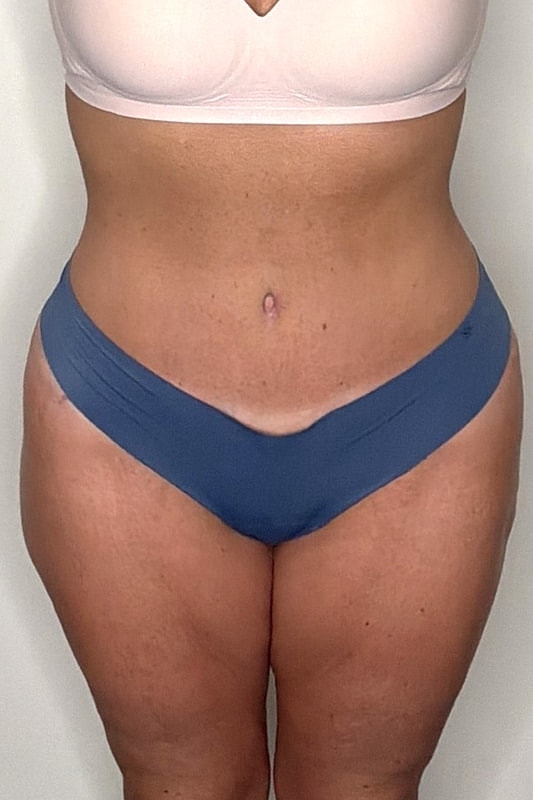
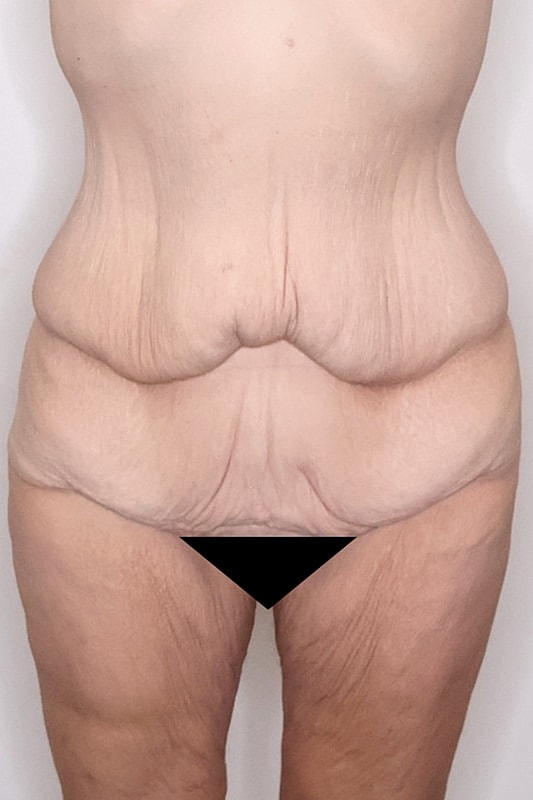
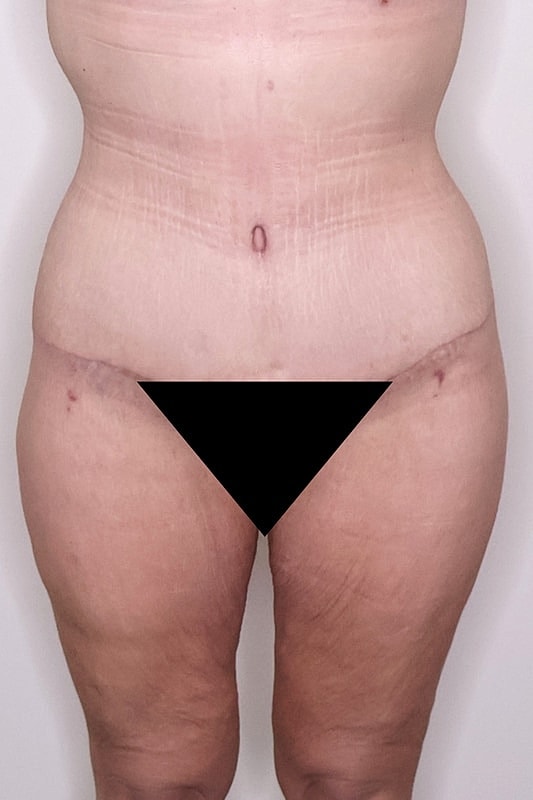
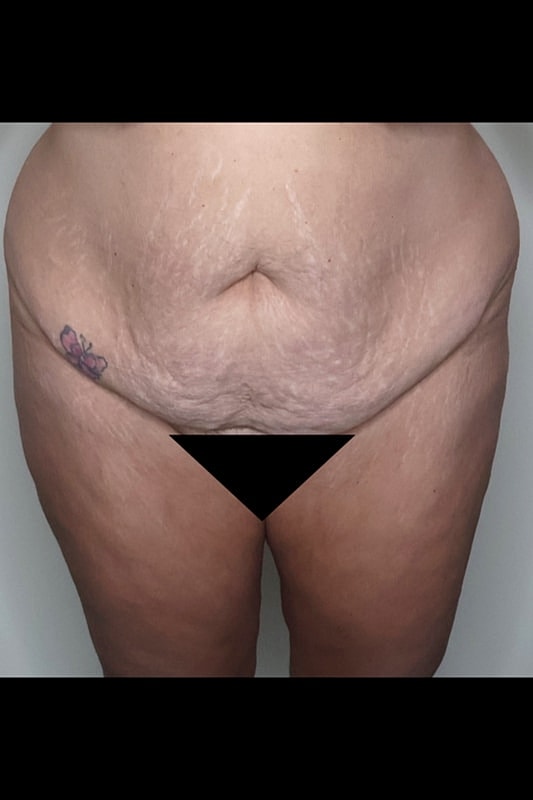
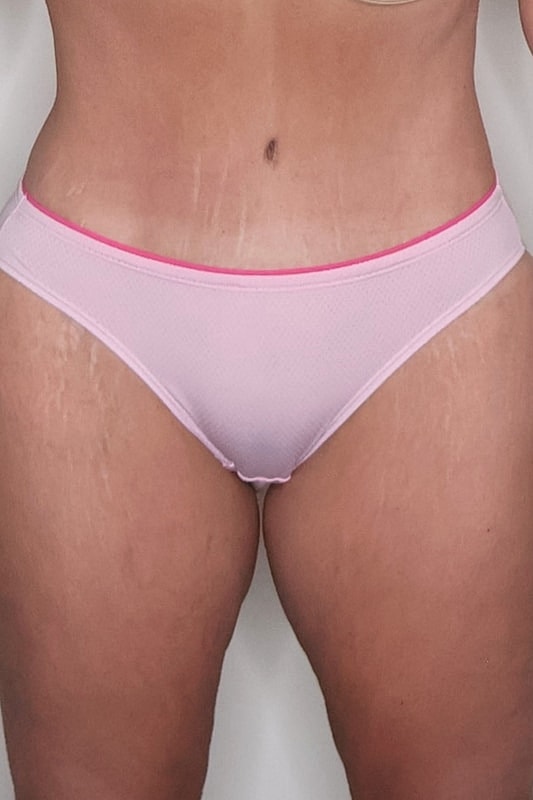
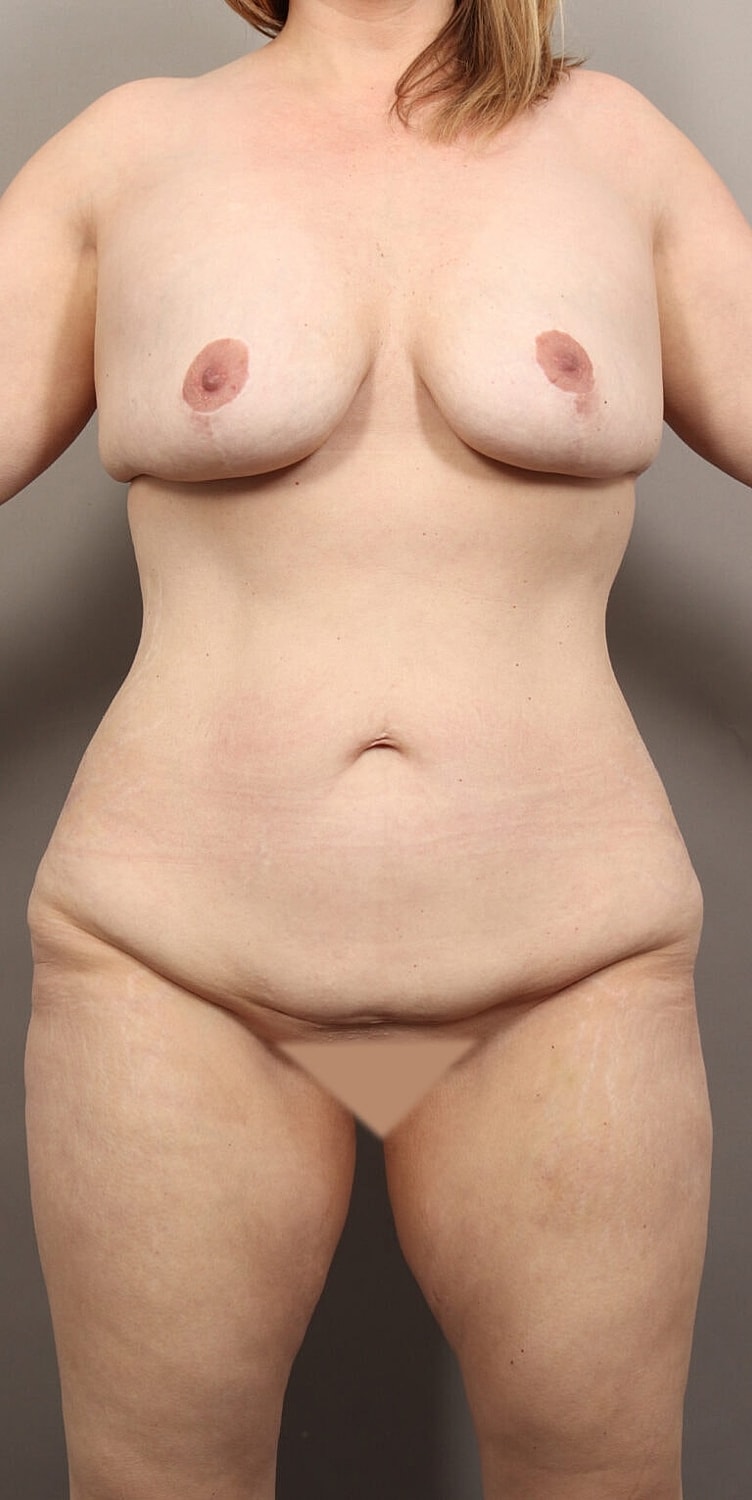
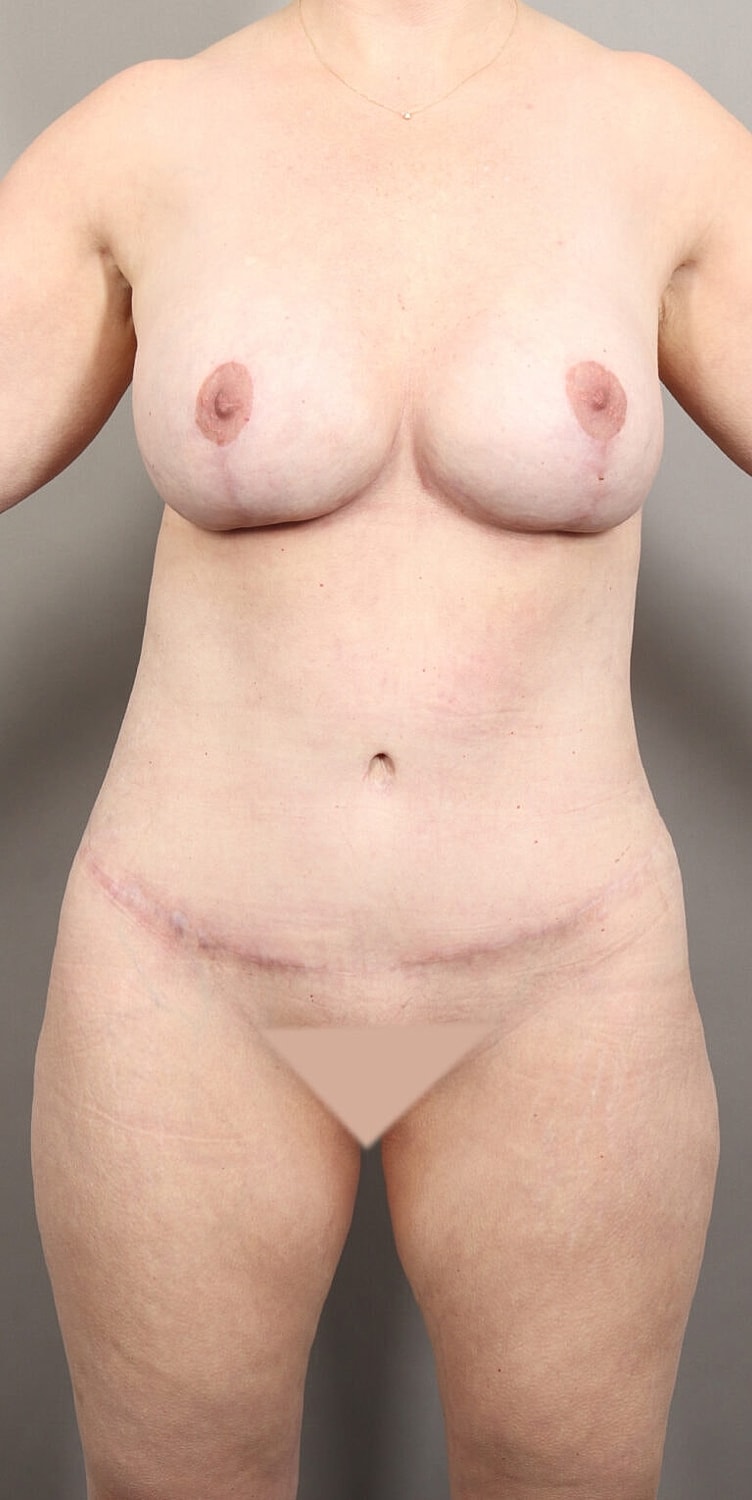
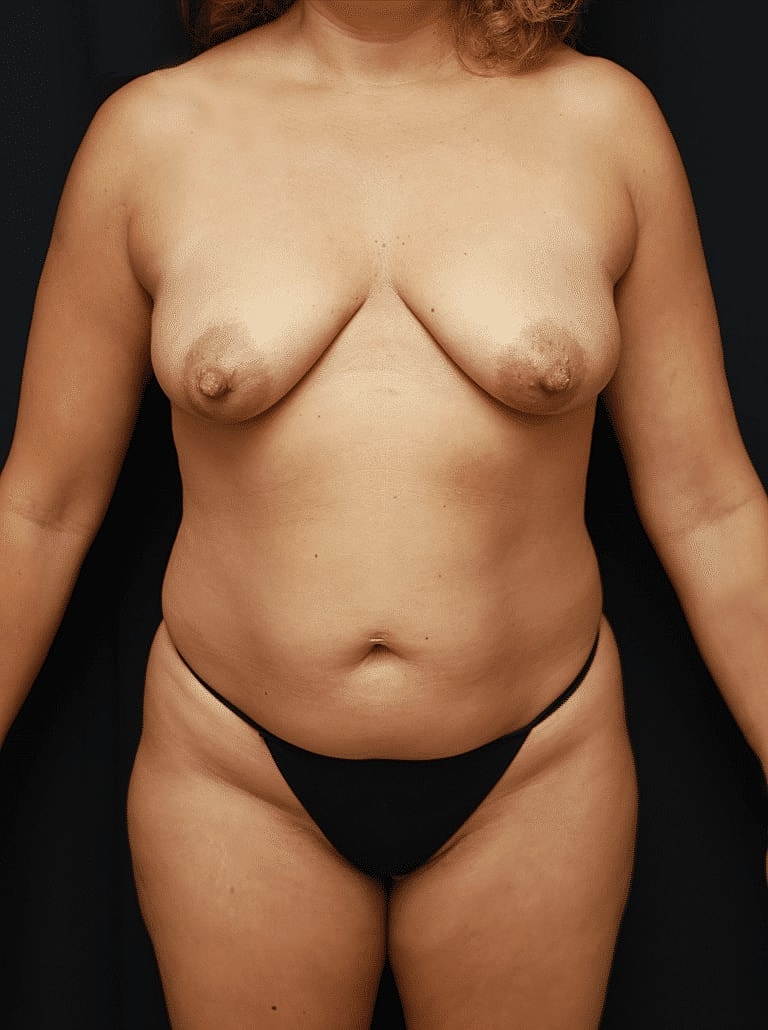
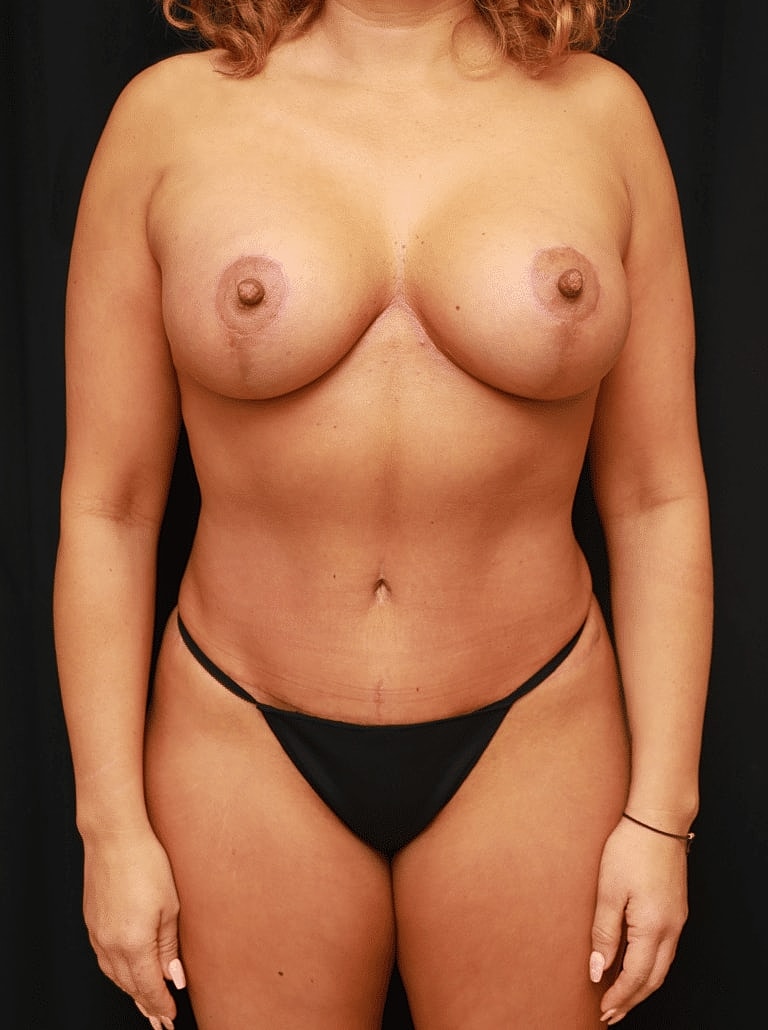
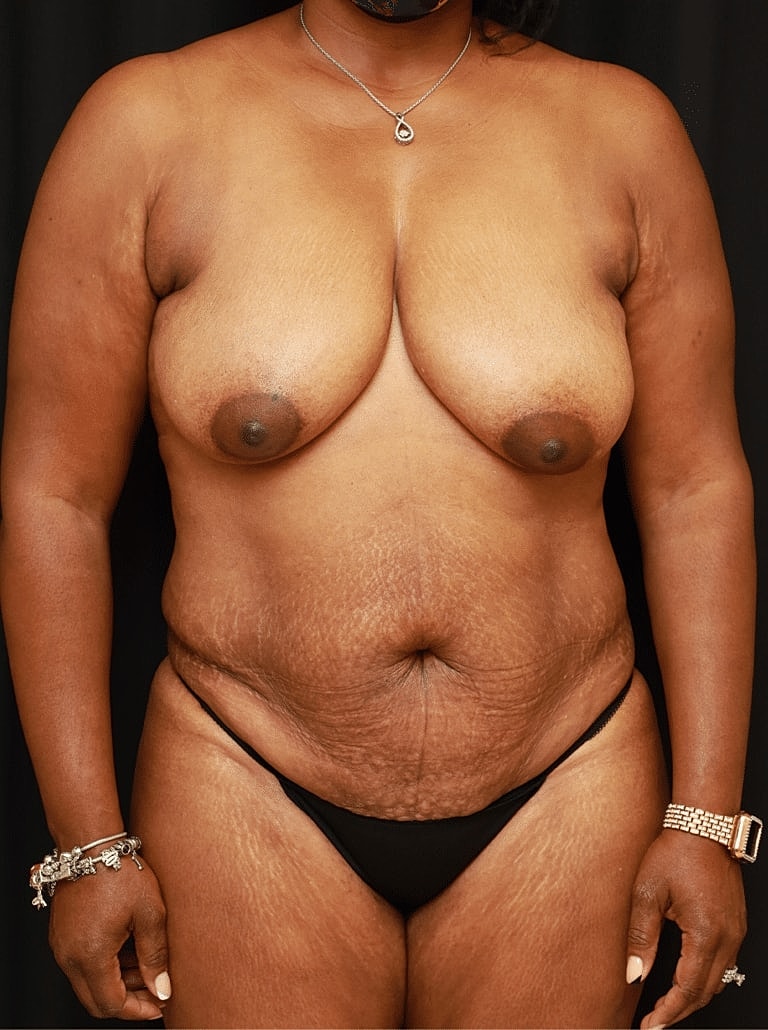
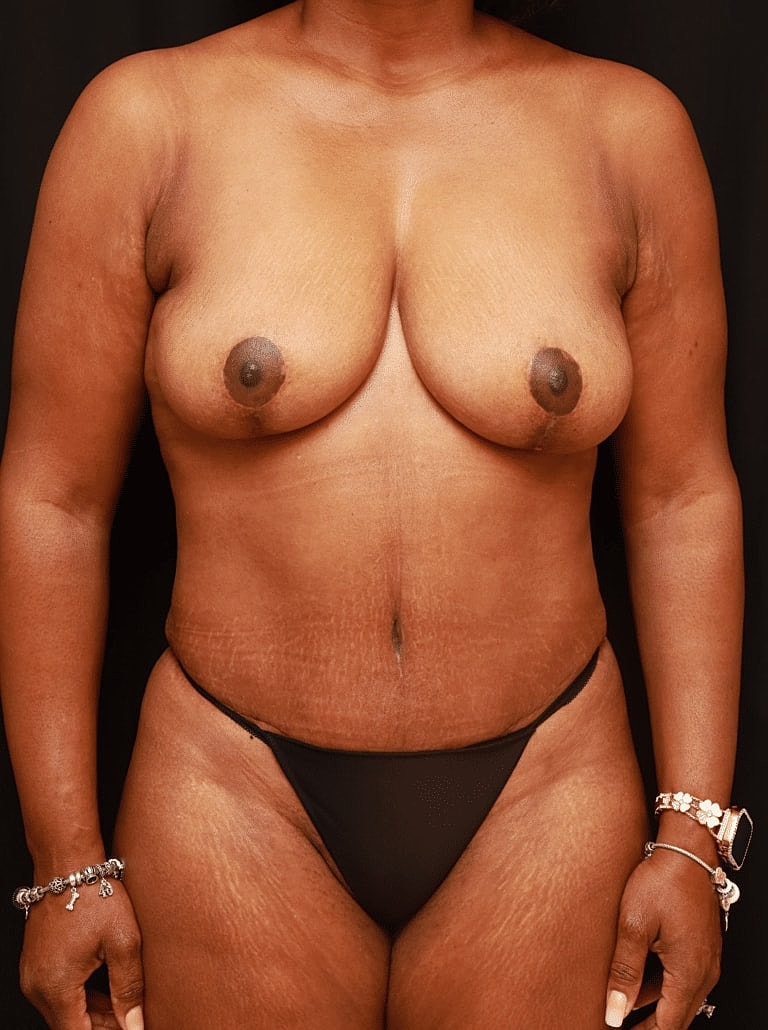
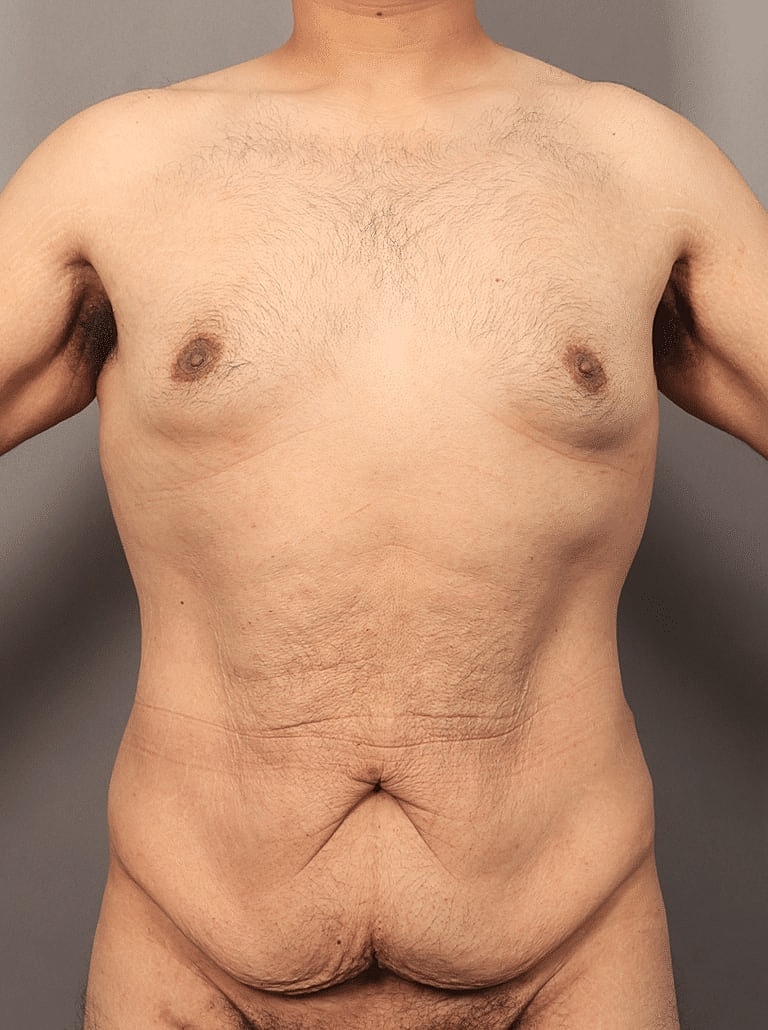
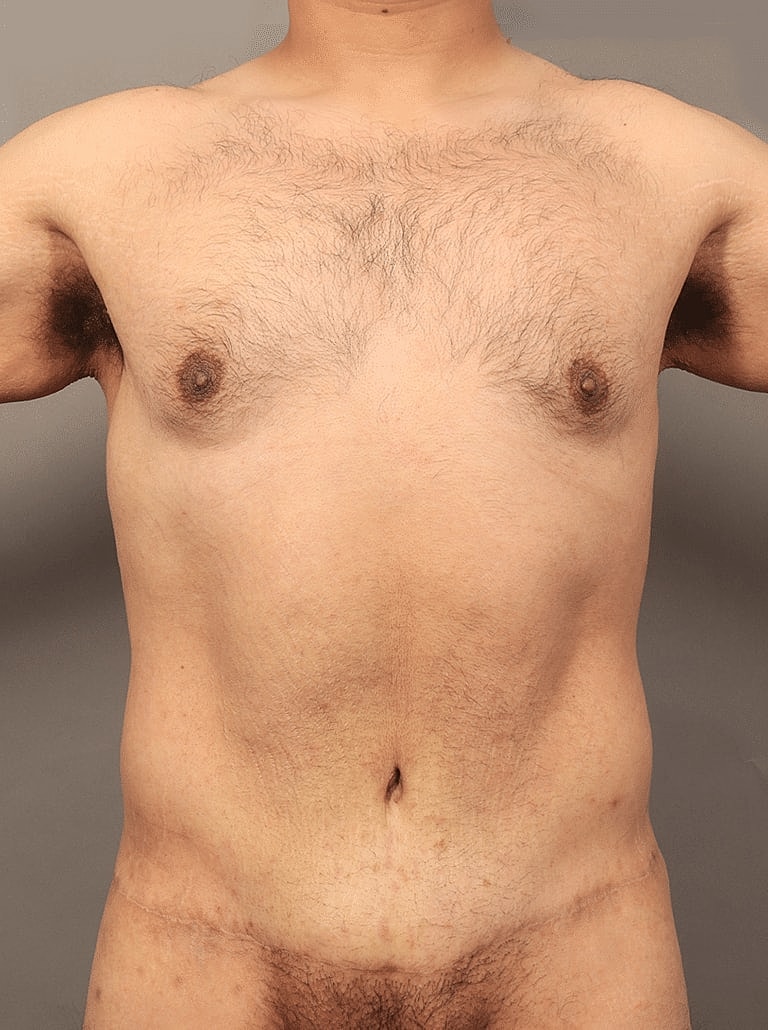
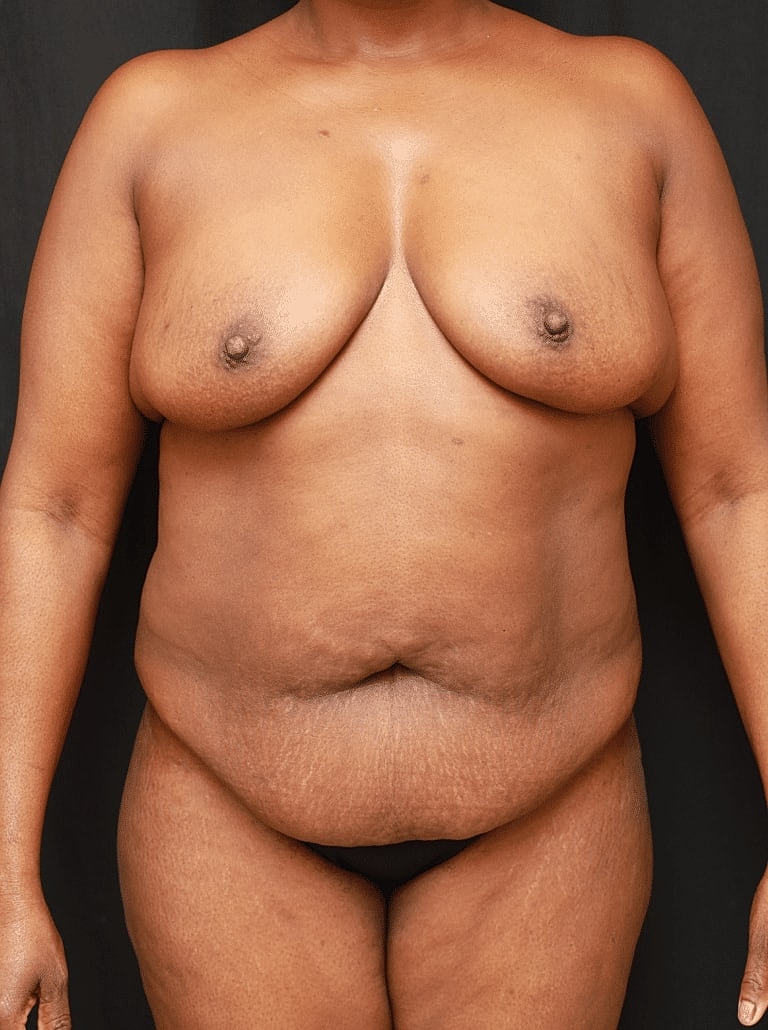
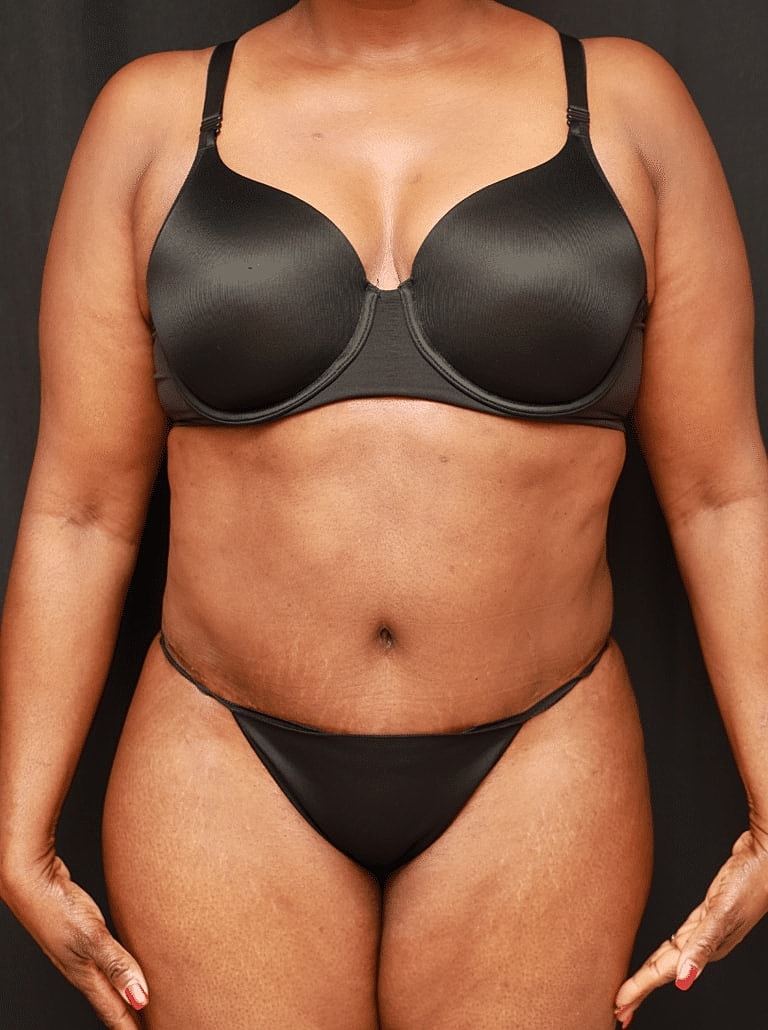
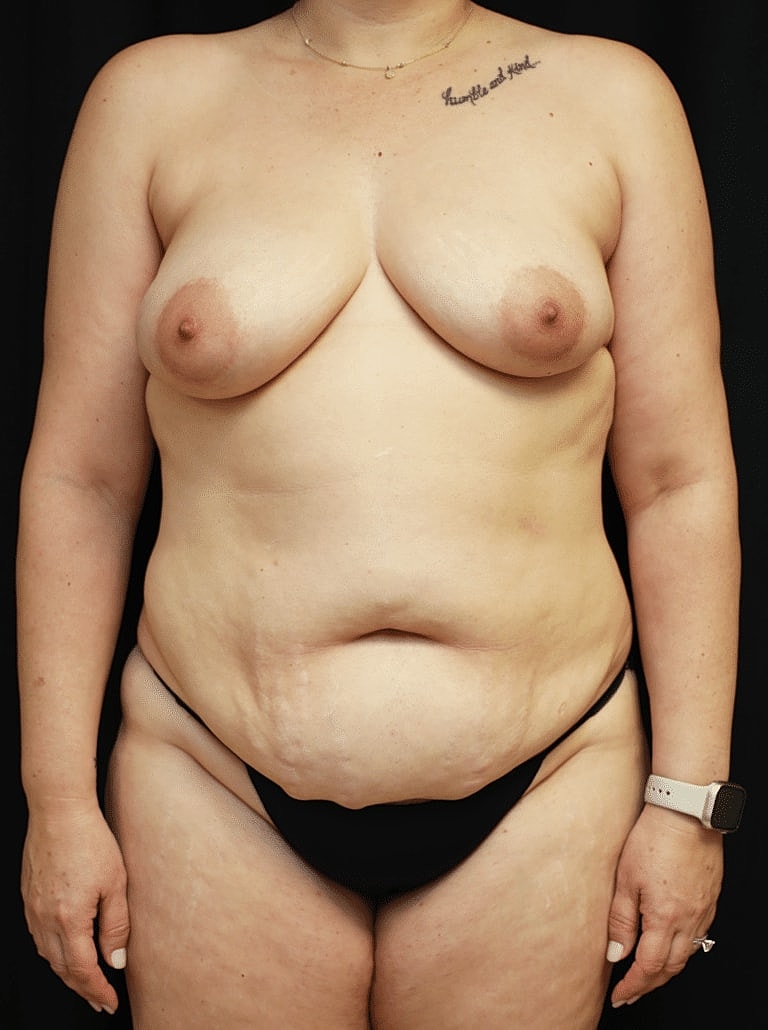
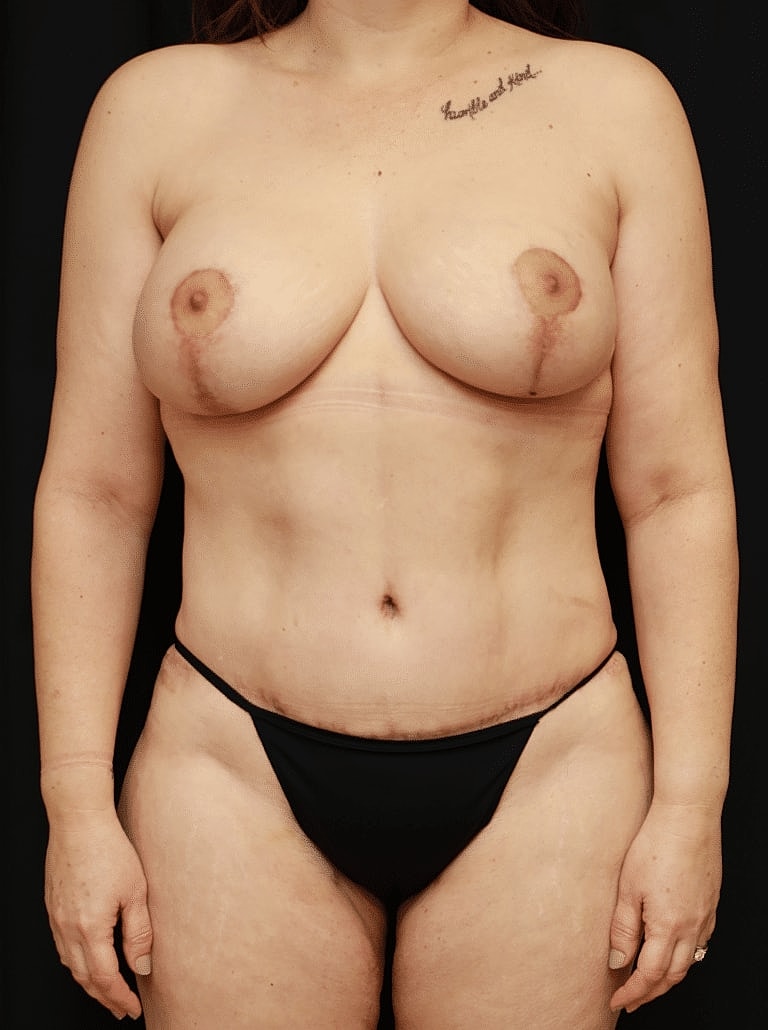
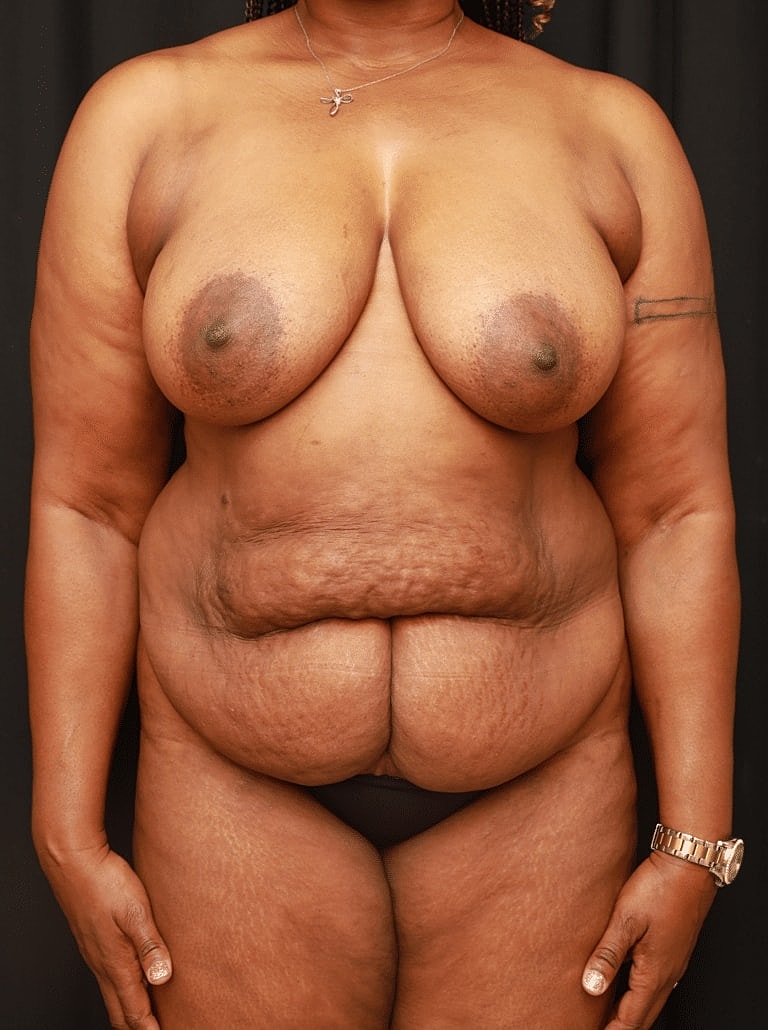
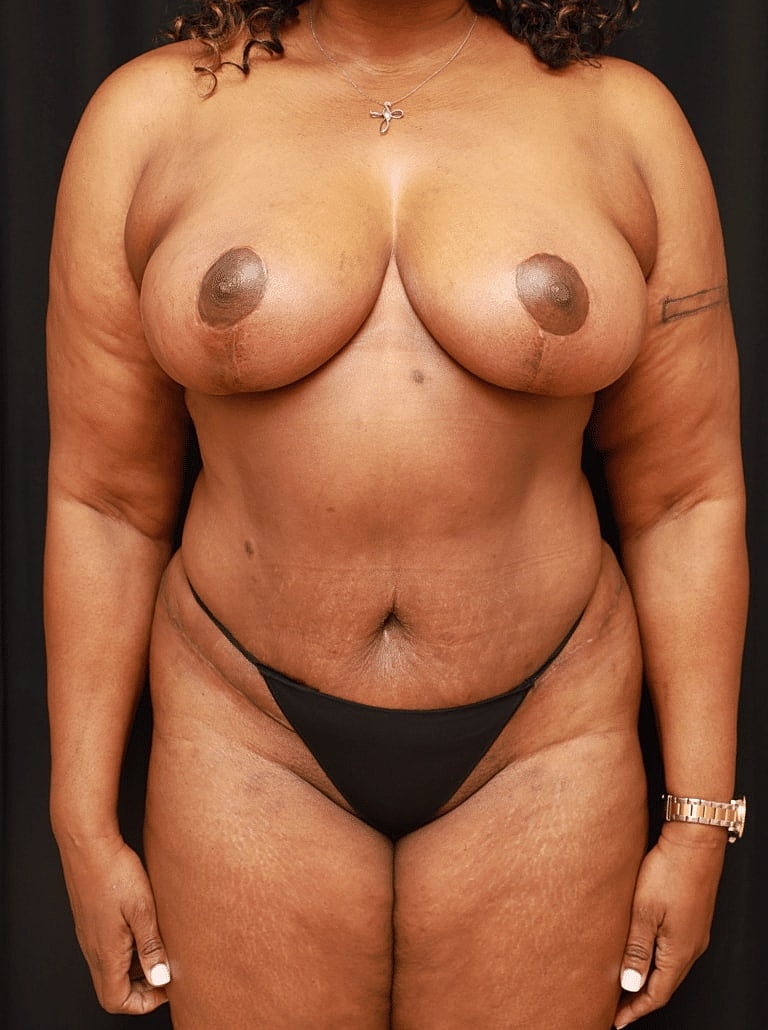
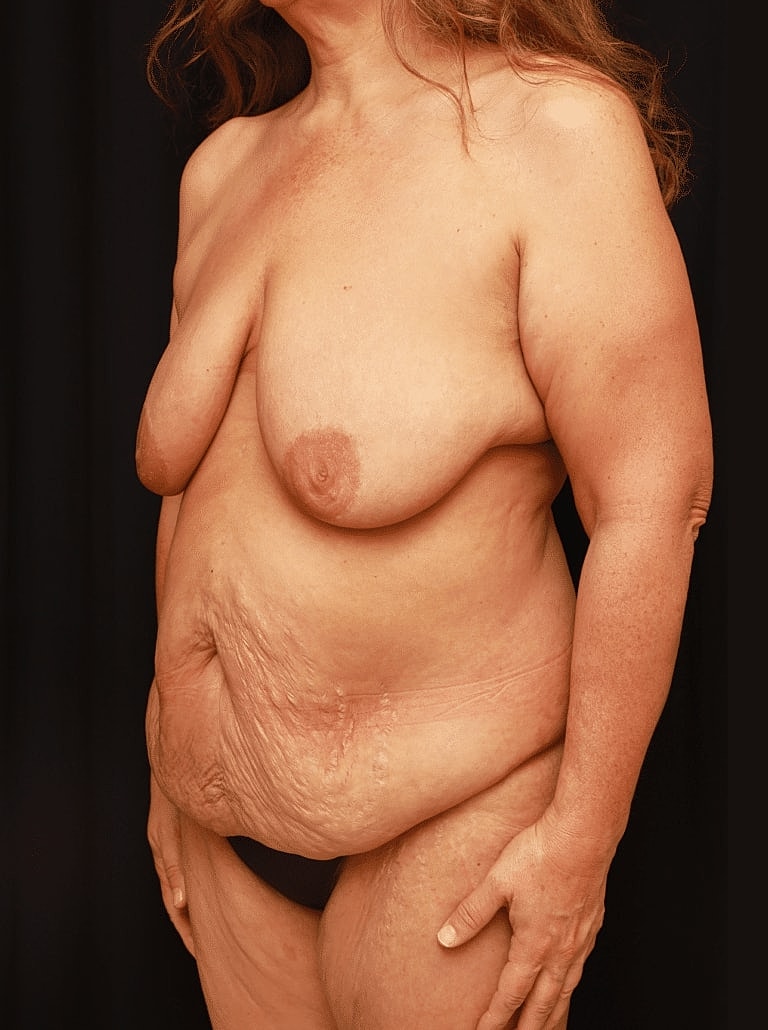
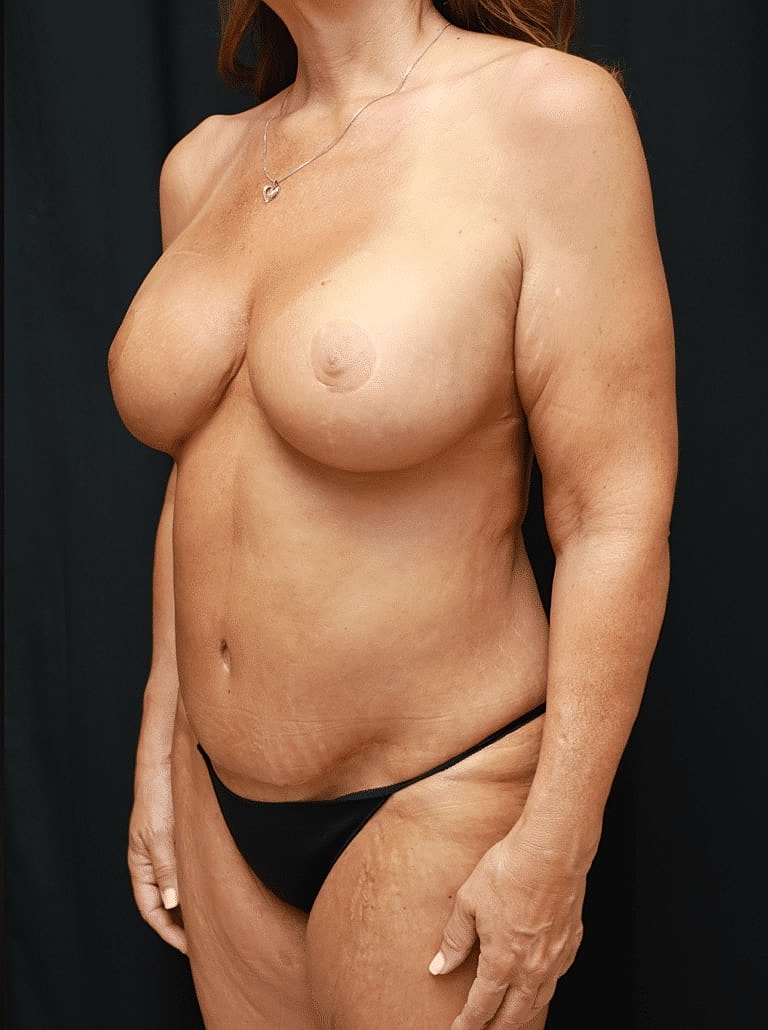
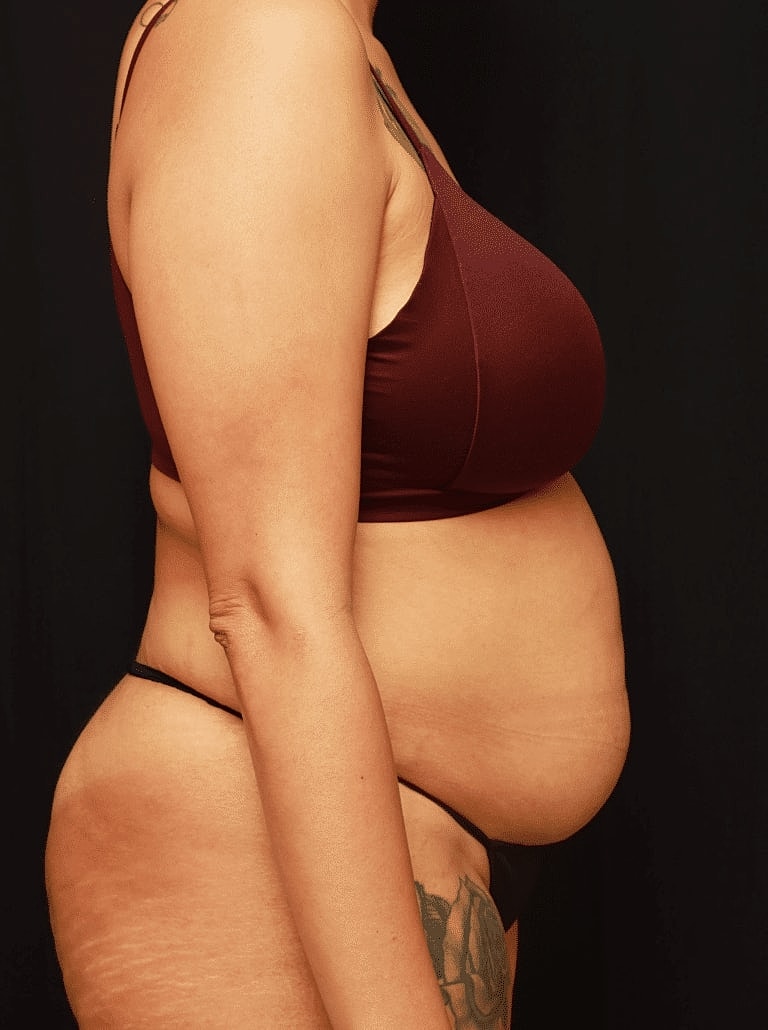
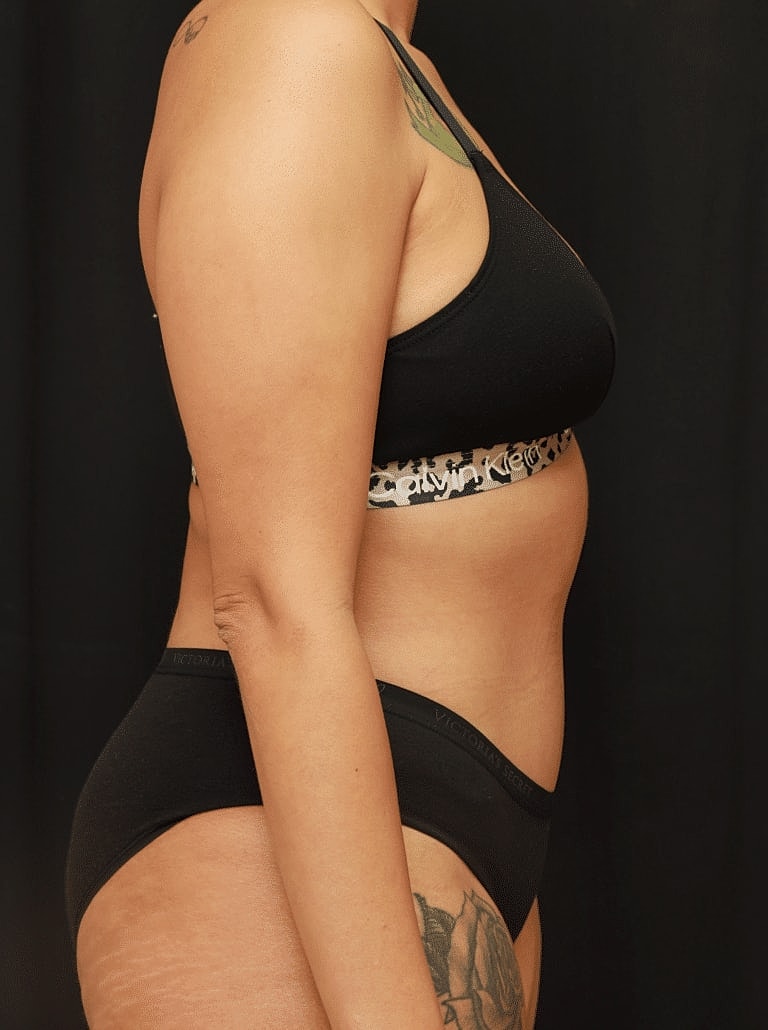
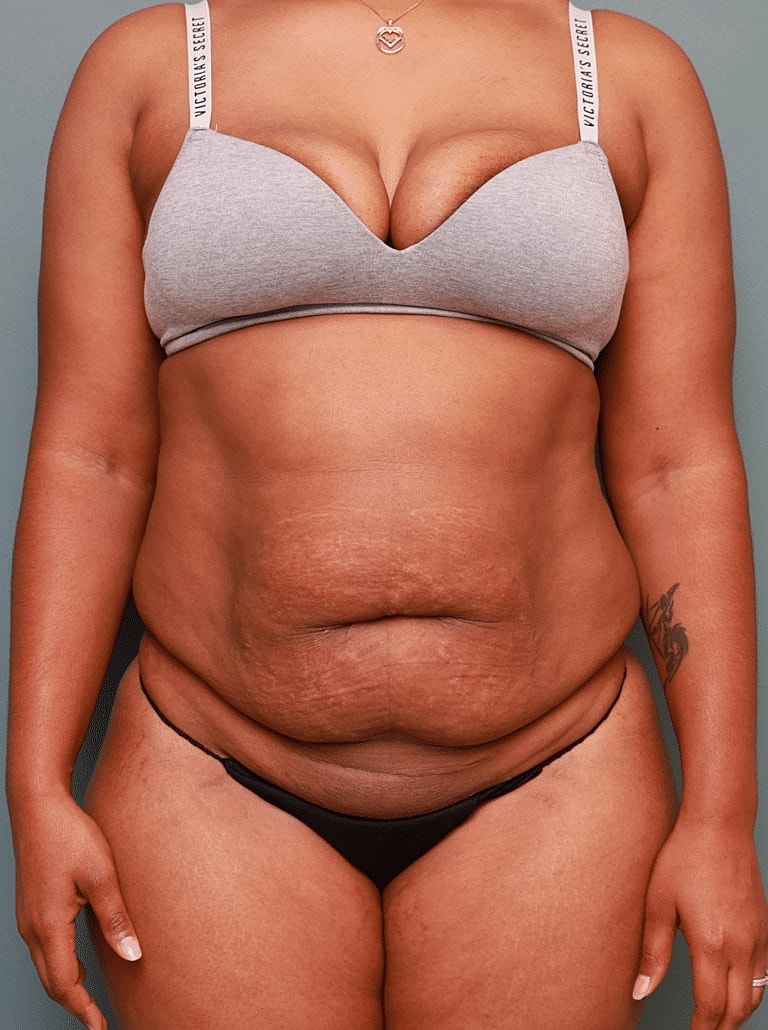
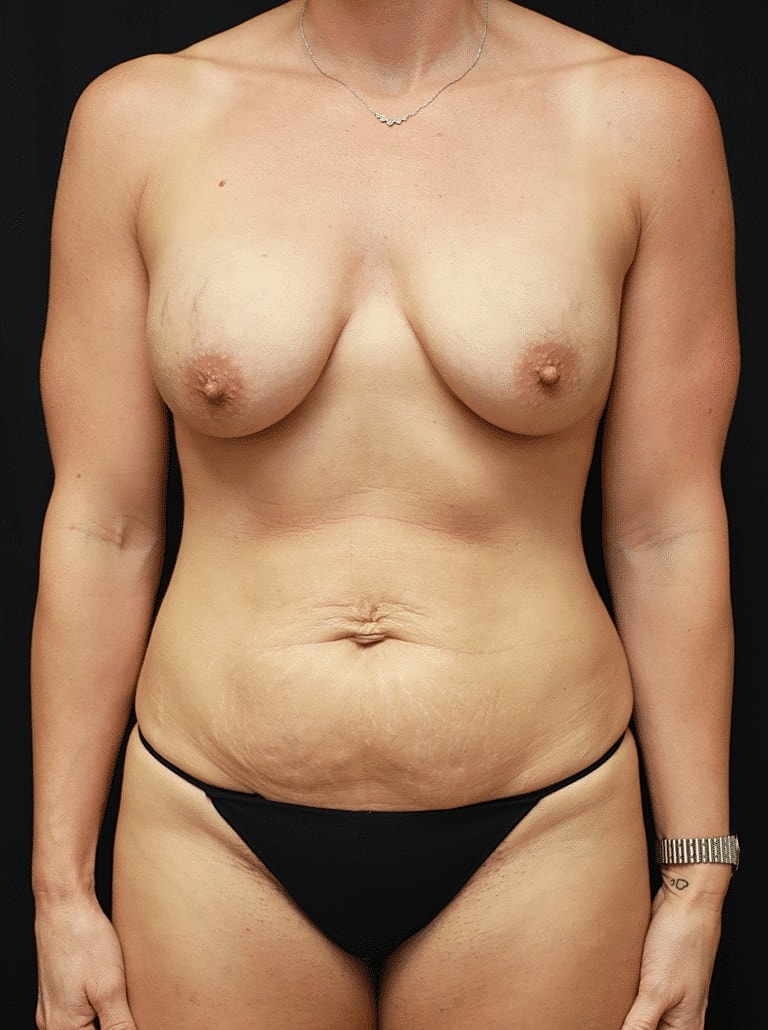
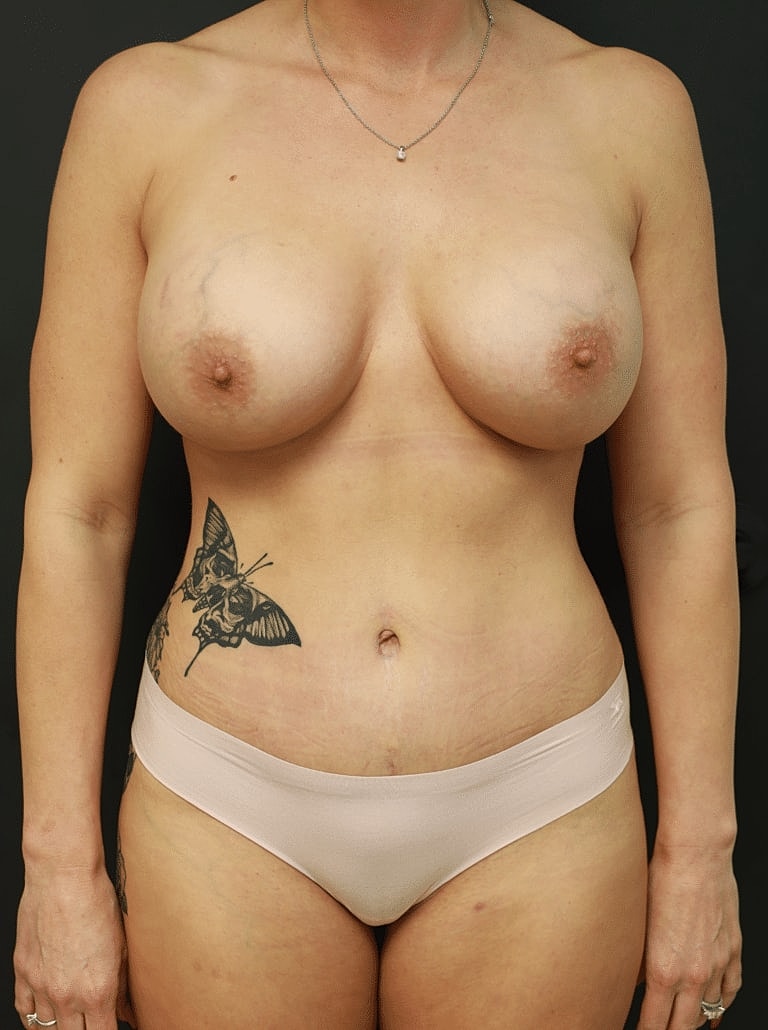
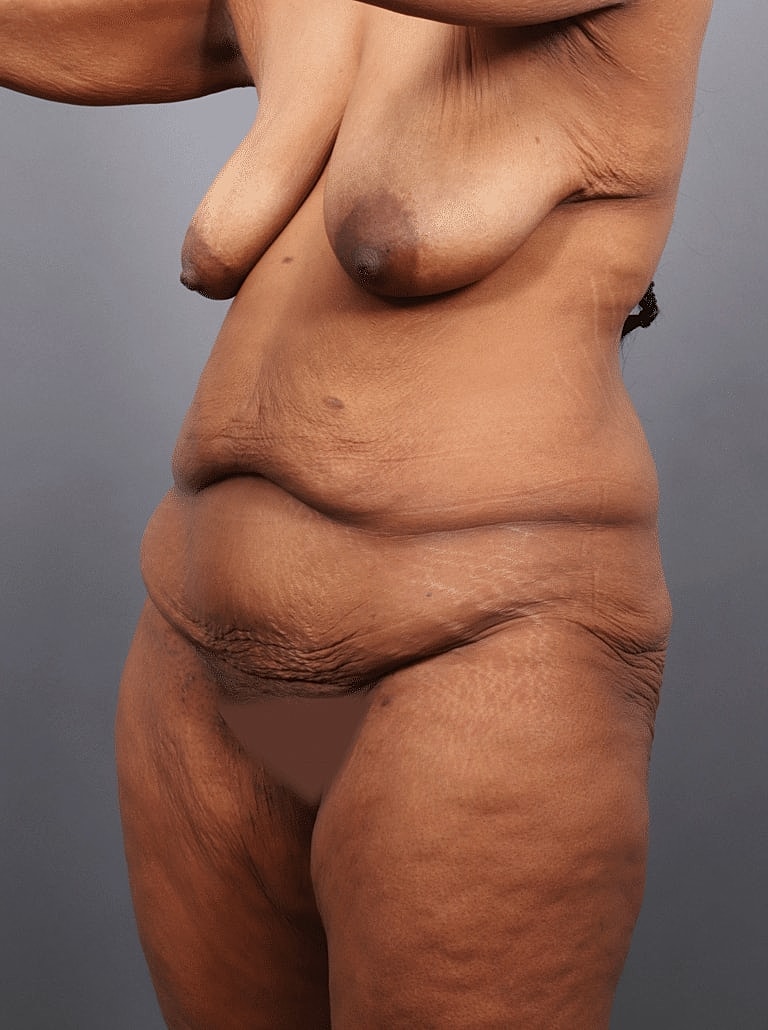
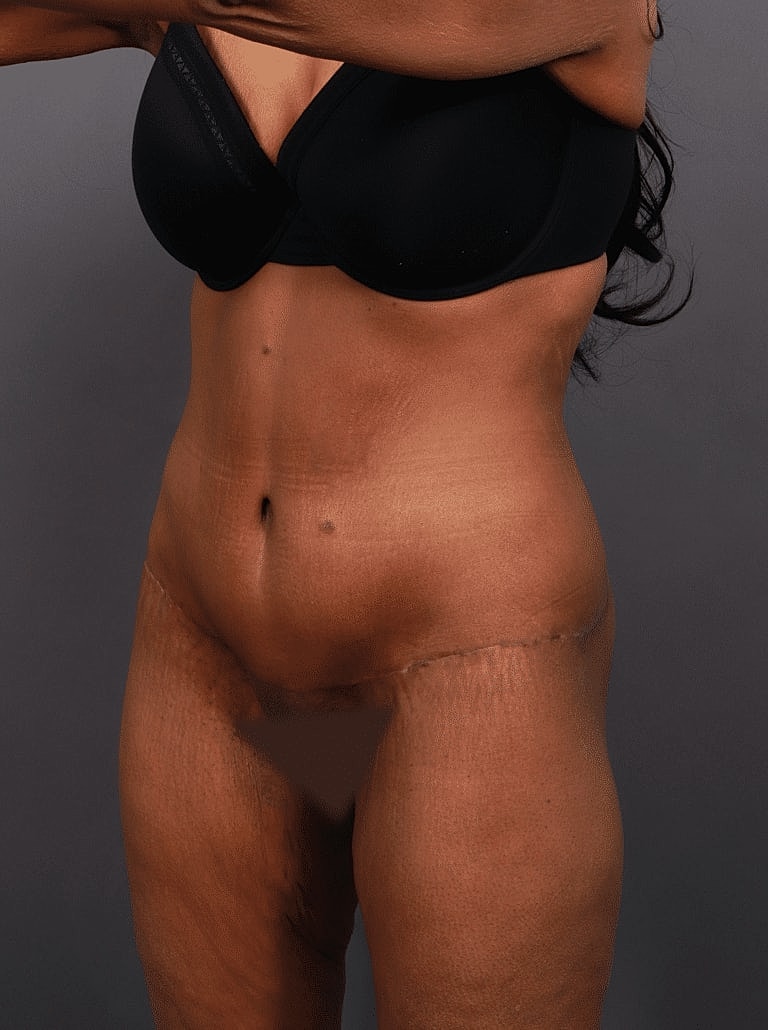
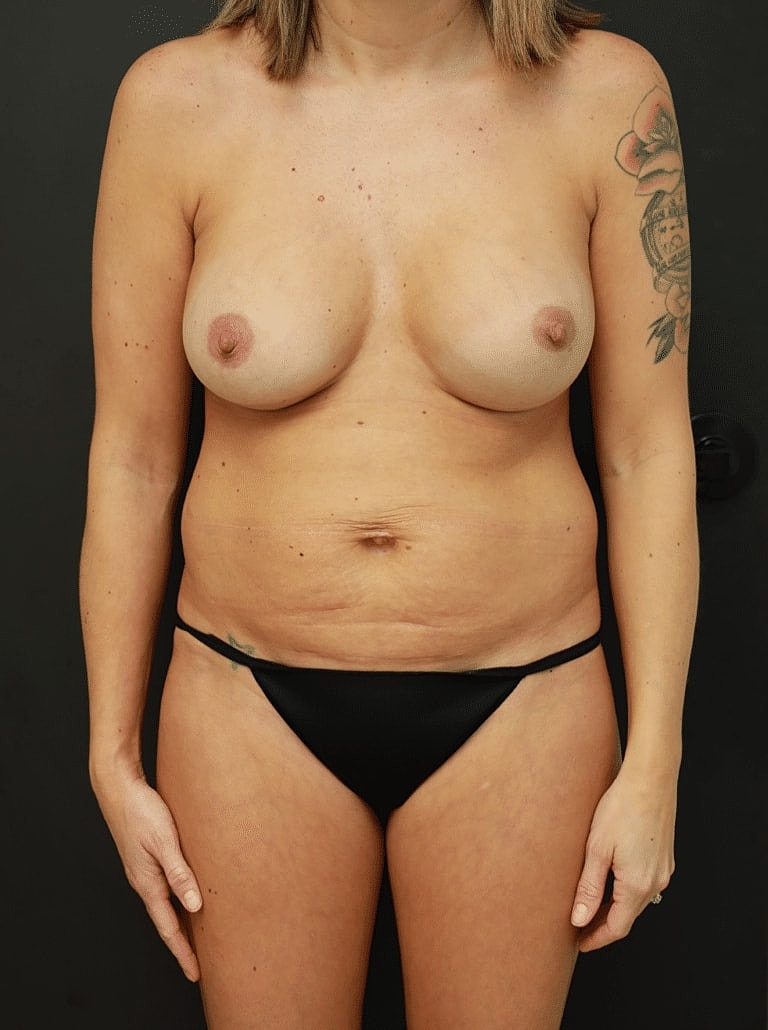
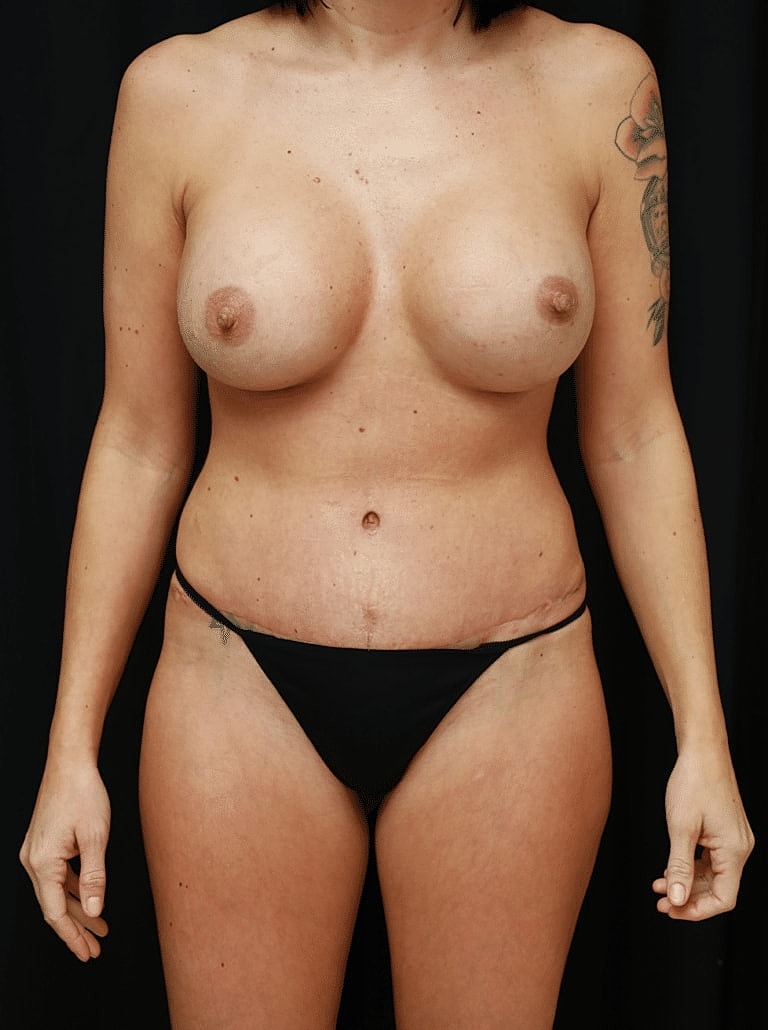
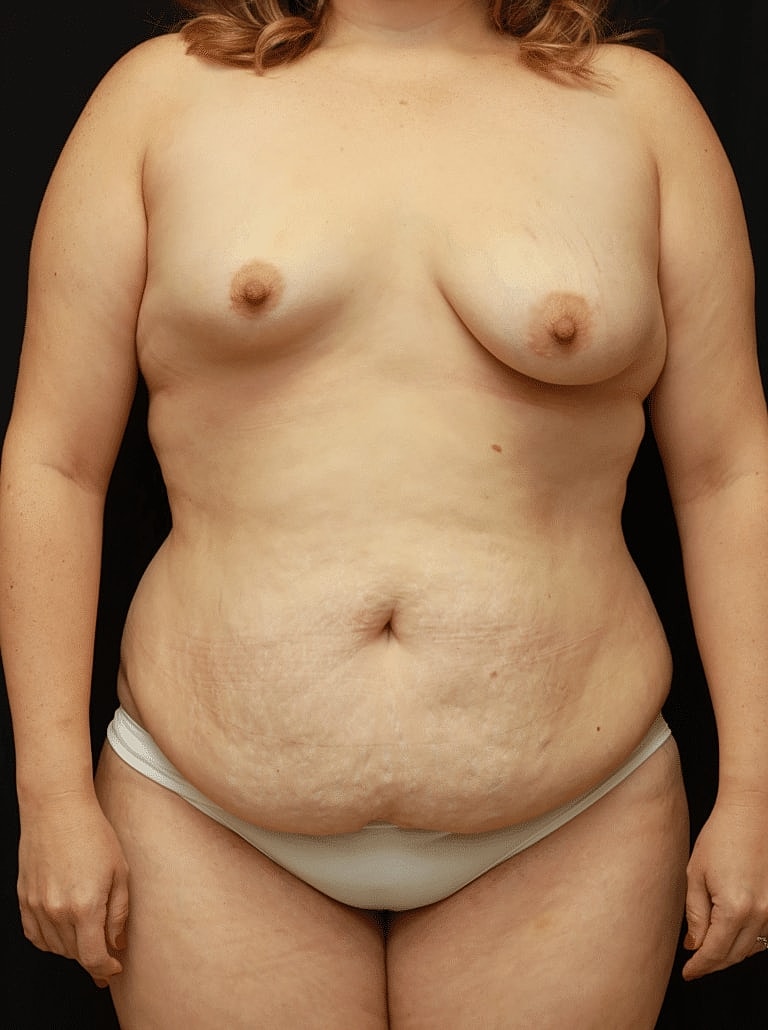
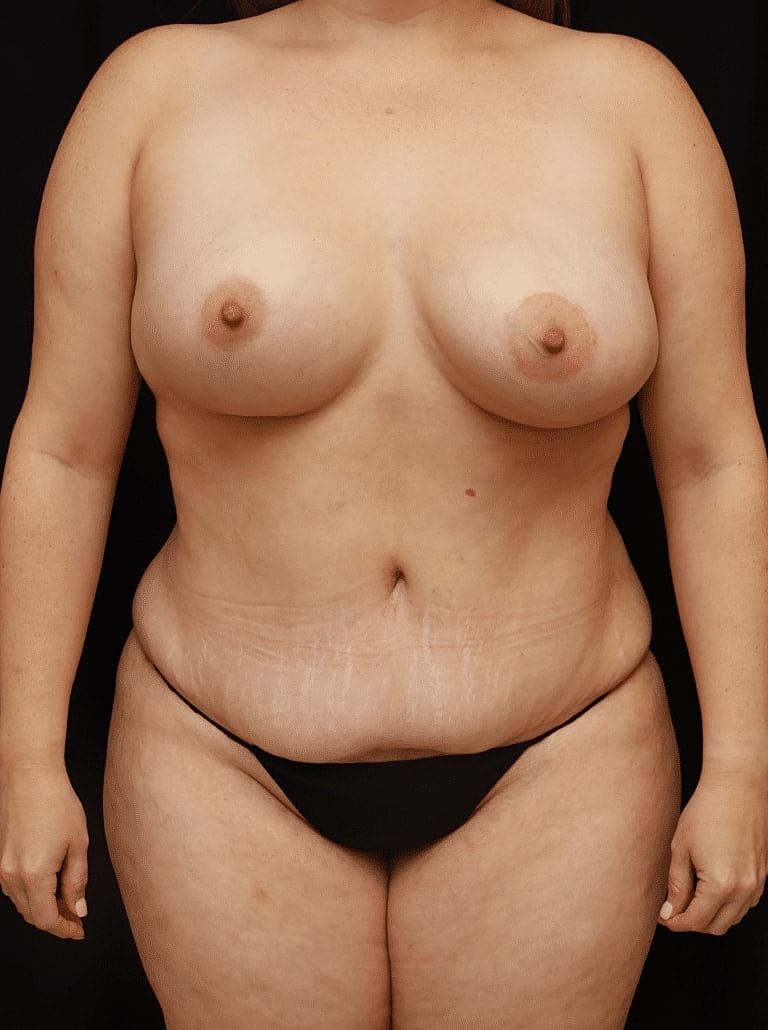
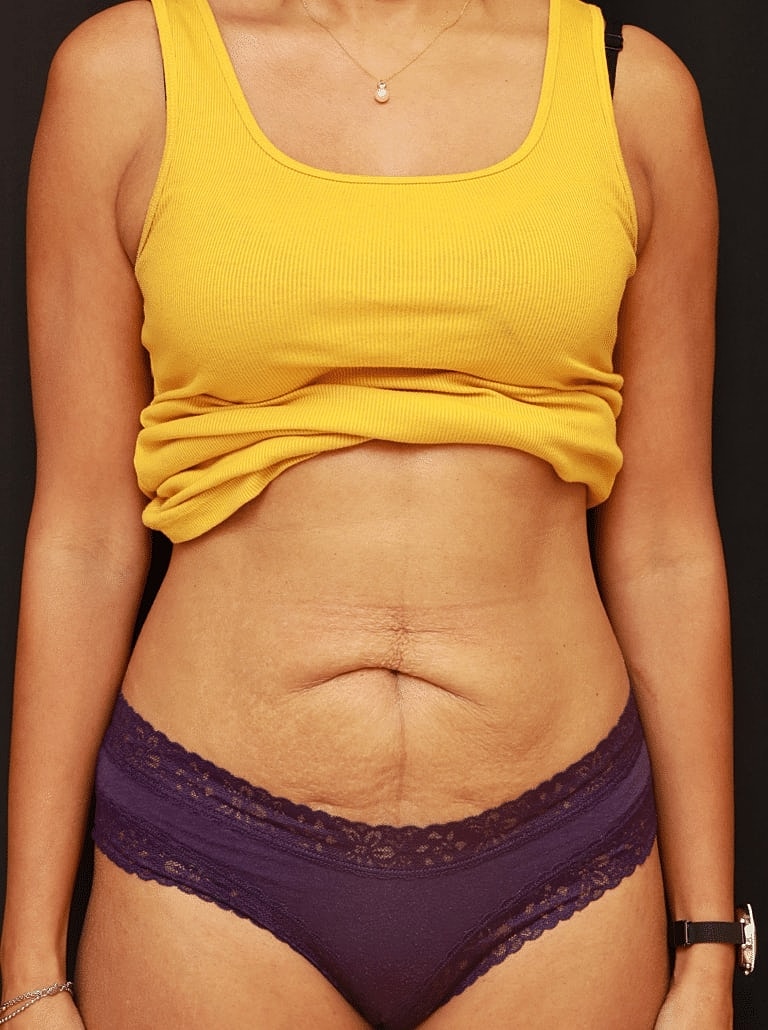
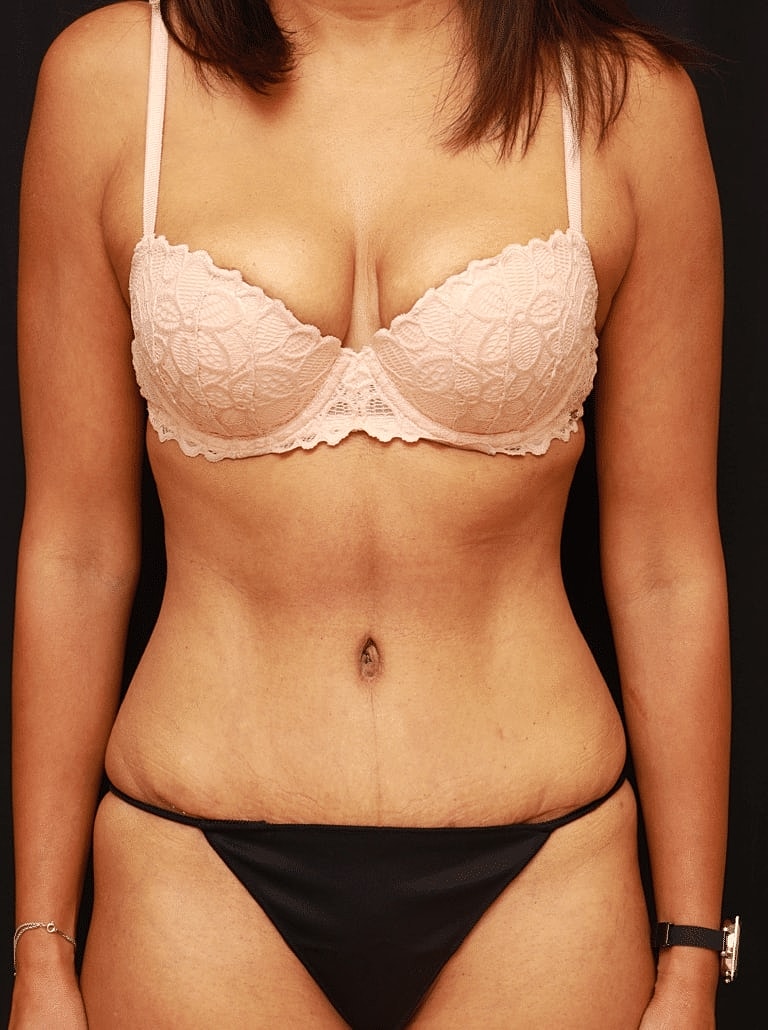
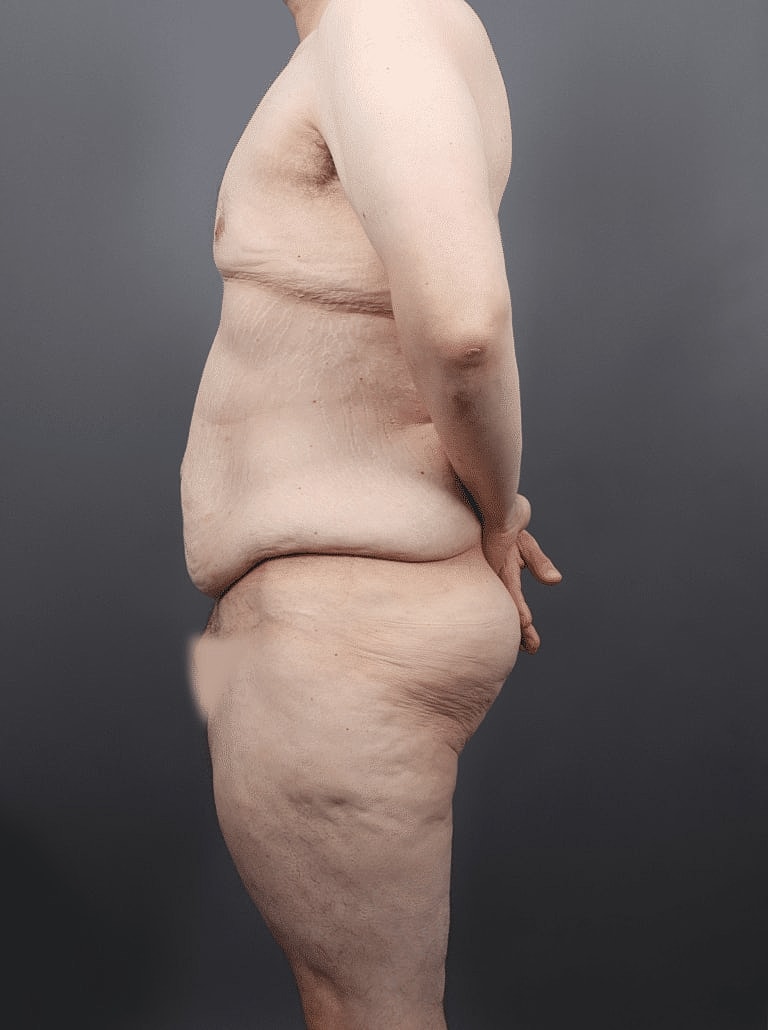
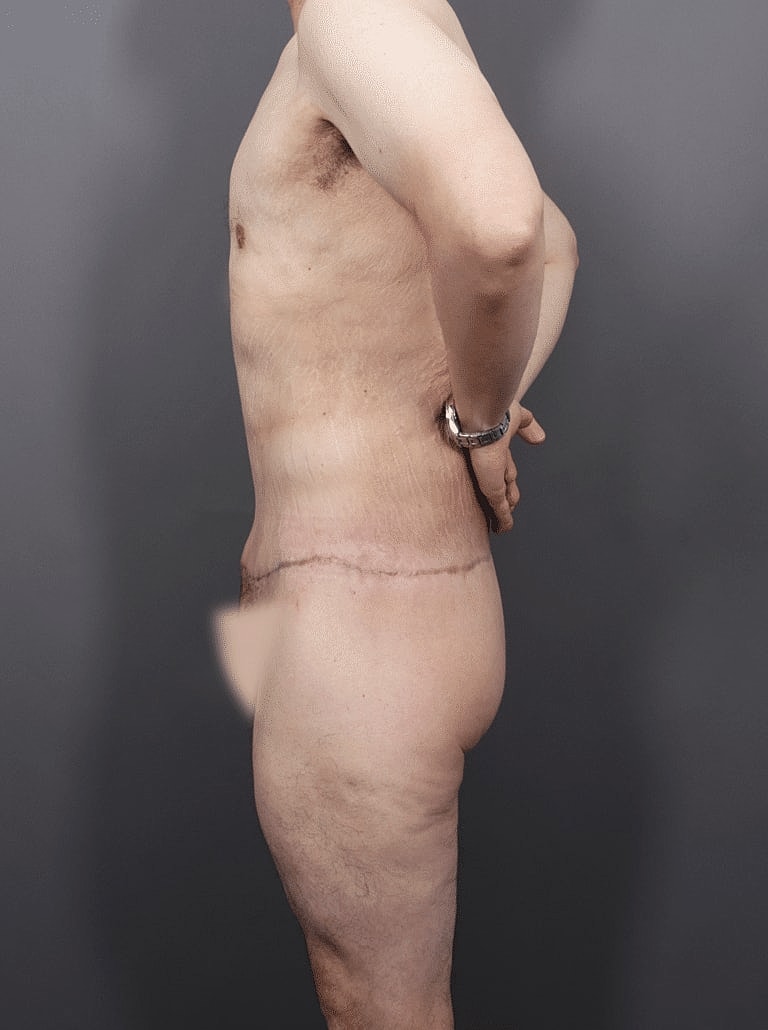
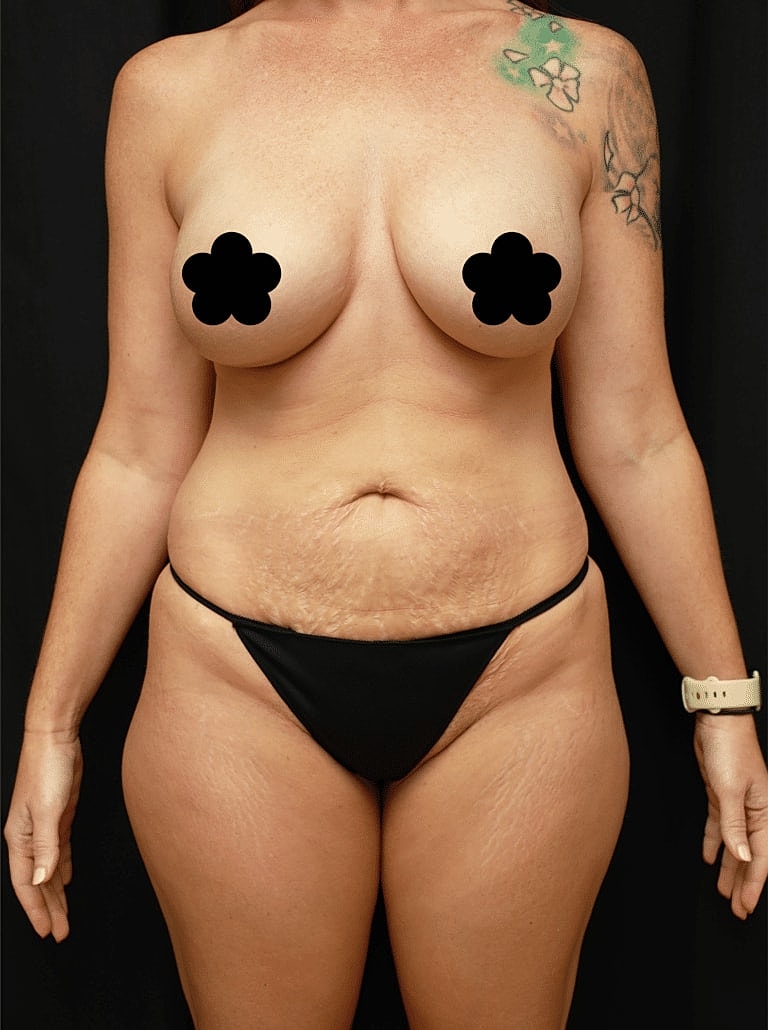
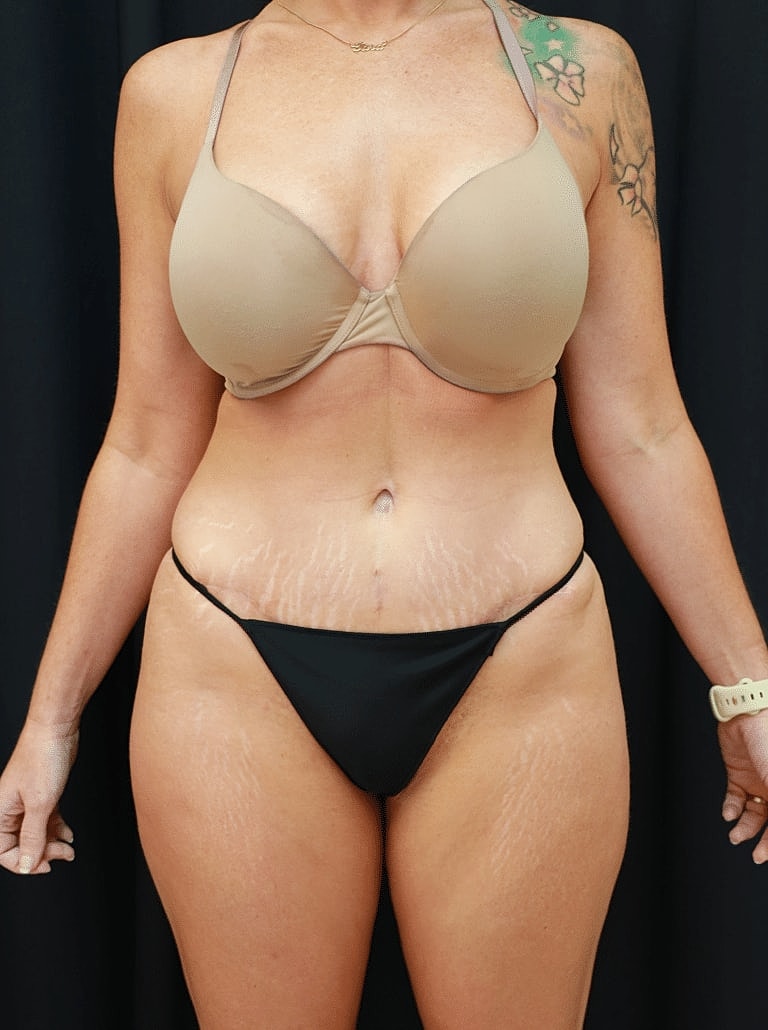
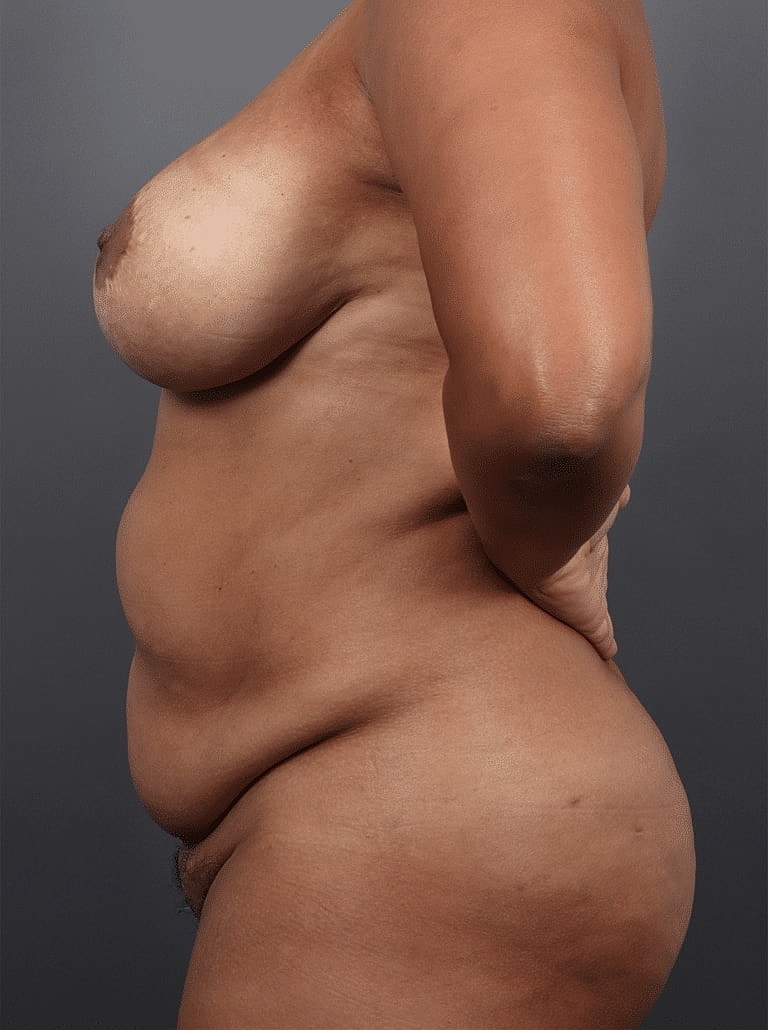
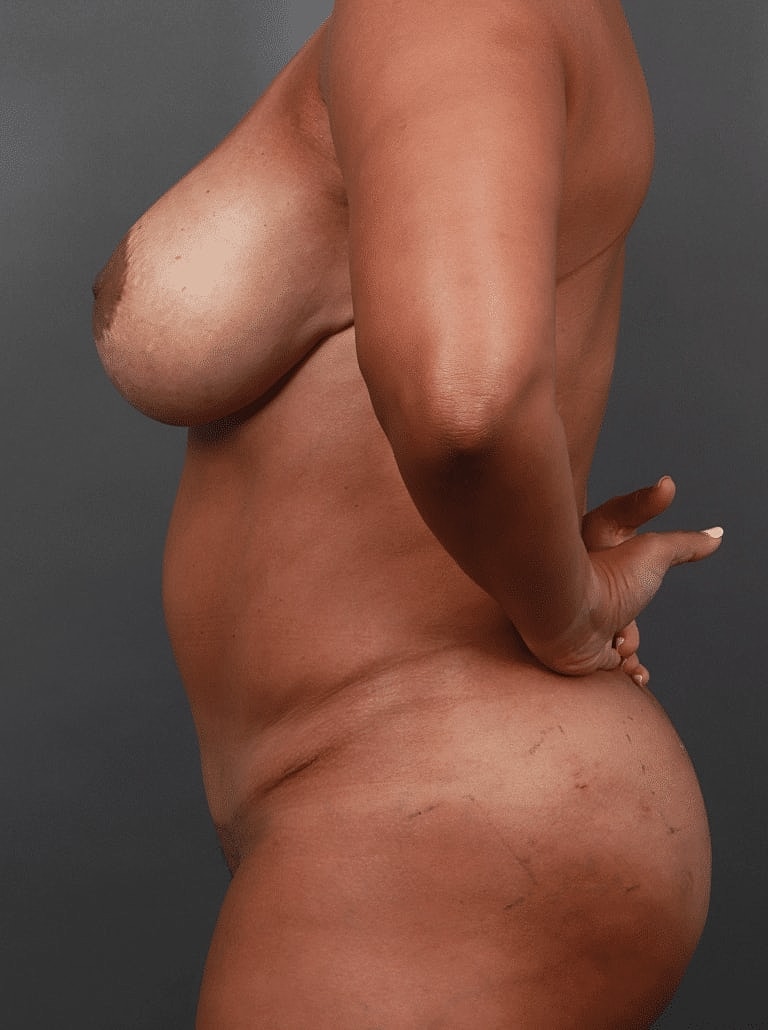
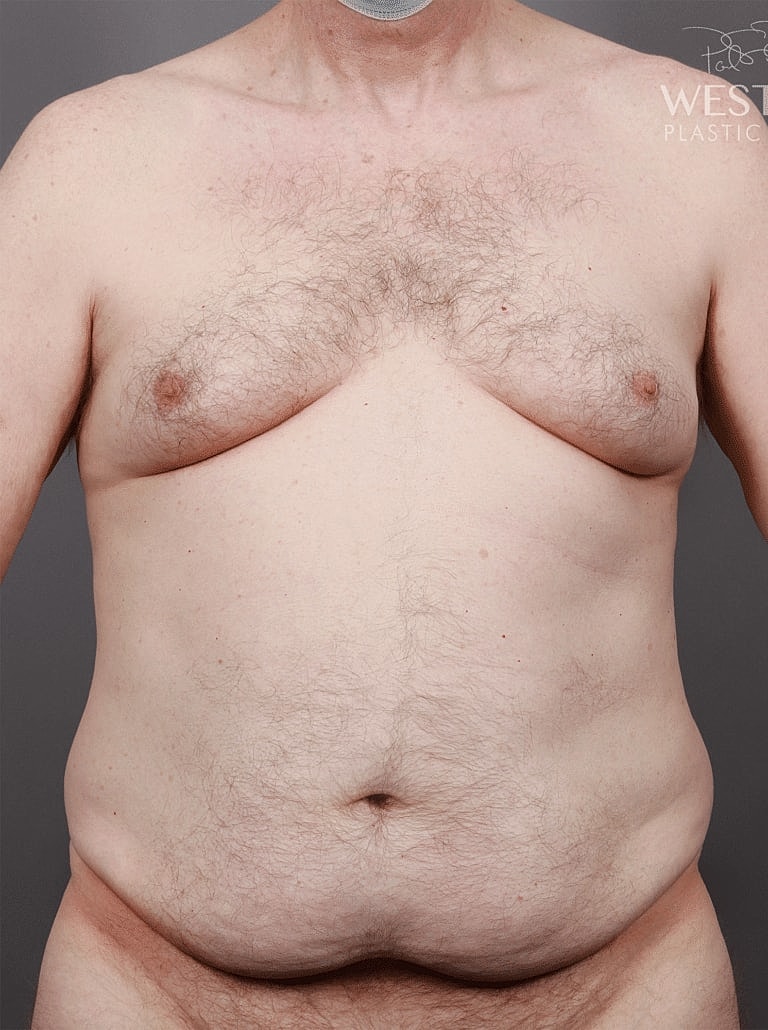
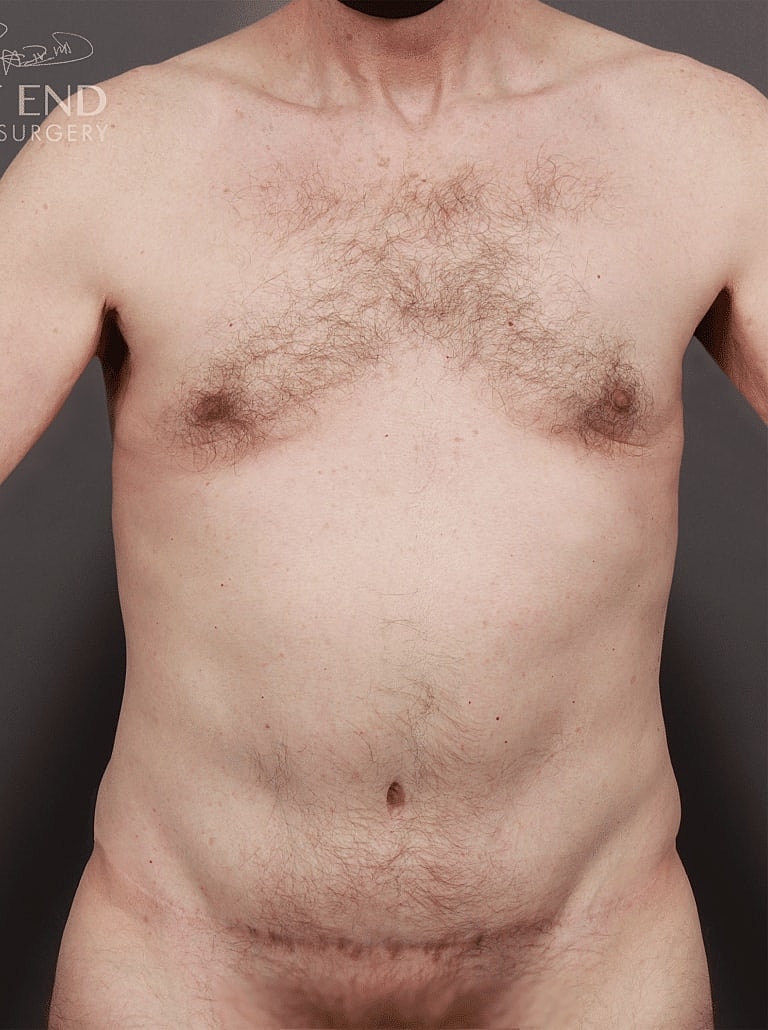
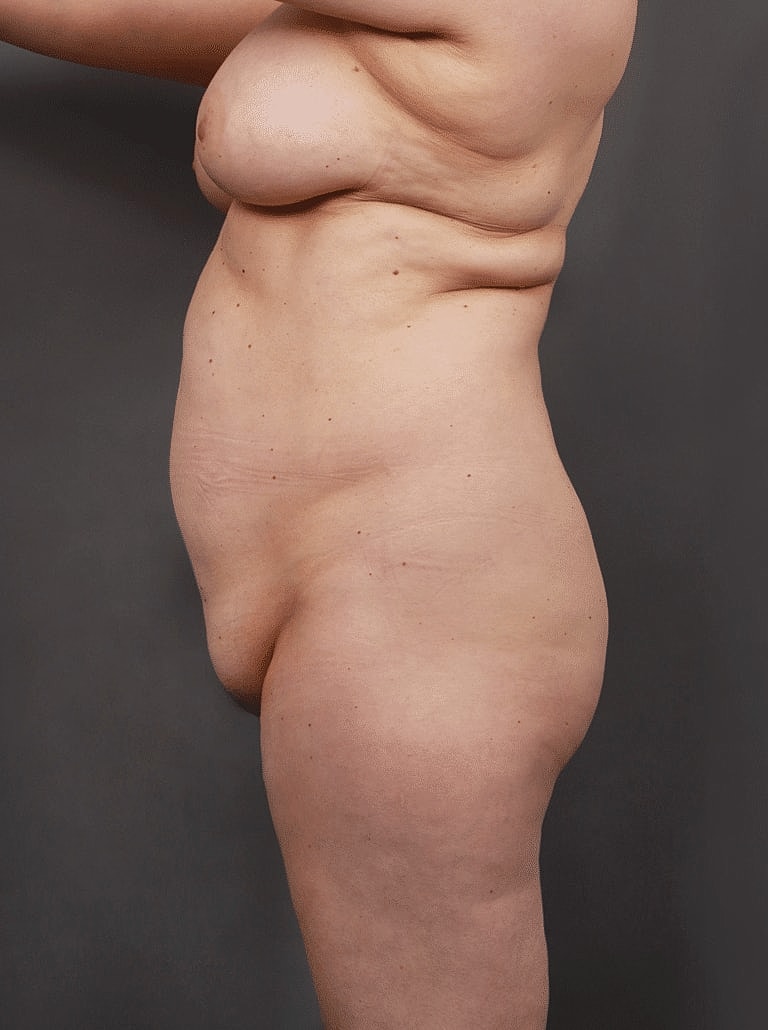
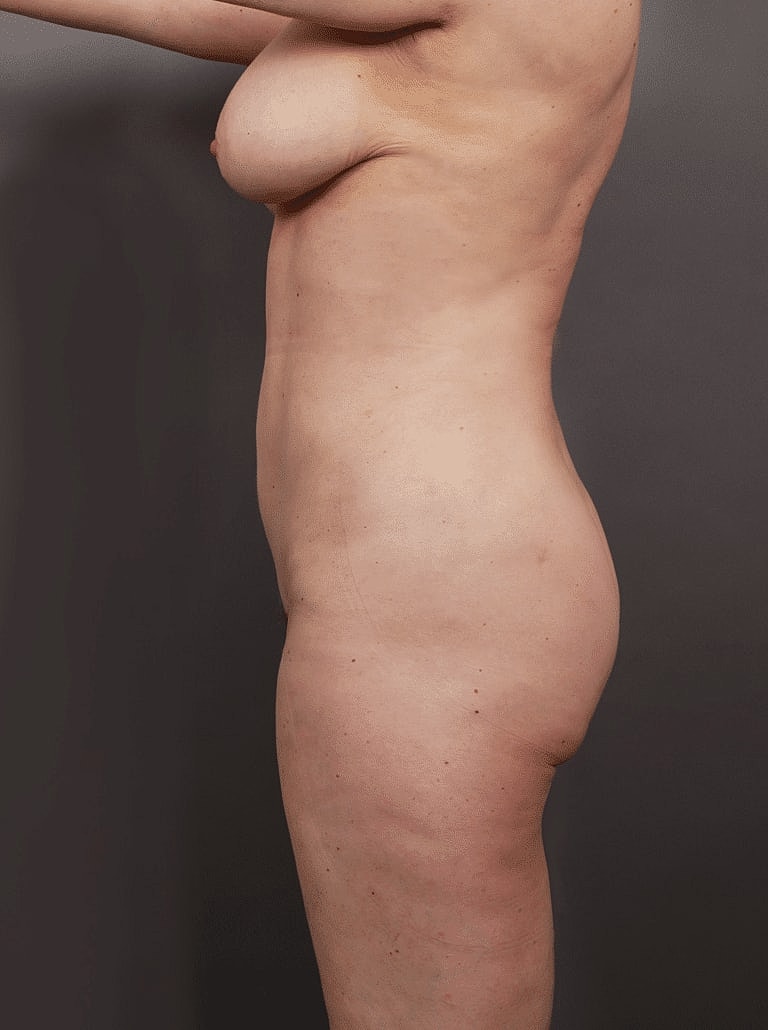
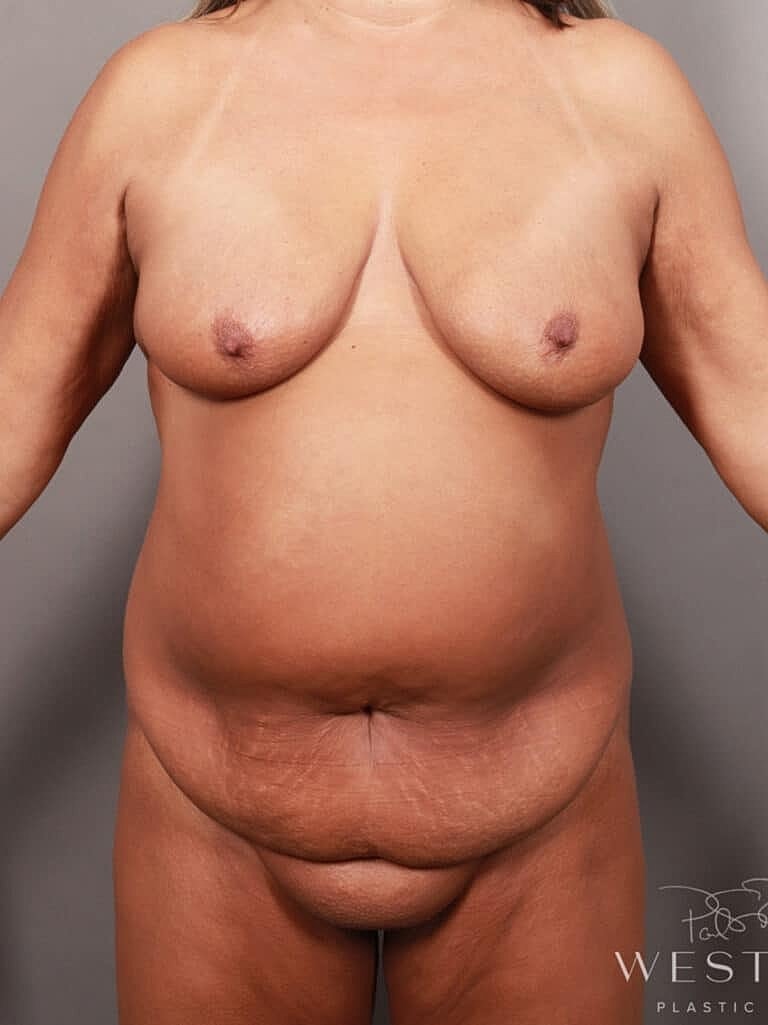
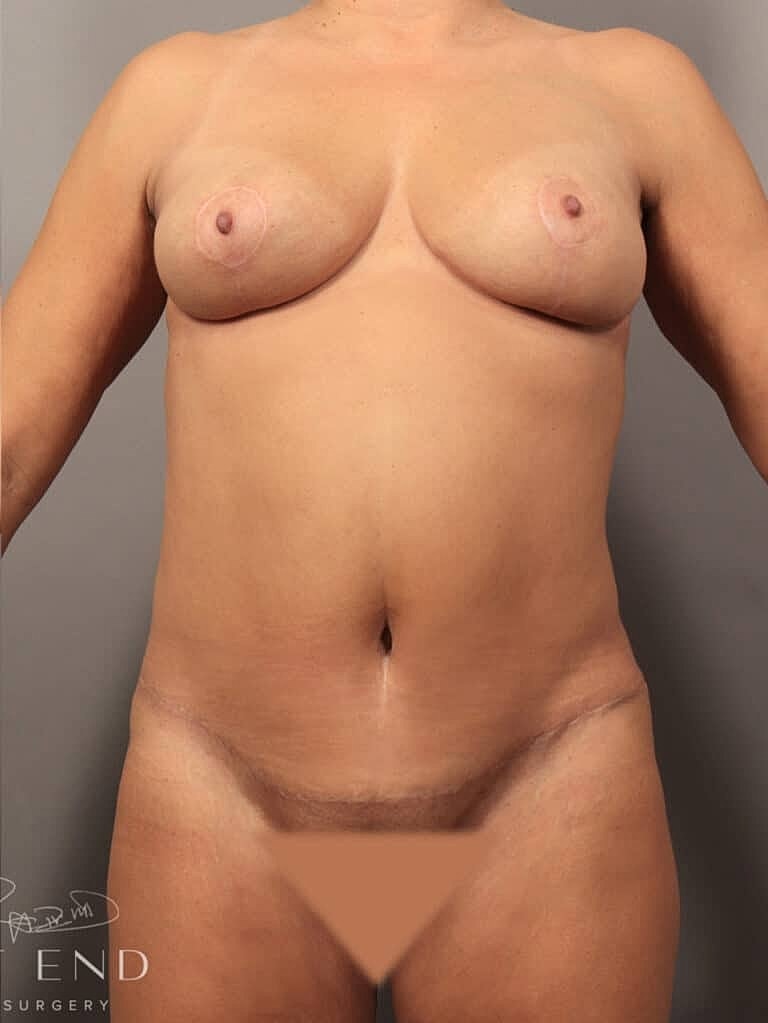
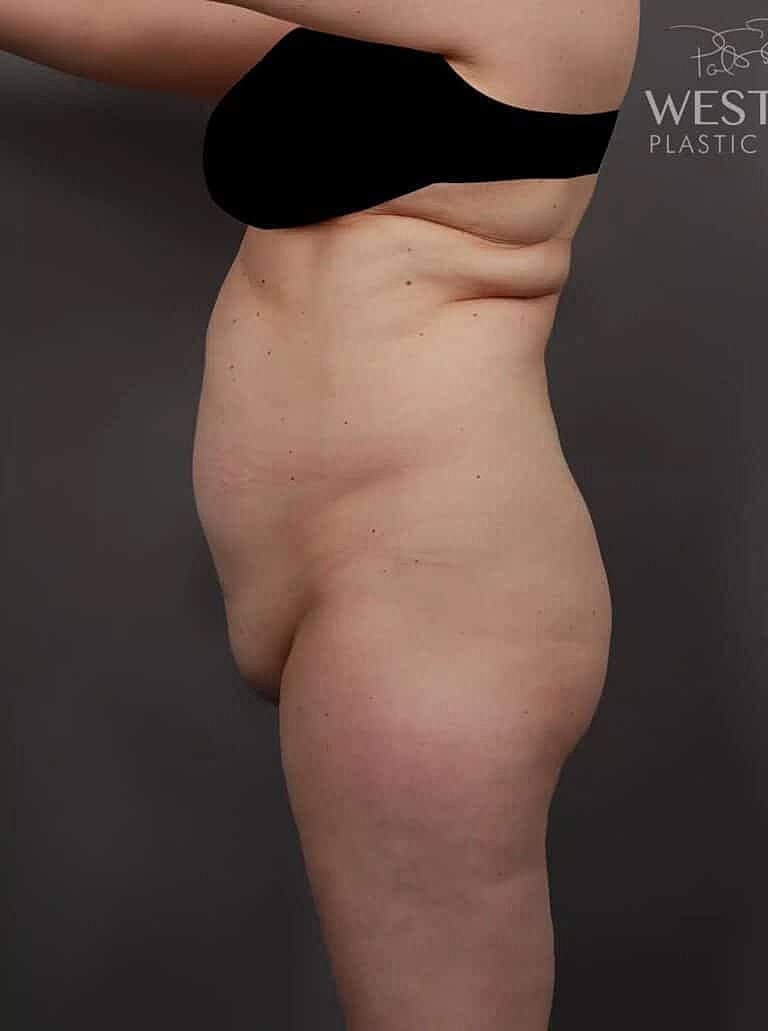
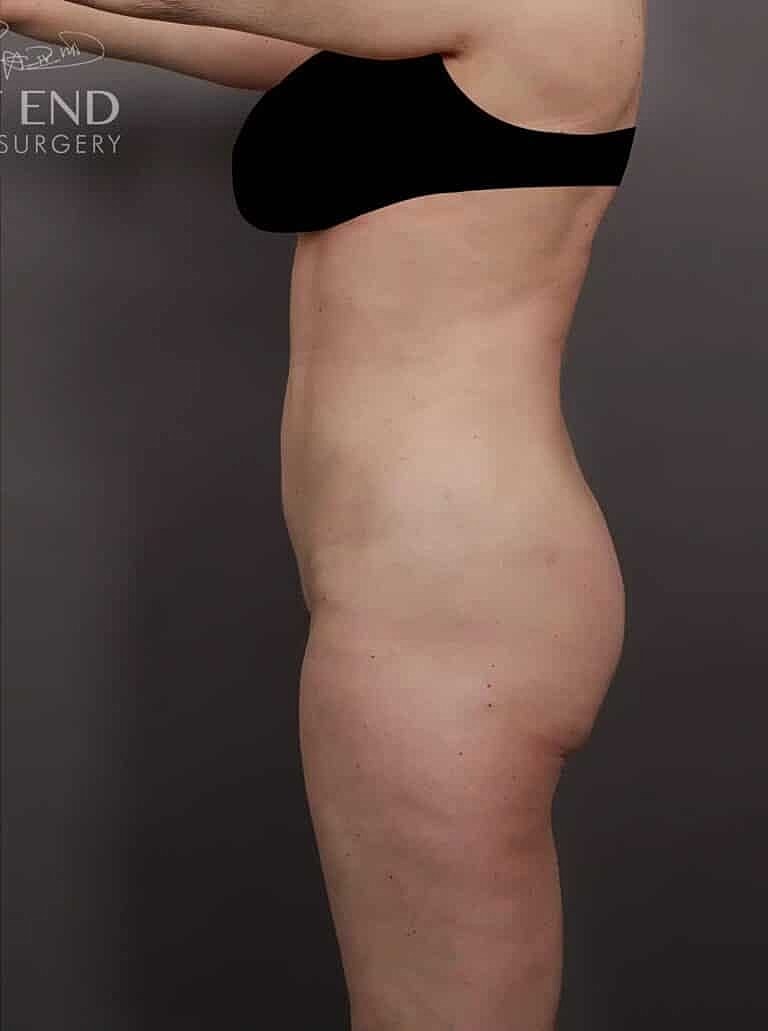
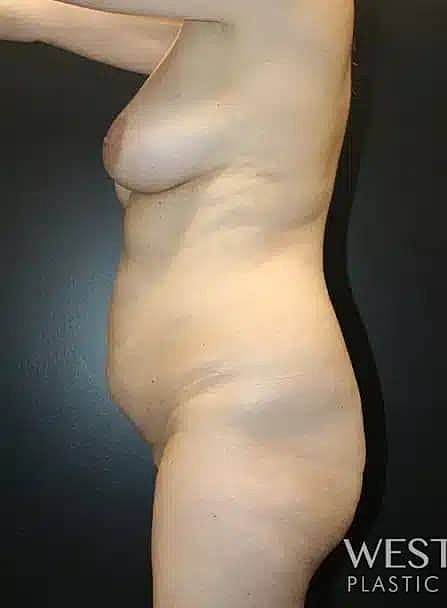
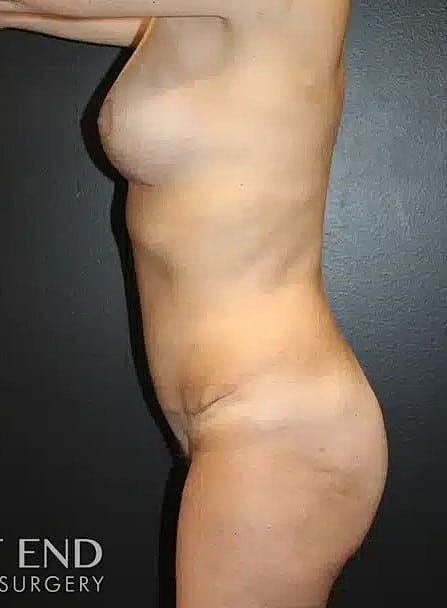
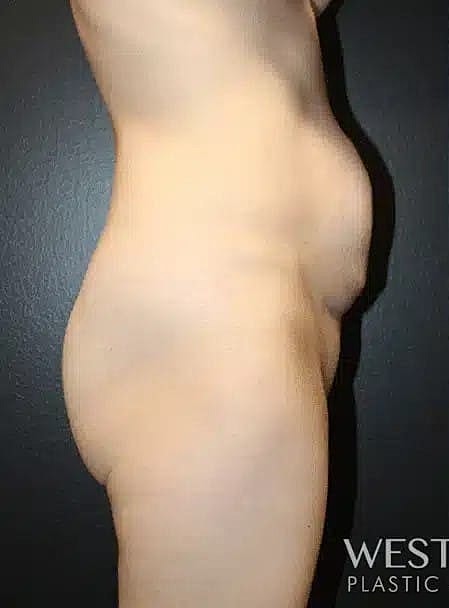
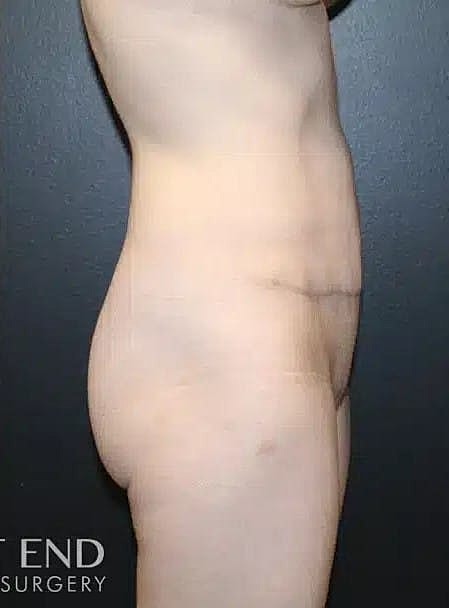
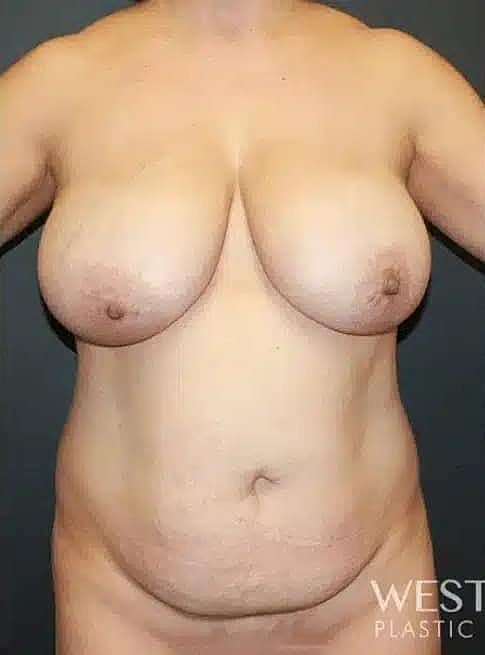
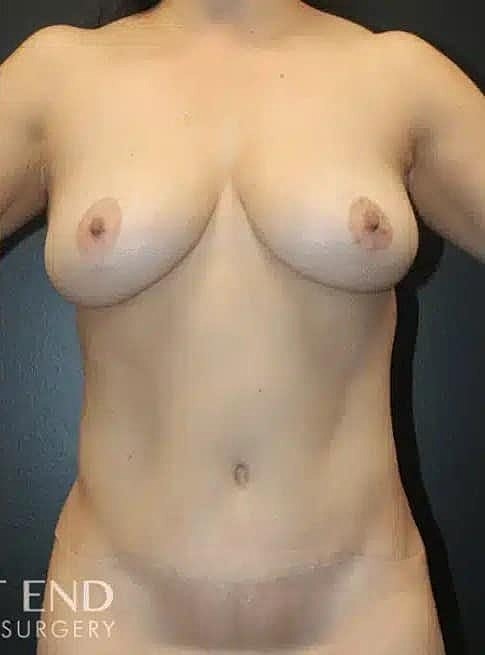
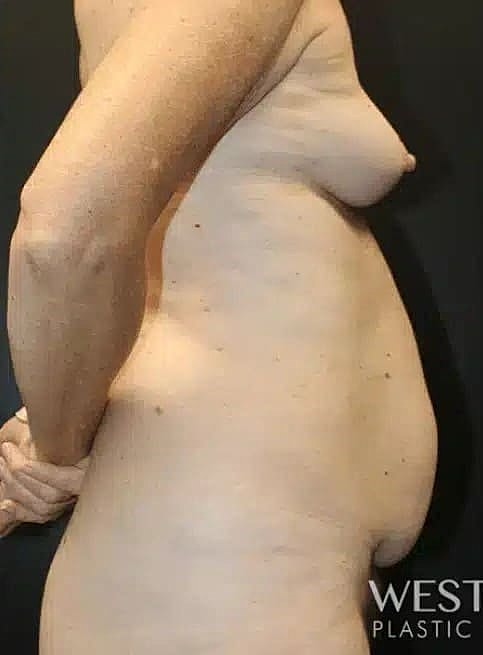
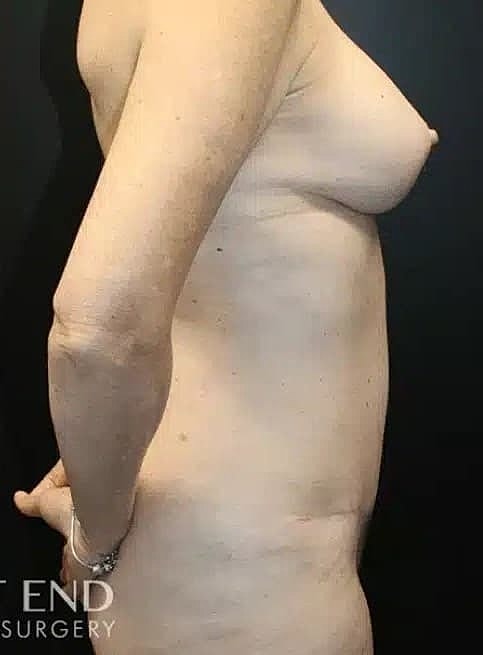
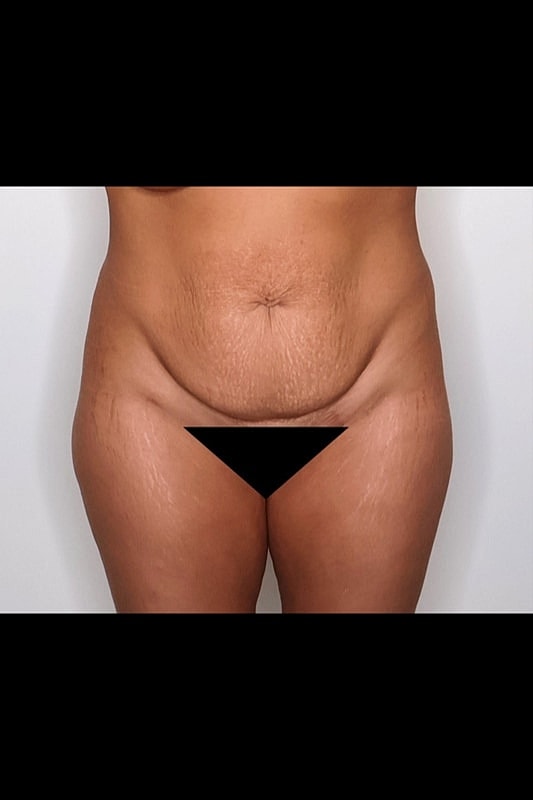
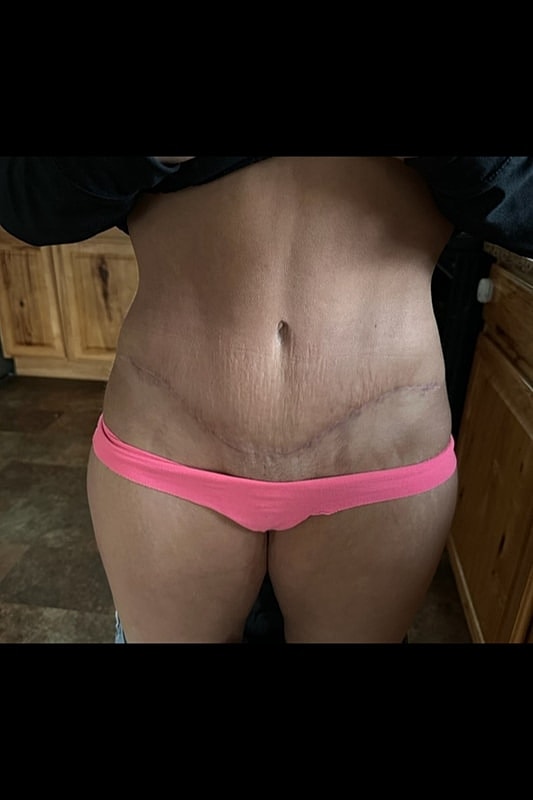
We’re as thrilled with our patients’ results as they are. Check out our before-and-after photo gallery and see for yourself the kind of work our talented surgeons do.
If you’ve lost a significant amount of weight, either after pregnancy or through exercise and dietary changes, excess skin and weakened abdominal muscles can leave you self-conscious about your appearance.
Dr. Paul G. Ruff IV and Dr. Amir Arsalan specialize in body contouring procedures such as abdominoplasty, commonly called a tummy tuck, at their Washington, D.C. practice.
Tummy tucks are classified into four categories: standard, mini, reverse, and modified, with each category resulting in a different rate of healing. The type of tummy tuck that will be used will be discussed in detail during your meeting with Dr. Ruff, Dr. Arsalan, and their staff, so that the most appropriate technique is used for your body.
A standard tummy tuck addresses excess skin, fat, and muscle laxity in the entire abdominal area, both above and below the belly button. It involves tightening the abdominal muscles and repositioning the navel to achieve a flatter, firmer midsection.
A mini tummy tuck is ideal for patients with mild skin laxity or a small pooch below the belly button. This less invasive option involves a shorter incision and does not typically address muscle separation above the navel.
A reverse tummy tuck targets excess skin and tissue in the upper abdomen, pulling it upward toward the chest rather than downward toward the pubic area. It's often used when patients have loose skin above the belly button but a tight lower abdomen.
A modified tummy tuck is tailored to the patient’s specific needs, such as partial muscle repair or limited skin removal, making it less extensive than a full tummy tuck but more corrective than a mini. This approach is customized to treat localized concerns without the need for full abdominoplasty.


In some cases, liposuction is combined with a tummy tuck for more comprehensive body contouring.
Your surgeon and the team at West End Plastic Surgery will:
You will need to provide:
Your tummy tuck surgery may be performed as an outpatient or inpatient procedure. The surgery is performed under general anesthesia and usually takes about 2 to 4 hours to complete. The doctor makes an incision across your abdomen; every effort is made to make the incision below the bikini line.
In some cases, the incision extends vertically up the middle of the abdomen. The placement of your incision will be discussed with you during your initial consultation, especially as it relates to clothing styles and swimwear.
Once the incision is made, the doctor removes unwanted skin, fat, and tissue and tightens your abdominal muscles. He injects a local numbing medication called EXPAREL® into the surgical area to provide pain relief after surgery for approximately 72 hours. Stitches are then used to close the incision.
Once the incision is stitched, gauze dressings are applied and an elastic abdominal binder is placed around your abdomen. You will wear this binder for several weeks to facilitate the healing process.
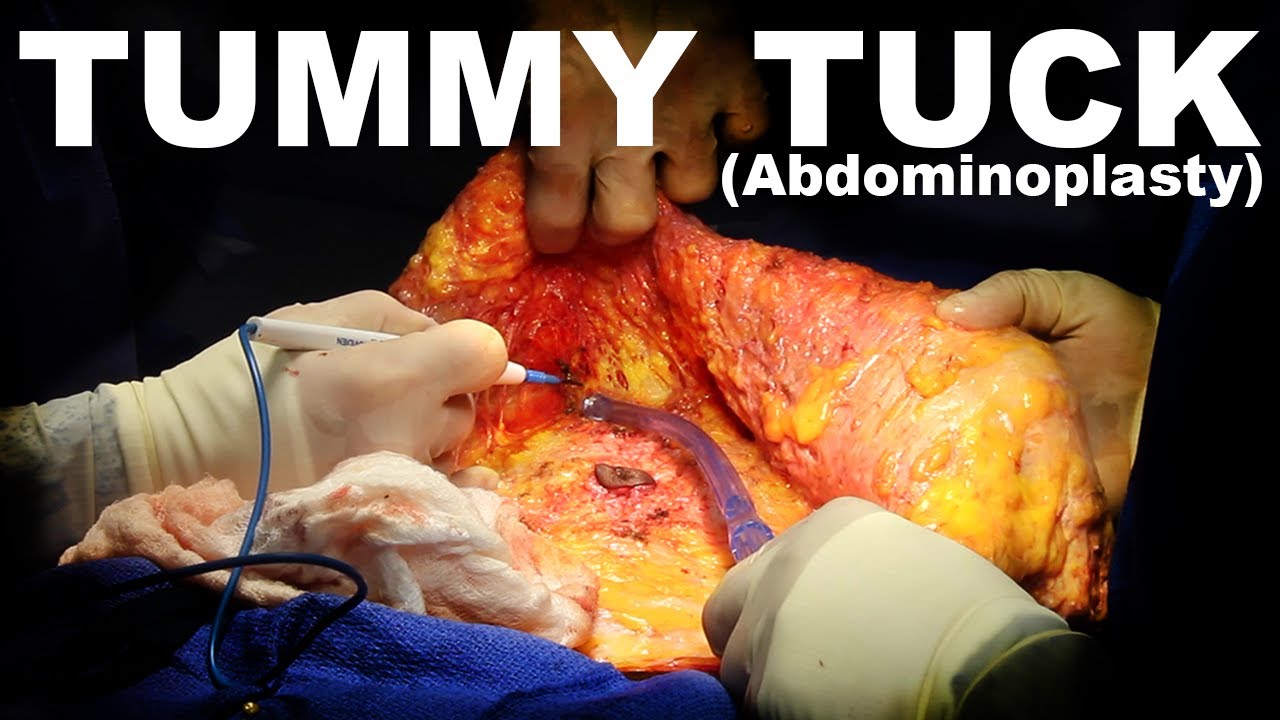

A tummy tuck offers transformative benefits for individuals looking to restore a firmer, flatter abdomen. By removing excess skin and fat and tightening weakened or separated abdominal muscles, it enhances core strength, posture, and body contours, especially after pregnancy or significant weight loss. The procedure can also reduce skin irritation, improve clothing fit, and help patients feel more confident and comfortable in their bodies.
If you have been unable to reduce your protruding stomach with weight loss or exercise, you are most likely a good candidate for a tummy tuck.
Individuals who have stabilized at their desired weight or who plan no additional pregnancies have better success with tummy tuck surgery.
A tummy tuck is often combined with either a breast lift or a breast augmentation and lift, in what’s often called a mommy makeover. Patients who have undergone significant weight loss often benefit from a tummy tuck as part of post-bariatric body contouring.

Once you go home, you will want to have someone stay with you for the first few days.
The application of EXPAREL during surgery provides pain relief for approximately the first 72 hours and eliminates the need for a pain pump. Your surgeon will prescribe pain medication to alleviate further discomfort.
Although you may not be able to stand up completely straight for at least a week after surgery, it is essential to start moving and walking within a day of the procedure. Once you return home, it is important to move around the house every few hours to reduce the chance of blood clots.

Activity | When |
|---|---|
| Shower | 2 to 3 Days After Surgery |
| Bath | After Drains are Removed |
| Back to Work | 2 to 6 Weeks After Surgery |
| Driving | 2 to 6 Weeks After Surgery |
| Strenuous Activity | 6 to 8 Weeks After Surgery |
| Fading of Scars | Several Months to 1 Year |
During the first 24 to 48 hours after your procedure, you will feel tired from the anesthesia and may experience mild to moderate discomfort. To reduce the chance of blood clots and to facilitate the healing process, it is important to start moving and walking within a day of your surgery. You will wear an elastic abdominal binder for several weeks after your surgery to provide gentle, healing pressure, support stability, and reduce swelling.
The stitches used during your tummy tuck surgery are dissolving. Occasionally, small tags left at the skin surface are clipped at an early postoperative office visit. The drains that were inserted into the surgical area will be removed within a week of your surgery. Upon release from the hospital, you will be instructed on how to take care of the drains, which are used to allow fluid to drain from the surgical area. You can shower the day after the drains are removed.
You will notice a marked improvement in your discomfort level during the first few weeks after your surgery:
During the first 2 weeks after surgery, you should also:

Tummy tuck surgery results in a flatter and smoother abdomen because the abdominal muscles and stretched skin are tightened during the procedure. The results of the surgery are permanent except in cases of large weight gain or pregnancy after surgery.
At West End Plastic Surgery, our board-certified plastic surgeons use the latest techniques in aesthetic surgery to create natural, balanced results. We focus on personalized care, patient safety, and attentive support throughout your healing process. Dr. Ruff and Dr. Arsalan are dedicated to helping you achieve the body you want safely and appropriately. Therefore, you will meet at length with the staff before scheduling your tummy tuck surgery. At this meeting, your abdominal muscles will be evaluated, and you will discuss how you want your abdomen to look after your surgery. Our team combines technical precision with compassionate care, ensuring every patient feels supported from consultation through recovery.
If you’re considering getting plastic surgery to improve the appearance of your abdomen, request a consultation online.
Or call our office at (202) 785-4187 to speak with a staff member at West End Plastic Surgery and schedule a consultation. Our practice serves Washington, D.C, and the surrounding areas.
A mini tummy tuck targets only the lower abdomen, while a full abdominoplasty addresses the entire stomach area, including muscle repair and skin removal.
Yes, a tummy tuck scar is typically placed low on the abdomen, near the pubic hairline, and fades over time.
Yes, stretch marks on the abdominal skin below the belly button may be removed along with extra skin.
No, it is not a weight loss surgery, but it can refine the shape of your abdomen after significant weight loss or pregnancy.
The cost of a tummy tuck starts at around $10,500. The price will vary depending on the extent of treatment necessary to deliver your desired results. During your consultation, our surgeons will assess your cosmetic goals and develop a treatment plan tailored to meet your needs. The starting price is provided for your convenience, and it is important to note that it does not encompass facility or anesthesia fees. The comprehensive cost, inclusive of all potential fees, will be confirmed during your visit.
We also offer financing options, including CareCredit® and PatientFi®, to help you with the cost of your cosmetic surgery.
Everyone heals at different rates, and you are the best judge of when you are ready for certain activities, but the following are general guidelines:
Dr. Ruff and Dr. Arsalan at West End Plastic Surgery are among the first specialists in the Washington, D.C. area certified to perform VASERlipo™ liposuction, a much gentler form of liposuction that can be used to remove fat in the area near your tummy tuck. Additionally, a breast lift and/or breast reduction are very common procedures to be combined with a tummy tuck.
Like all surgical procedures, there are risks with tummy tuck surgery. During your initial consultation with Dr. Ruff, Dr. Arsalan, or our surgeons, your individual risks will be assessed and discussed, and it will be determined whether you are a good candidate for the procedure. As with any surgery, you can help reduce the risks by closely following the pre- and post-surgery instructions provided to you. Your surgeon and their team will be with you every step of the way to ensure a safe and beautifully contoured outcome.
Tummy tuck surgery is considered cosmetic surgery and, therefore, is not covered by insurance. You are responsible for the full payment of the procedure. We will fully discuss cost and payment information during your initial consultation.
Some patients may do well with non-excisional techniques such as liposuction. The patient’s goals for contouring are critical in determining which technique is best. For severe skin and muscle laxity, abdominoplasty is the only technique that restores desired contour and tone.