Breast Reduction Surgery in Washington, D.C.




Breast reduction, or a reduction mammoplasty, is a procedure wherein fat, skin, and glandular tissue are removed from the breasts.
The result of this is smaller, more comfortable breasts. Excessively large and heavy breasts can undermine your confidence and cause health problems that affect your quality of life. Relief is possible at West End Plastic Surgery in Washington, D.C. through breast reduction surgery. Our surgeons are highly trained with significant experience in cosmetic breast surgery, including breast reduction.


In this surgical procedure, excess breast tissue, fat, and skin are removed from very large, heavy, or hanging breasts. Benefits of receiving breast reduction surgery include:
Be sure to ask your doctor about what will personally benefit you from this procedure. The best way to ensure being happy with your results is to have realistic expectations.
1 of 14
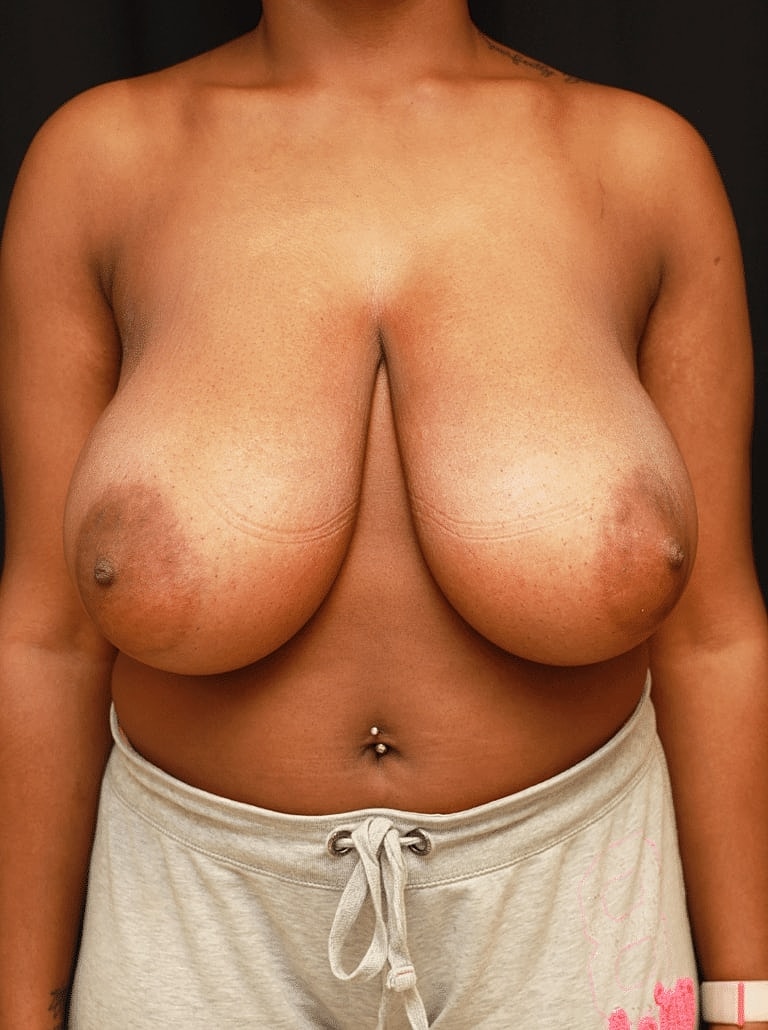
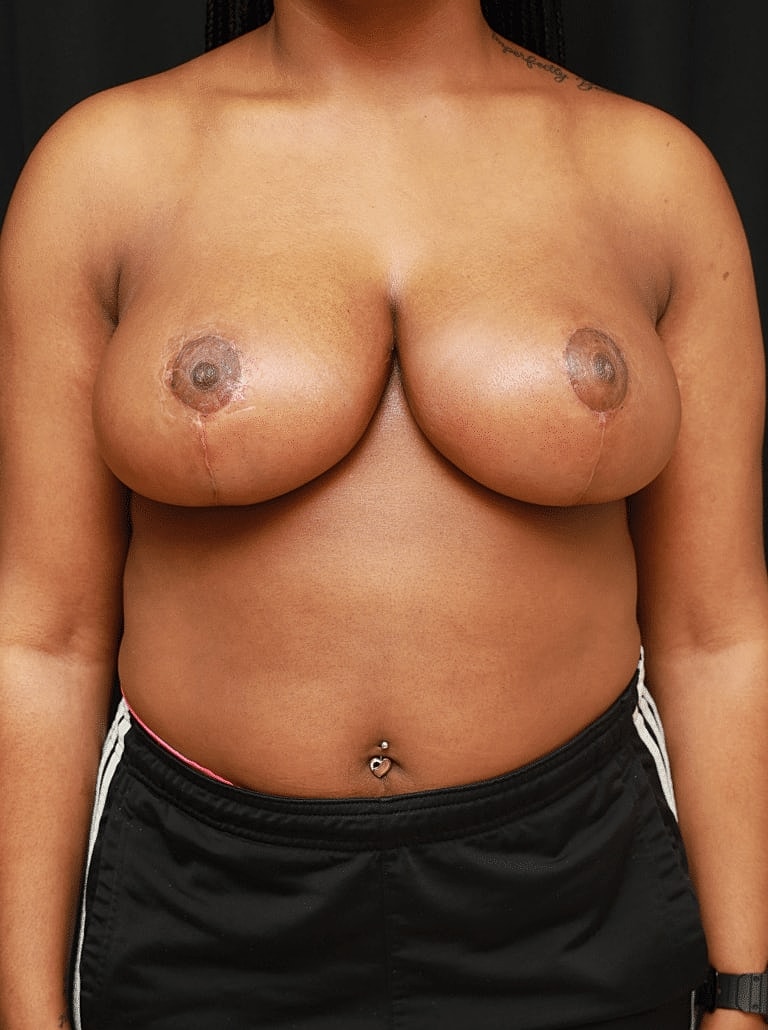
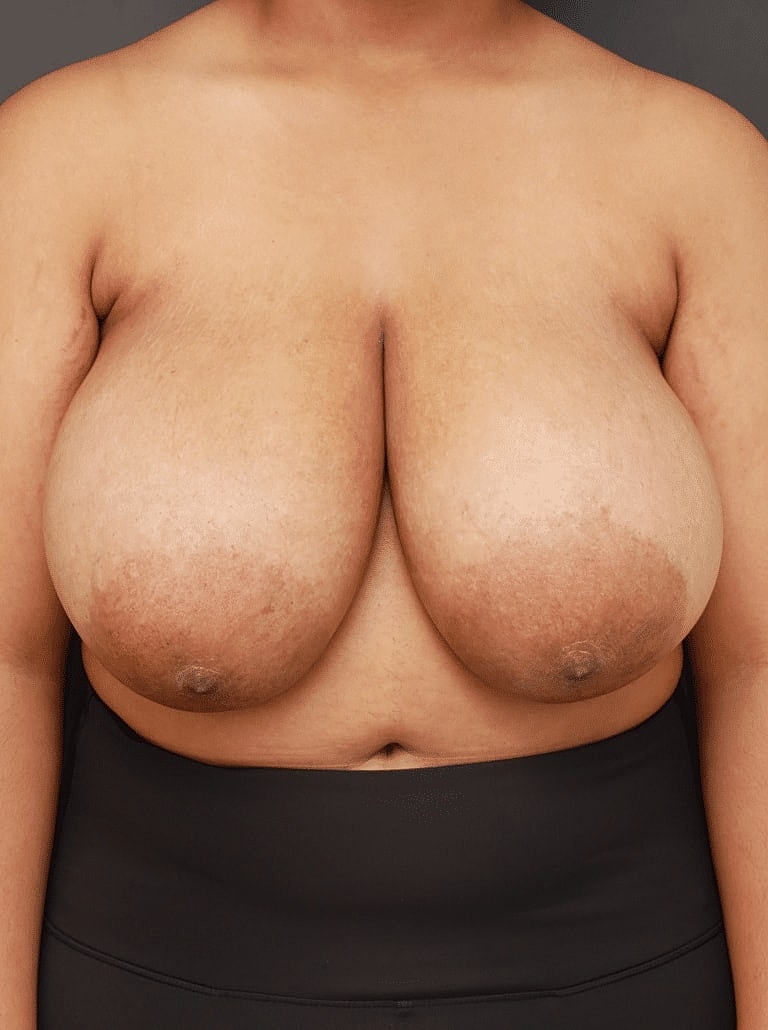
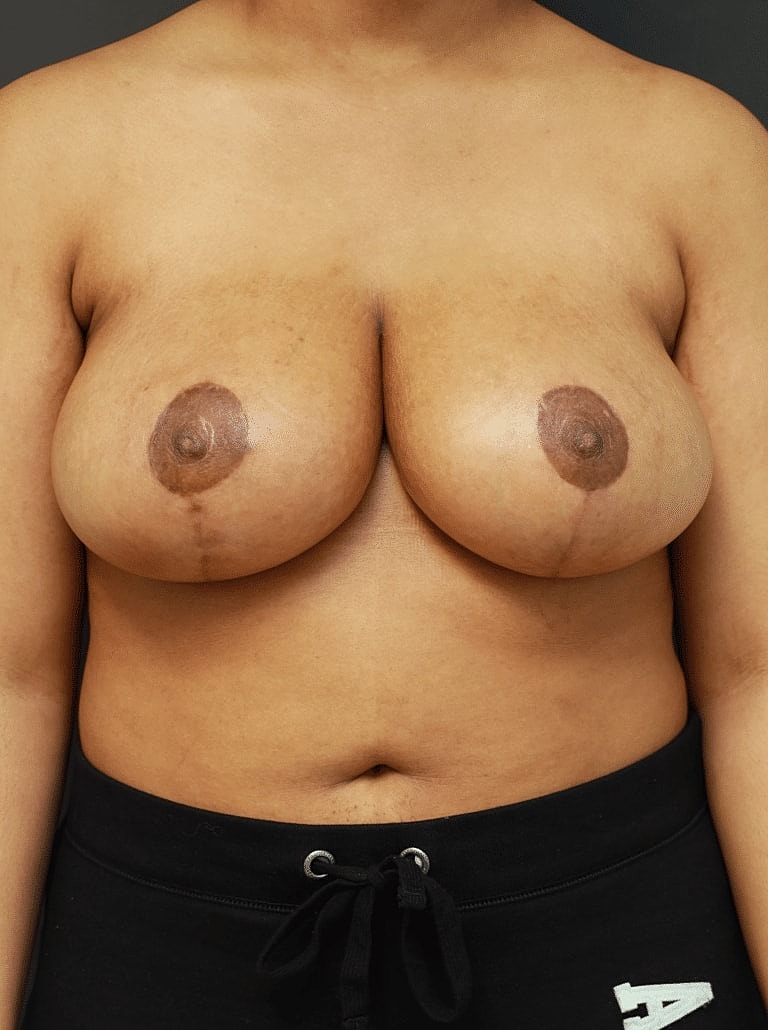
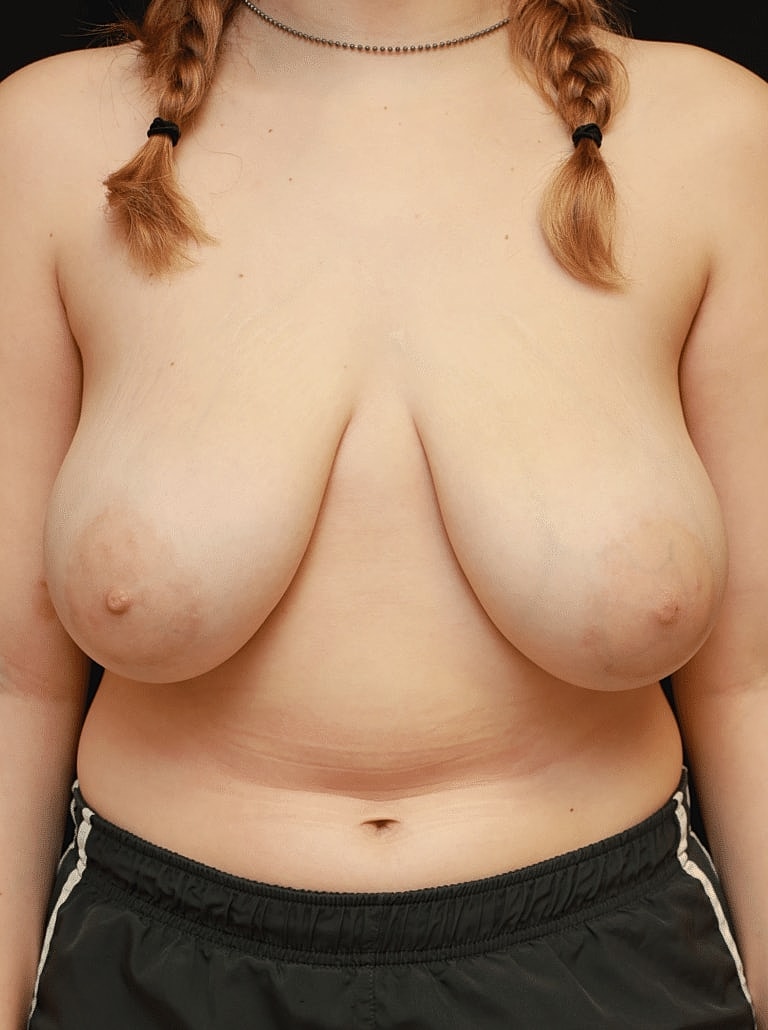
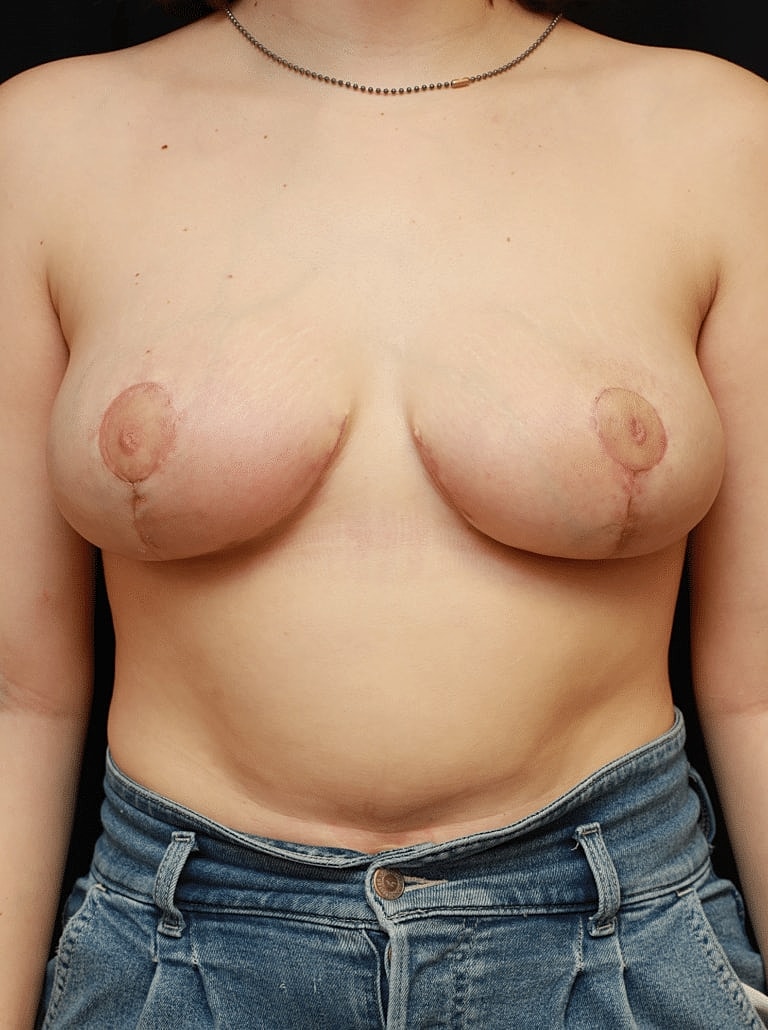
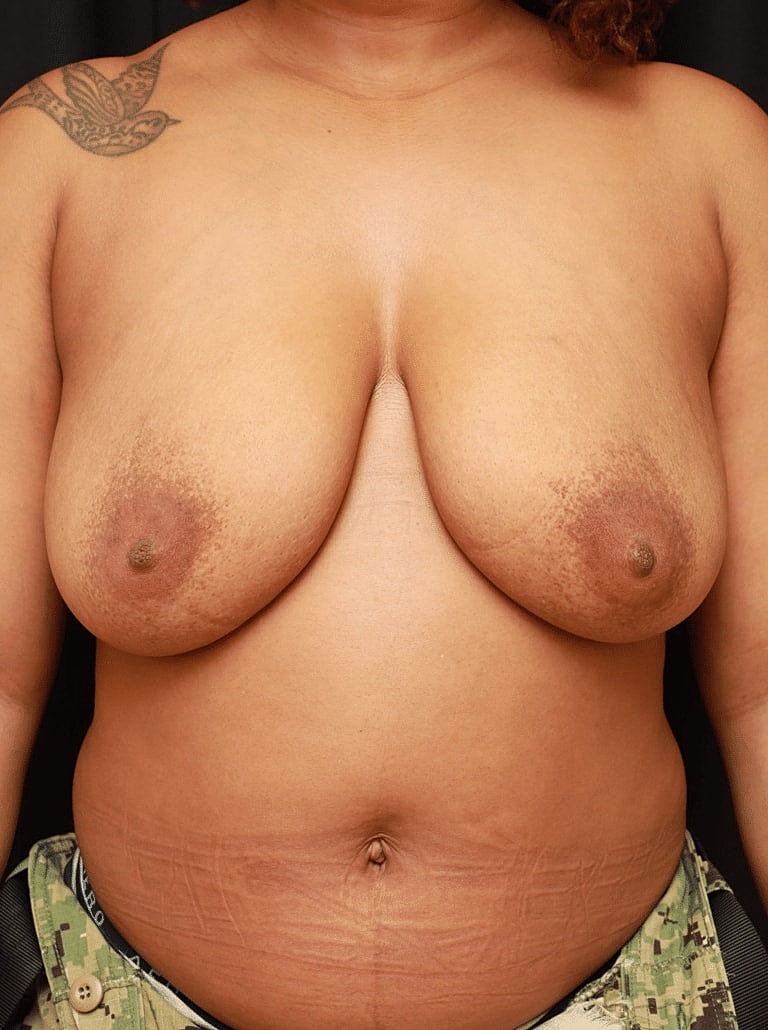
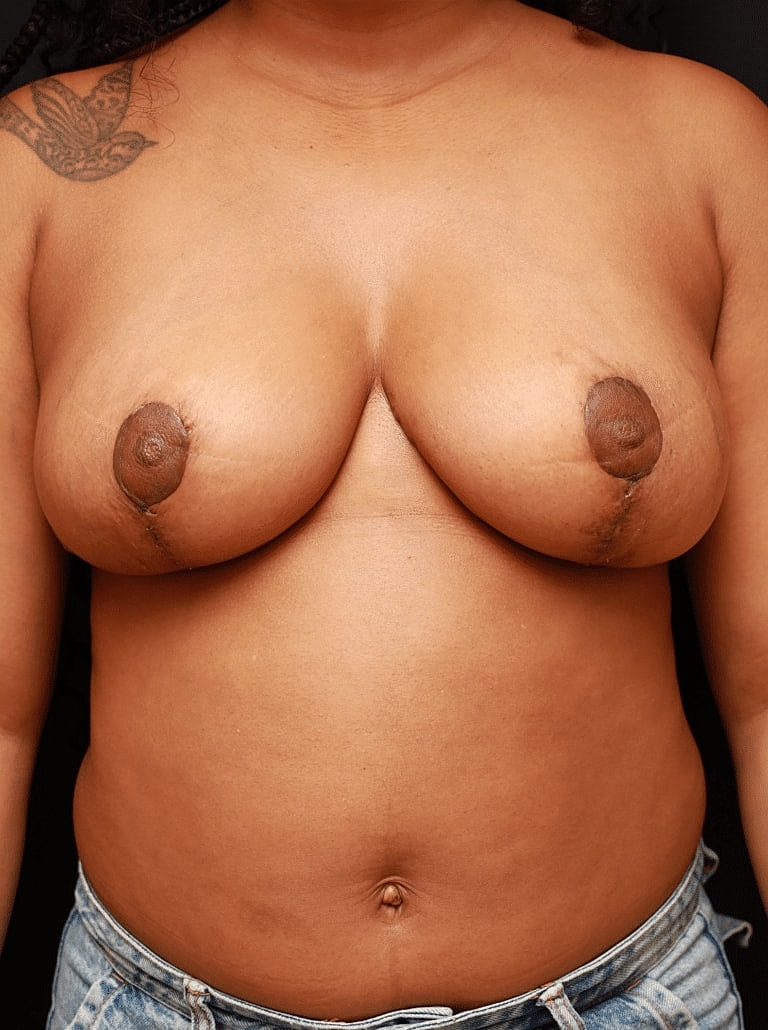
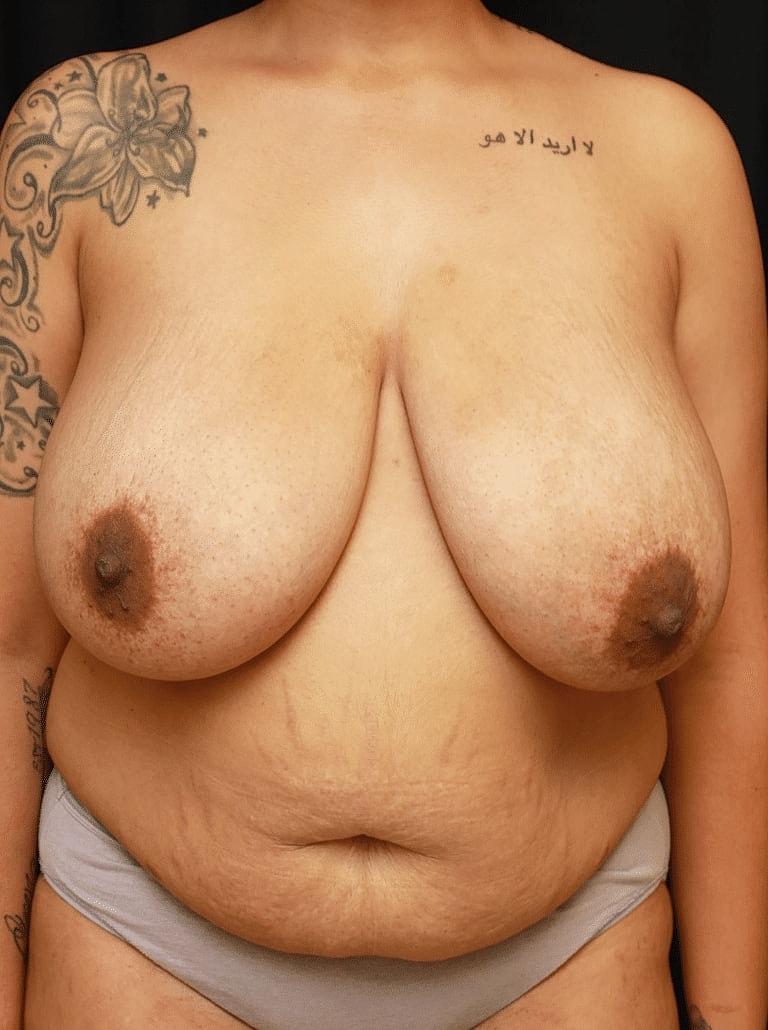
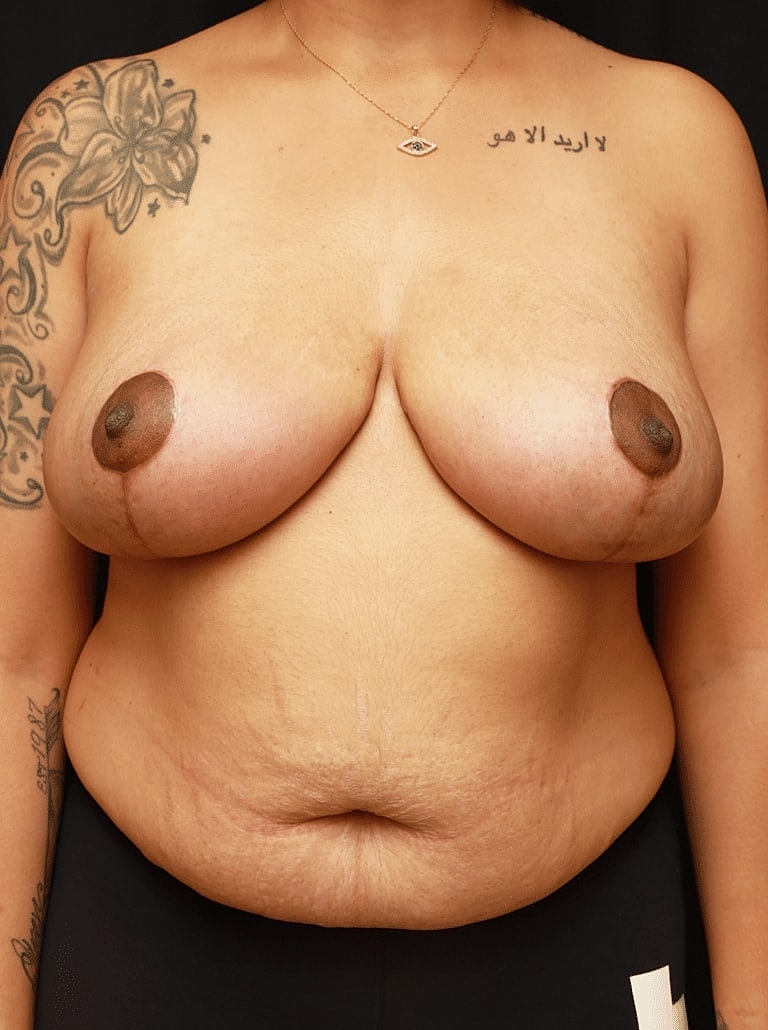
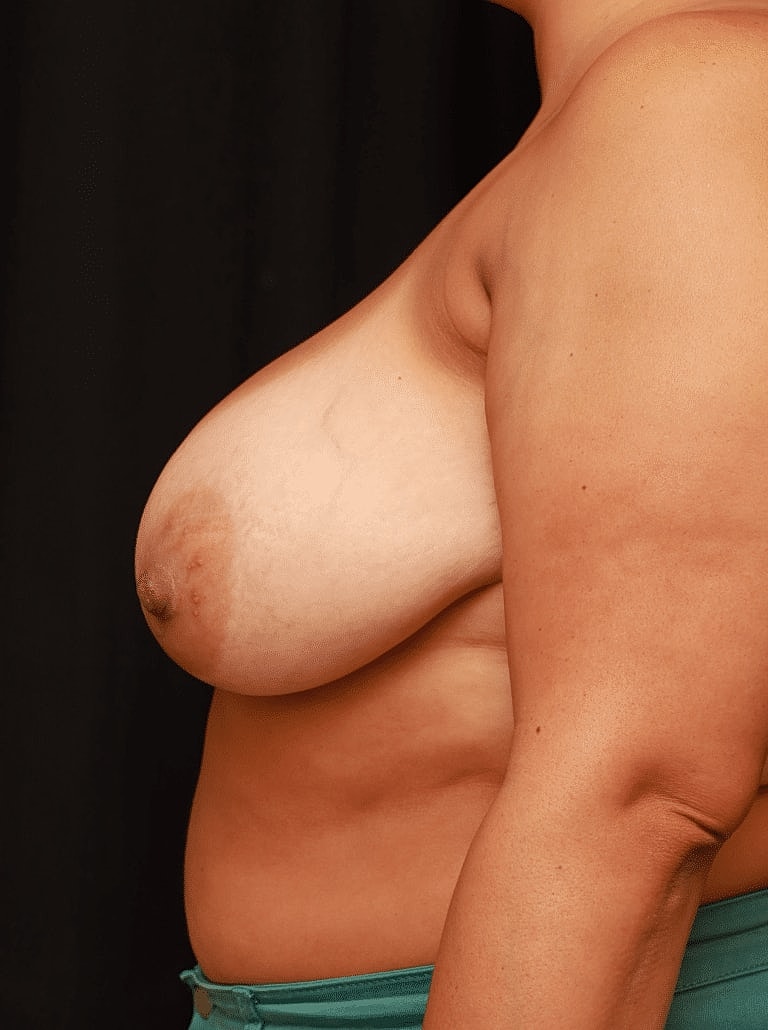
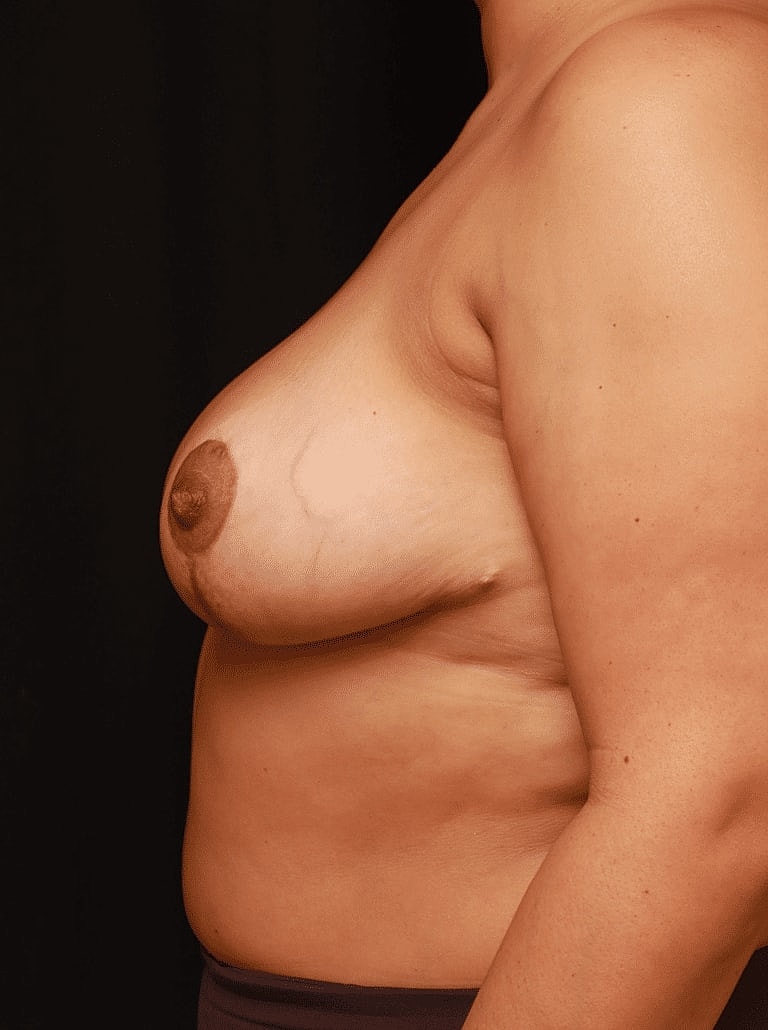
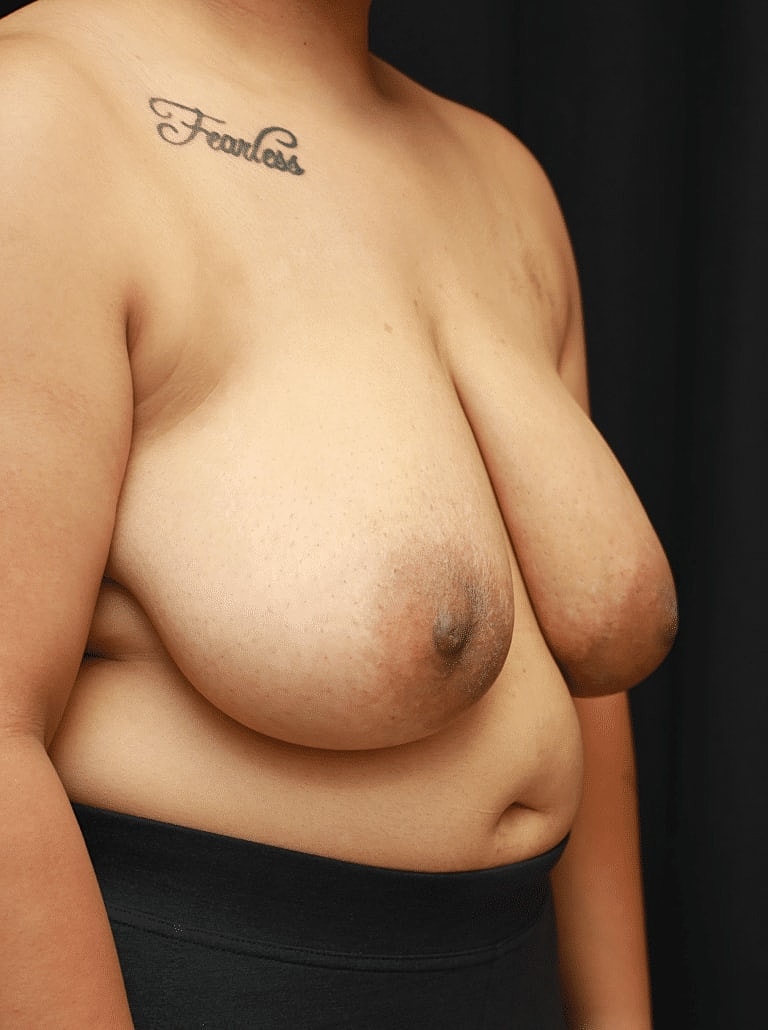
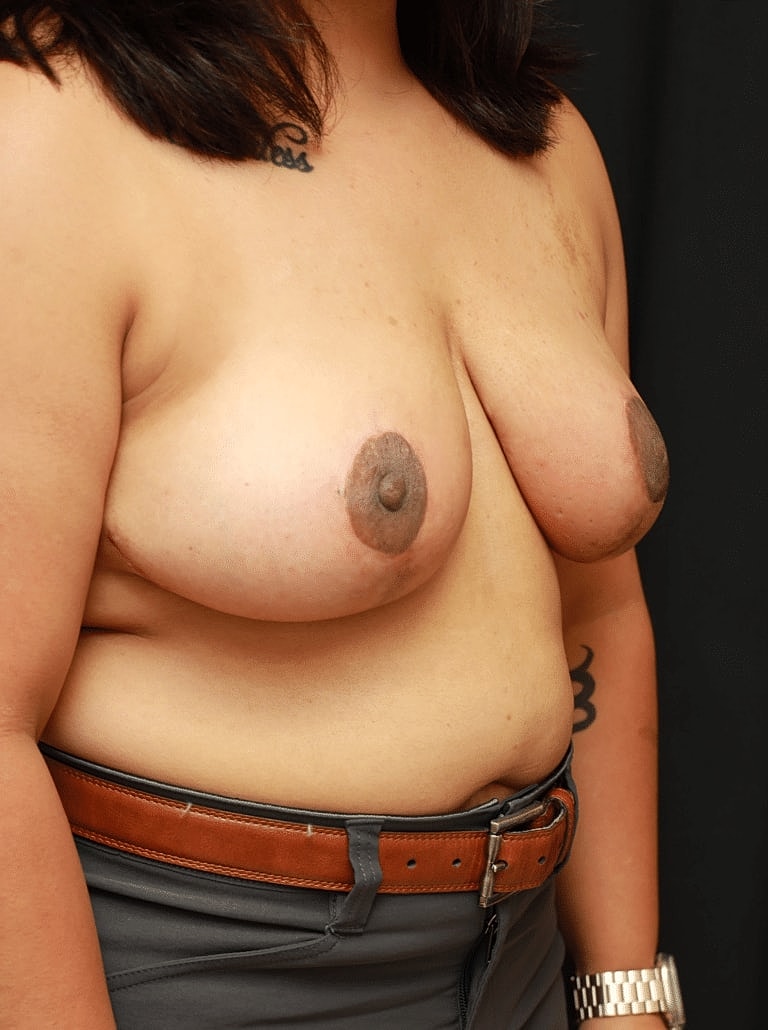
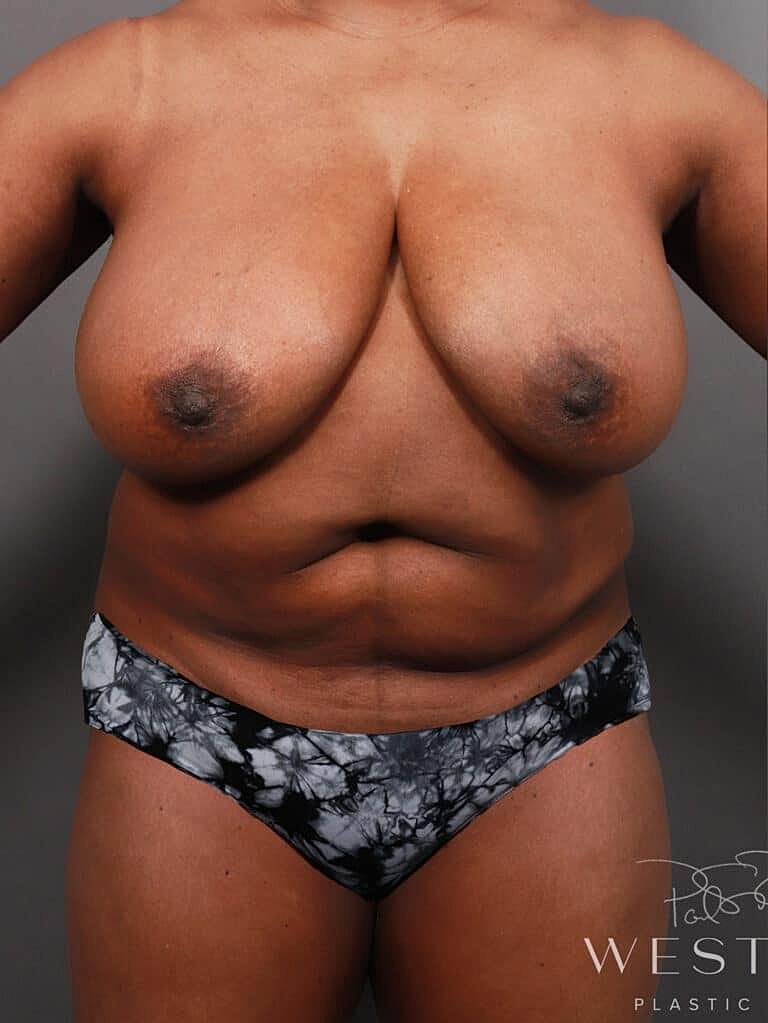
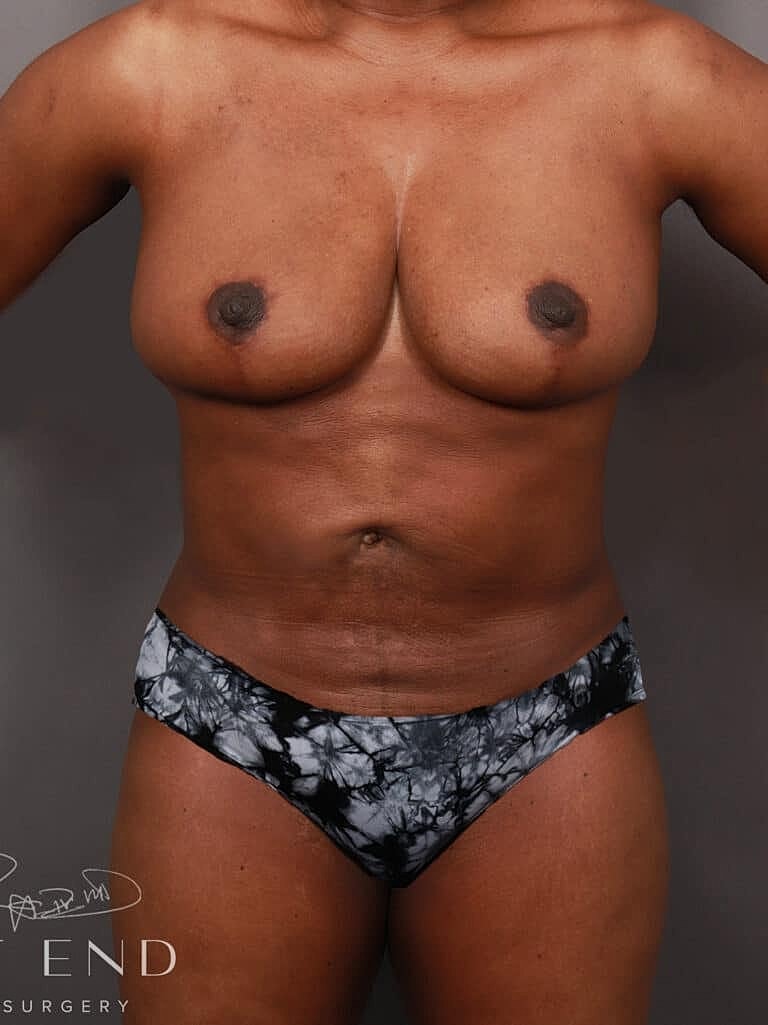
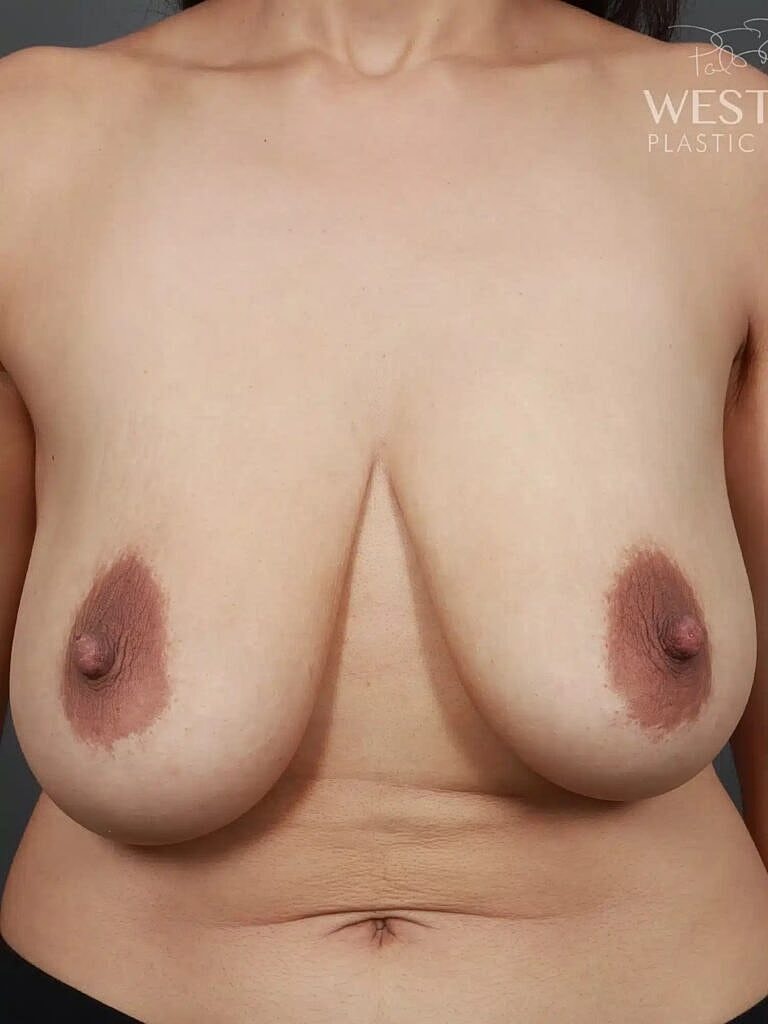
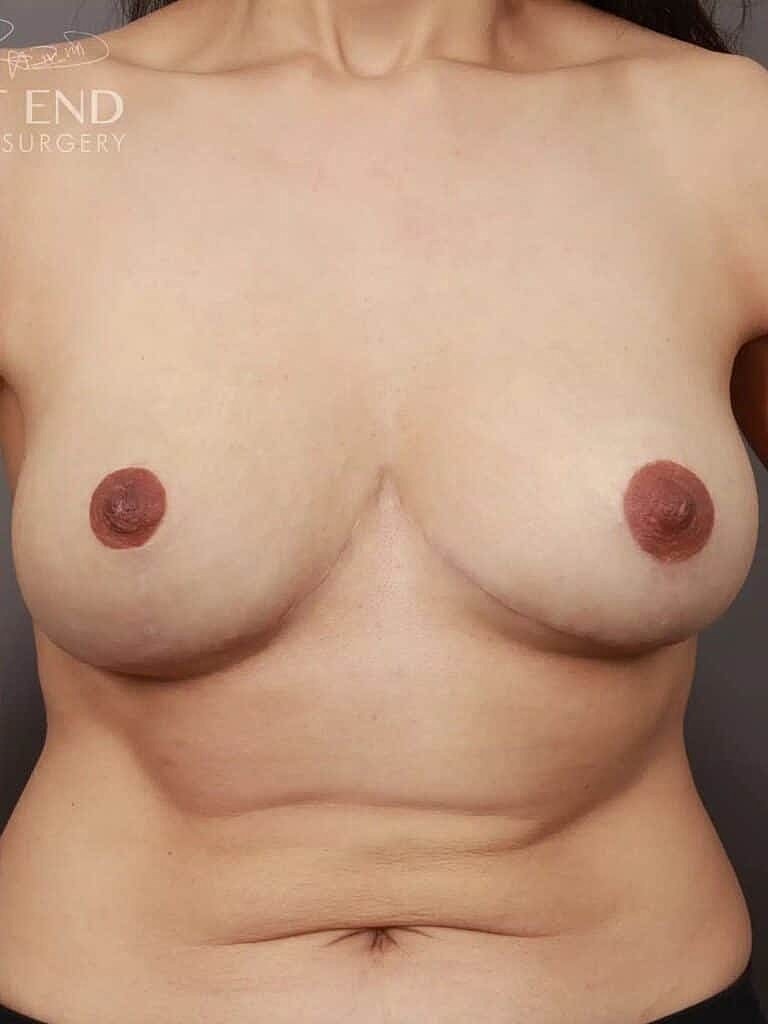
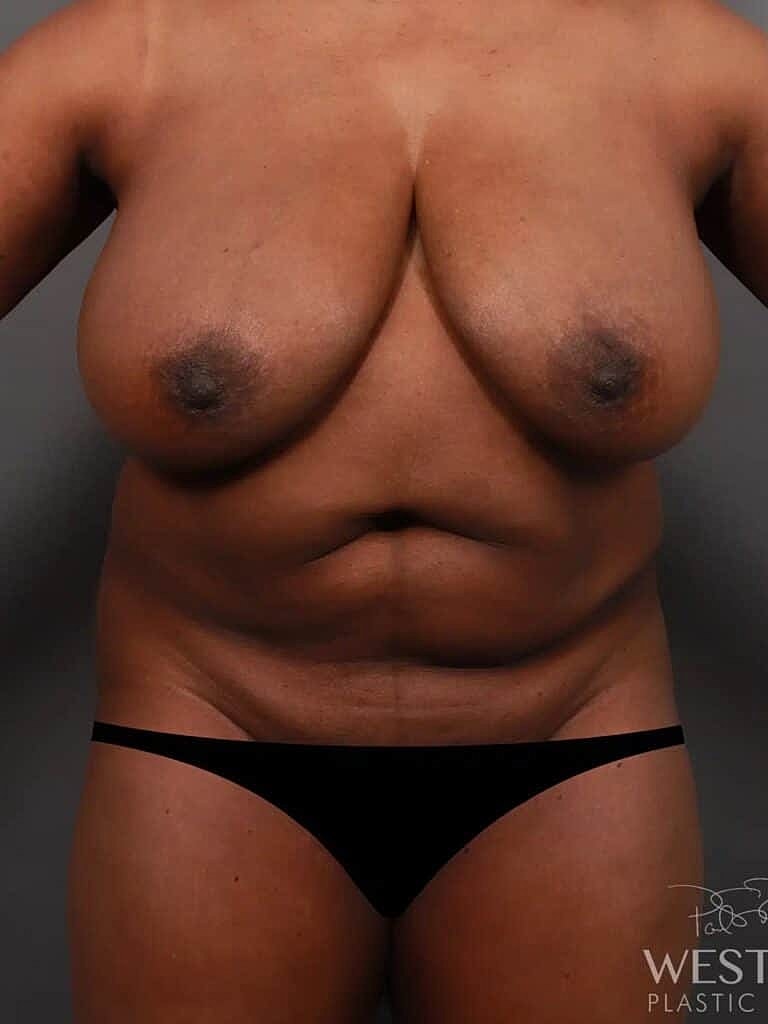
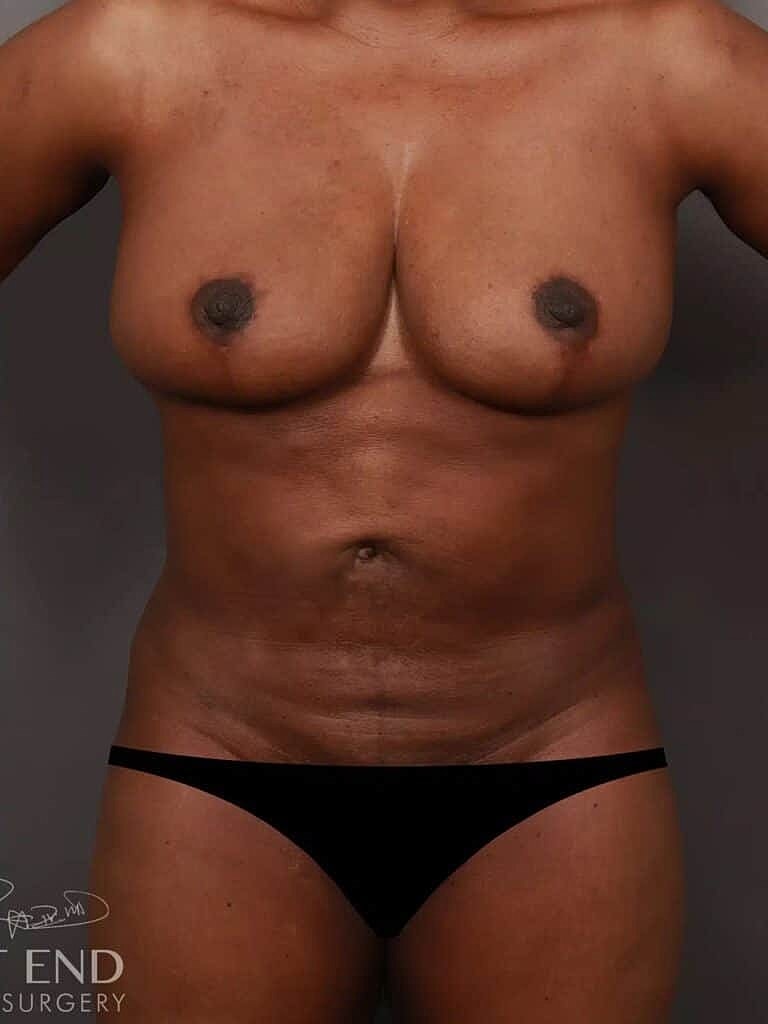
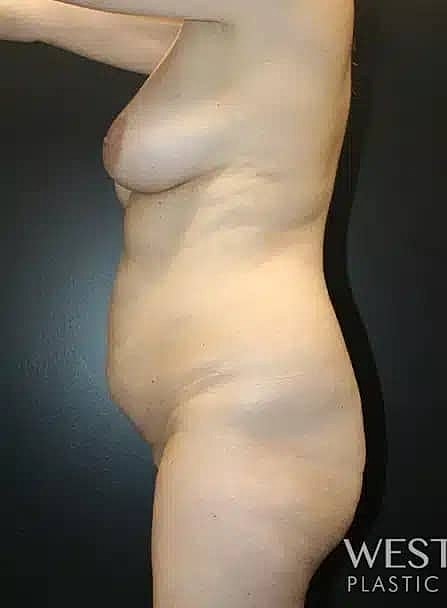
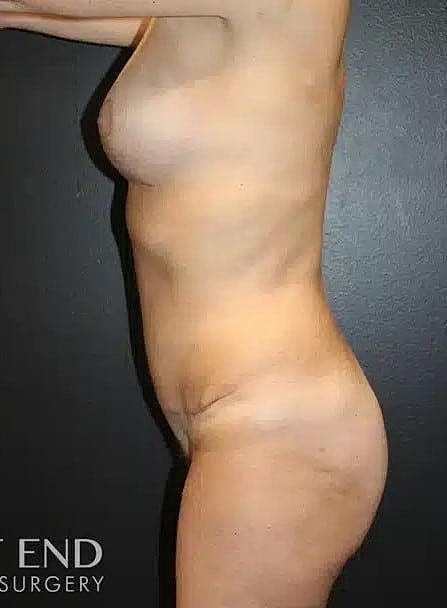
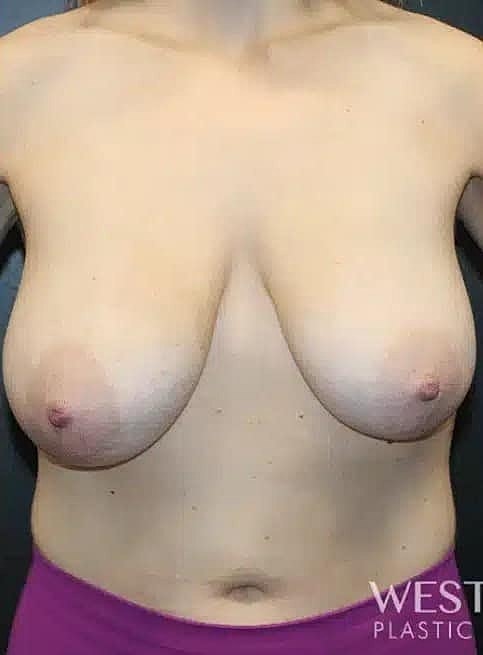
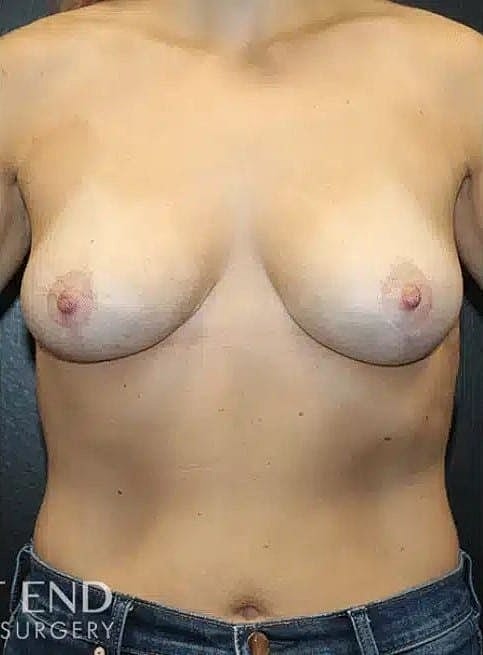
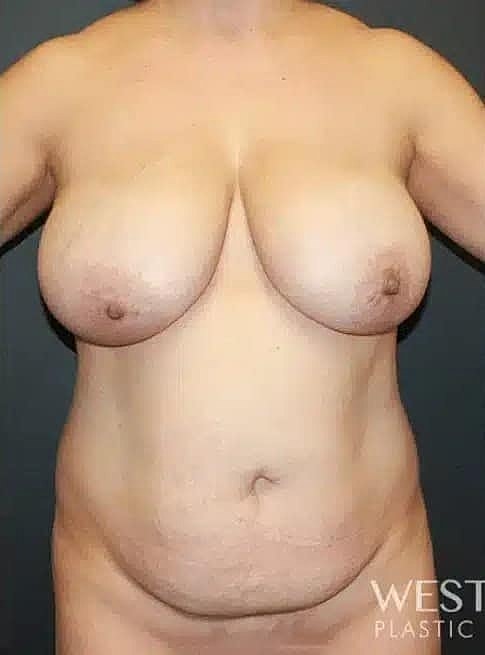
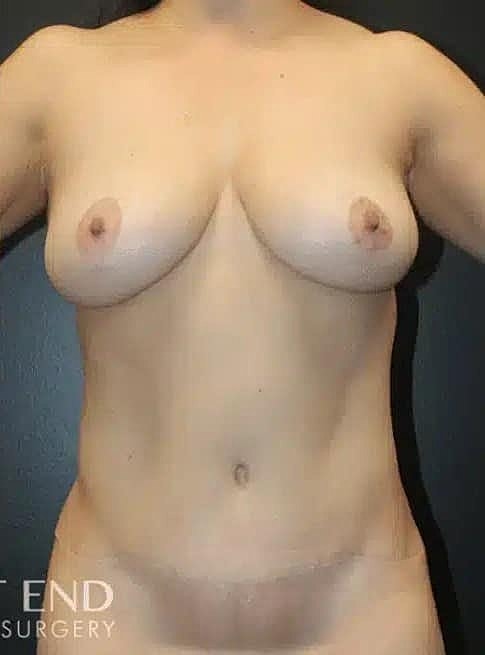
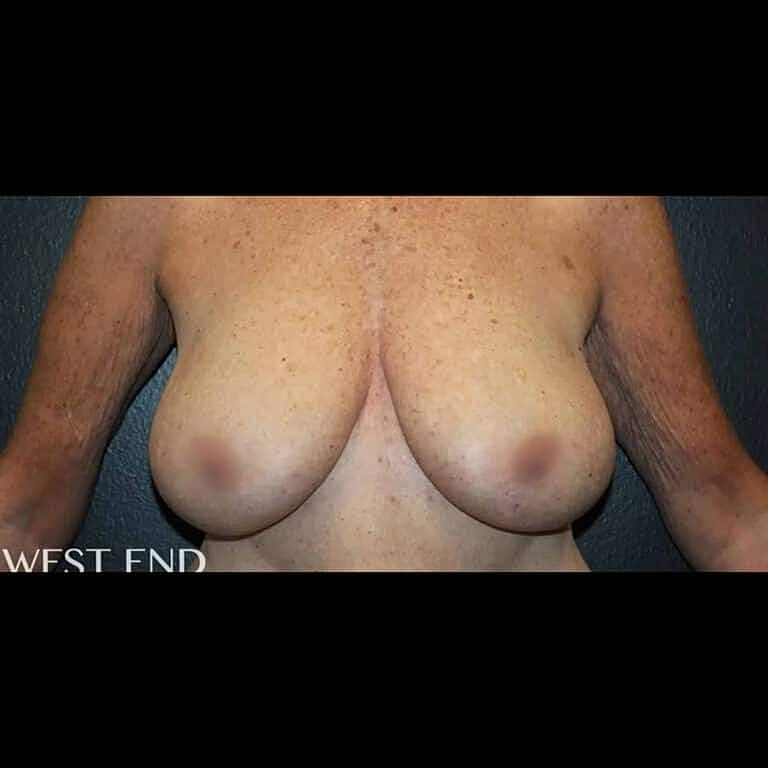
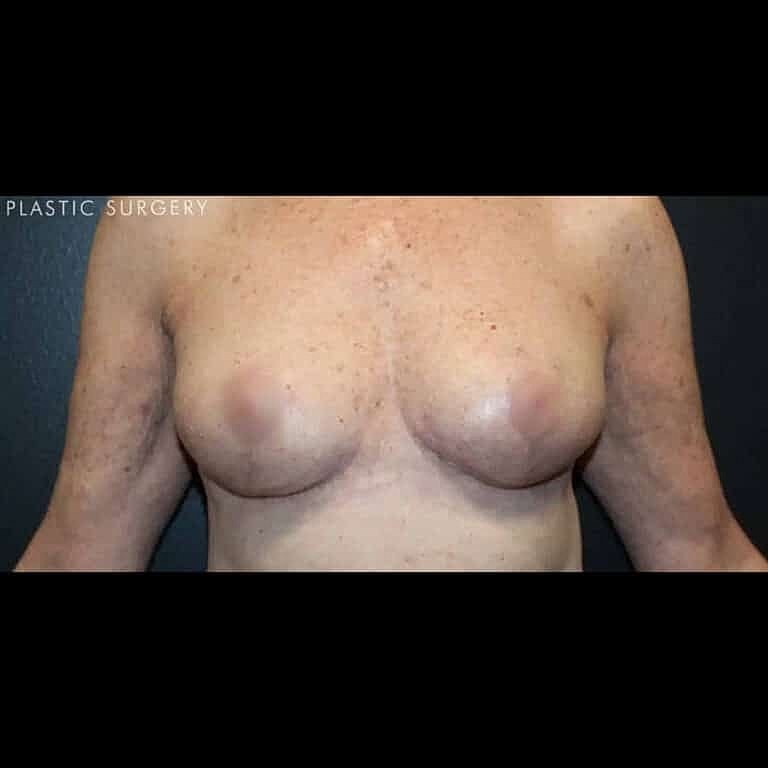
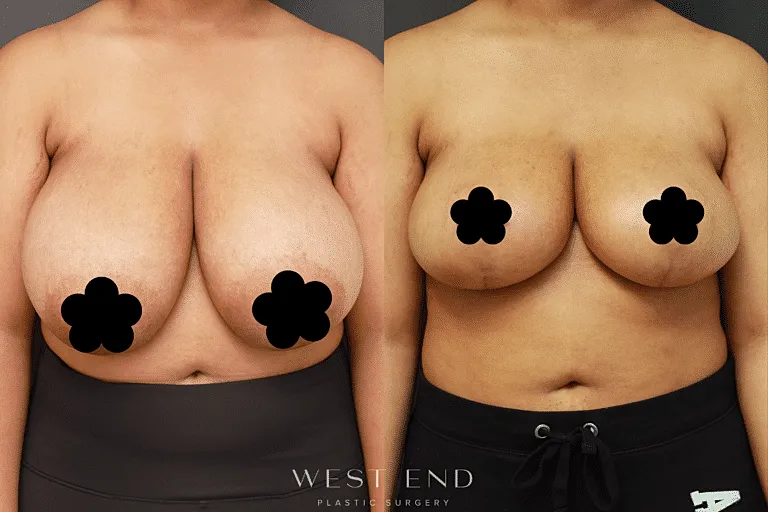
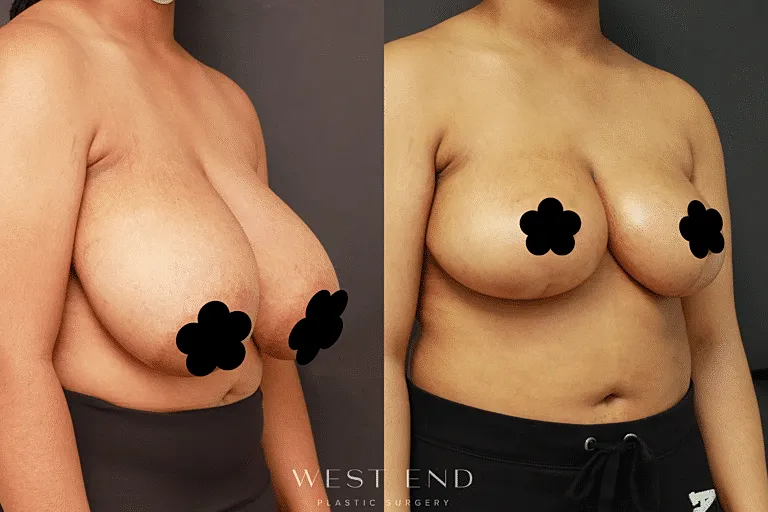
We’re as thrilled with our patients’ results as they are. Check out our before-and-after photo gallery and see for yourself the kind of work our talented surgeons do.
If you are in good general health with fully developed breasts and experience any of the following conditions, you may be a good candidate for Washington, DC breast reduction surgery:
Also keep in mind that you must not be breastfeeding or intend to breastfeed in the future in order to undergo breast reduction. For women who don’t plan to have more children, breast reduction may be combined with a tummy tuck and other procedures as part of a Mommy Makeover.
Prior to your surgery, you will have an initial consultation with your surgeon and the staff of West End Plastic Surgery.
At this consultation, your breasts will be evaluated and you will discuss your goals and expectations for the surgery. We will discuss how large and which shape you would like your breasts to be, as well as the position of the nipple and areola.

Our surgeon and their team will:
You will be asked to provide:
Before the surgery, you will need to have a mammogram performed and you may be asked to donate blood so that your own blood can be used during surgery if a transfusion is needed.
Two years ago, Juley made the life-changing decision to undergo a Breast Reduction with Dr. Amir Arsalan, and she couldn’t be happier with the results! In this heartfelt testimonial, Juley shares how the procedure has improved her daily life and well-being.


The cost of Breast Reduction Surgery starts at around $9,500. The price will vary depending on the extent of treatment necessary to deliver your desired results.
During your consultation, our surgeons will assess your cosmetic goals and develop a treatment plan tailored to meet them. The starting price is provided for your convenience, and it is important to note that it does not encompass facility or anesthesia fees. The comprehensive cost, inclusive of all potential fees, will be confirmed during your visit.
We also offer financing options, including CareCredit® and PatientFi®, to help you with the cost of your cosmetic surgery.

Your breast reduction procedure is performed in our state-of-the-art surgical suite or at one of the area hospitals where Dr. Ruff, Dr. Arsalan, and our surgeons operate.
Your surgeon and their staff are dedicated to ensuring your complete comfort during and after the procedure, as well as your satisfaction with the outcome. The procedure generally takes 2 to 4 hours and is performed under general anesthesia.
Your surgeon will make incisions in the nipple-areola complex (the dark area around the nipple). The incisions extend below the nipples and occasionally into the fold under your breast. The surgeon removes excess breast tissue, fat, and skin, contours a new breast shape, and repositions the nipple and areola. Stitches are used to close the incisions. Drains are frequently put in place to drain any blood or fluid that may collect in the surgical area. Taping and a surgical bra are placed over your breasts before you leave the operating suite.

In most cases after breast reduction surgery Washington, DC patients will be ready to go home shortly after the procedure. You will need to have someone drive you home after the surgery because you may be a bit sleepy after the anesthesia.
During surgery, your breasts will be covered with a gauze dressing, and a surgical bra will be placed over the dressings to help hold your newly contoured breasts in the correct position. A small tube called a drain may be inserted into each breast to help drain off excess fluid; you will be given instructions on how to care for the drains.
During the first 24 to 48 hours after your procedure, you will feel tired from the anesthesia and sore from the surgery.
Your surgeon will prescribe pain medication to alleviate much of the discomfort. Your discomfort level will improve rapidly after the first 2 days. You can take a shower or bath the day after your surgery; however, don’t let the bandages covering your incisions get overly wet.
You can take off the surgical bra placed over your breasts after the surgery during your shower or bath, but it must be worn at all other times (even while sleeping) for the first 2 weeks after your surgery.

You should sleep on your back for the first week after surgery to help keep your breasts in the correct position during initial healing. Placing pillows on either side of your body often helps ensure that you do not roll onto your side while sleeping.
During the first 2 weeks after surgery, you should also:
Wear the surgical bra placed over your breasts after surgery at all times, even while sleeping, to help hold your breasts in the correct position. You may take the elastic bra off to shower or bathe but must put it back on immediately after drying off. If the bra is too tight, call the staff at West End Plastic Surgery immediately — bras that are too tight can cause skin problems. Avoid heavy lifting and straining for at least a month. Use moisturizer several times a day if you have very dry skin after your procedure.
The results of your breast reduction are permanent. However, keep in mind that your breasts may change as a normal part of the aging process.

Everyone heals at different rates, and you are the best judge of when you are ready for certain activities, but the following are general guidelines:

As with any surgical procedure, there are risks associated with breast reduction. During your initial meeting with the doctor, these risks will be discussed and it will be determined whether you are a good candidate for breast reduction.
Most likely risks include the following:
As with any surgery, you can help reduce the risks of the procedure by closely following the instructions provided. Dr. Ruff, Dr. Arsalan, and the staff of West End Plastic Surgery will be with you every step of the way to ensure that your procedure is a success.
Most health insurance companies will not cover the costs of a cosmetic breast reduction. However, if a breast reduction is deemed medically necessary, patients may find that their health insurance will cover part or all of their procedure. We recommend getting in touch with your healthcare provider to find out. Additionally, West End Plastic Surgery is happy to work with patients who may need customized payment plans for their procedures.
Liposuction, otherwise known as lipo, is a fat removal procedure used in plastic surgery to remove excess fat cells from the body. Liposuction can be used in breast reduction procedures to remove additional fatty tissue from the breast area.
Wearing the proper clothing after your breast reduction is essential to a successful, complication-free recovery. After your procedure, you will need to wear a compression garment or compression bra to lower the likelihood of bruising and excessive swelling that could impact sutures. . Wear loose-fitting clothing that is easy to put on, and avoid any garments that require you to raise your arms high above your head for the first 14 days after surgery. After four to six weeks, patients can switch from their compression bra to a sports bra.
Despite being a common procedure, there are many myths and misconceptions about breast reduction surgery. These can include untrue statements like the following:
Your breasts can grow back after a breast reduction. Although changes in weight, hormonal fluctuations, and pregnancy can alter the appearance of your breasts, it is not true that your breasts can “grow back” after a breast reduction, as the breast tissue and fat that was removed in surgery cannot grow back. To maintain their breast size, we recommend that patients stick to a healthy diet and exercise routine that allows them to maintain a stable weight for at least six months.
You can’t breastfeed after a breast reduction. While some milk ducts and tissues in the breast area are removed during the breast reduction procedure, not all of them are. There is a risk that patients may not be able to breastfeed post-surgery. However, many women are still able to breastfeed without experiencing any problems after surgery.
You can’t have a second breast reduction procedure. Many people believe that once you have had a breast procedure, you can’t have another one. However, plastic surgery is meant to be customizable to each patient. If you are unhappy with your results or have experienced body changes such as weight gain or pregnancy, you are still able to have a second breast reduction to achieve the results you want.
If you or someone you know is interested in breast reduction, it’s time to contact the highly experienced surgical team at West End Plastic Surgery.
Serving the Arlington and Reston areas in addition to Washington, D.C., we invite you to request an online consultation or or call our office at (202) 785-4187 to schedule a consultation.