Lower Body Lift in Washington, D.C.






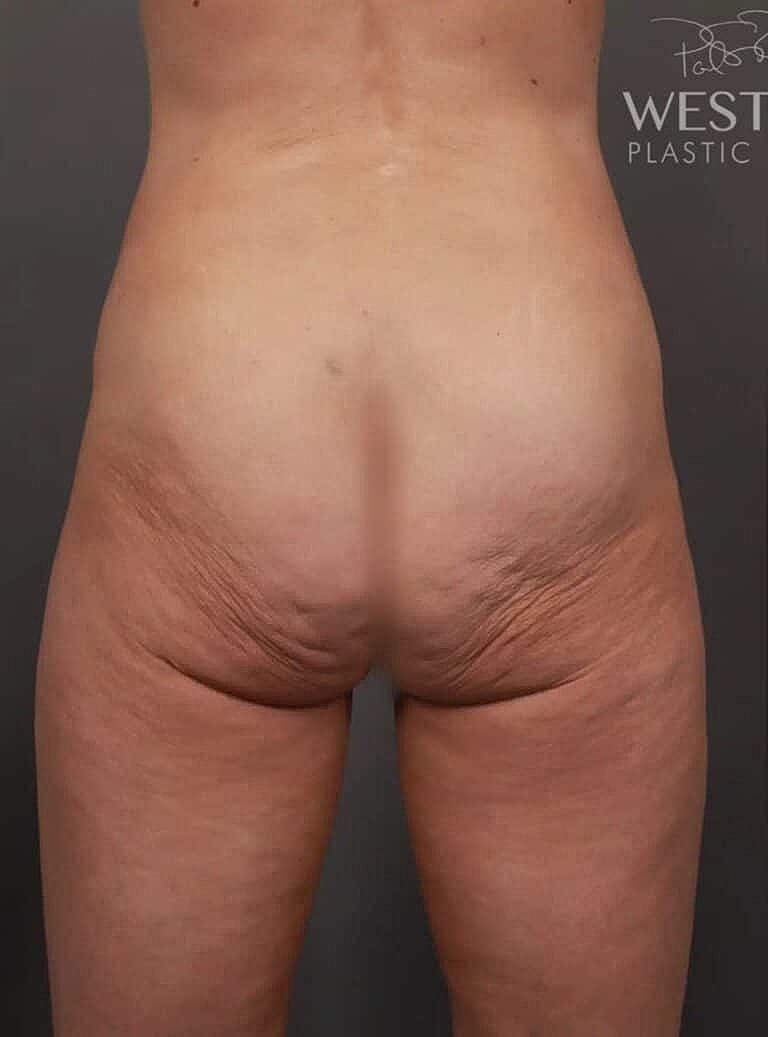
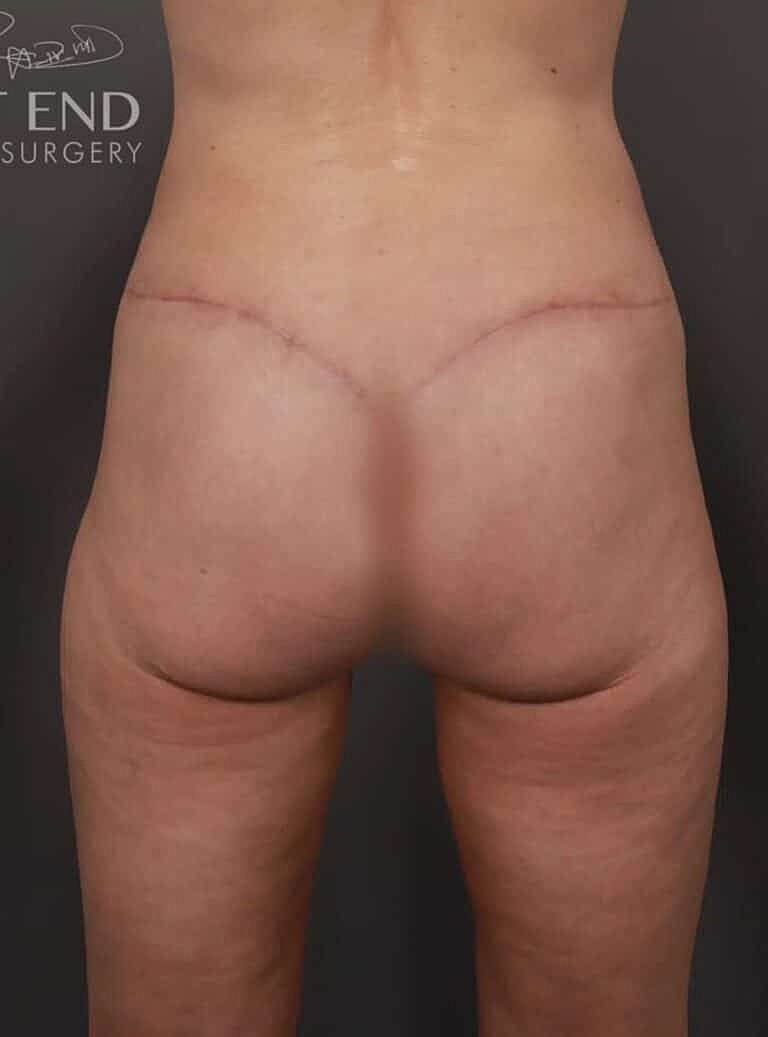
Lower body lifts tighten thighs and buttocks by removing excess tissue from the lateral hips and inner thighs.
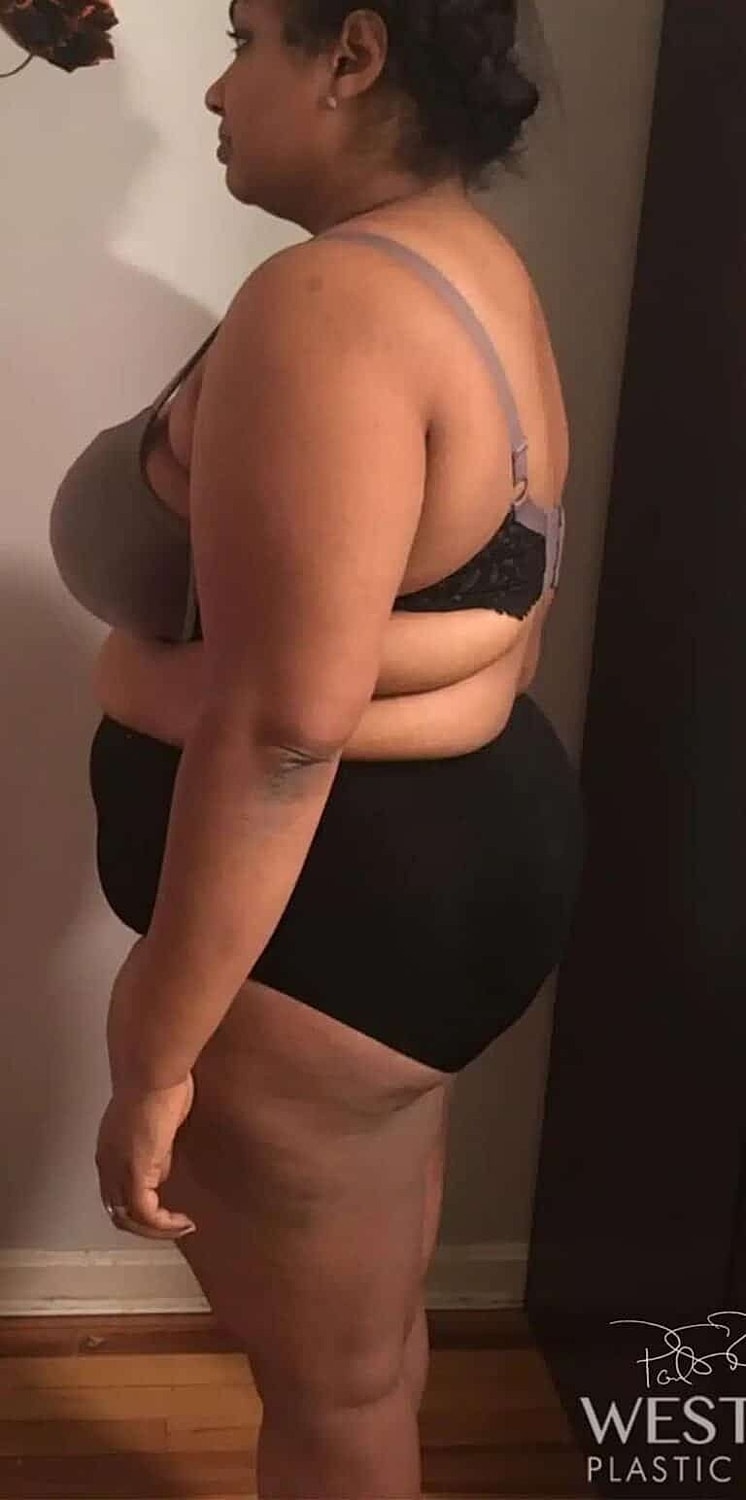
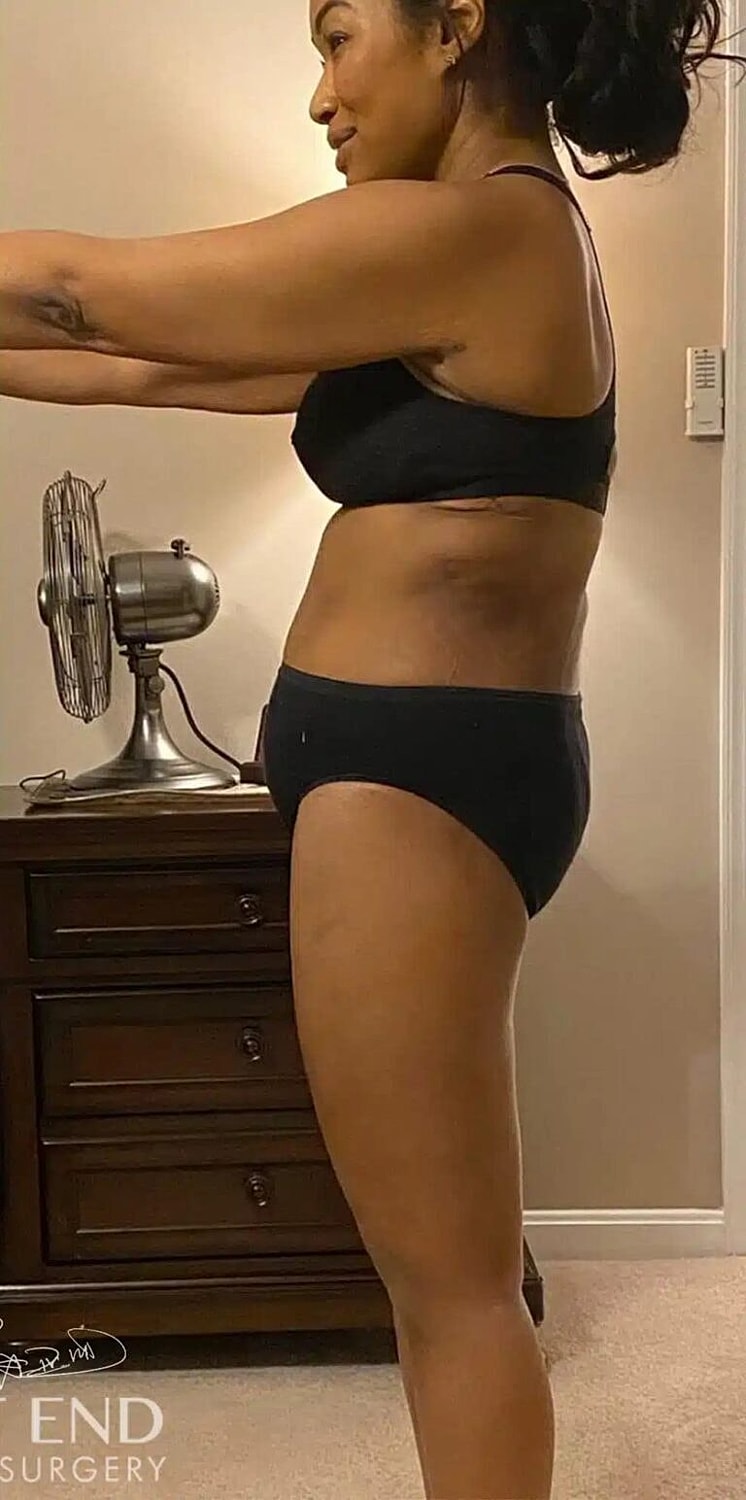
A lower body lift helps complete your body’s transformation after significant weight loss. In Washington, D.C., Dr. Paul G. Ruff IV or one of our Board Certifies Plastic Surgeons often combines a tummy tuck or liposuction with lower body surgery to remove saggy and unattractive skin.
If you live in Alexandria, Reston, or the surrounding region and have undergone bariatric surgery, request a consultation to talk with Dr. Ruff about lower body surgery. Or call our office at (202) 785-4187 and a member of our knowledgeable staff will schedule a consultation


Lower body lift surgery is best suited for people who are generally healthy and in relatively good shape but have loose lower body skin or significant amounts of lower body fat that does not respond to dieting or exercise. You may be a good candidate for this procedure if you have one or more of the following conditions:
If you have not yet reached your desired weight, you should most likely postpone your lower body lift surgery because you may need another procedure to remove excess skin that results from additional weight loss.
1 of 8
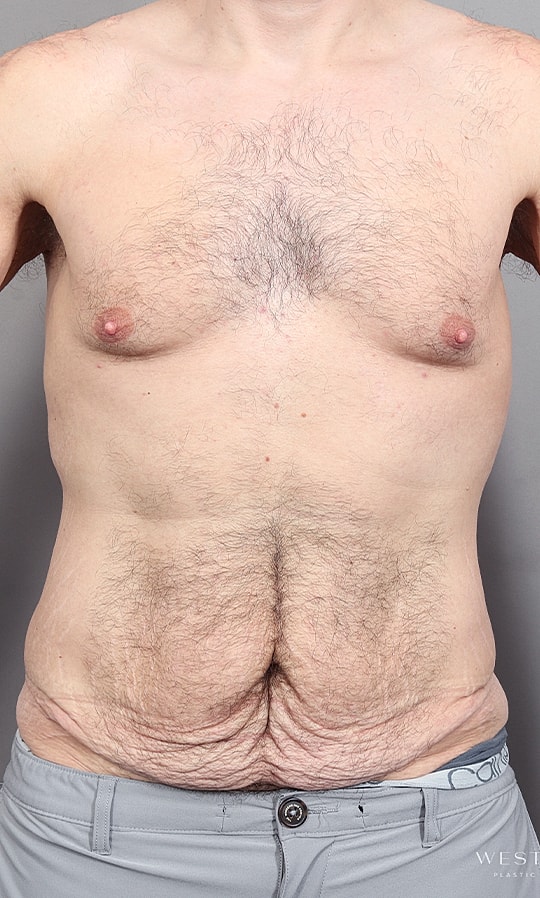
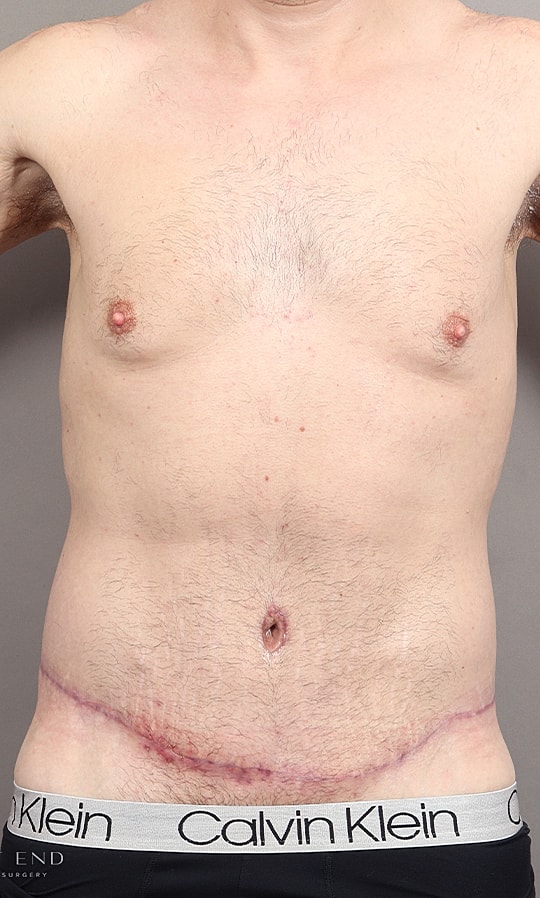
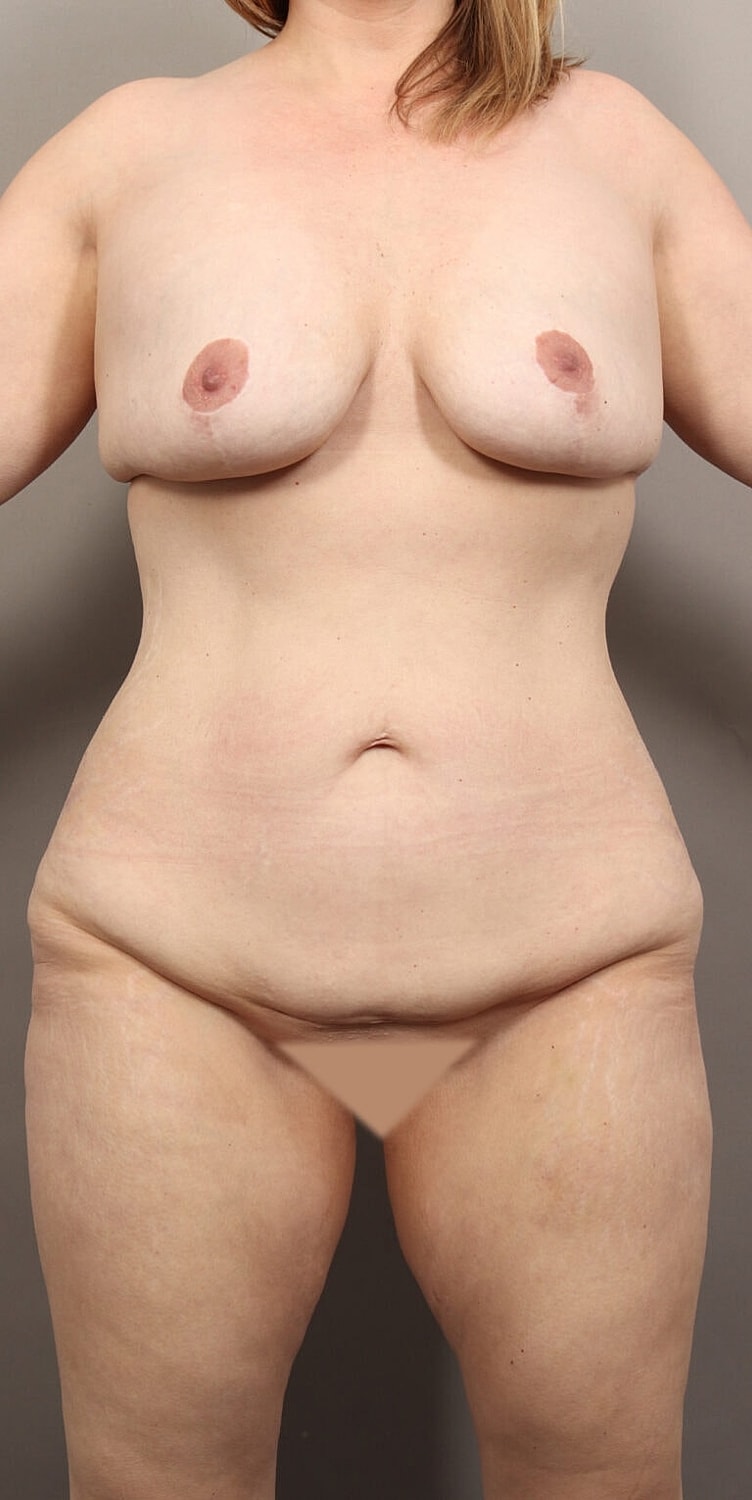
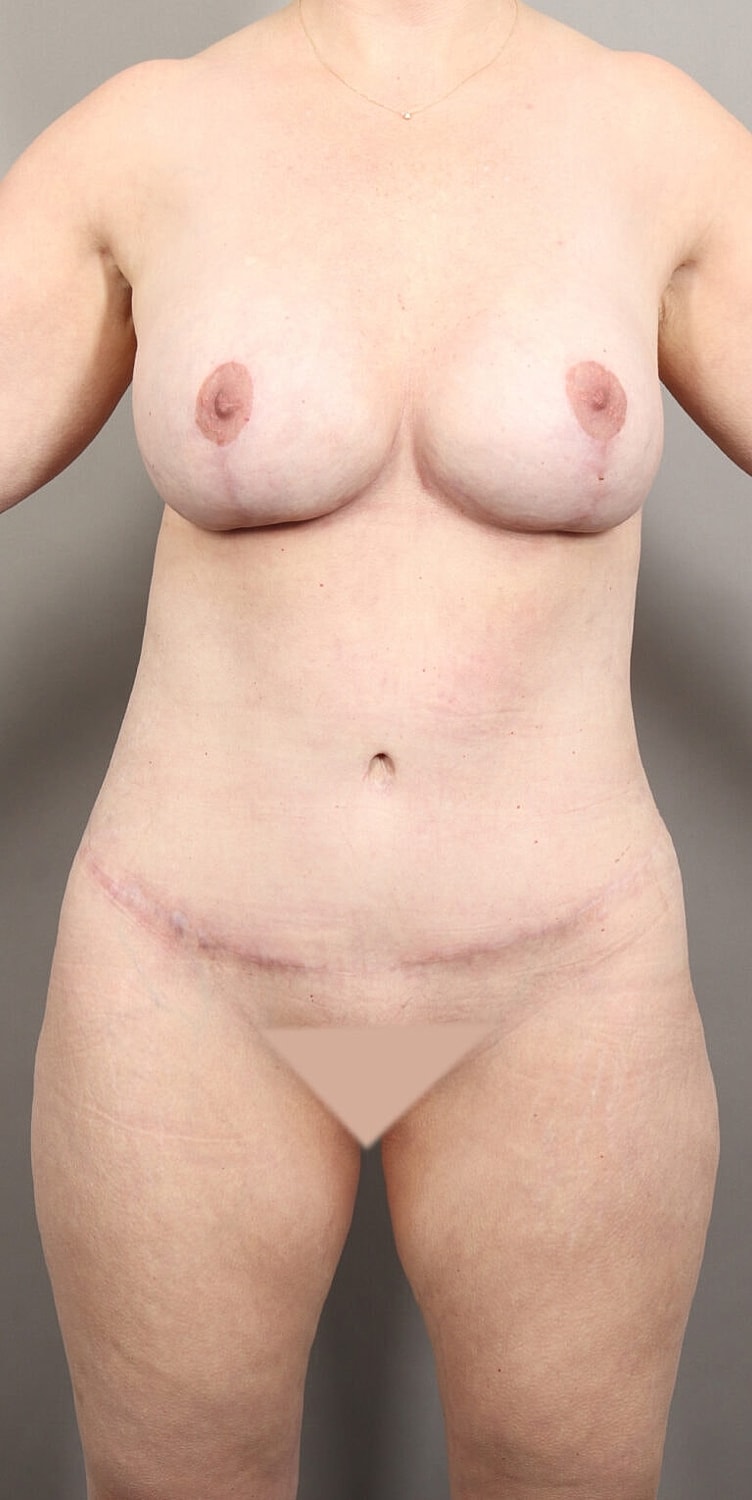
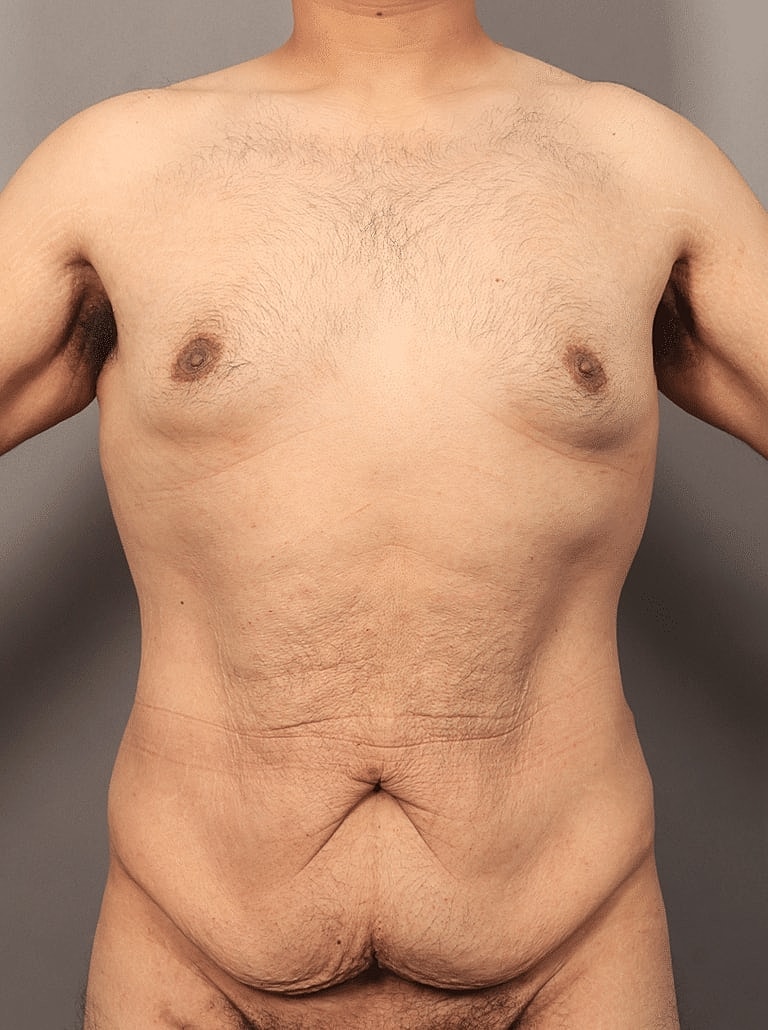
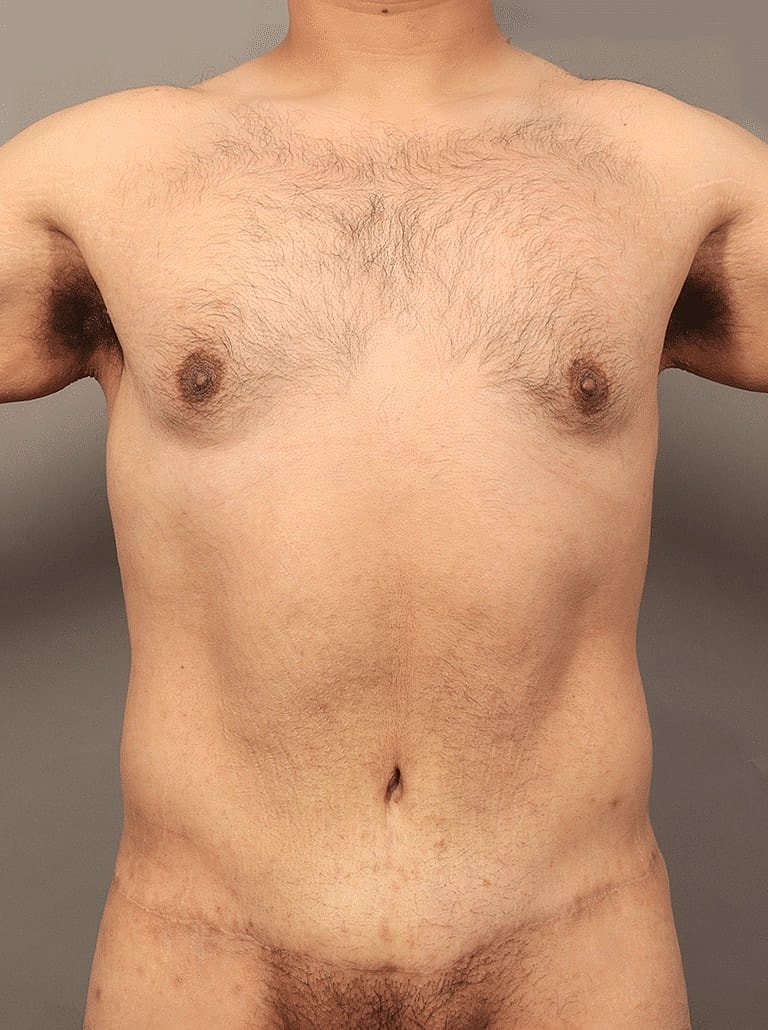
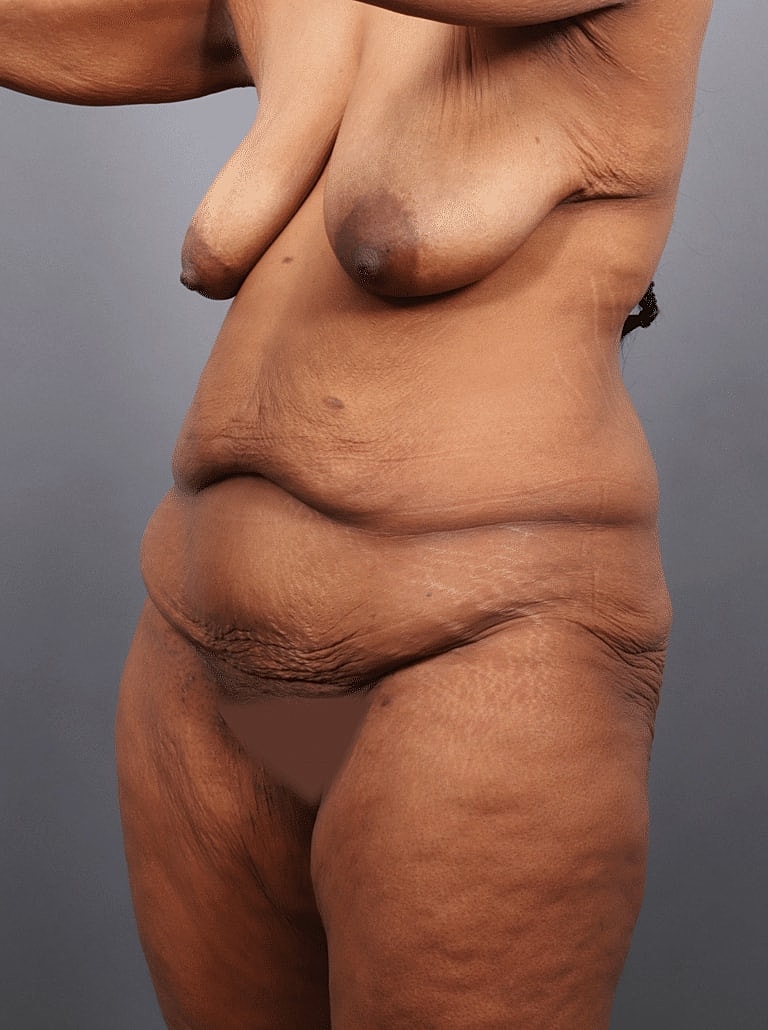
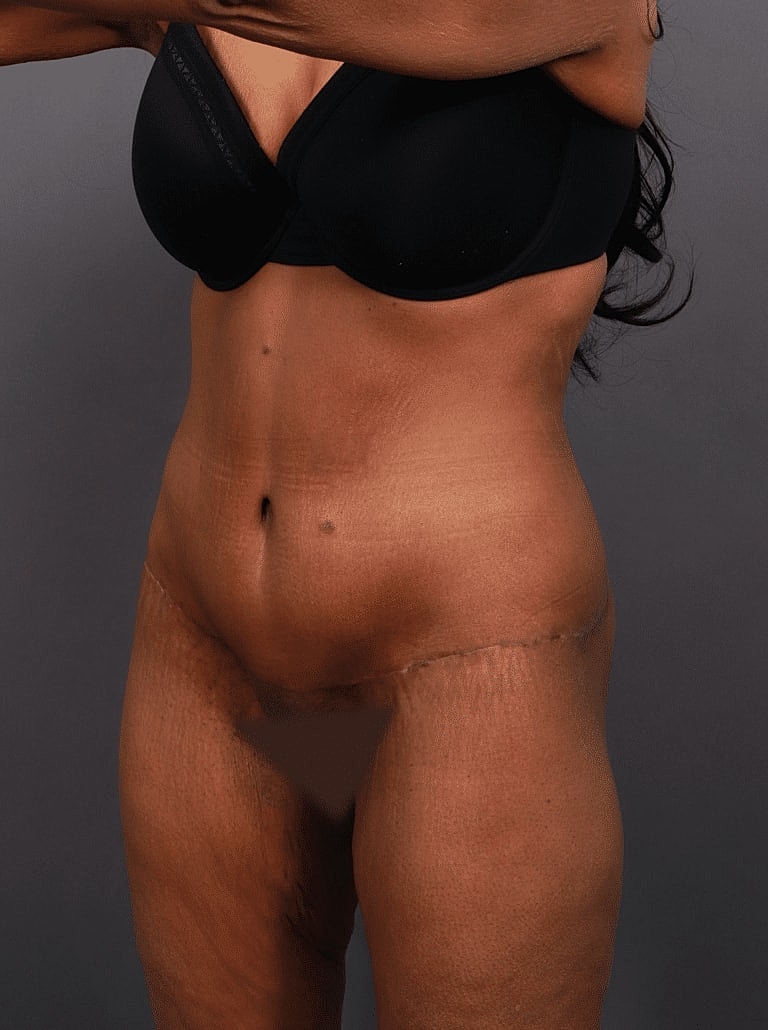
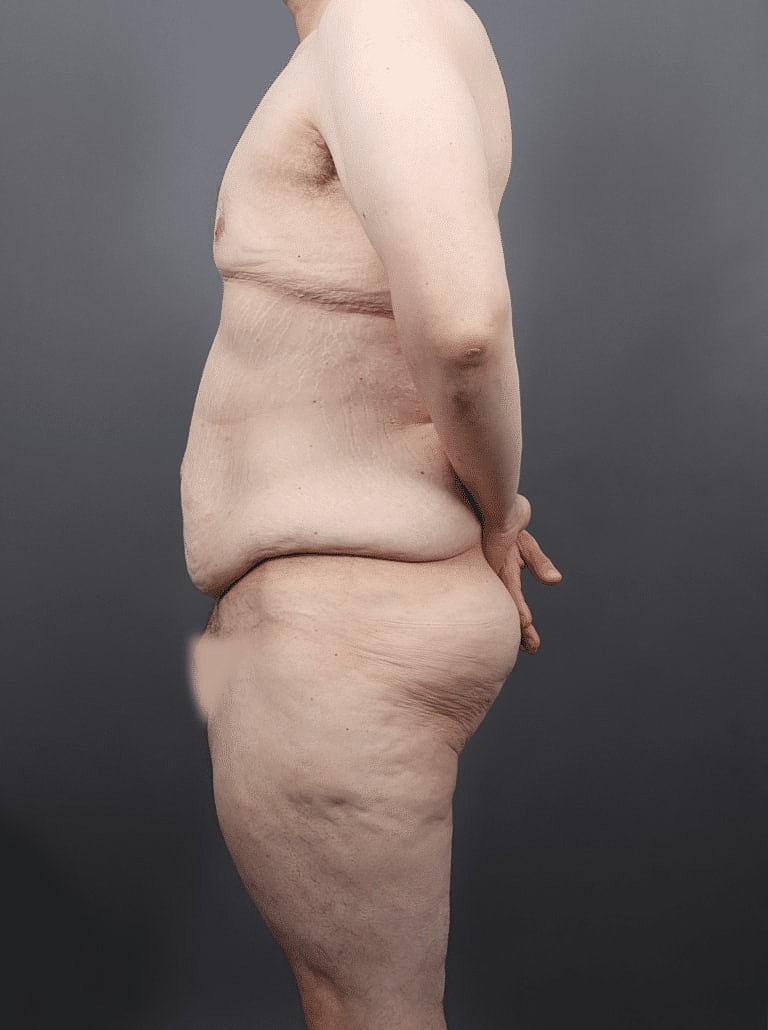
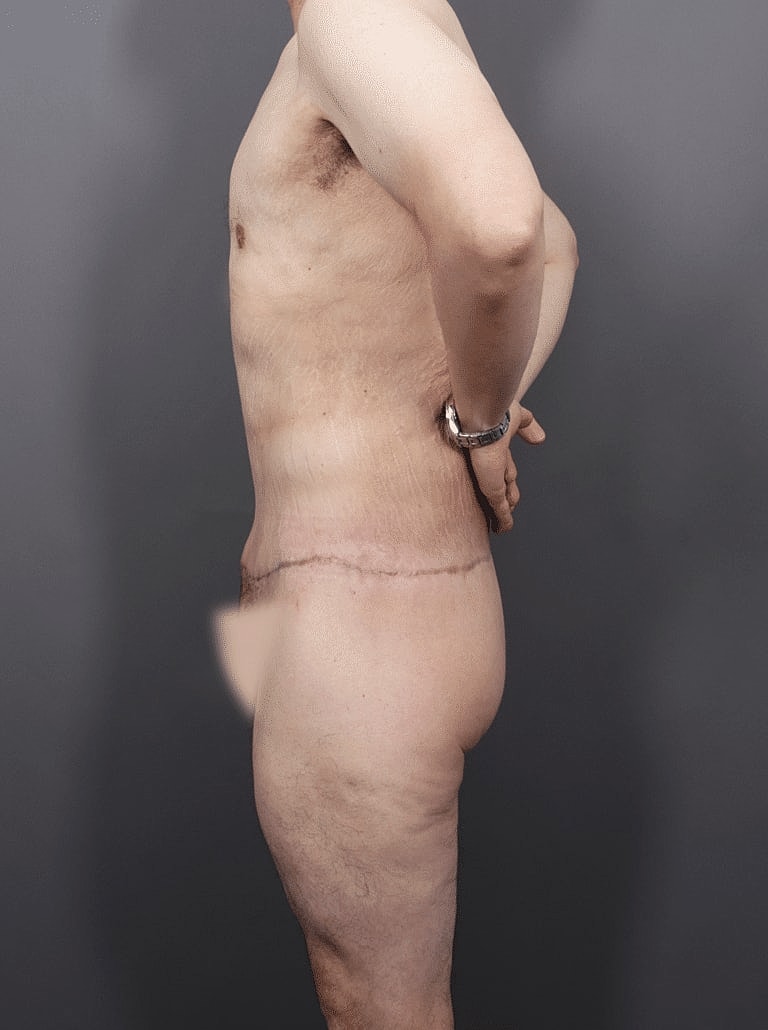
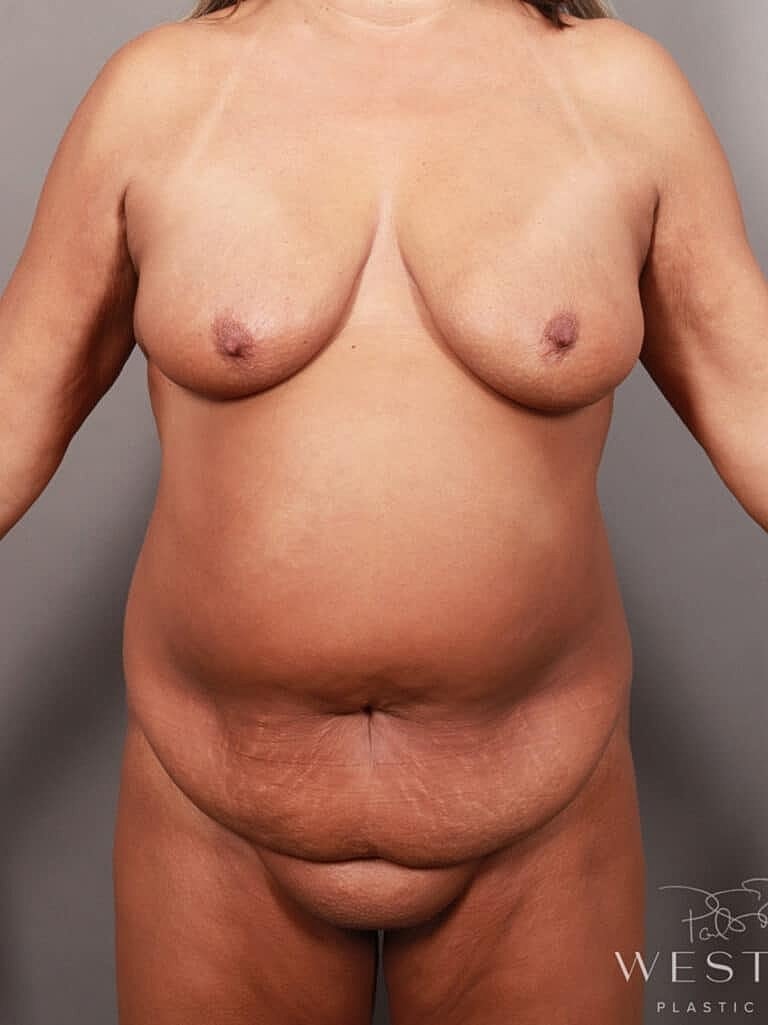
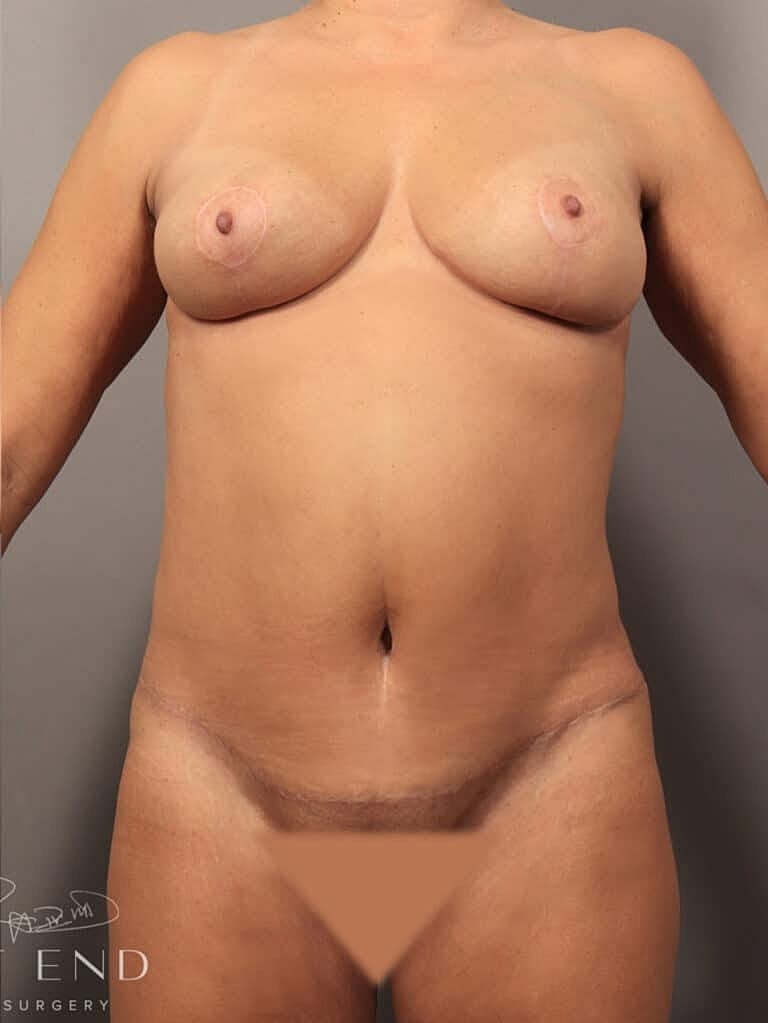
We’re as thrilled with our patients’ results as they are. Check out our before-and-after photo gallery and see for yourself the kind of work our talented surgeons do.
Prior to scheduling your lower body lift, you will meet at length with Dr. Ruff and his staff at West End Plastic Surgery to evaluate your physical health, to discuss your specific goals for the procedure, and to ensure that you have a realistic view of the results that can be achieved with surgery. In addition, Dr. Ruff will work closely with you to determine which combination of procedures will most likely give you the surgical results you desire.
Our team will:
You will be asked to provide:


Your surgery is usually performed at the hospital, where you spend 1 to 2 nights recovering after the surgery.
The procedure is performed using general anesthesia and takes about 4 to 5 hours to complete, depending on the extent of the surgery. The surgery may last longer if additional procedures such as a tummy tuck are performed at the same time.
The nature of the surgery requires the doctor to make long incisions; the length of the incisions depends on the amount of excess skin being removed. Depending on the extent of the procedure and your individual anatomy, the scar may stretch across the upper buttock and the outer and inner thigh. Whenever possible, the incisions are positioned in the most inconspicuous positions possible and, in many cases, you will be able to wear a bathing suit without the resulting scars being visible.
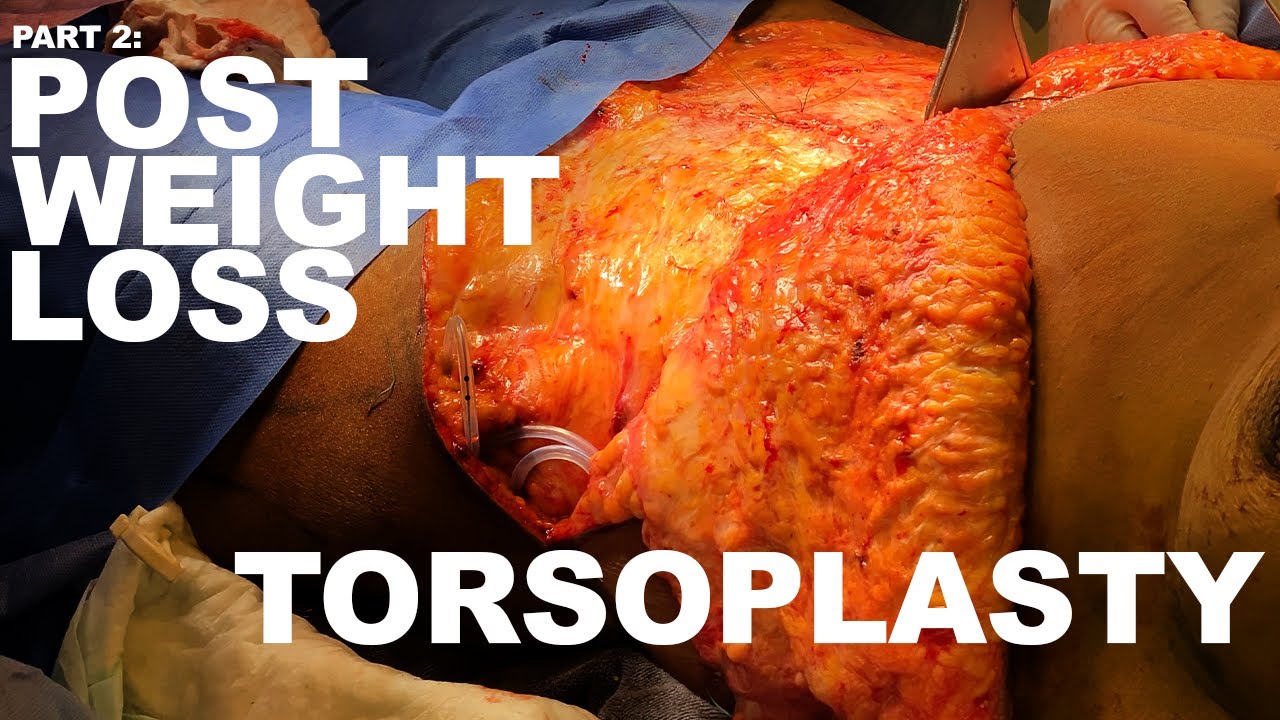
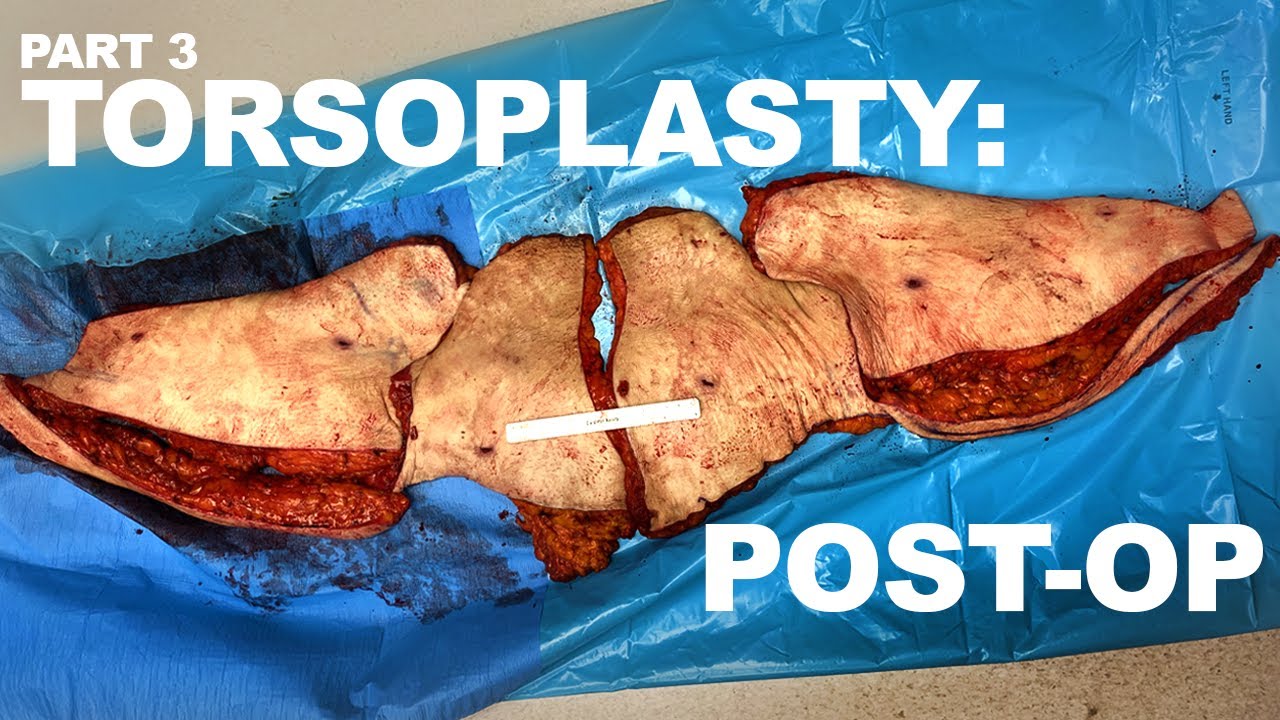
Once the incisions are made, Dr. Ruff or you surgeon removes crescent-shaped segments of skin and fat from the buttock and thigh areas. The remaining skin and tissue are lifted to achieve a tighter and smoother affect. Dr. Ruff then stitches the incisions closed and gauze dressings are placed over them. Temporary drains may be put in place to help drain excess fluid from the area of the surgery. A firm-fitting body garment is placed over the surgery site to provide support to the area.

Activity | When |
|---|---|
| Shower or Bath | 2 to 3 Days After Surgery |
| Back to Work | 2 to 3 Days After Surgery |
| Driving | 2 to 3 Weeks After Surgery |
| Strenuous Activity | 6 to 8 Weeks After Surgery |
| Fading of Scars | Several Months to 1 Year |
You will spend 1 to 2 nights in the hospital recovering from your lower body lift.
It is important that you have someone to drive you home and to stay with you for the first few days. There may be moderate pain during the first few weeks after your surgery. Pain medication will be prescribed to alleviate as much post-surgery pain as possible. Though you may not be able to stand up completely straight for at least a week after surgery, it is important to start moving and walking within a day of surgery.

During the first 24 to 48 hours after your procedure, you will feel tired from the anesthesia and will experience a good deal of discomfort in the area of the surgery. Pain medication will alleviate much of the discomfort. There will be visible bruising in the area of the surgery and swelling will be severe; the bruising and swelling may take 3 to 4 months to completely disappear. Your discomfort level will improve rapidly after the first 2 days.
To facilitate the healing process, it is important to start moving and walking within a day of your surgery. You will wear an elastic body garment for 4 to 6 weeks after your surgery to provide gentle, healing pressure, to provide stability, and to help reduce the risk of blood clots.
You will notice a marked improvement in your discomfort level during the first few weeks after your surgery.
The drains that were inserted into the surgical area will be removed within 5 to 10 days of your surgery. Upon release from the hospital, you will be instructed on how to take care of the drains, which are used to allow fluid to drain from the surgical area. Most of the stitches used are dissolving; any non-dissolving sutures used will be removed within 5 to 10 days after surgery.
Small amounts of bleeding and oozing are normal in the first few days after surgery. If you see more than just a slow staining of the gauze dressing, apply pressure to the area with your hand for 20 to 30 minutes to stop the bleeding. If this does not stop the bleeding, call West End Plastic Surgery. Heavy bleeding is rare, but if it does happen, call right away.
Everyone heals at different rates, and you are the best judge of when you are ready for certain activities, but the following are general guidelines:

Like all surgical procedures, there are risks associated with lower body lifts. During your initial consultation with Dr. Ruff, your individual risks will be assessed and discussed. As with any surgery, you can help reduce the risks by closely following the pre- and post-surgery instructions provided to you. Dr. Ruff and his staff will be with you every step of the way to ensure a safe and pleasing outcome.
Some possible side effects include:
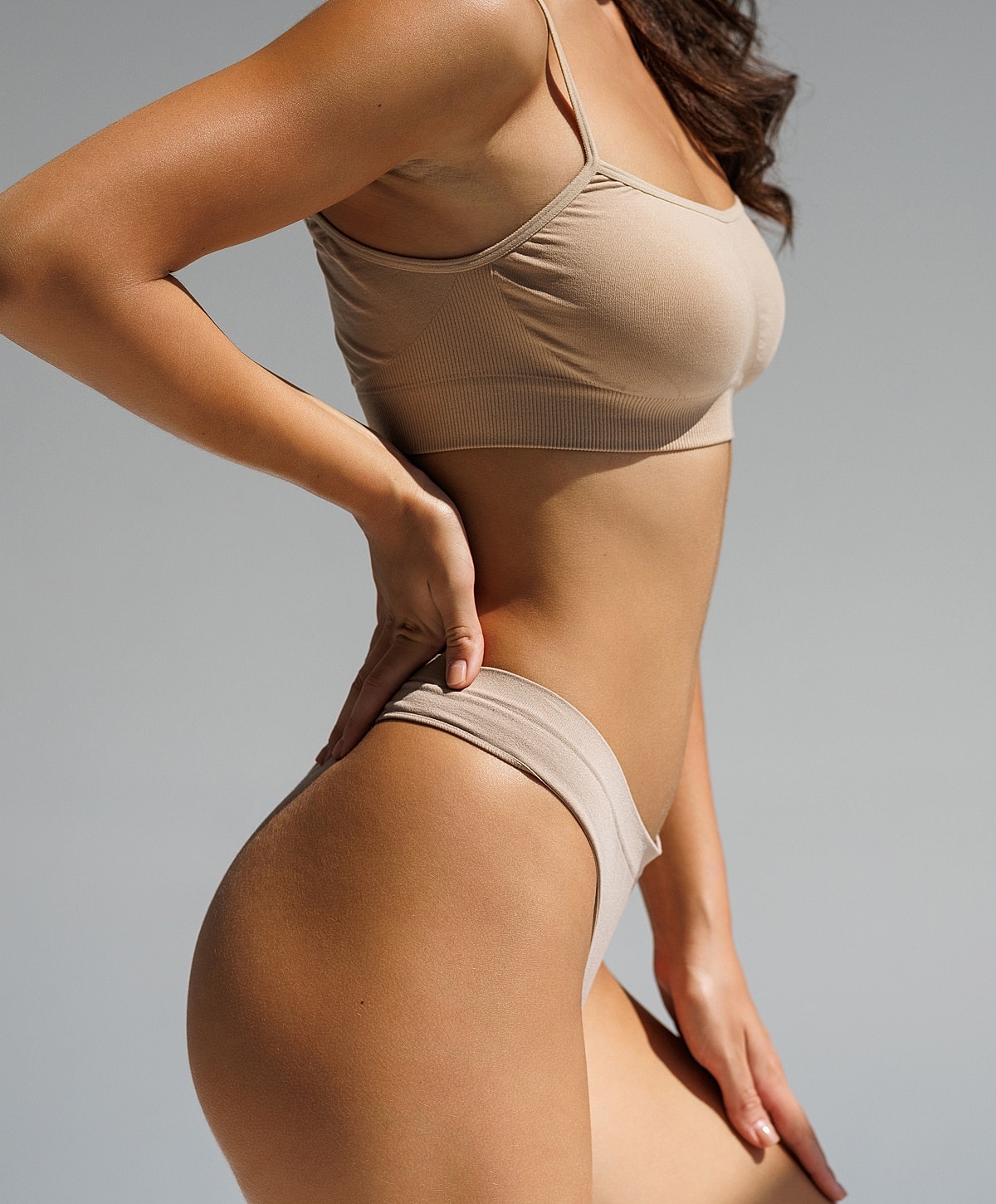
Lower body lift surgery can dramatically tighten sagging thigh, hip, and buttock tissue to nicely enhance the appearance of the hips, flanks, buttocks, and upper lateral thighs.
The results are generally permanent; however, large weight gain or pregnancy will affect how long the results last.

Abdominoplasty, or tummy tuck surgery, is often performed in conjunction with lower body lift surgery. Liposuction is sometimes used in addition to lower body lift surgery to enhance the overall appearance of this area. Dr. Ruff and Dr. Arsalan are specialist in the Washington, D.C. area certified to perform LipoSelection®, a much gentler form of liposuction that can be used to remove fat in the lower body region.
Except in rare cases where lower body lift surgery is considered essential to future health, lower body lift surgery is considered cosmetic surgery and, therefore, is not covered by insurance. You are responsible for the full payment of the procedure. Cost and payment information will be fully discussed with you during your initial consultation.
Options for improving the look of your buttock and upper thigh region include weight loss and exercise, especially toning exercises. LipoSelection may also greatly enhance the look of your lower body.
A lower body lift is when excess skin, tissue, and fat are removed from the lower abdomen. In addition, the flanks, thighs, and buttocks are tightened and reshaped. Some of the most notable benefits of acquiring this procedure is having a better self-image and having a firmer mid-section.
Despite having the similarity of enhancing one’s appearance and boosting self-esteem, there are notable differences between a lower body lift and upper body lift. An upper body lift removes excess skin, fat, and tissue from the arms, chest, breasts, and armpits. A lower body lift is usually done for patients who have recently lost a lot of weight. One of the most notable differences is how the sealing process works. When it comes to upper body lifts, the skin is sealed by sutures. Lower body lifts are sealed by pulling and tightening the target areas to give a more favorable appearance.
Everyone’s body heals differently, so whether you have a residual scar depends on how quickly your body heals. In most cases, patients only have slight residual scarring in the operative areas. It is important to note that there are many different types of topical creams that can be used to reduce the appearance of the incision line as well.
How long the results of a lower body lift depends on the person. However, the results themselves typically do not appear until after a few months once the swelling goes down. Once that happens, it can take up to two years to see the final results of your lower body lift.
As for how long the results last, they can last for 10 to 15 years. The results can also last for a lot longer if you take proper care of yourself, like eating a well-balanced diet and getting enough exercise. However, it should be noted that you will experience subtle changes because of the natural aging process.