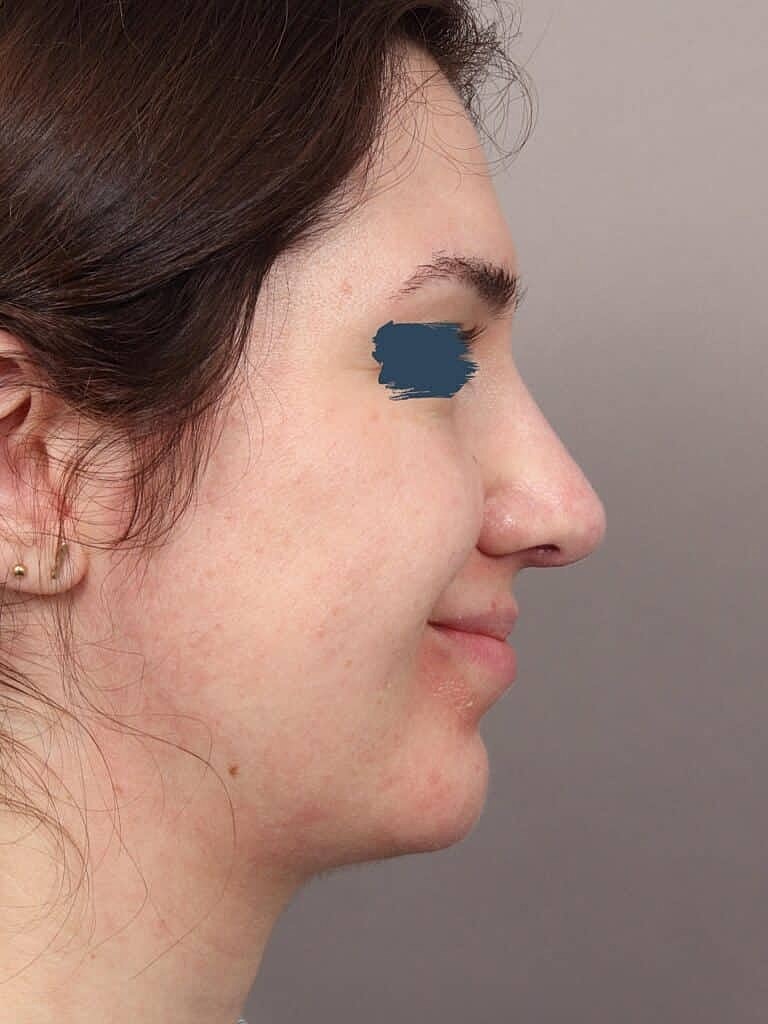
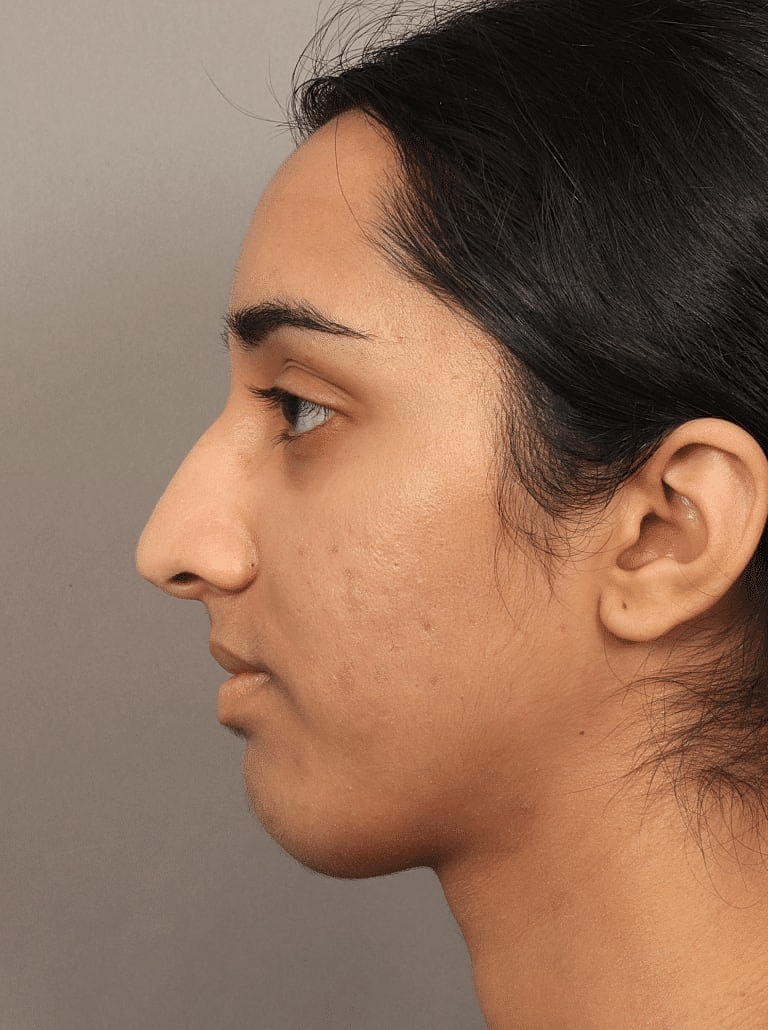
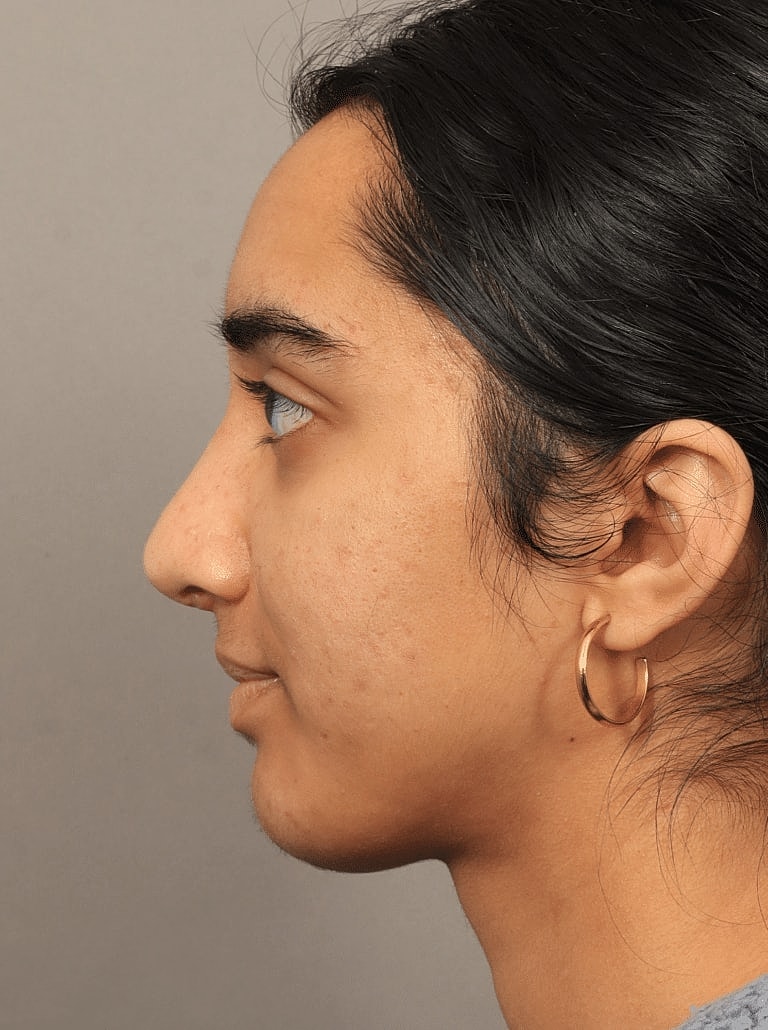
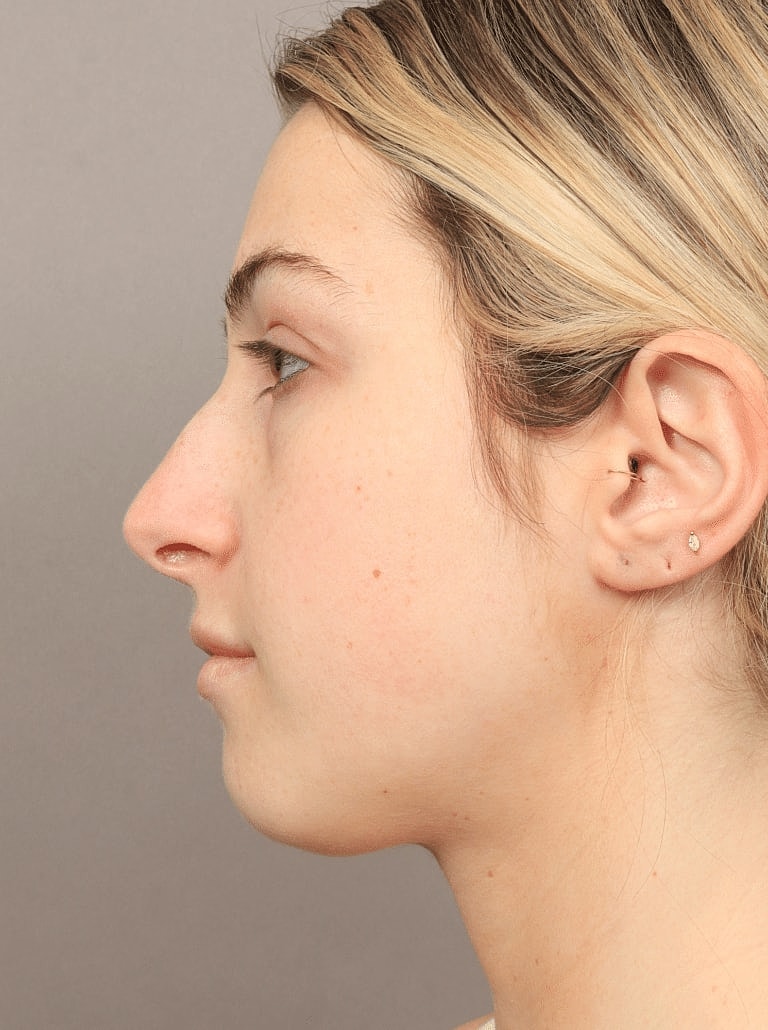
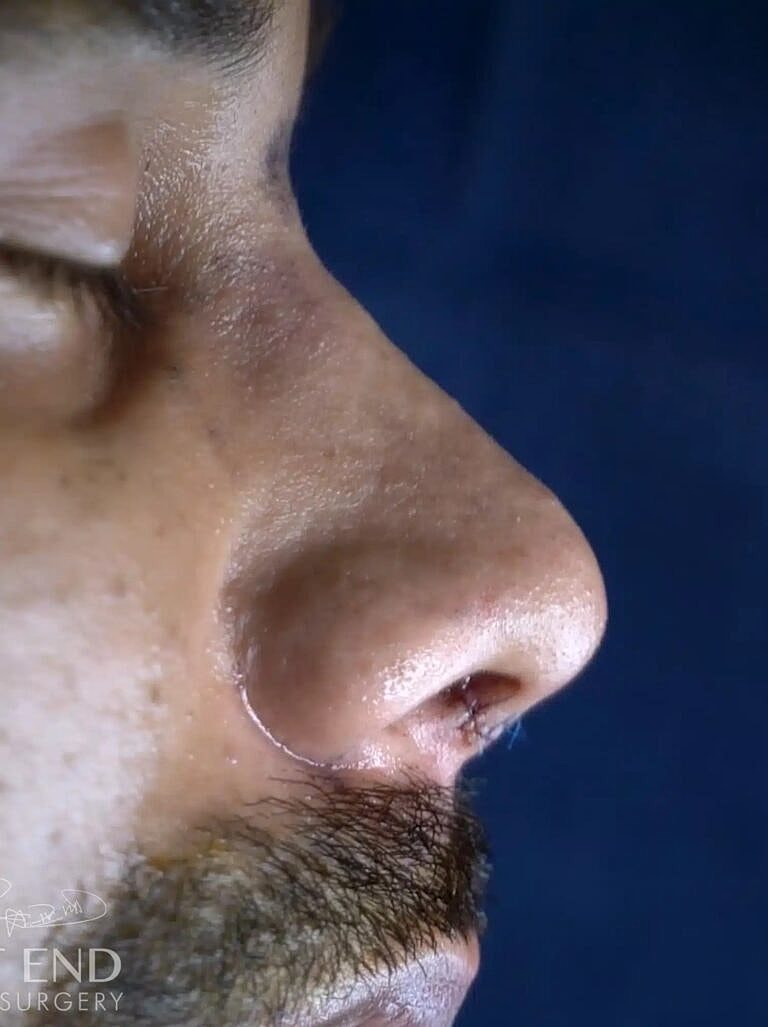
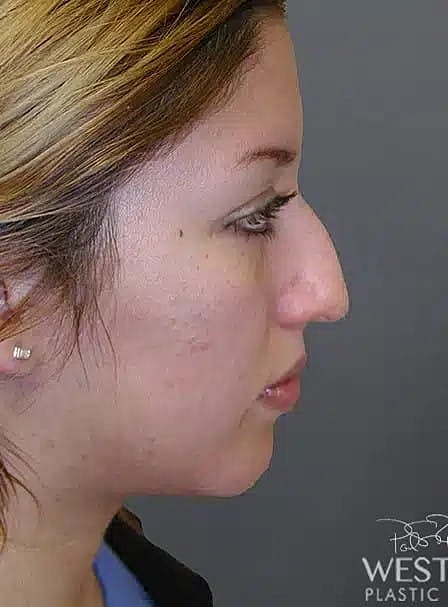
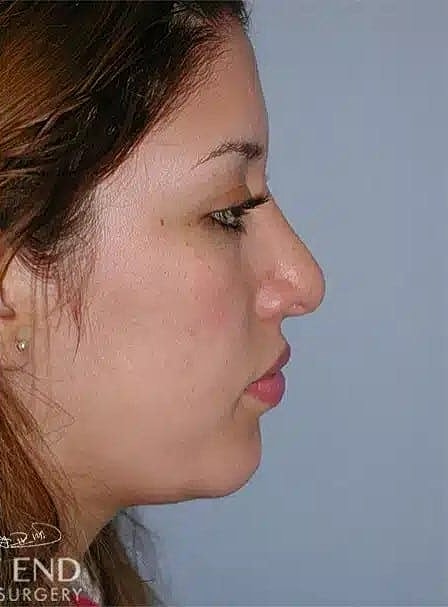
Revision Rhinoplasty in Washington, D.C.

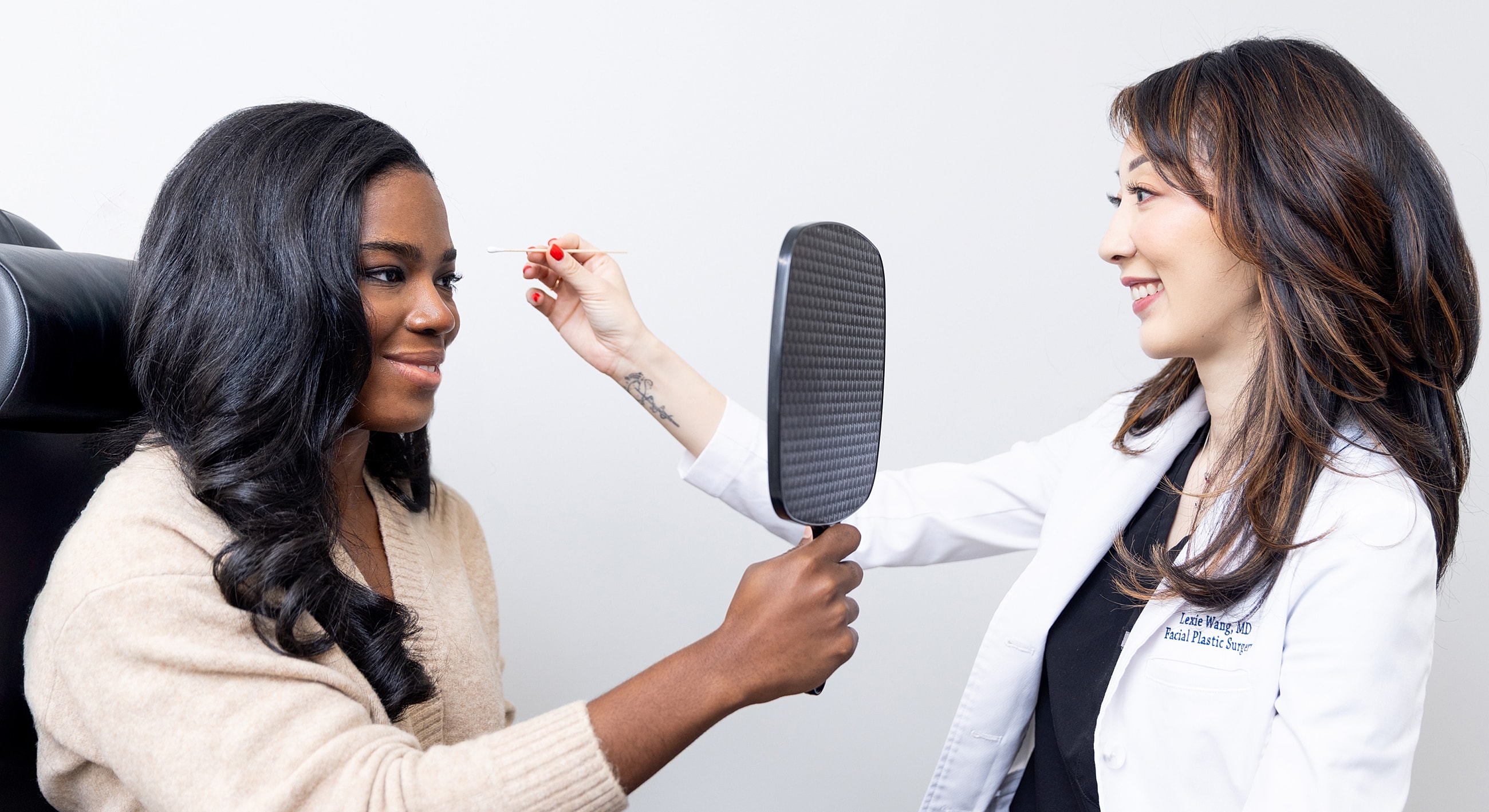
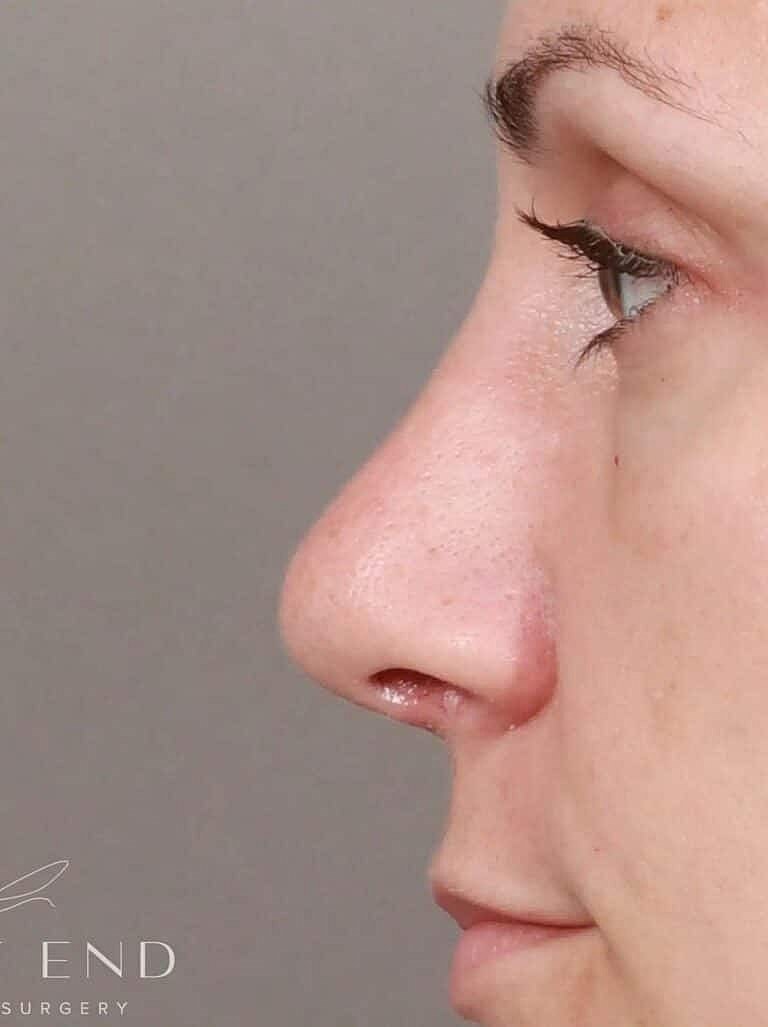
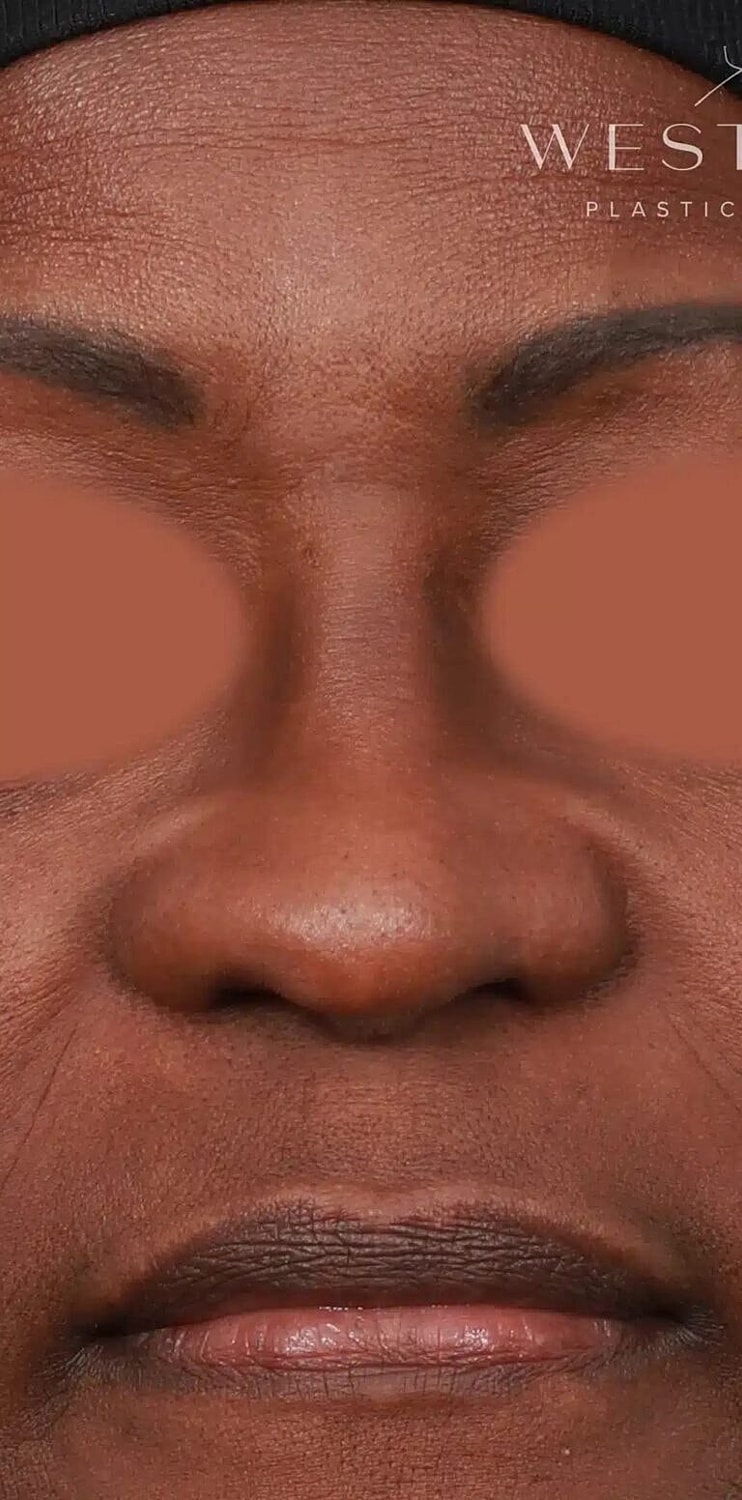
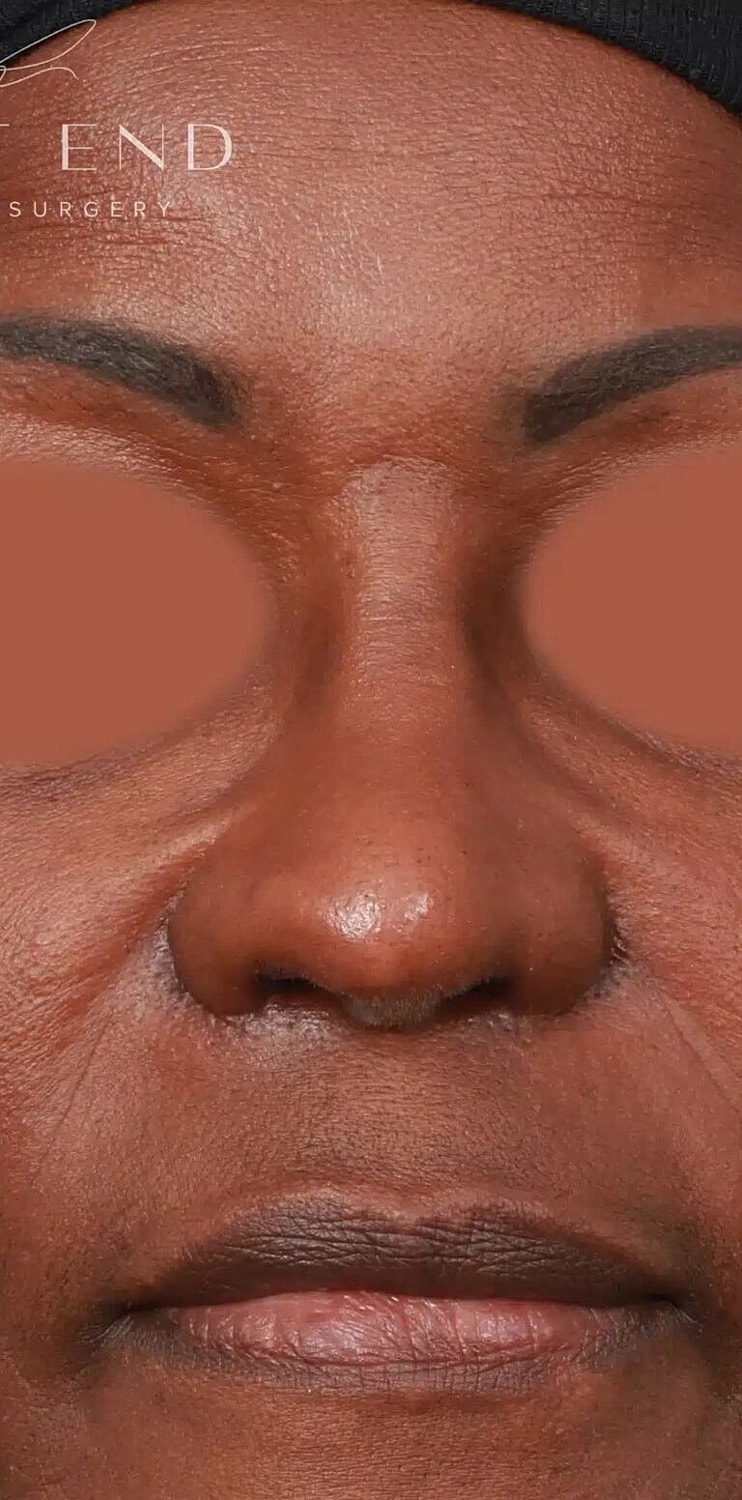
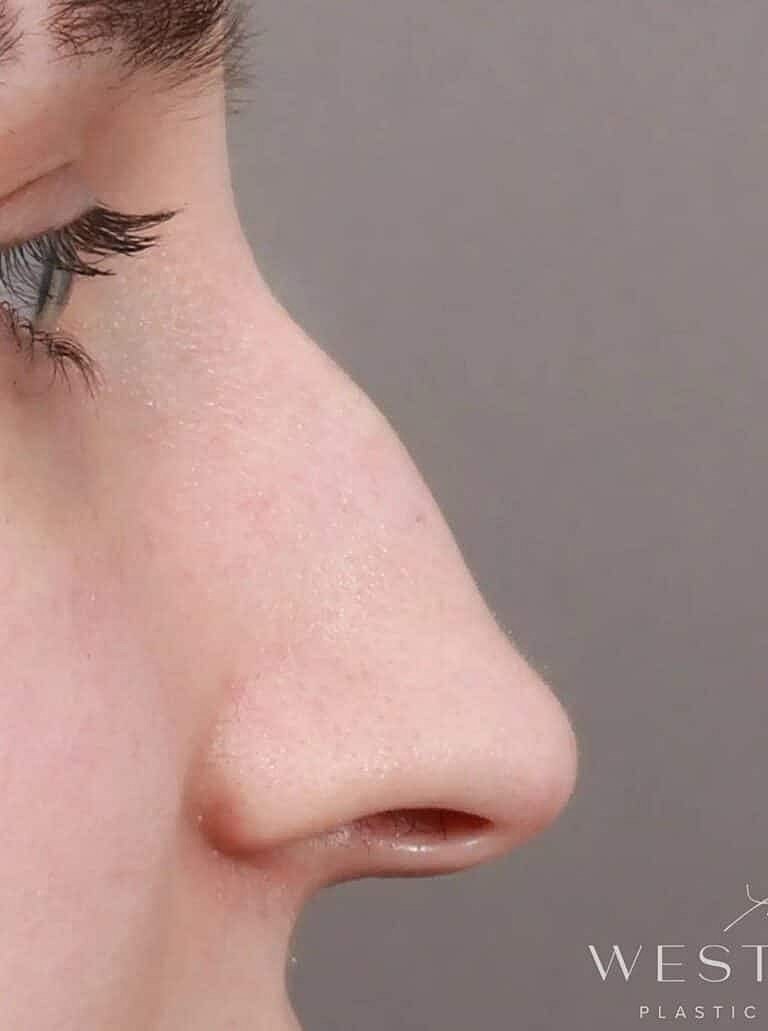
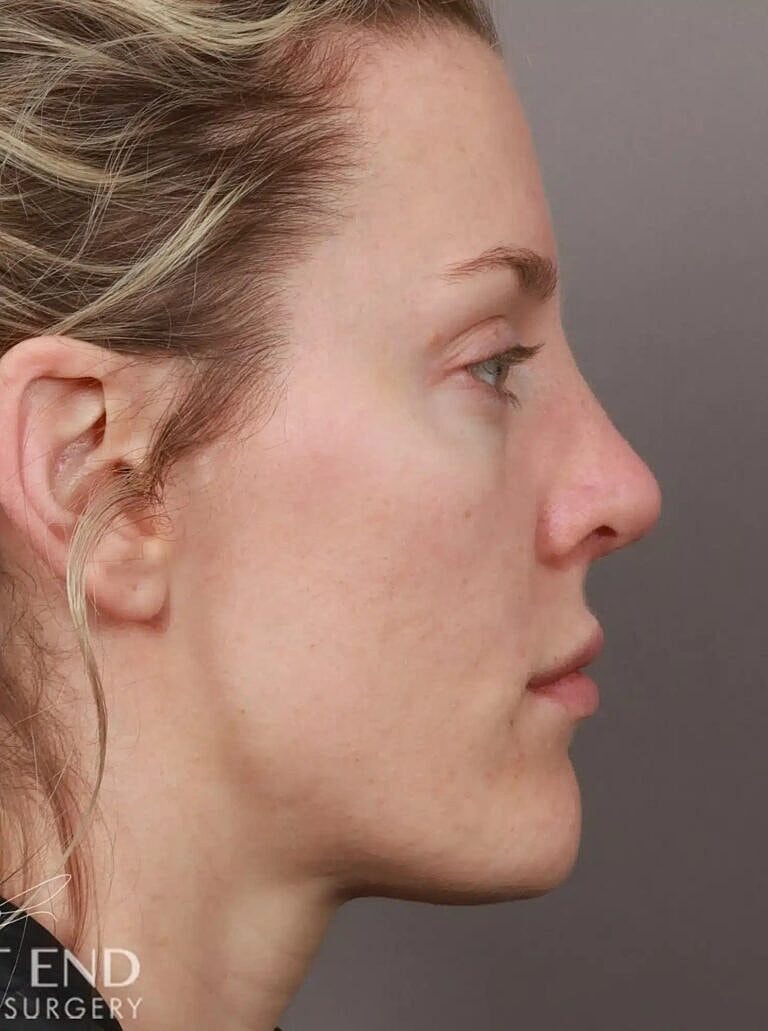
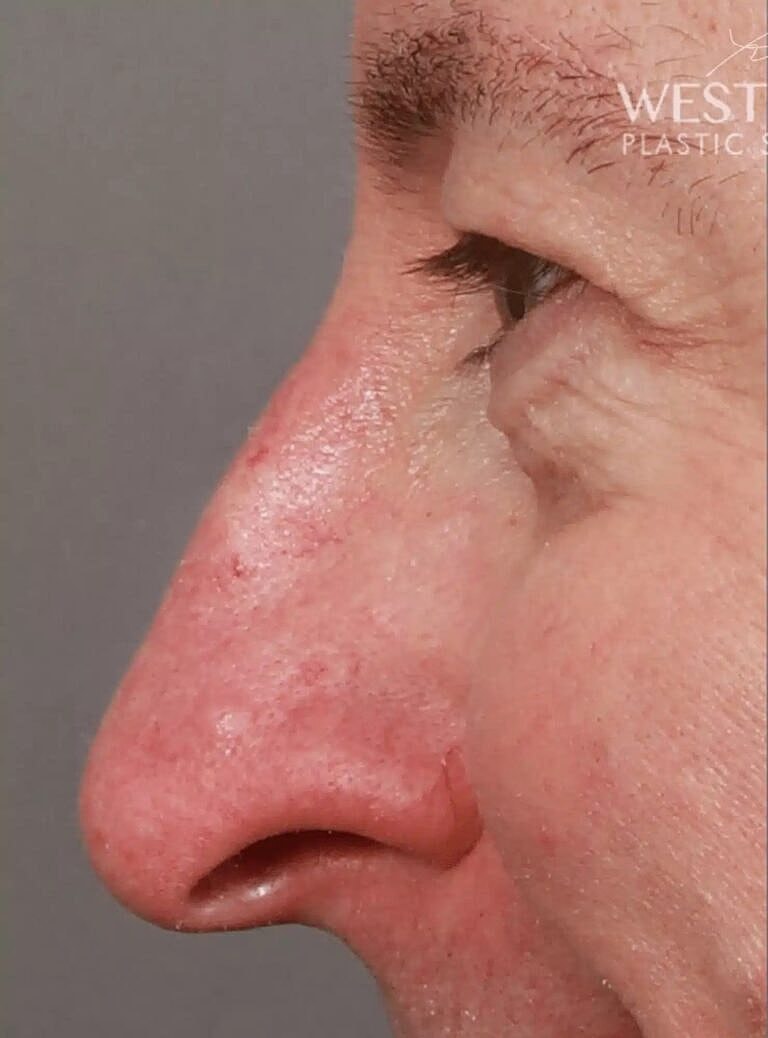
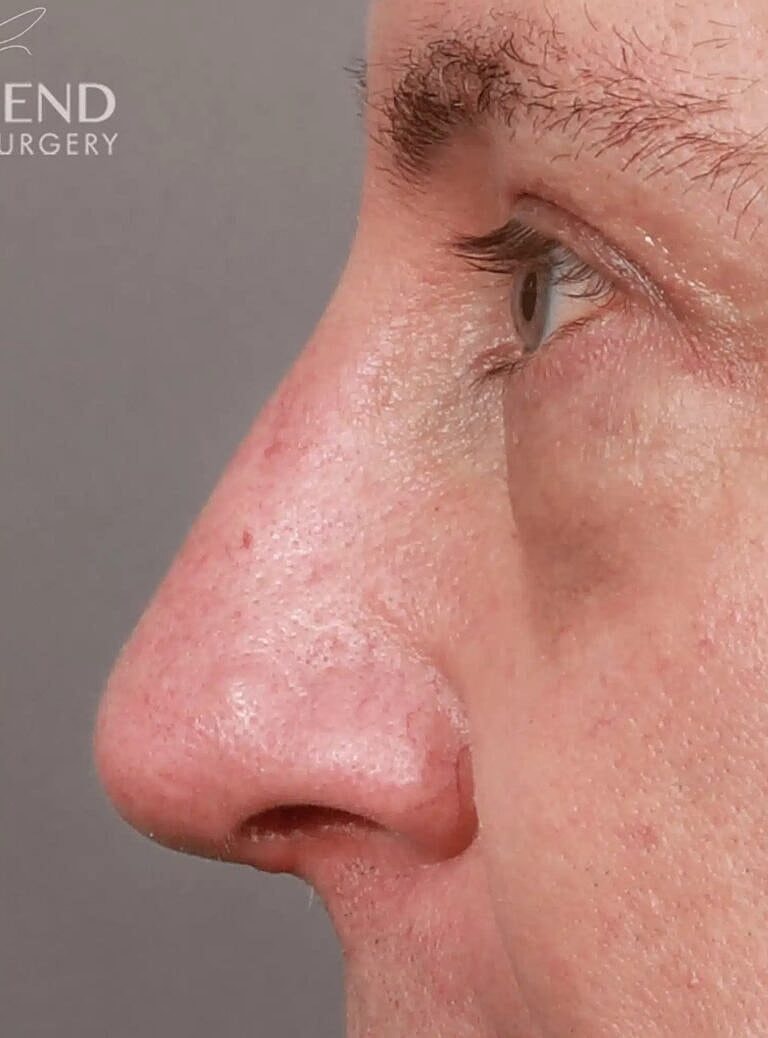
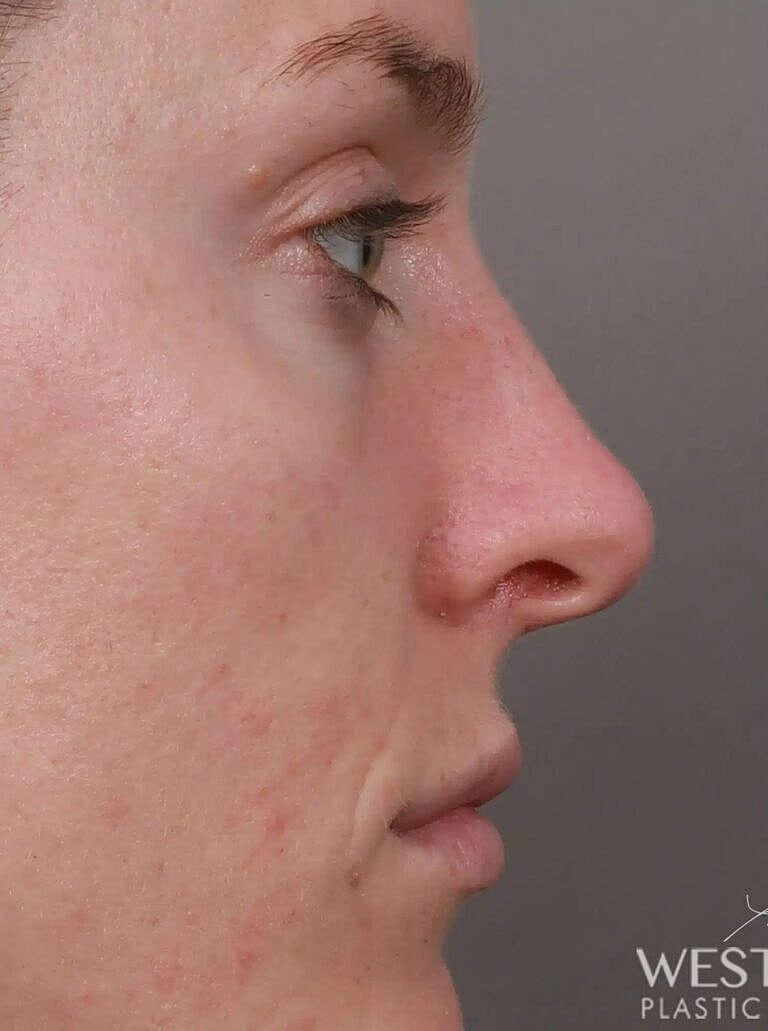
A successful rhinoplasty can transform a patient’s appearance and breathing function, but when results from a previous surgery do not align with your expectations, you may require a revision rhinoplasty.
At West End Plastic Surgery, we specialize in addressing both the aesthetic and functional challenges that arise from a previous rhinoplasty surgery. Our Double Board-Certified Facial Plastic Surgeon, Dr. Lexie Wang, brings a high level of skill and experience to these complex facial plastic surgery procedures, ensuring that every patient receives personalized, comprehensive care.


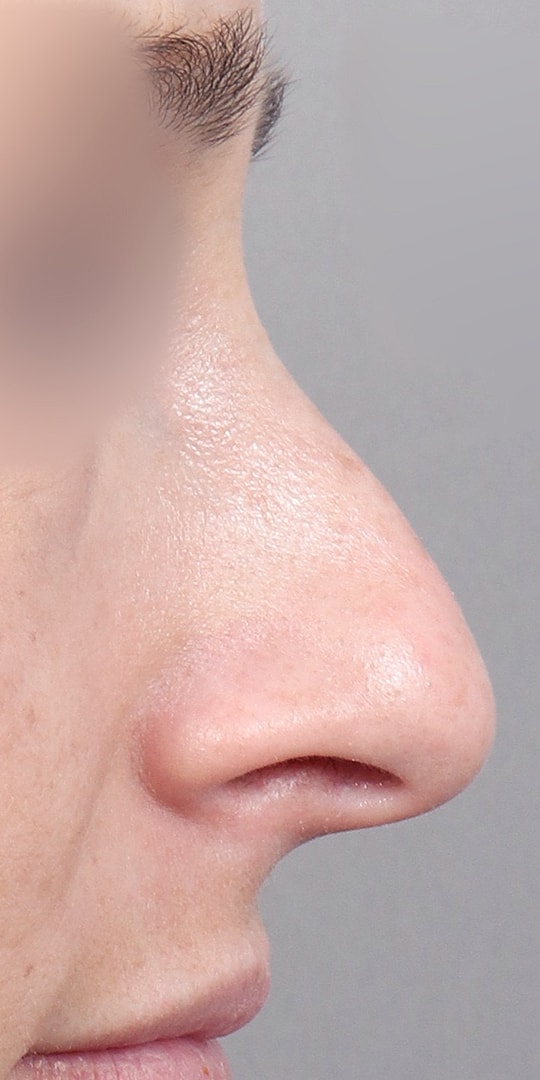
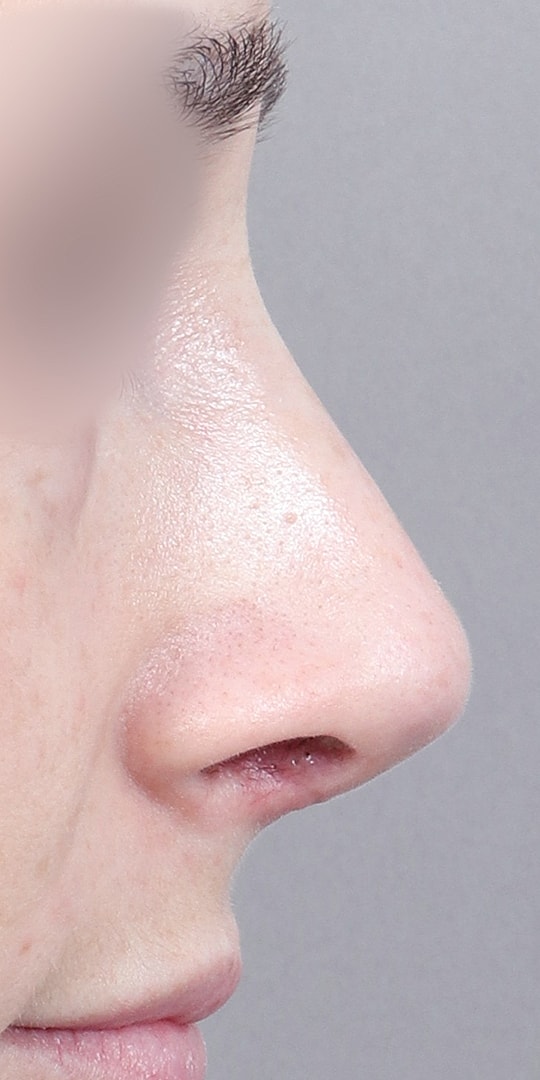
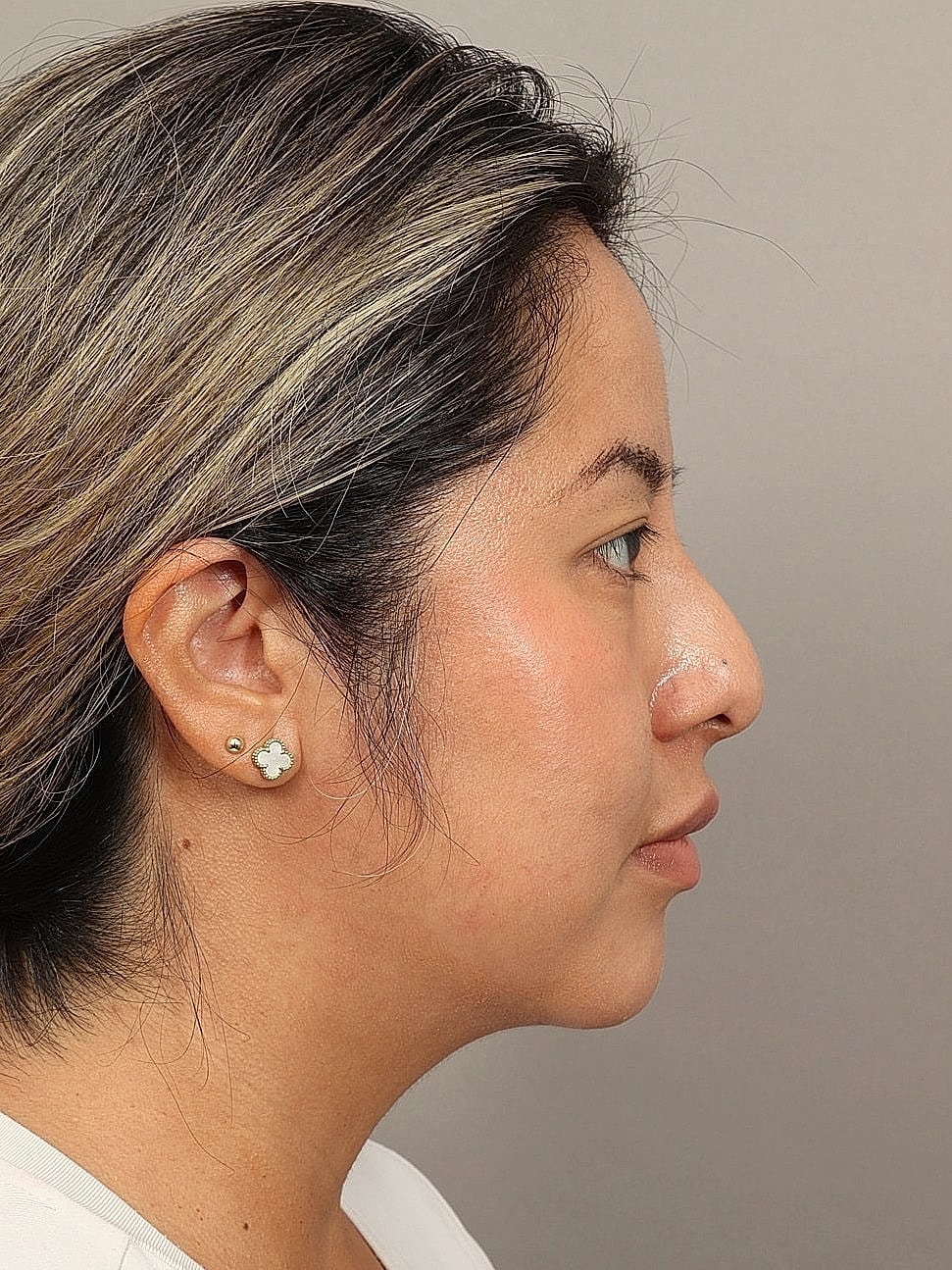
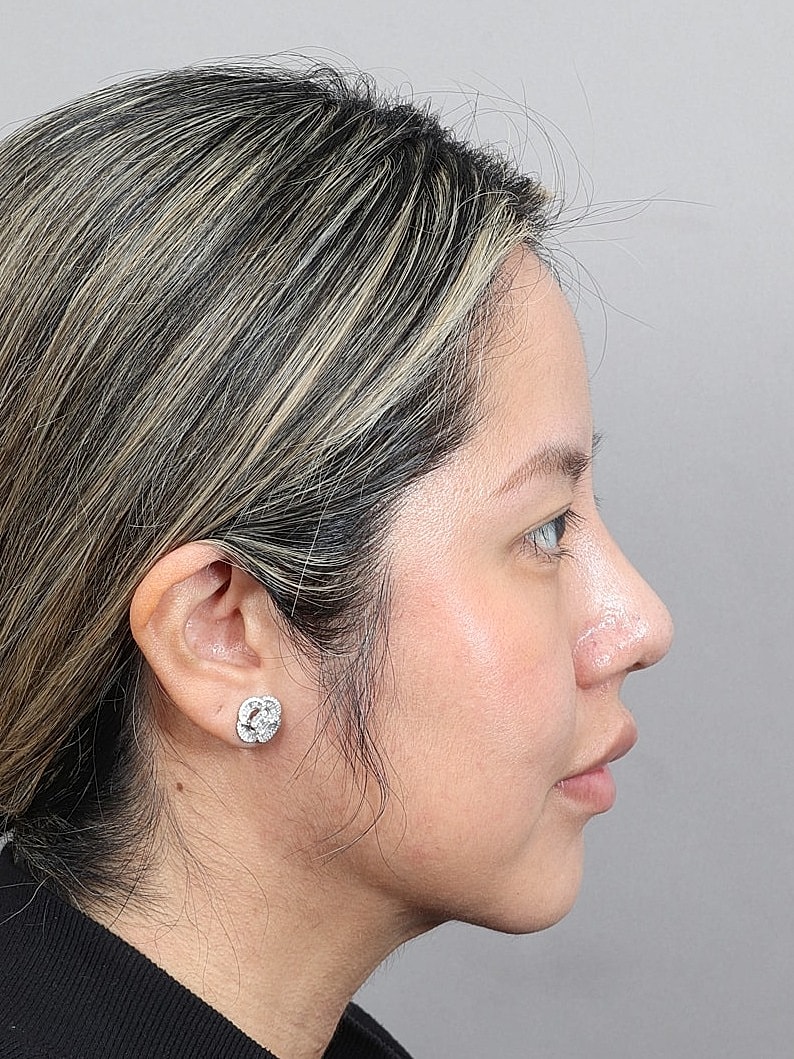
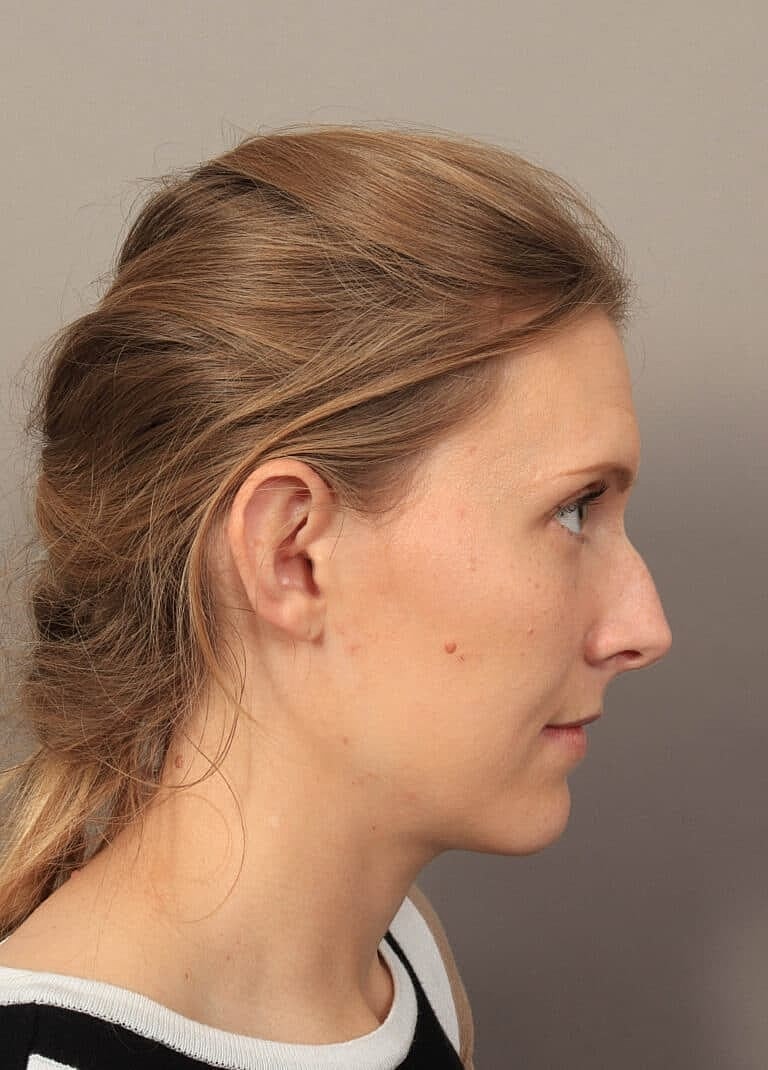
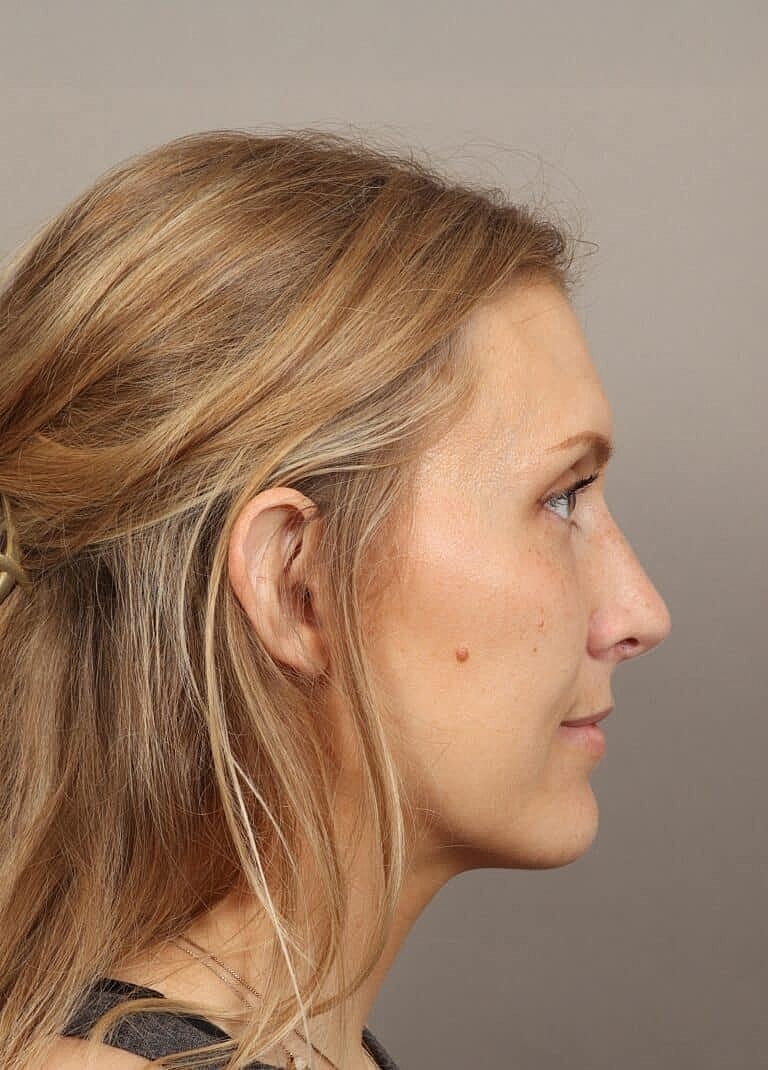
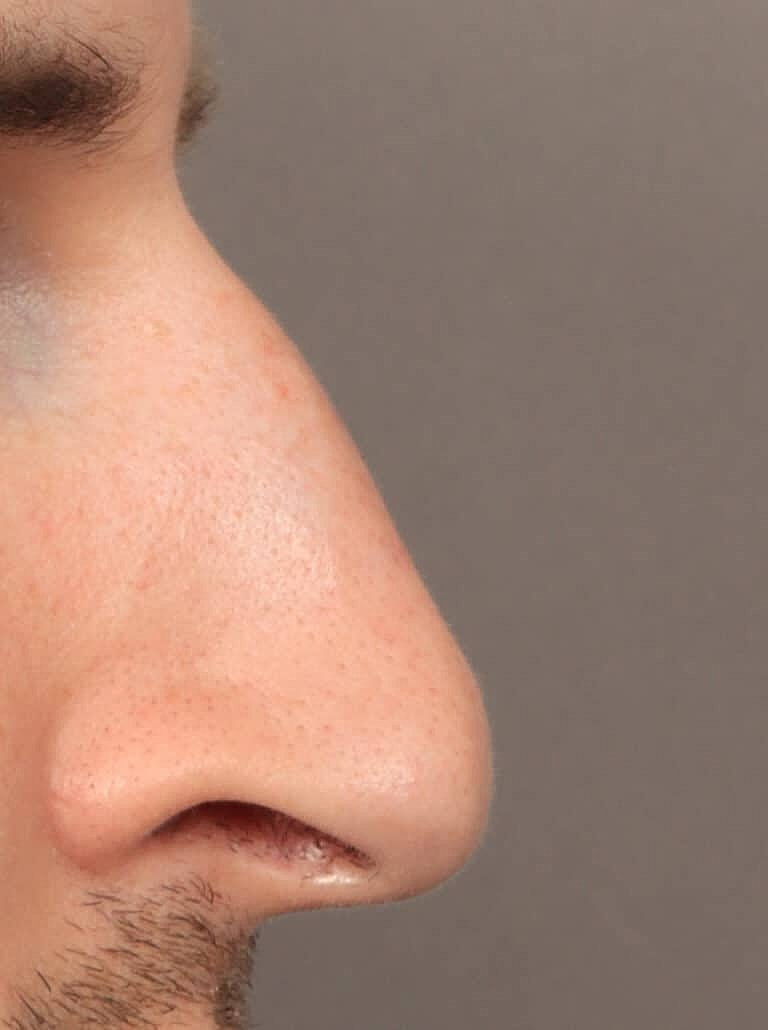
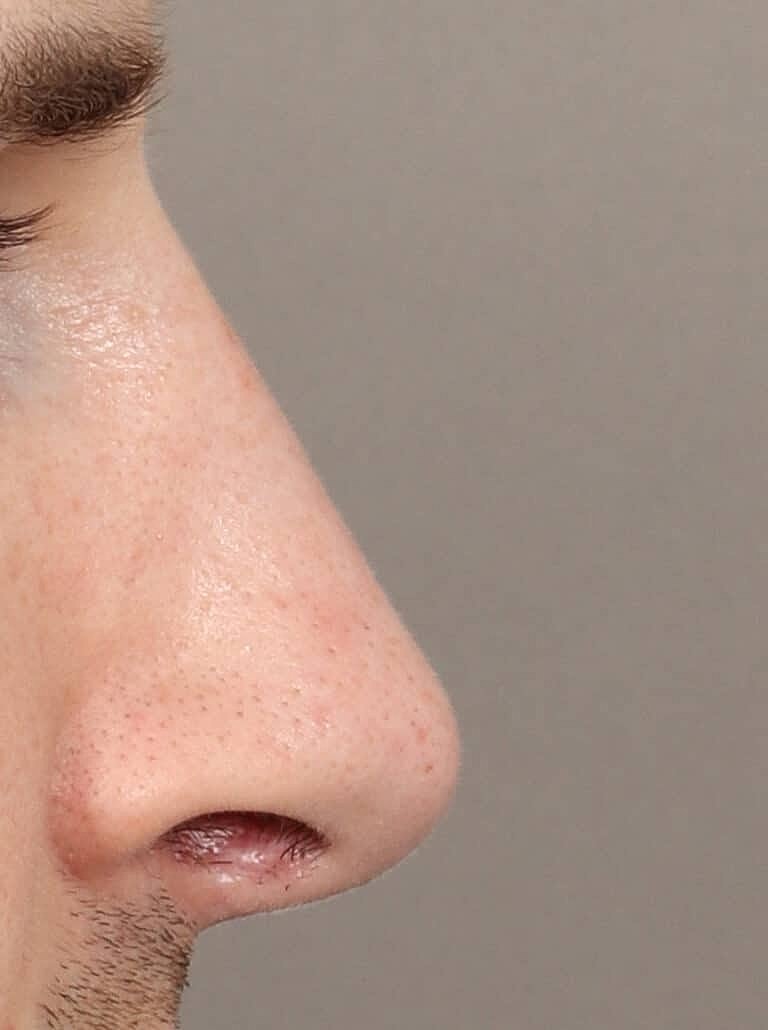
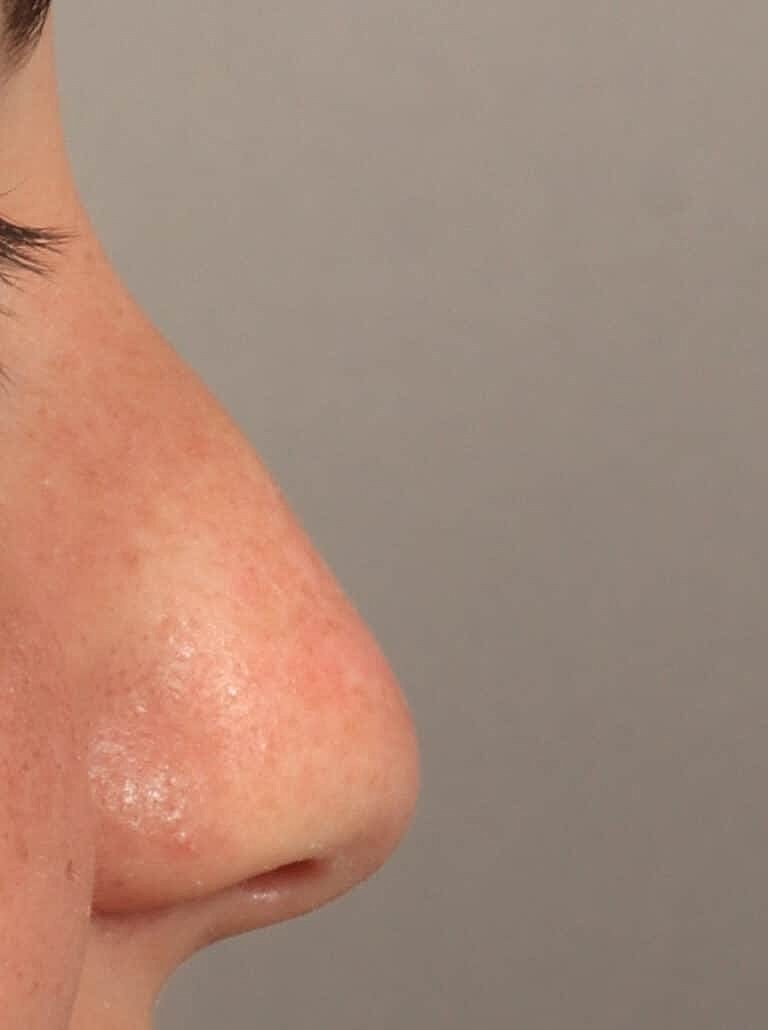
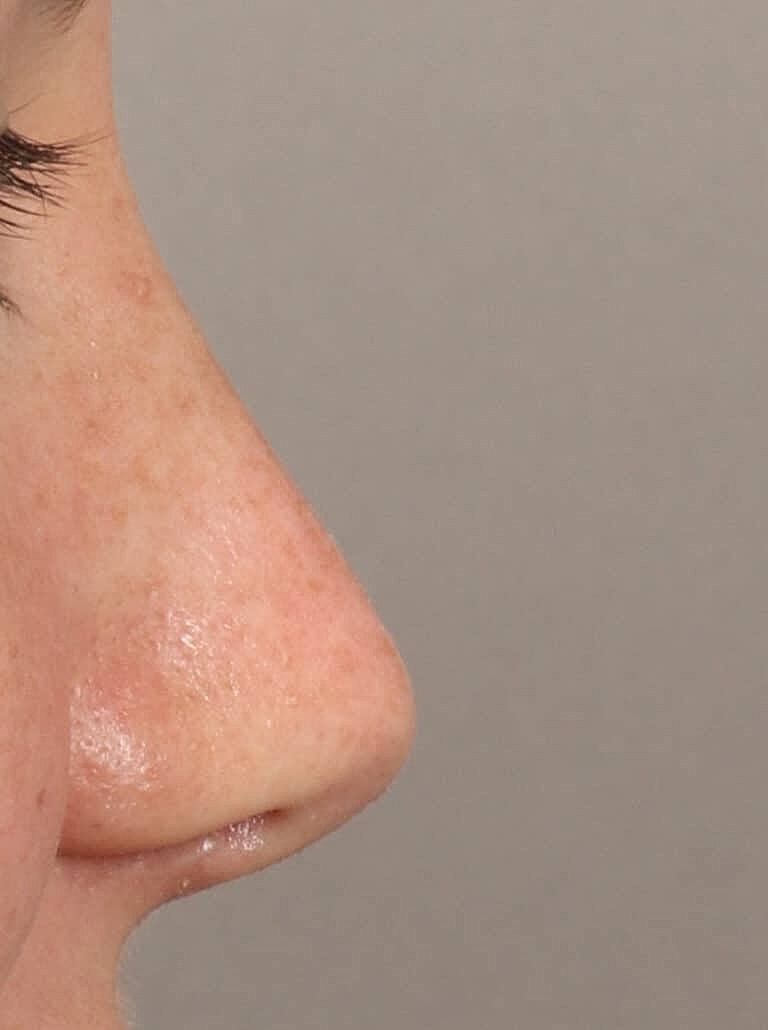
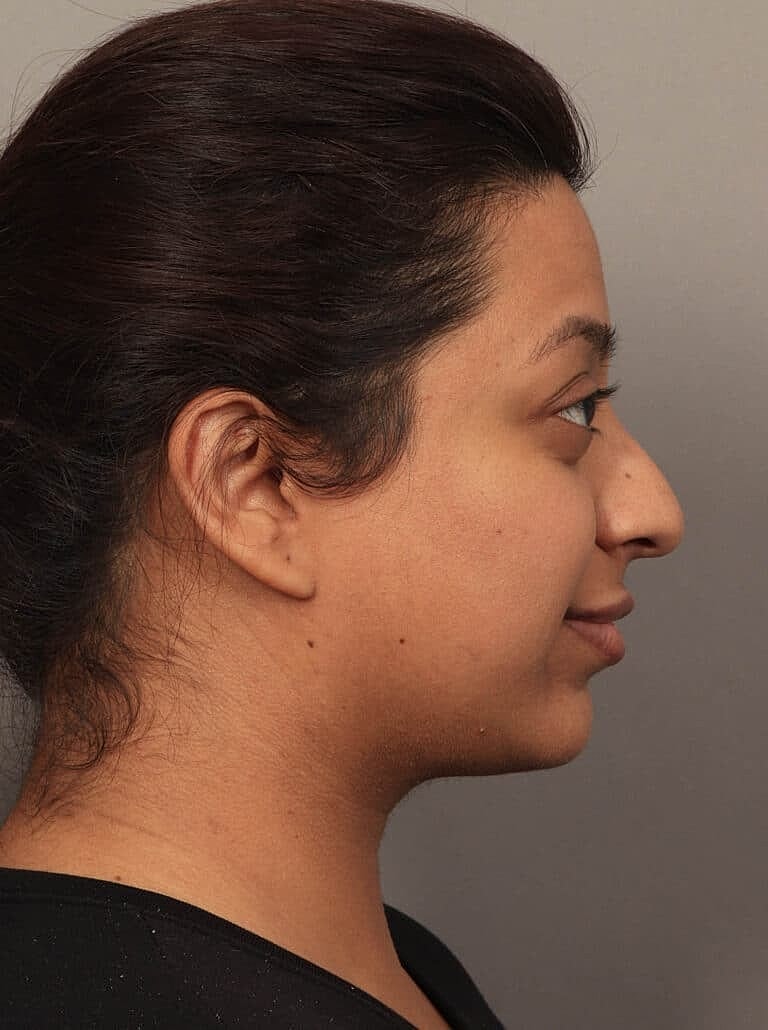
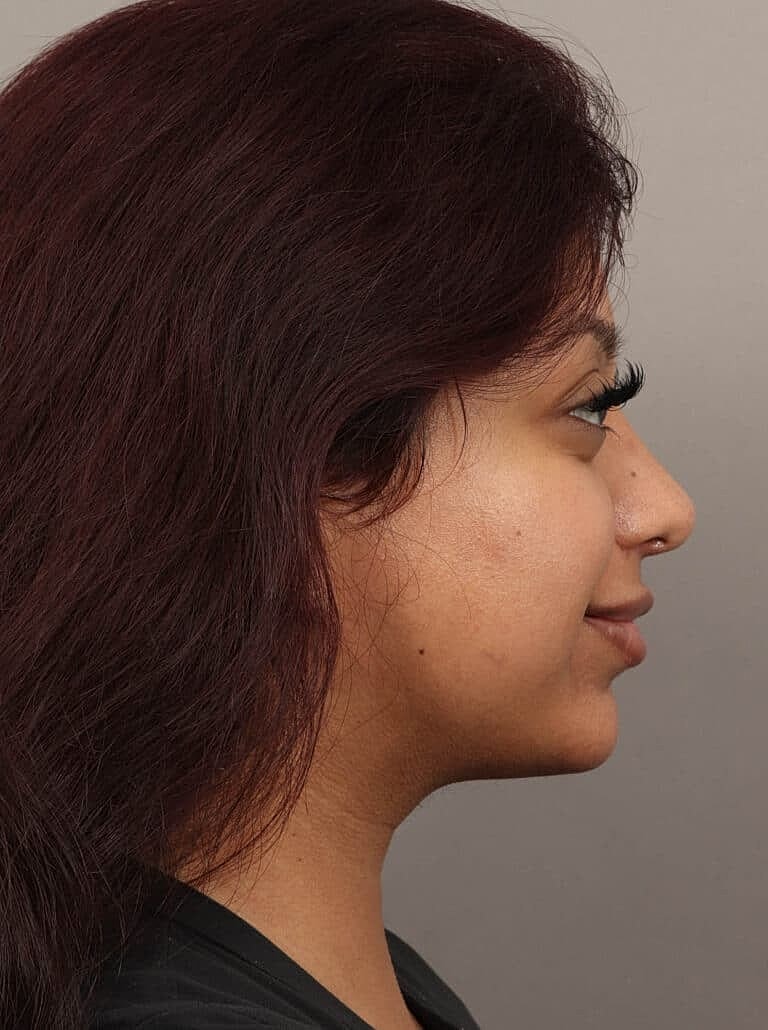
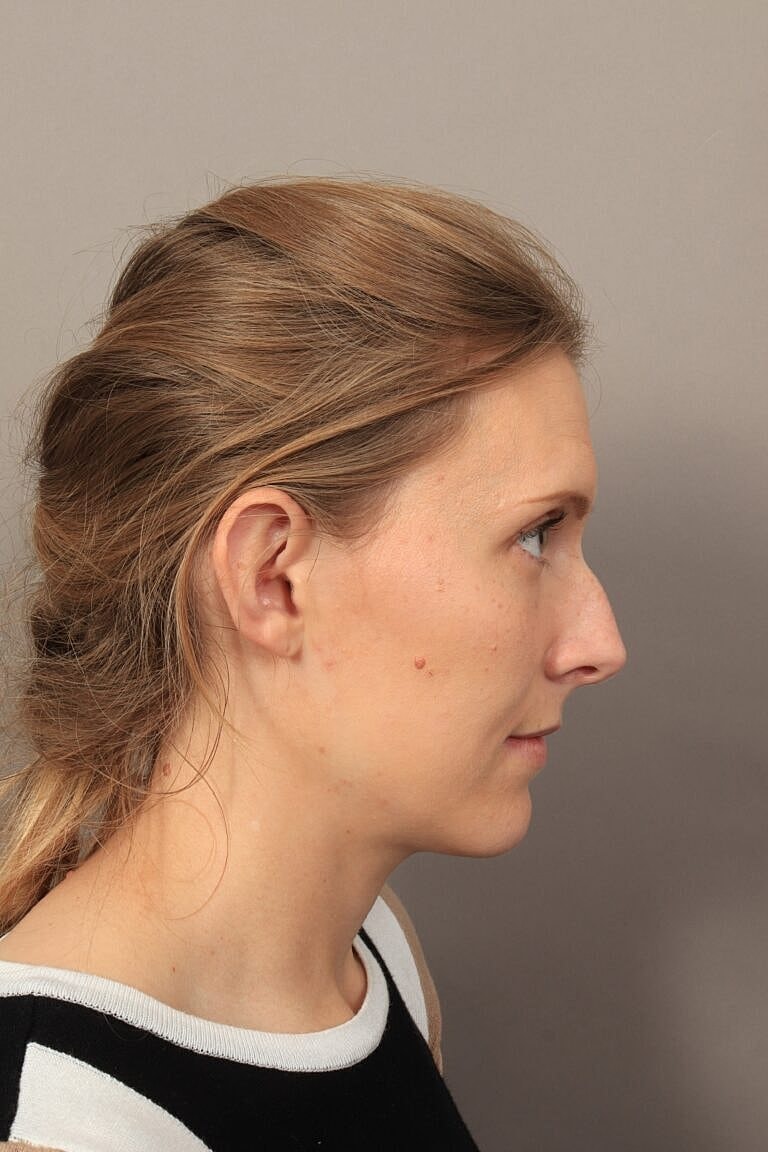
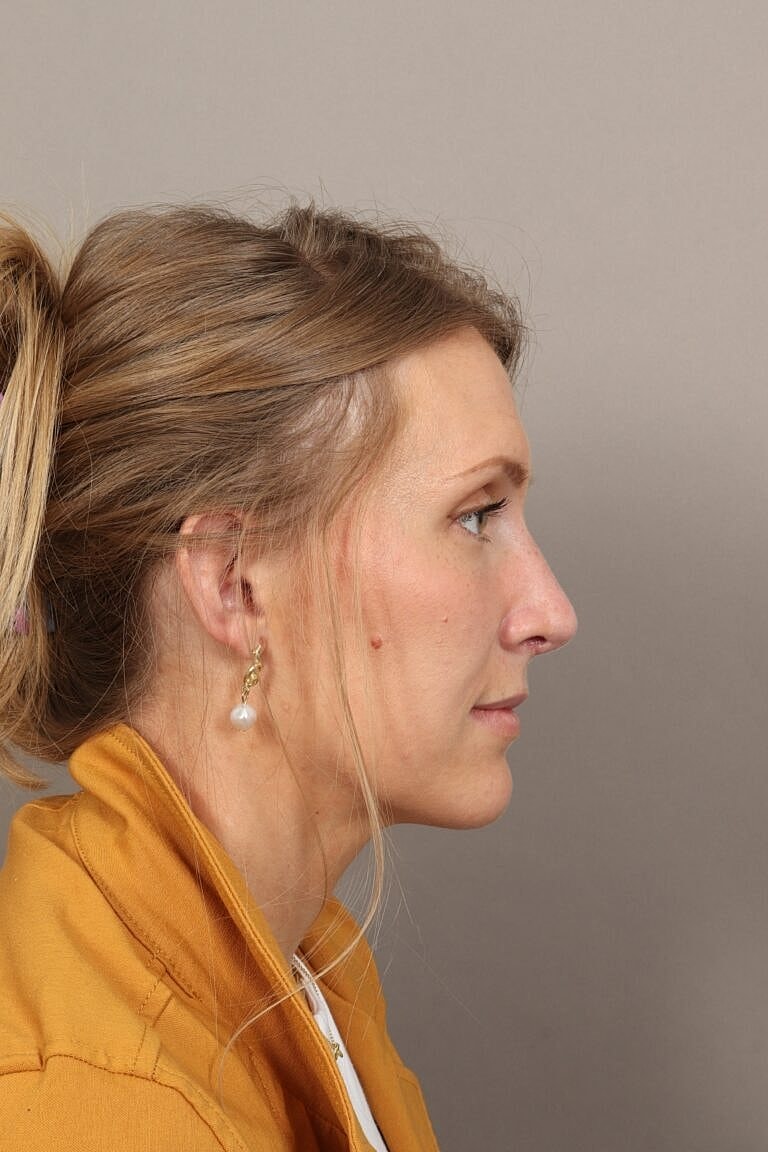
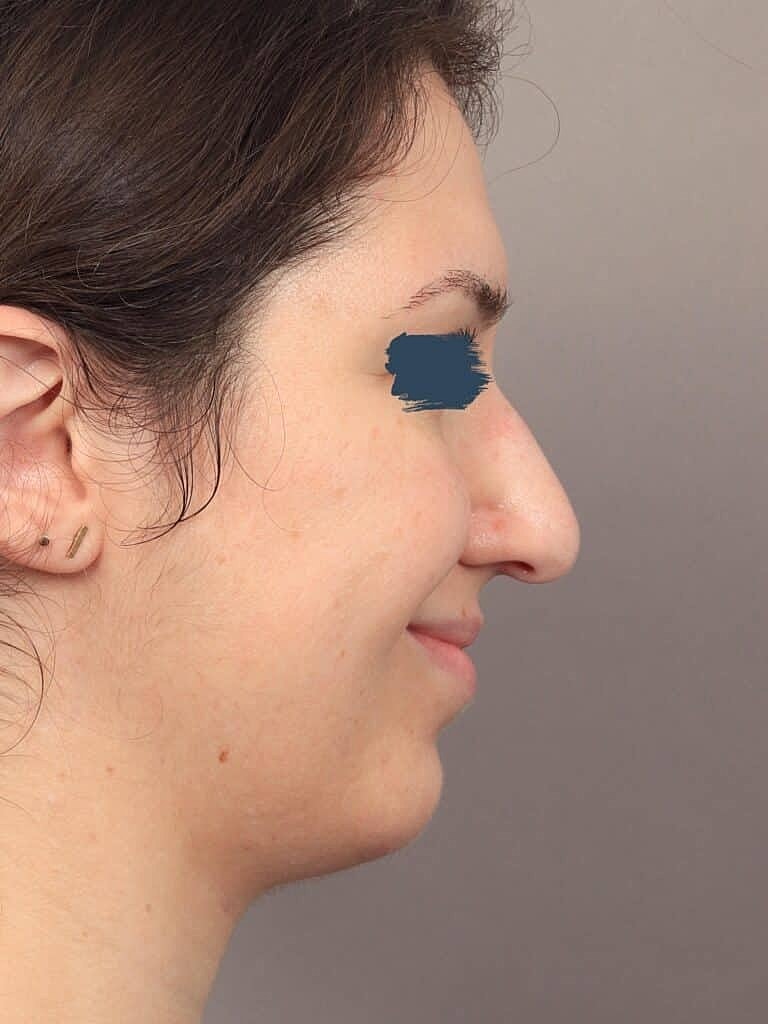
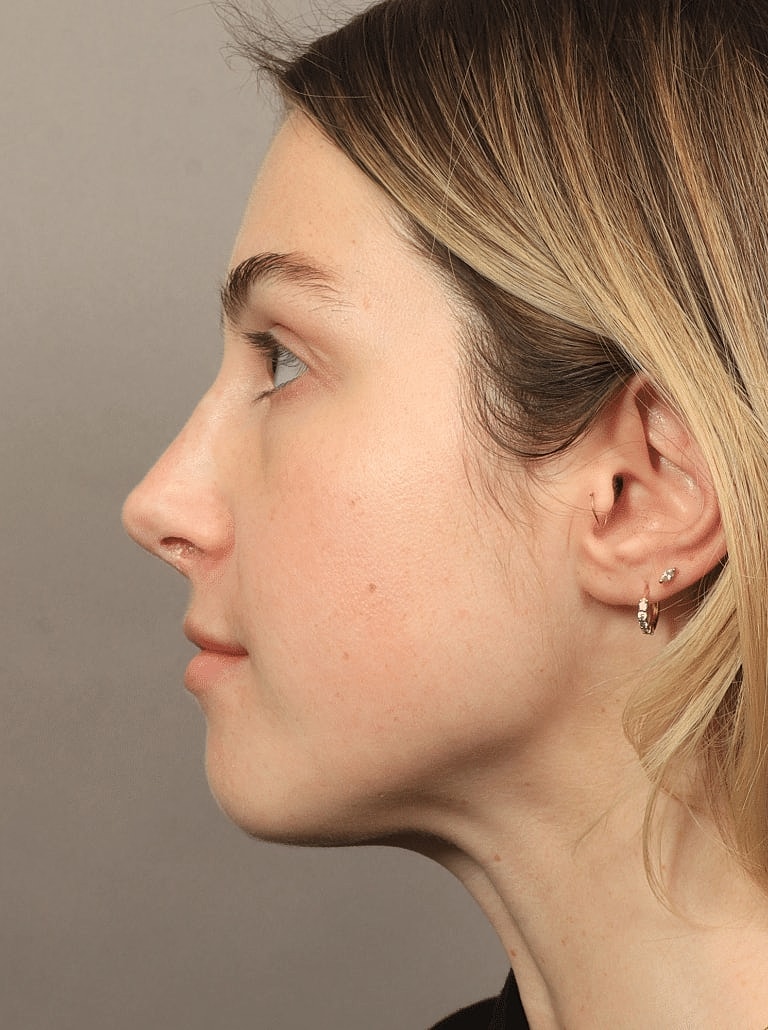
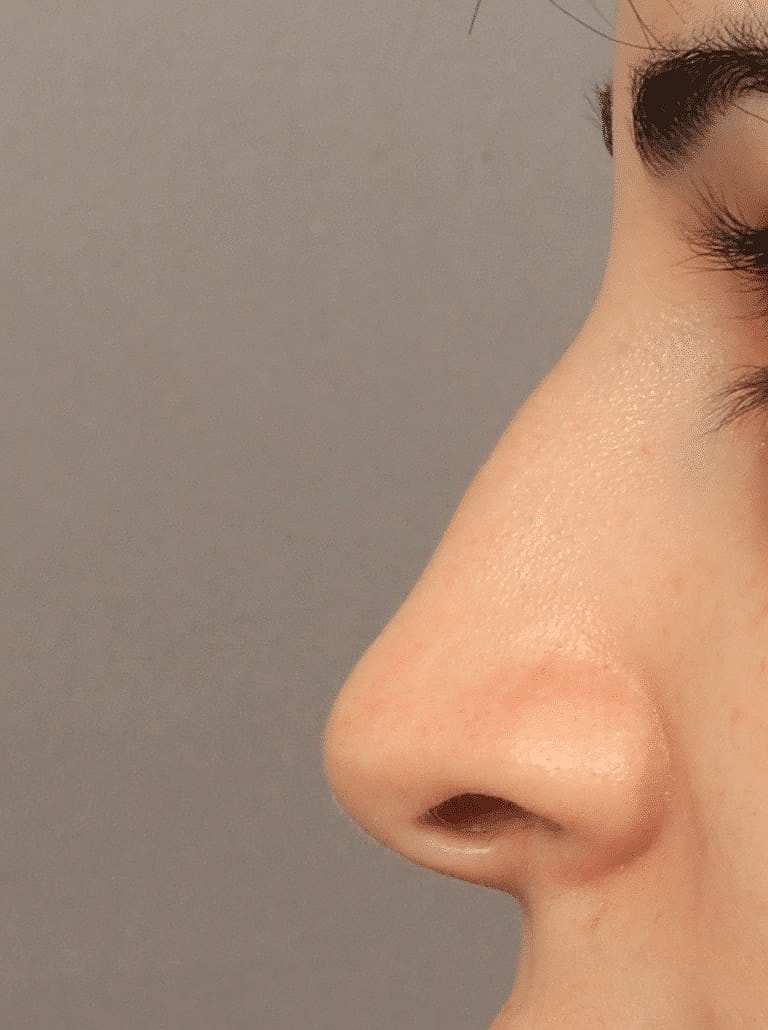
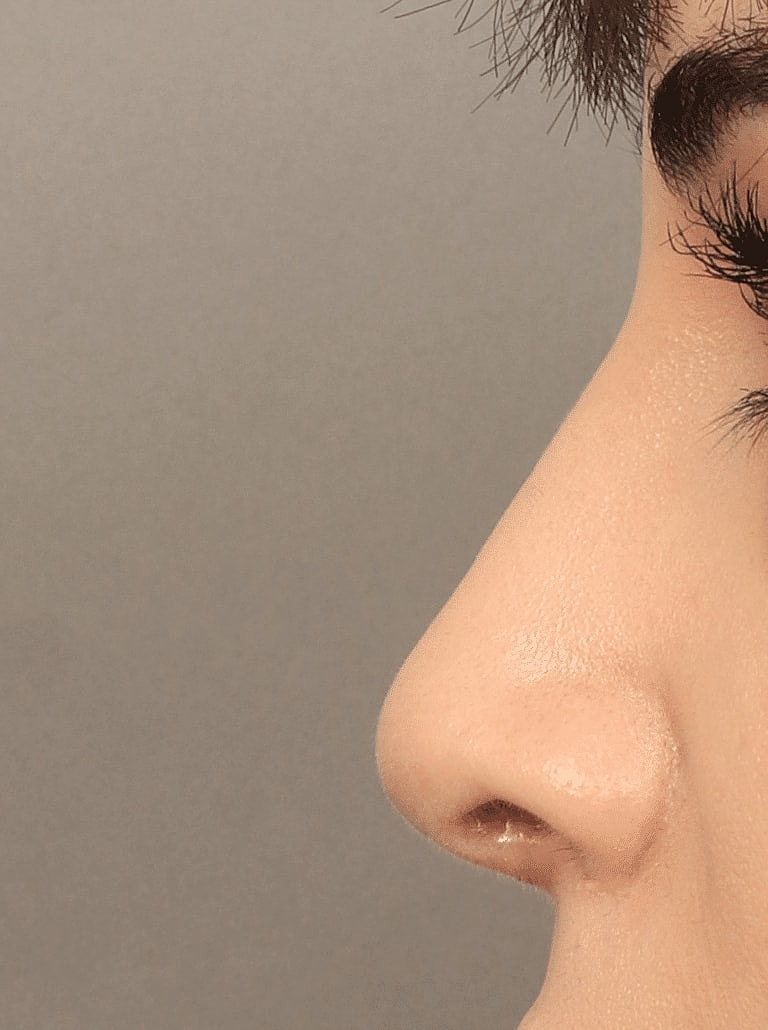
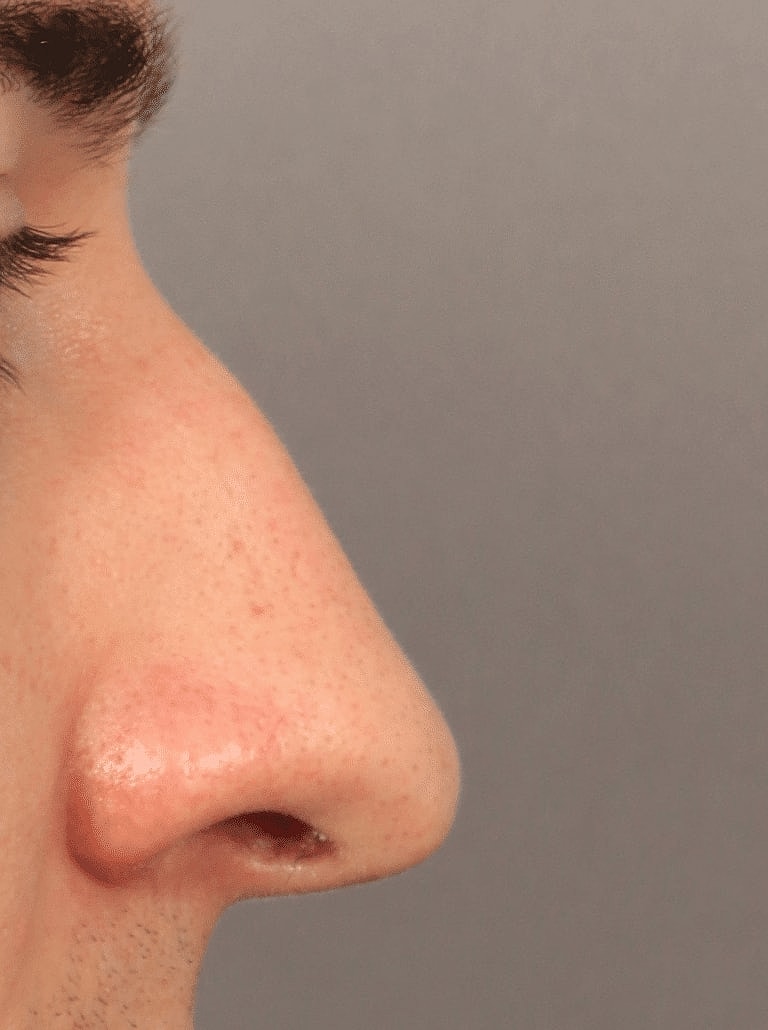
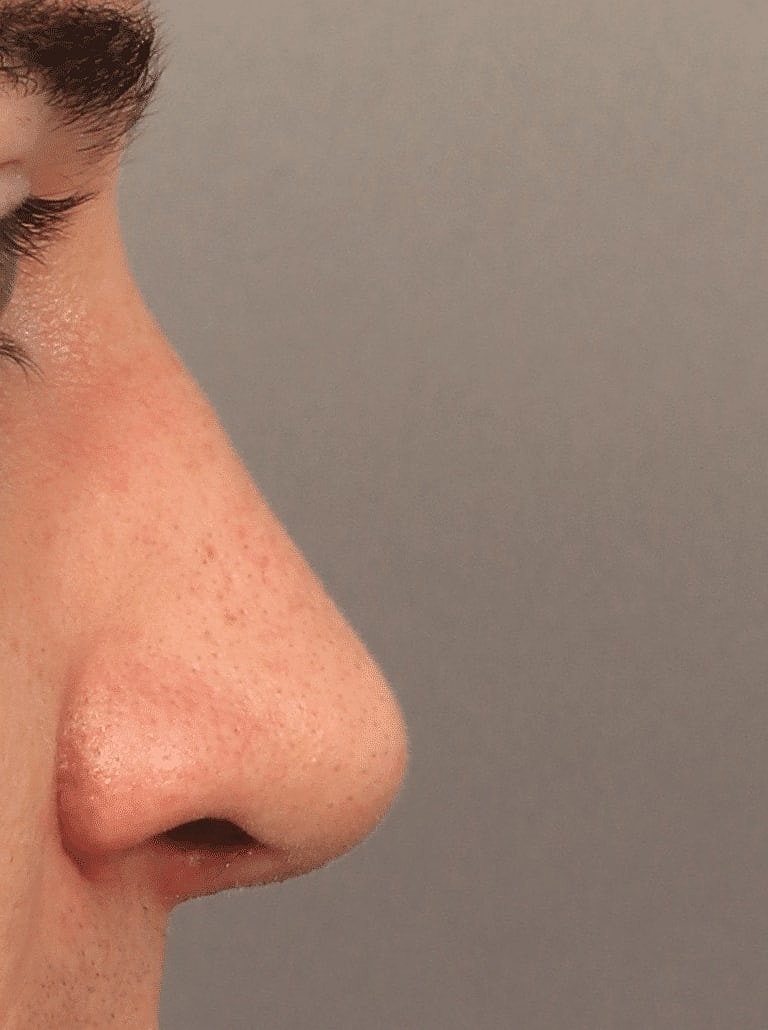
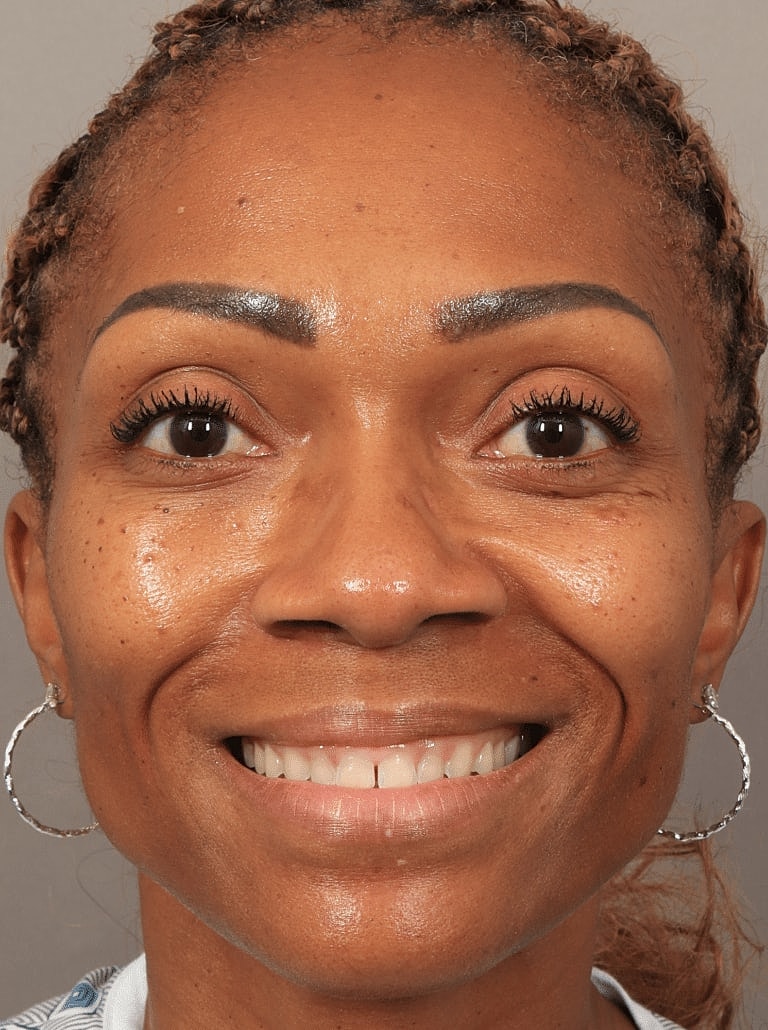
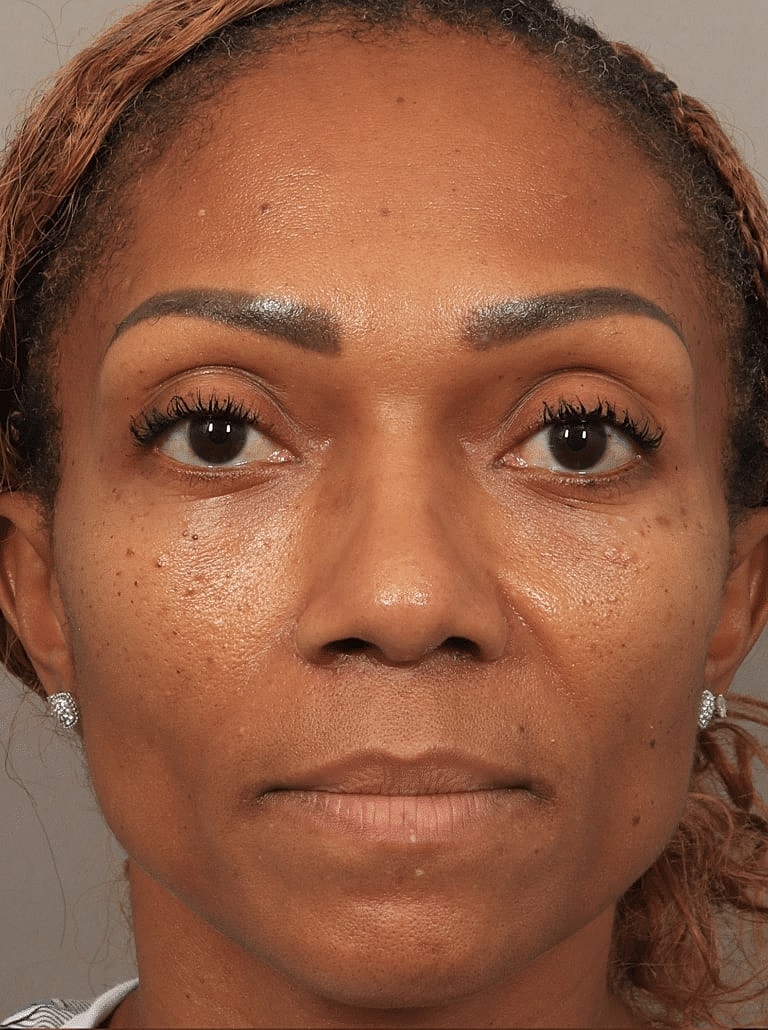
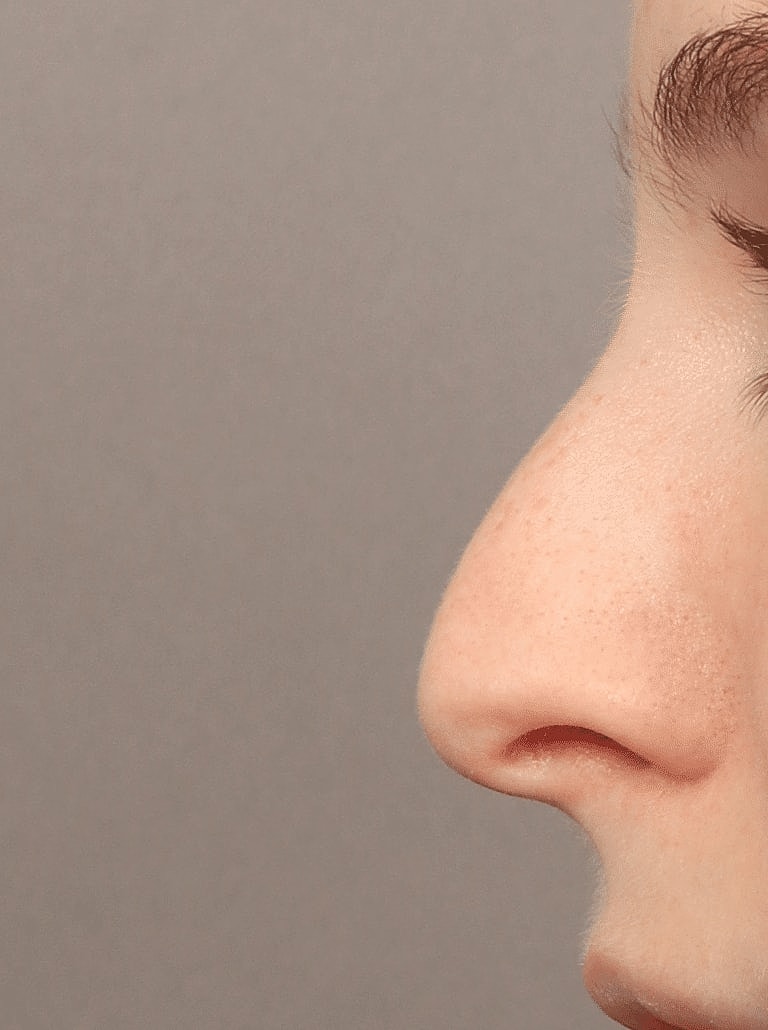
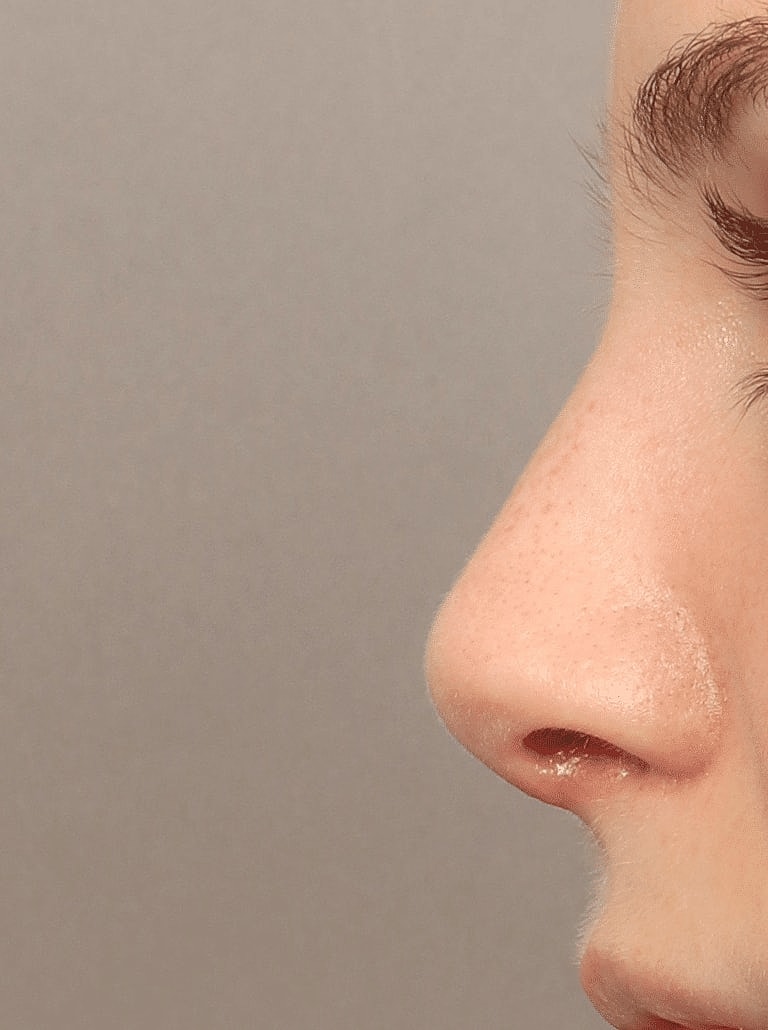
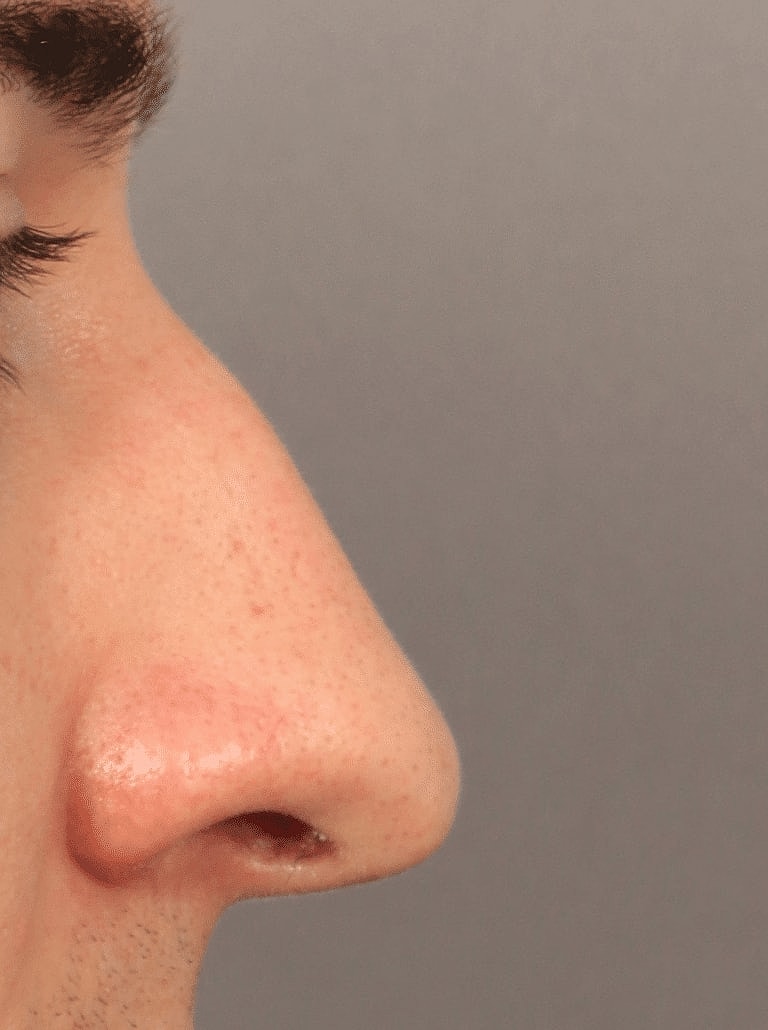
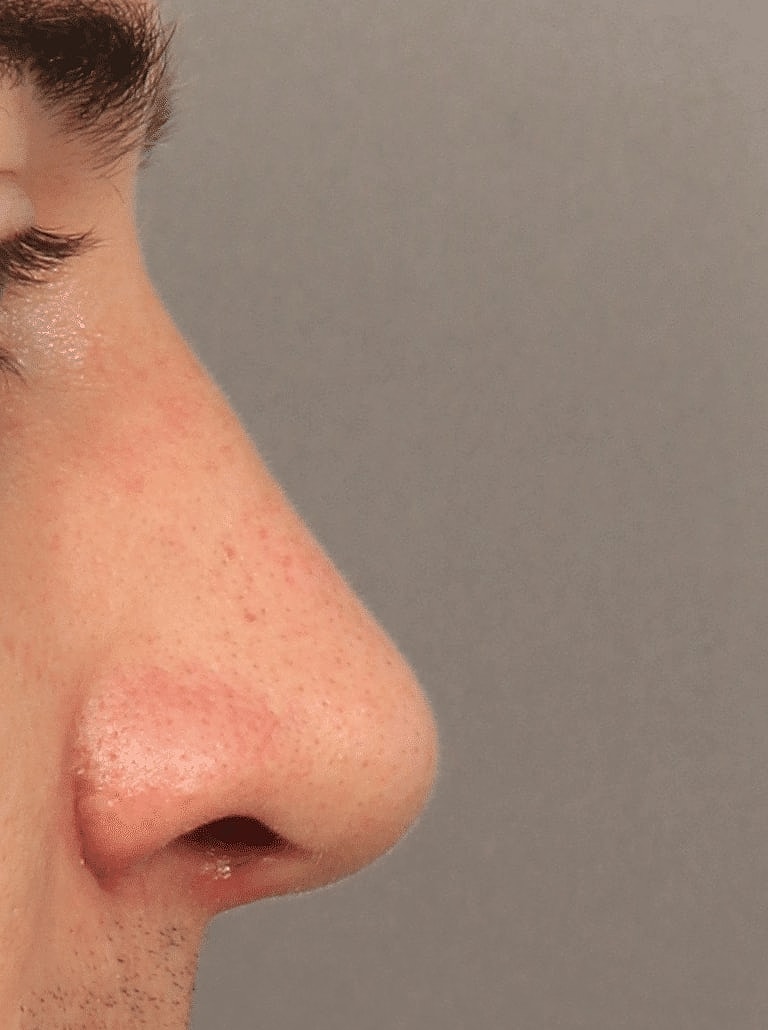
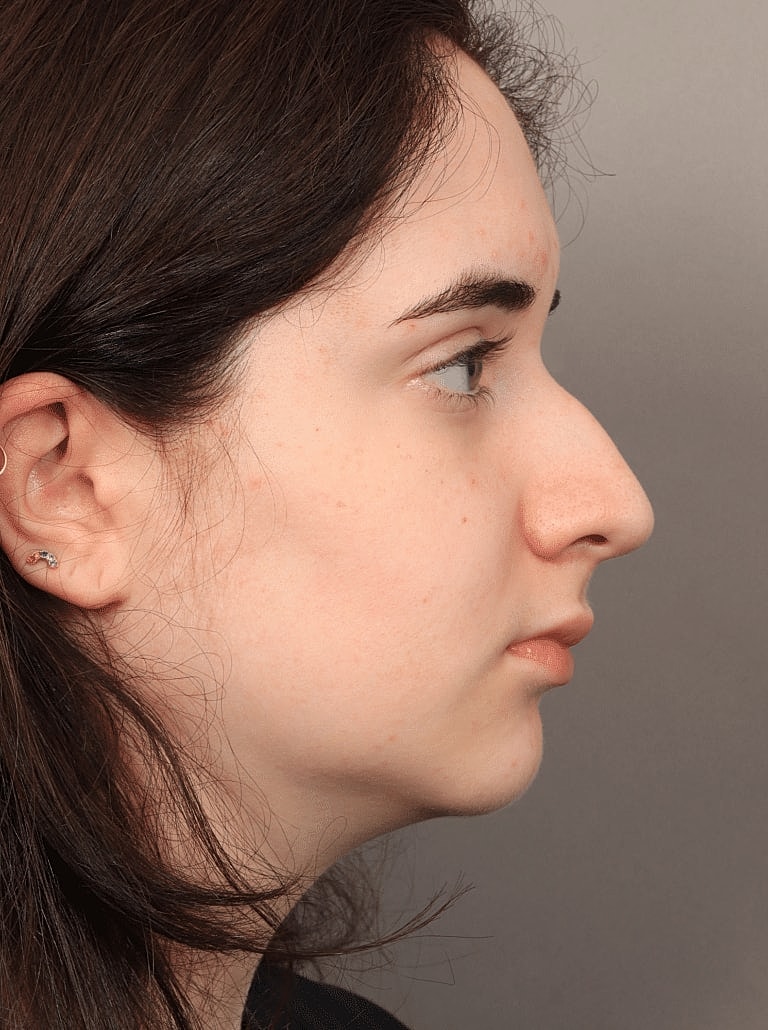
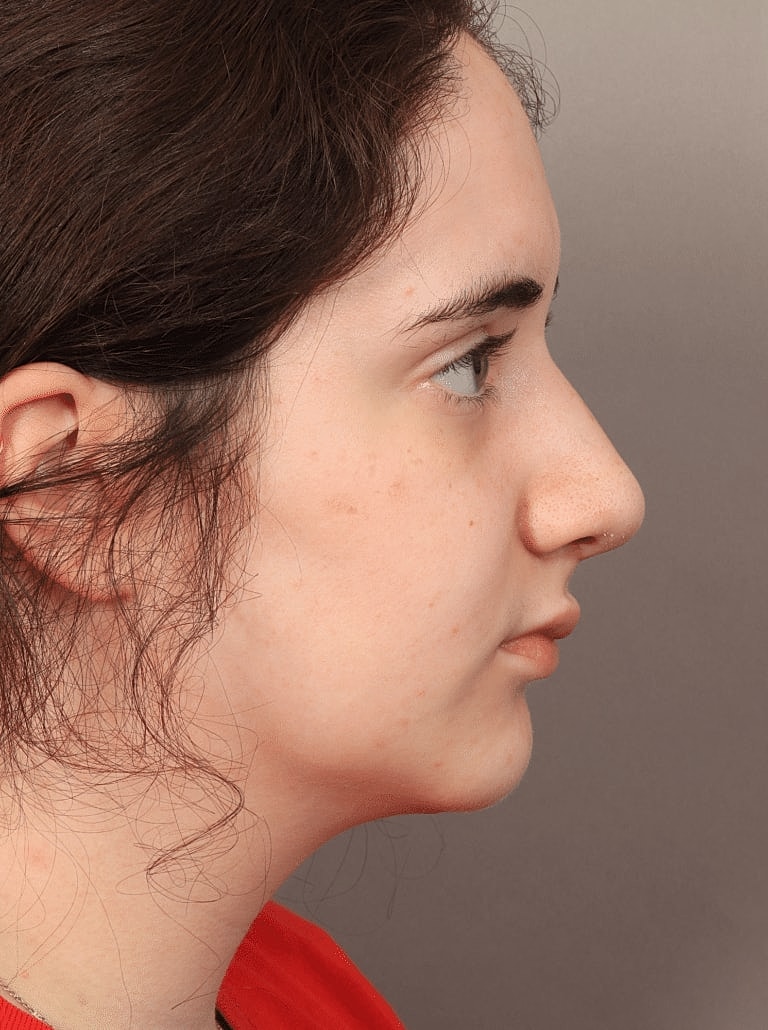
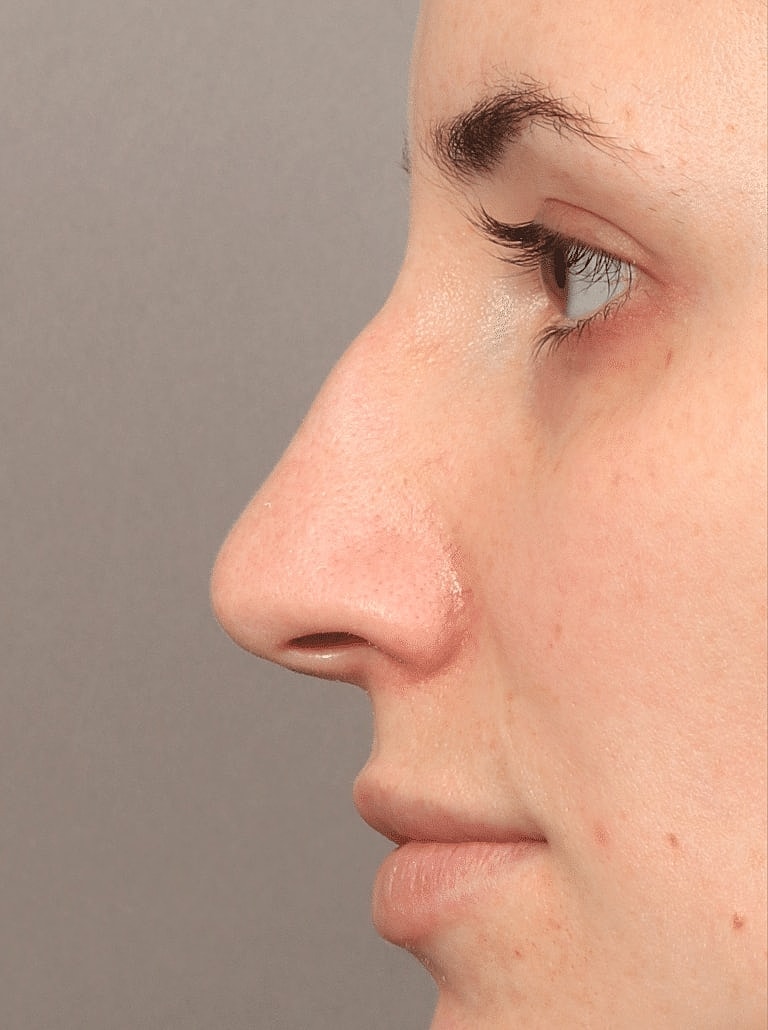
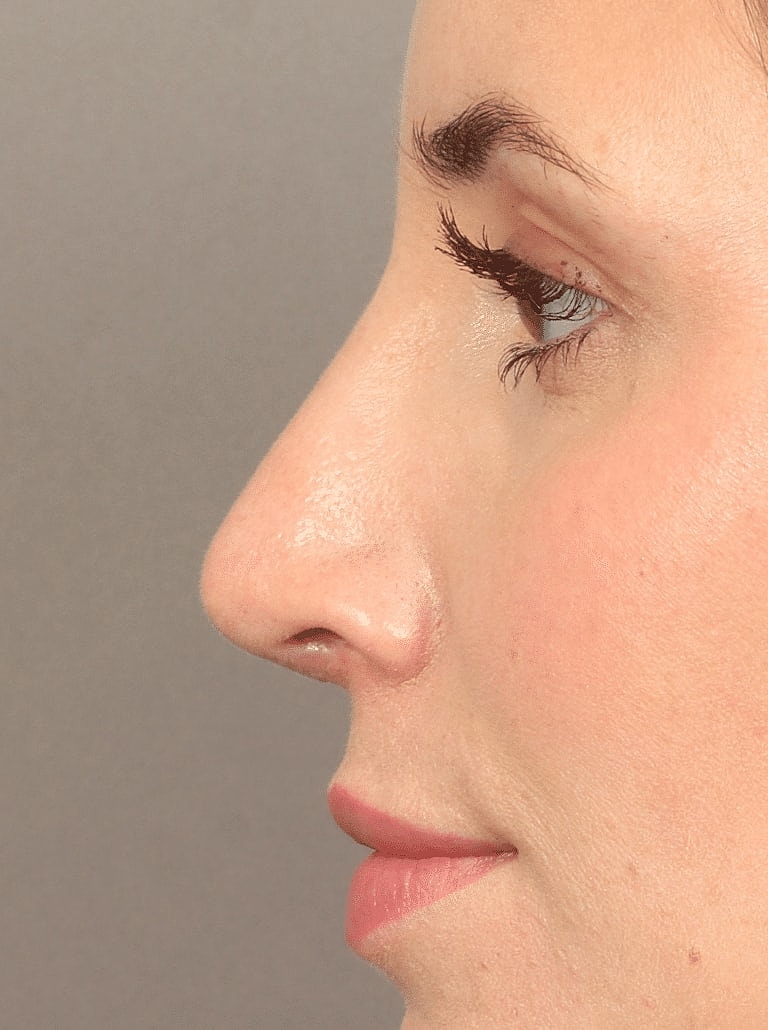
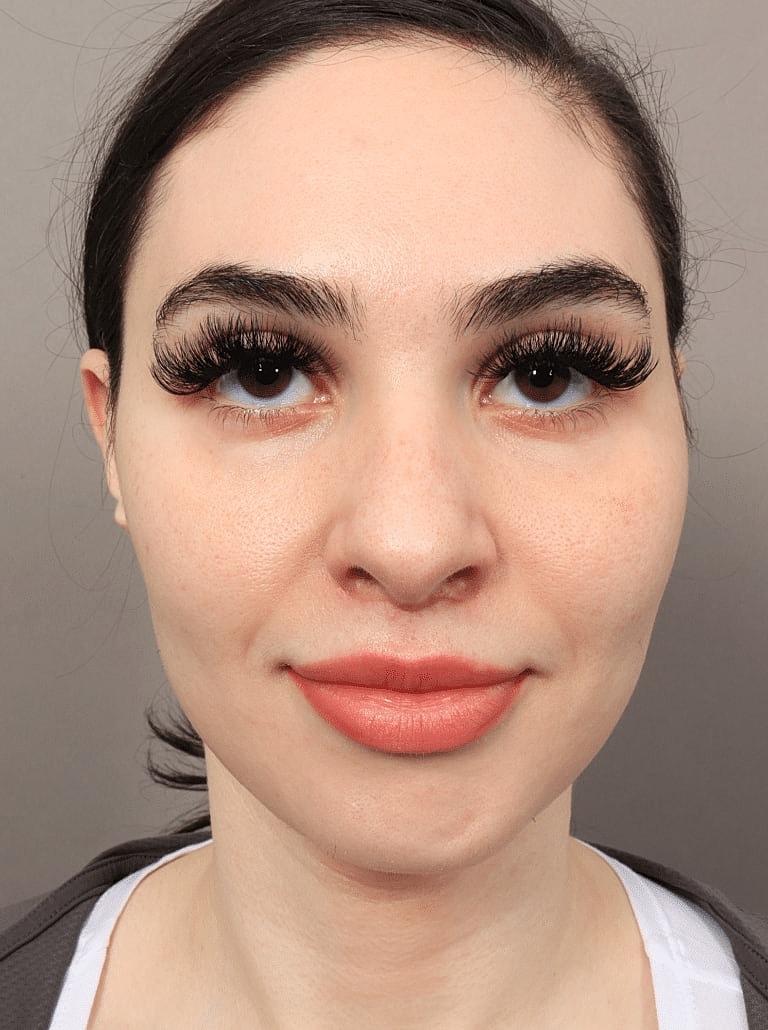
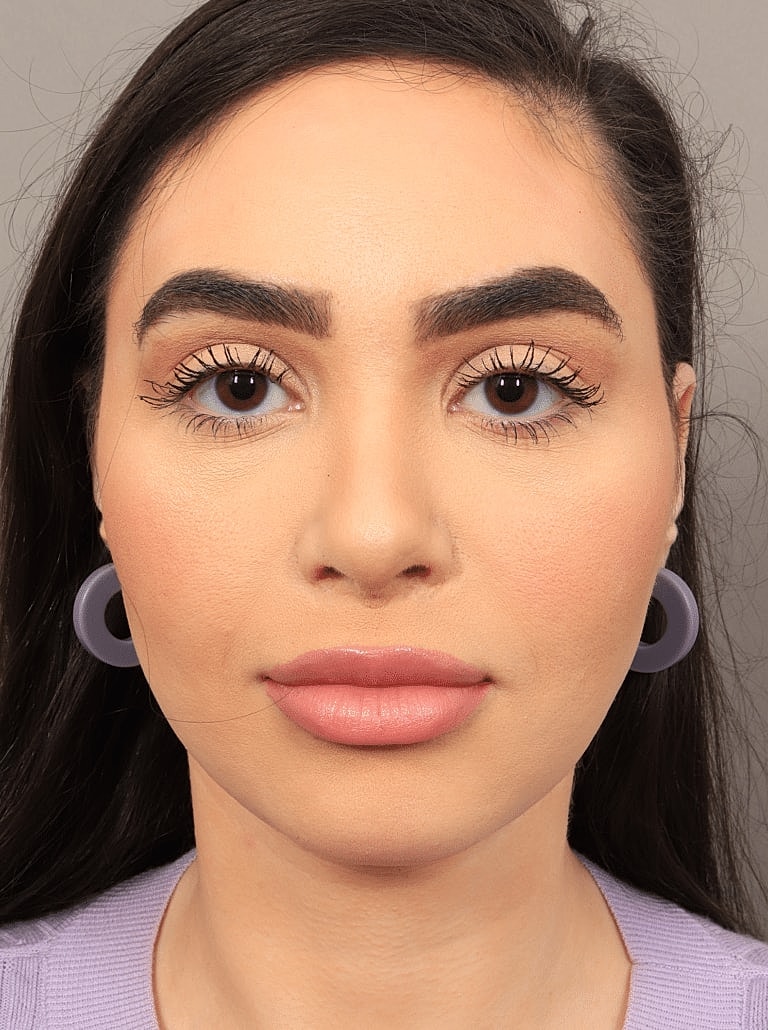
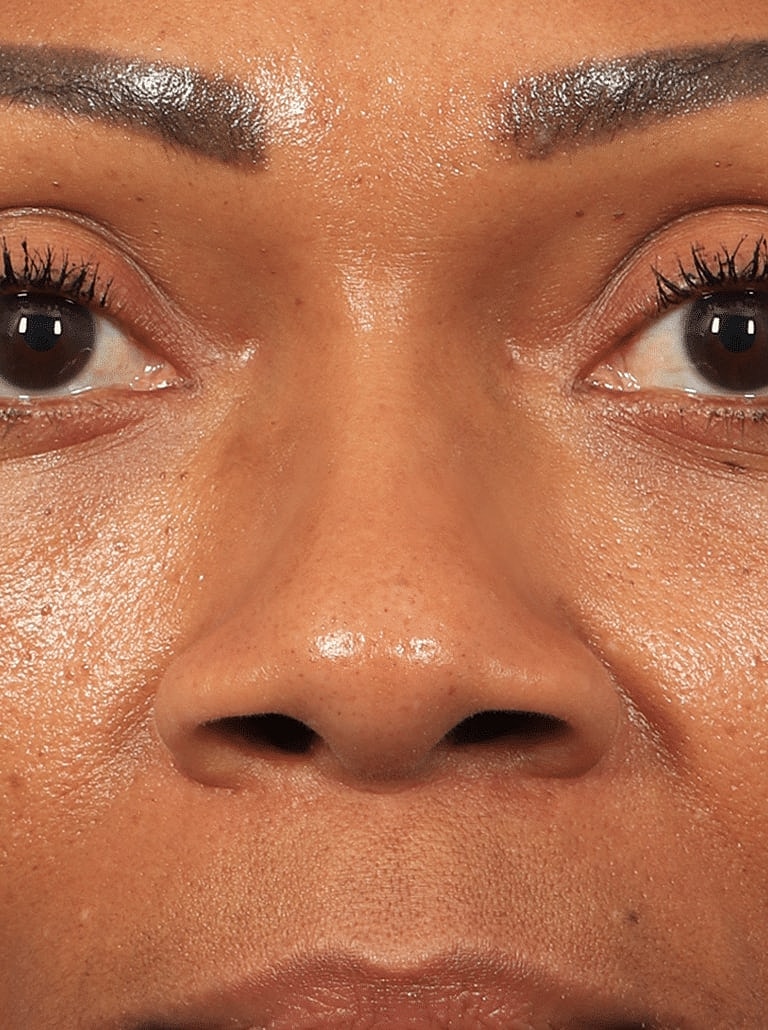
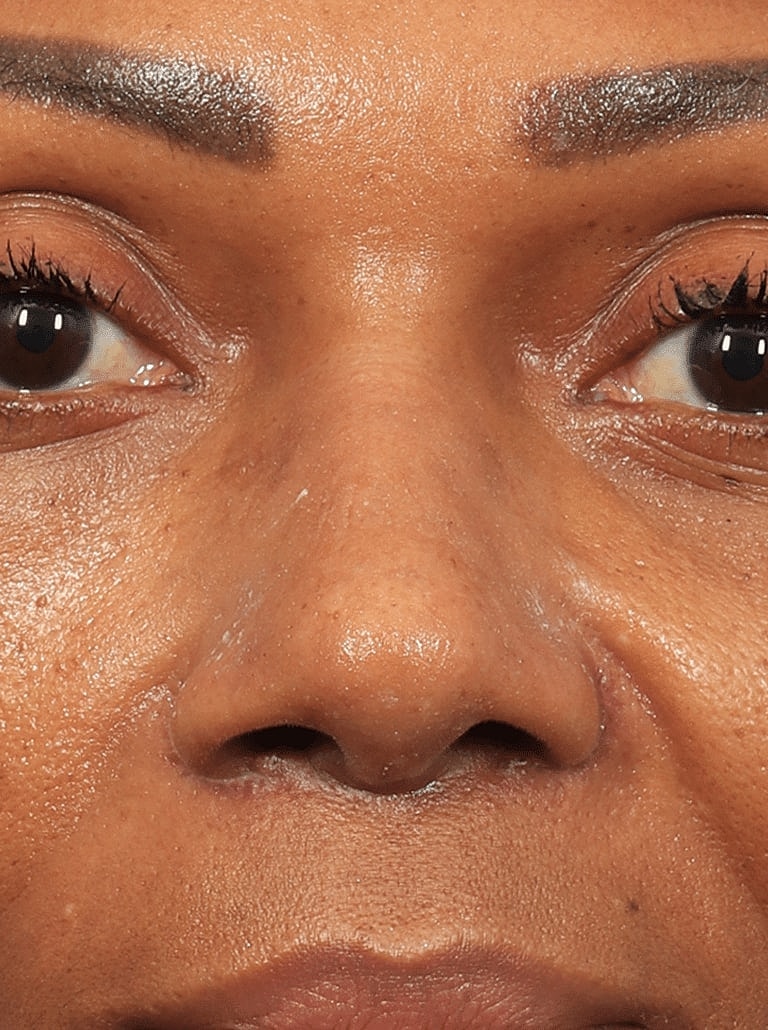
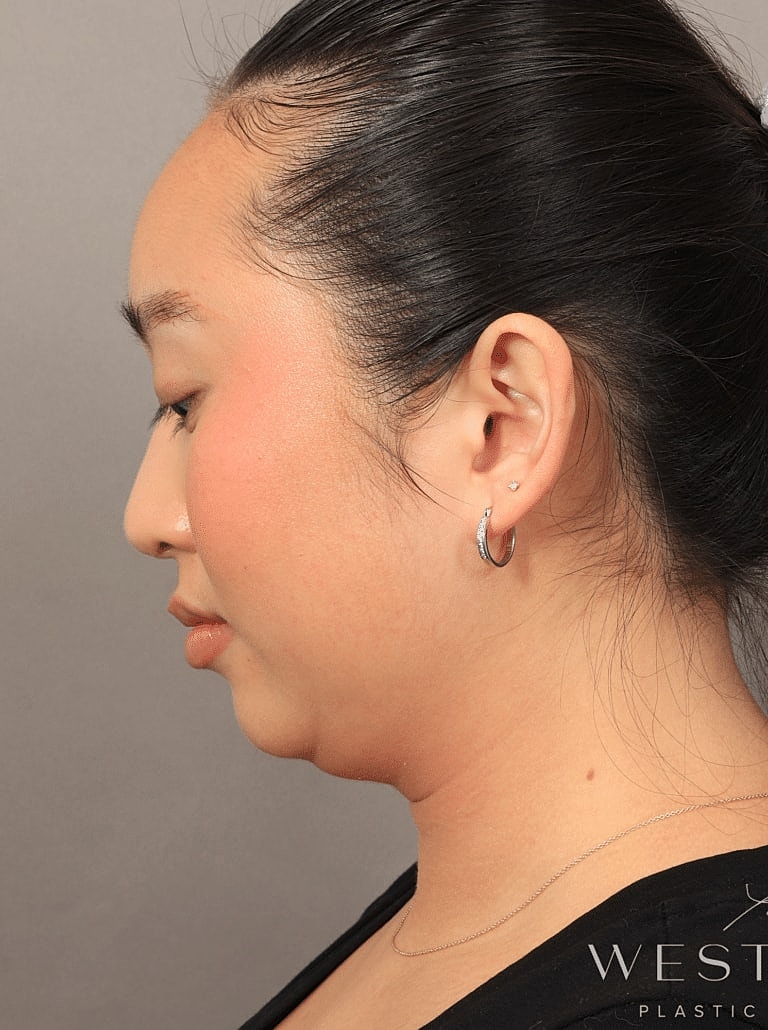
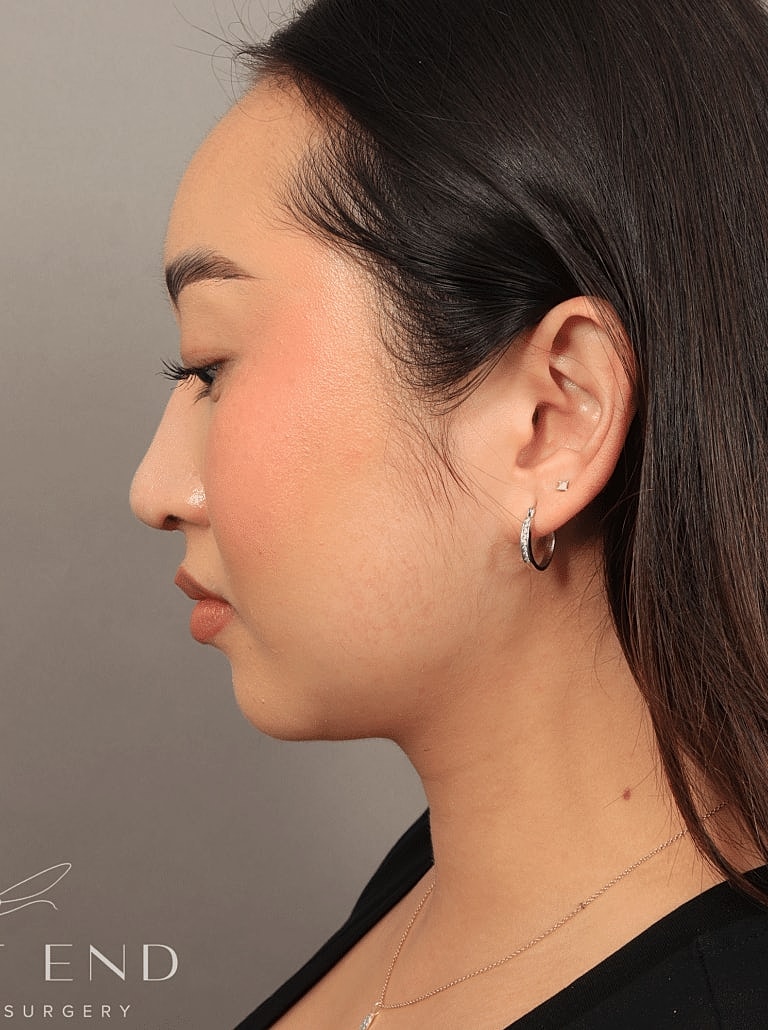
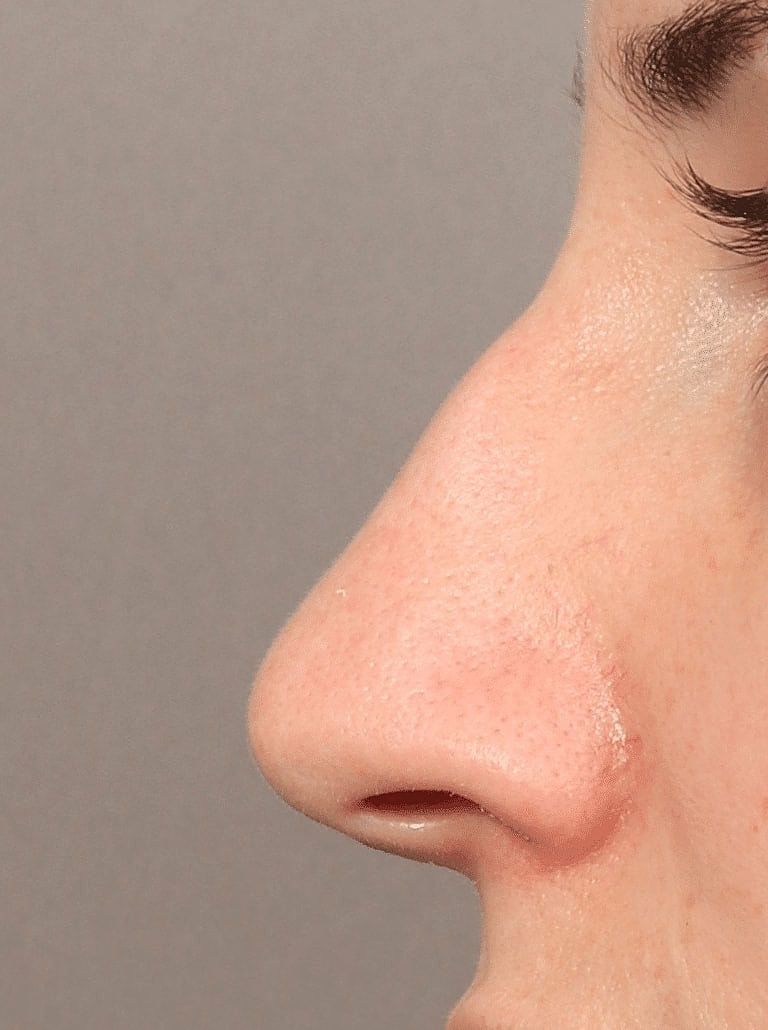
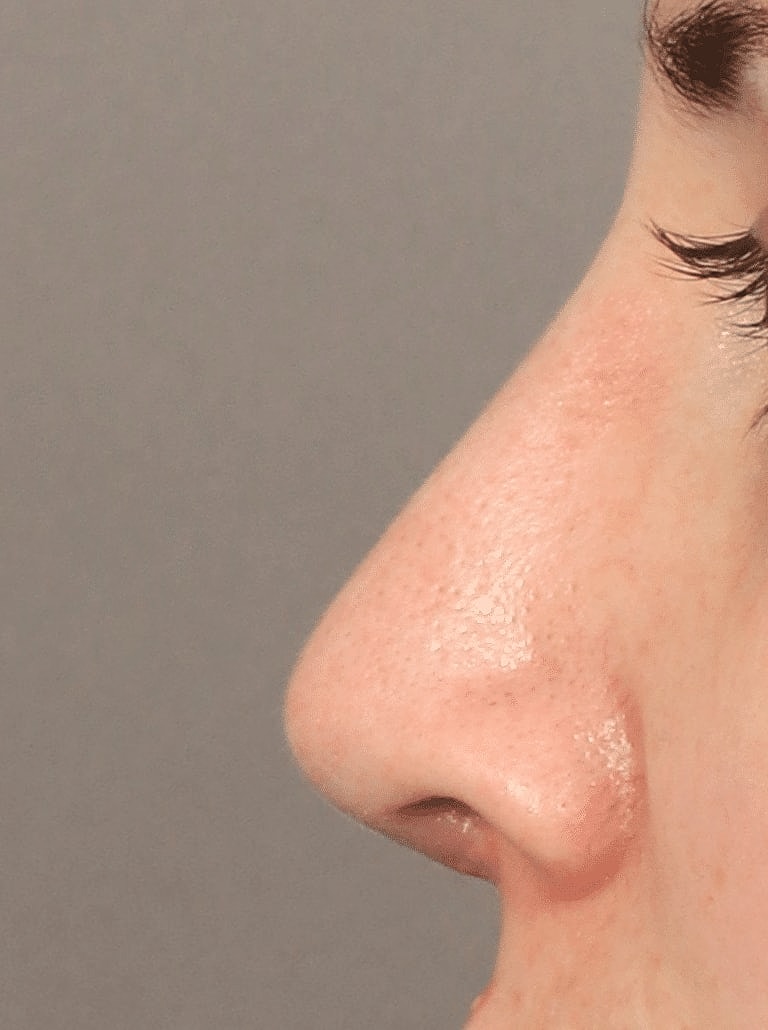
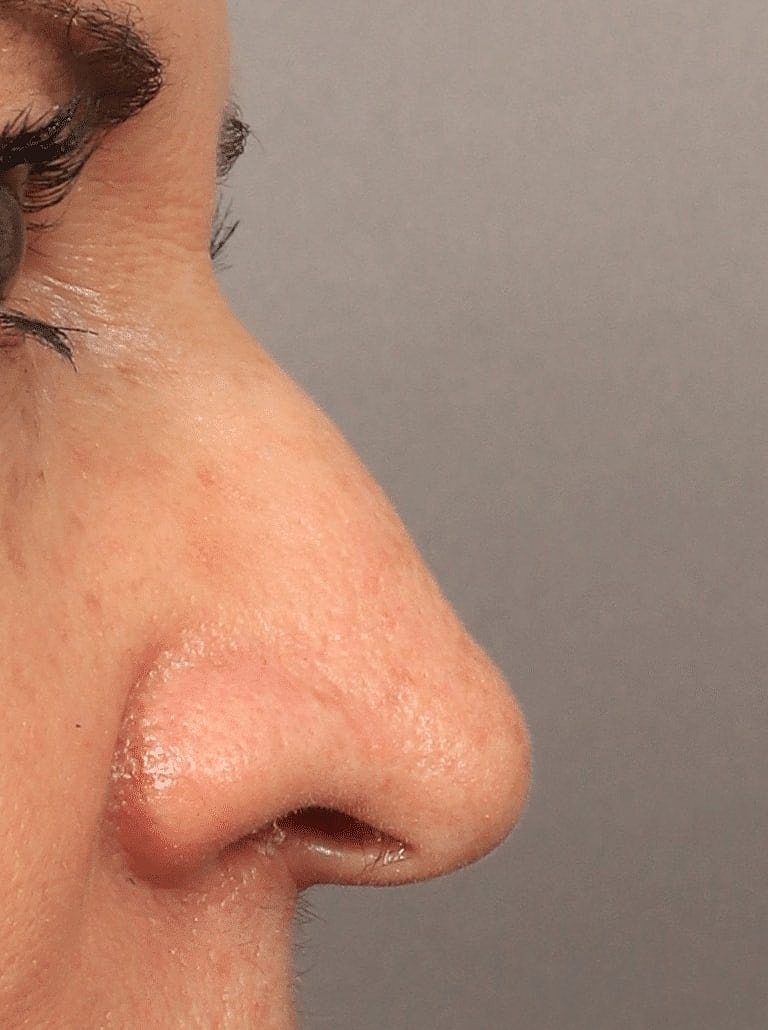
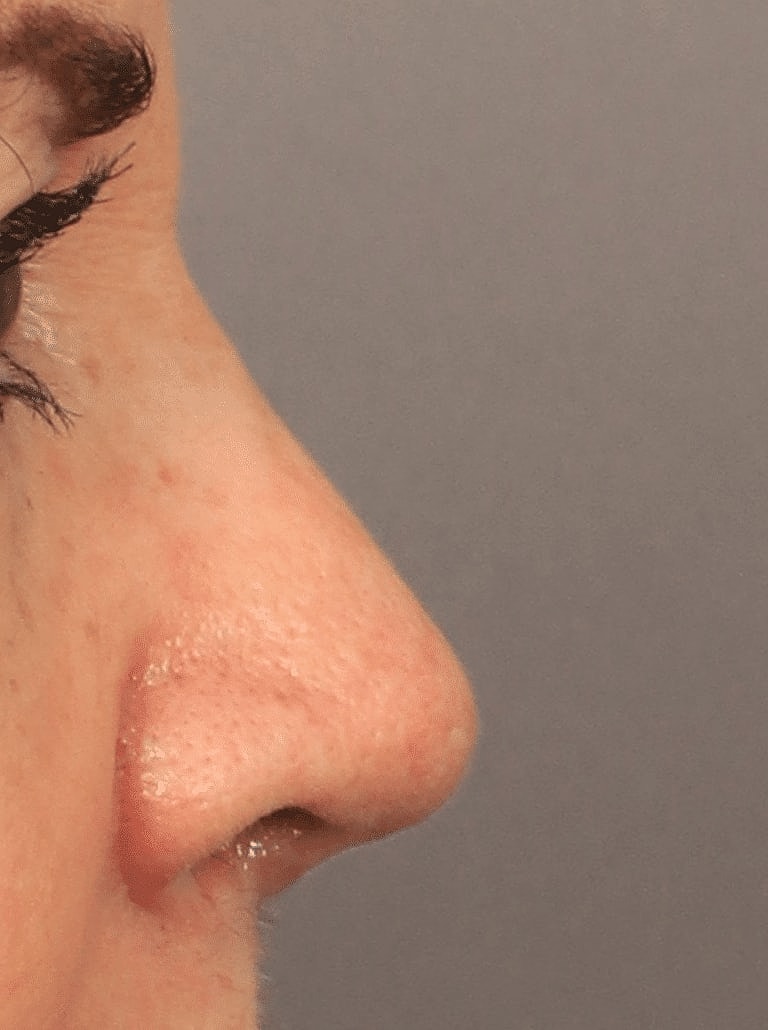
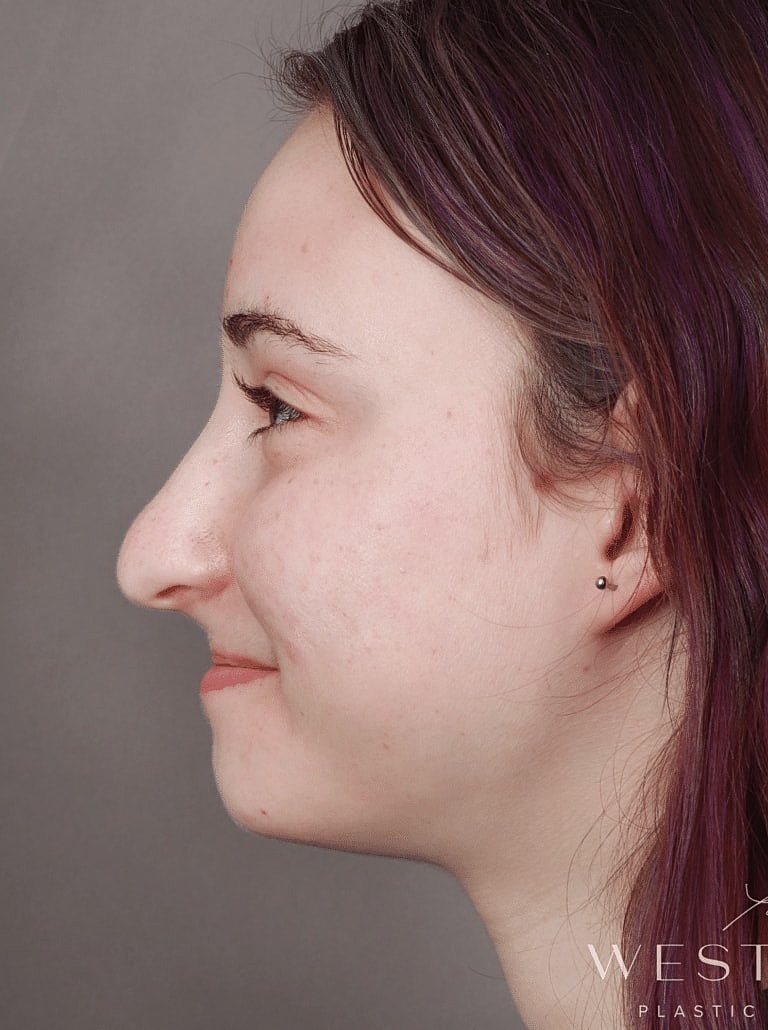
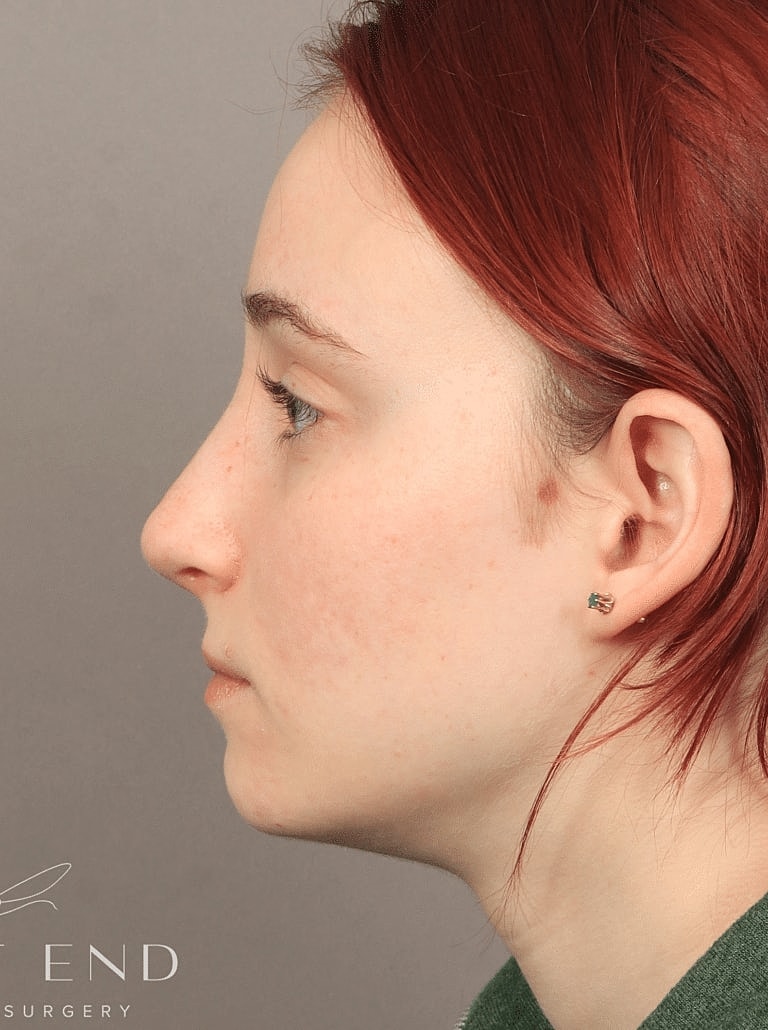
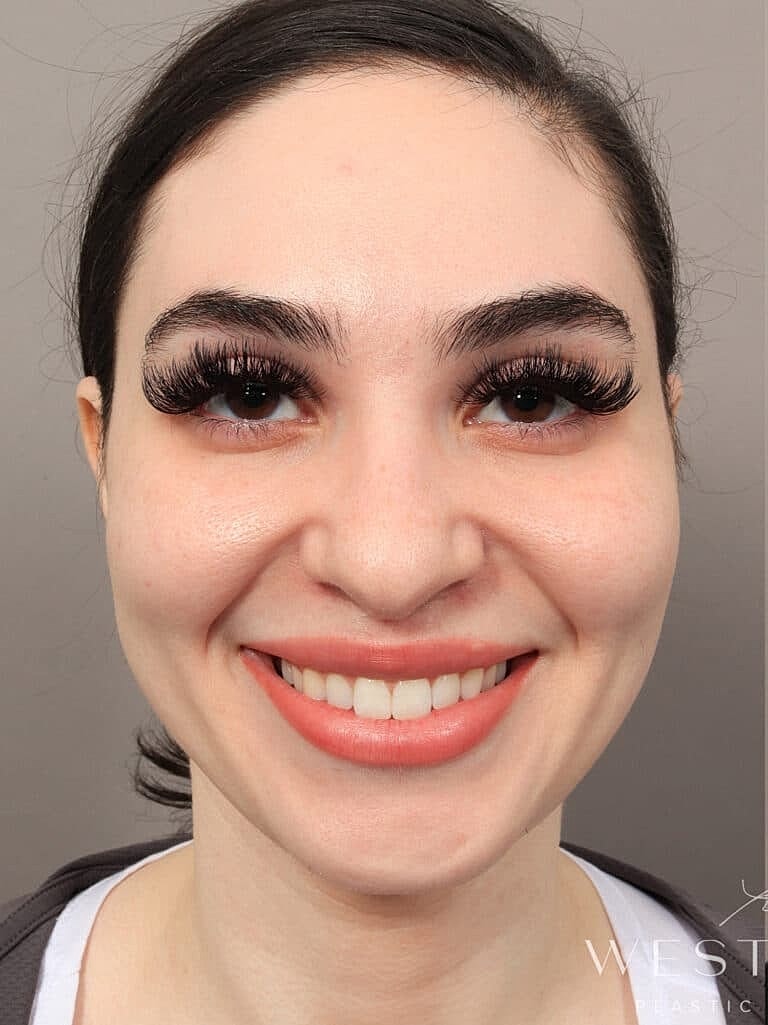
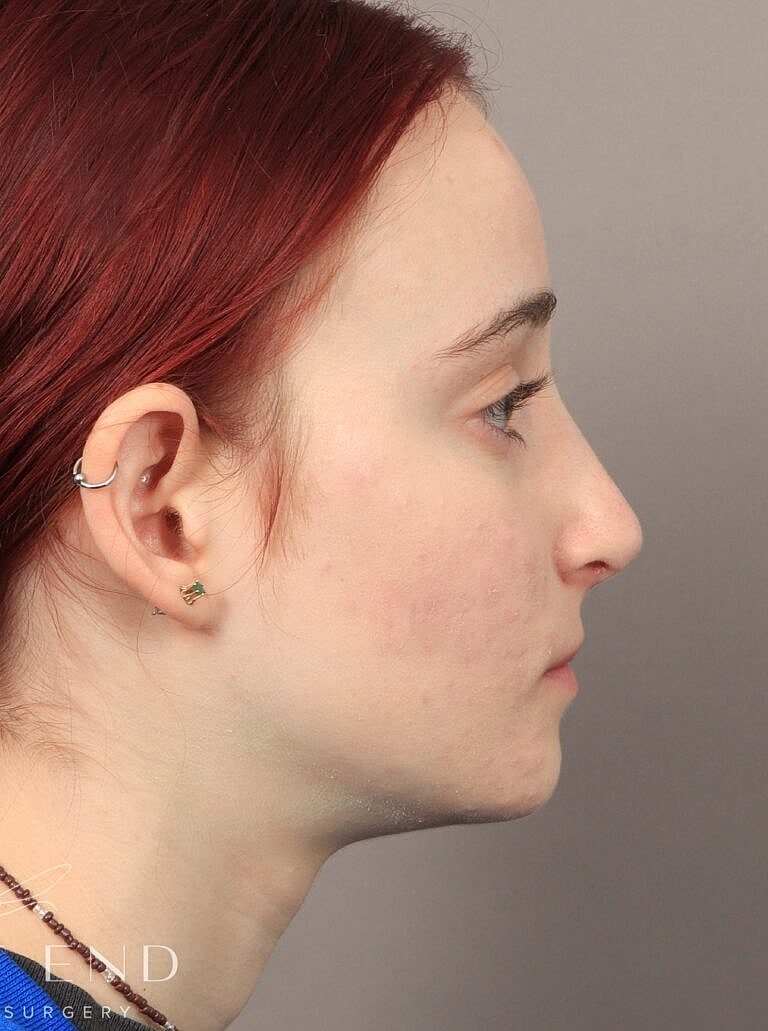
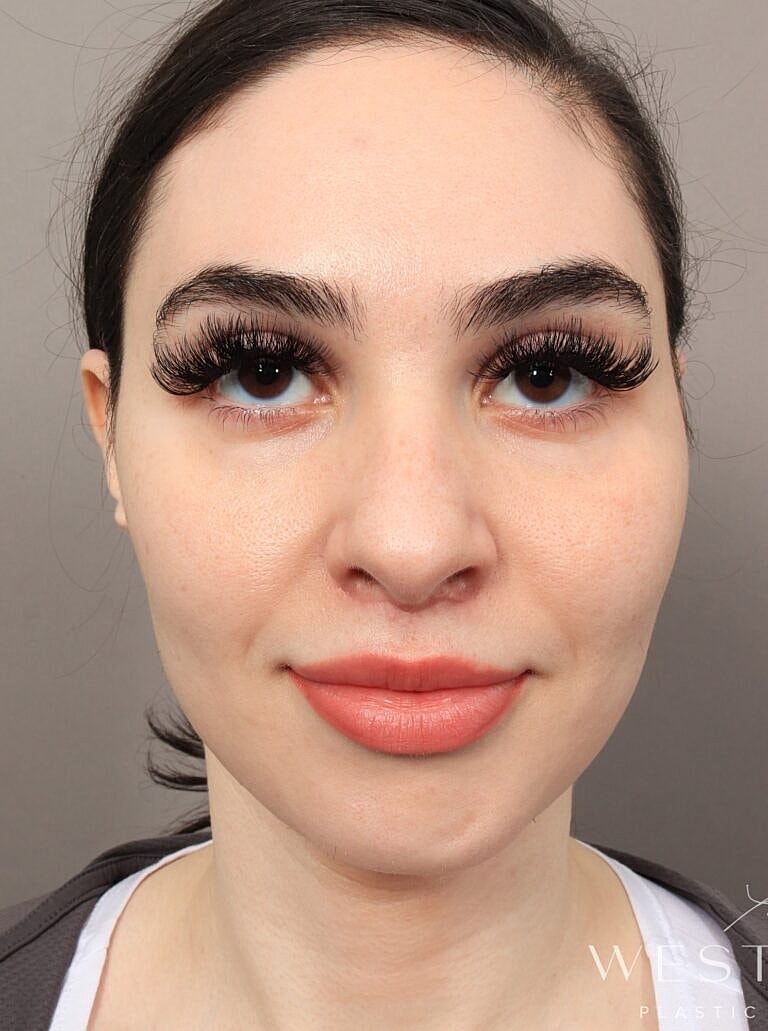
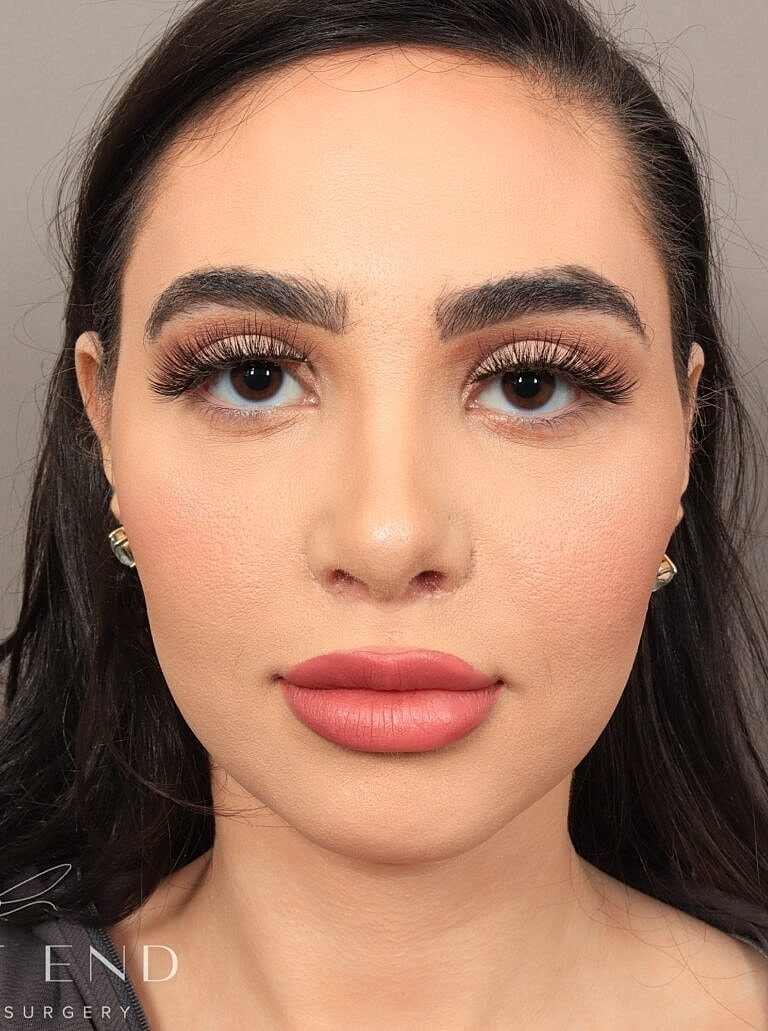
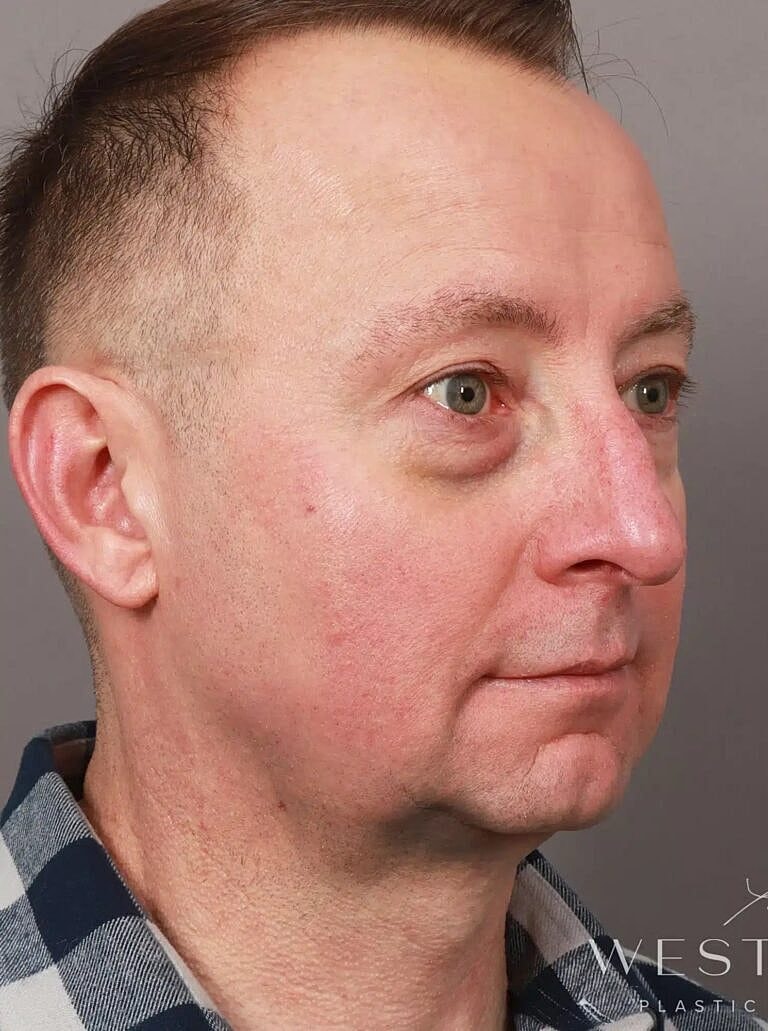
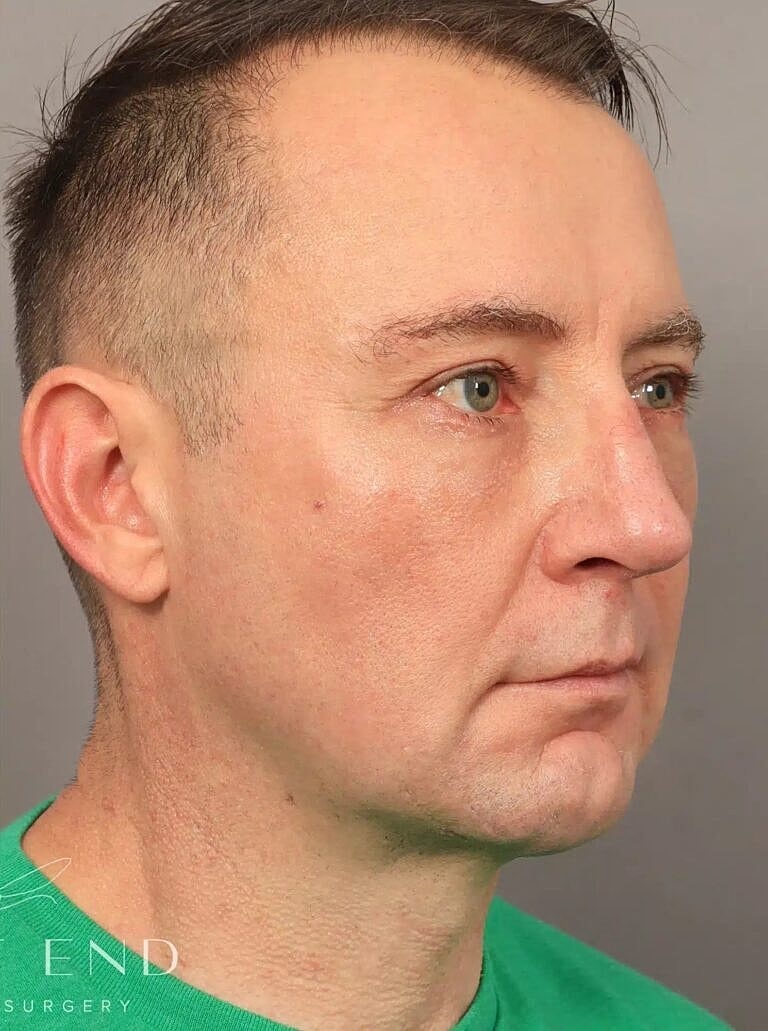
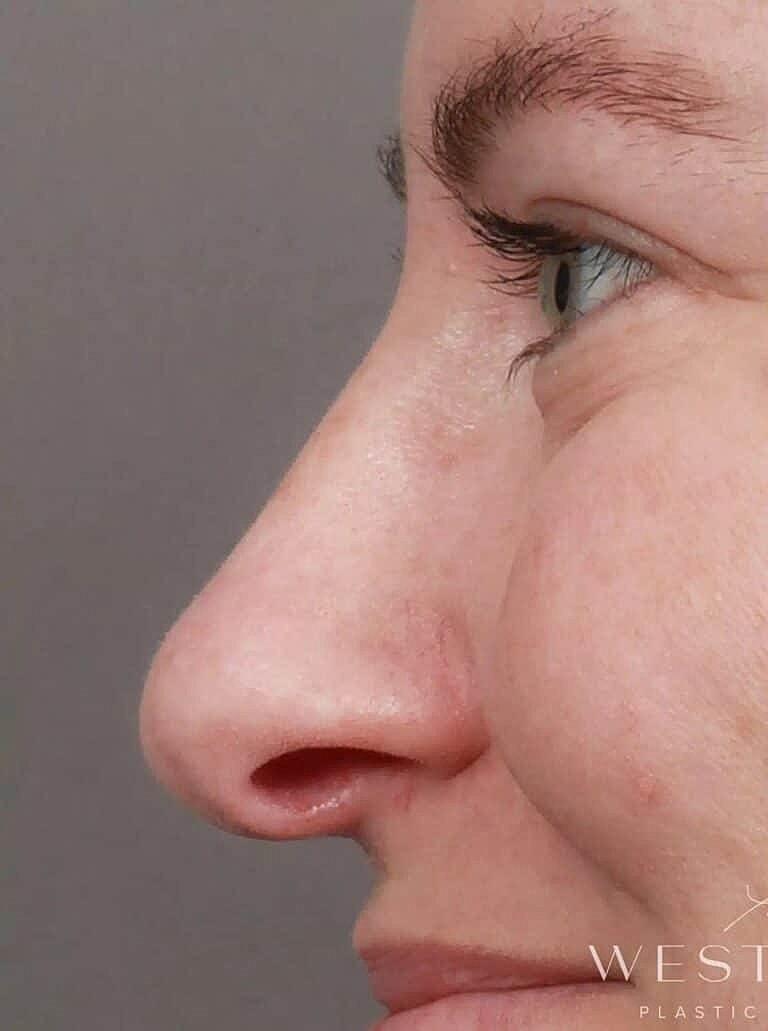
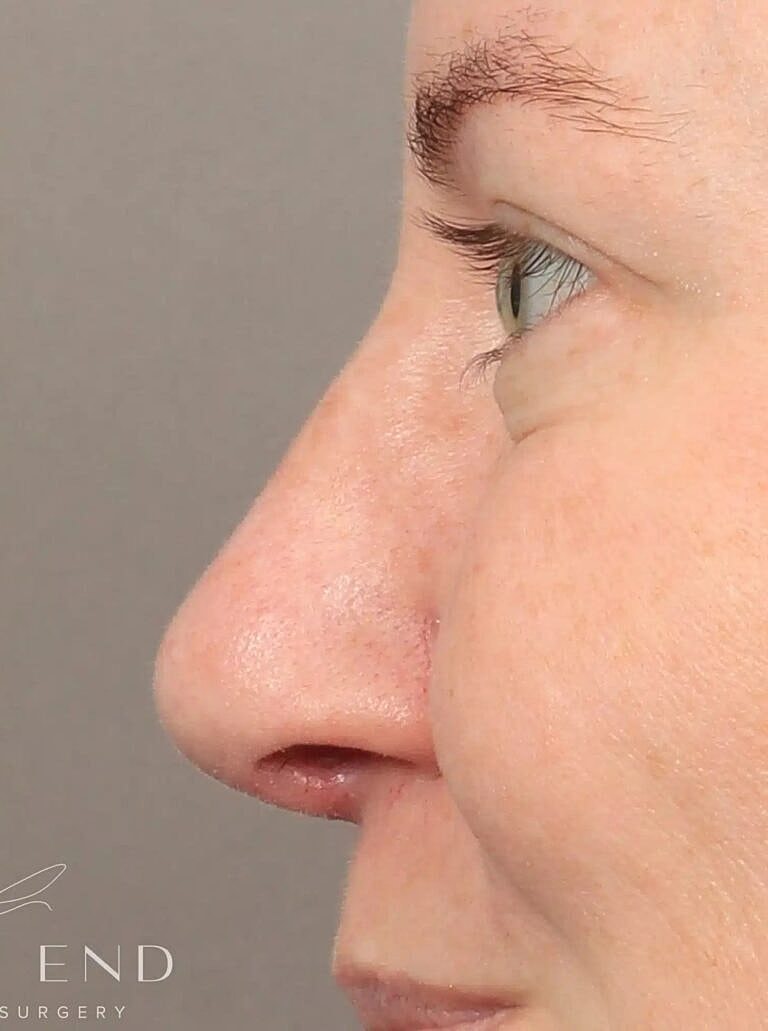
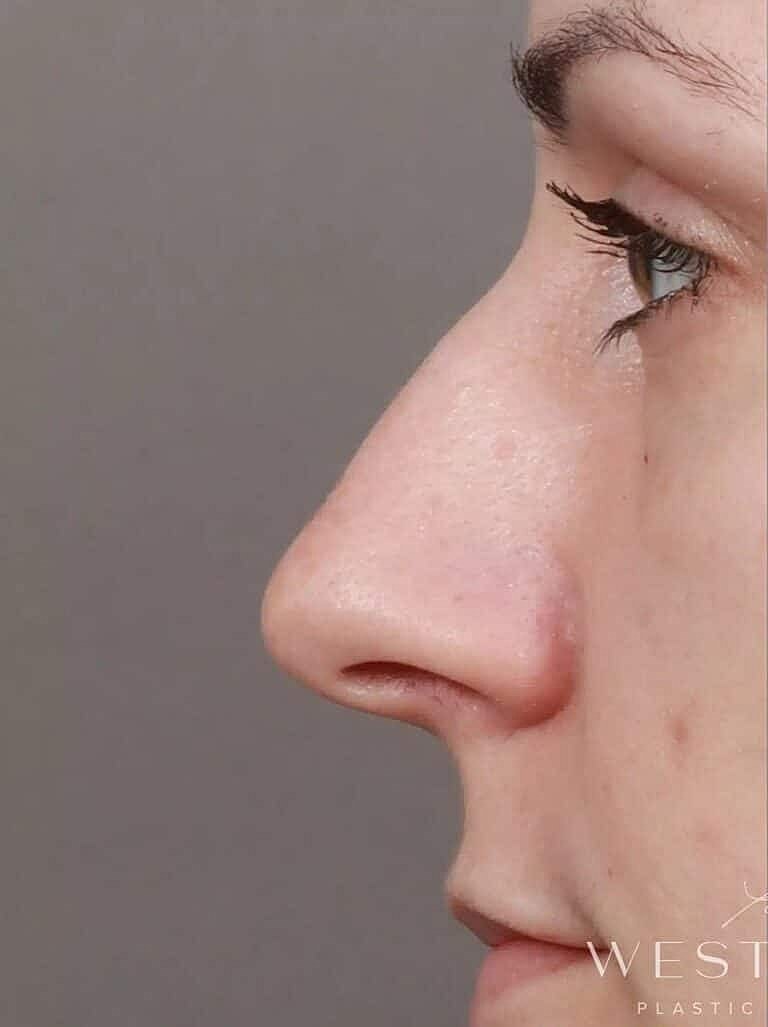
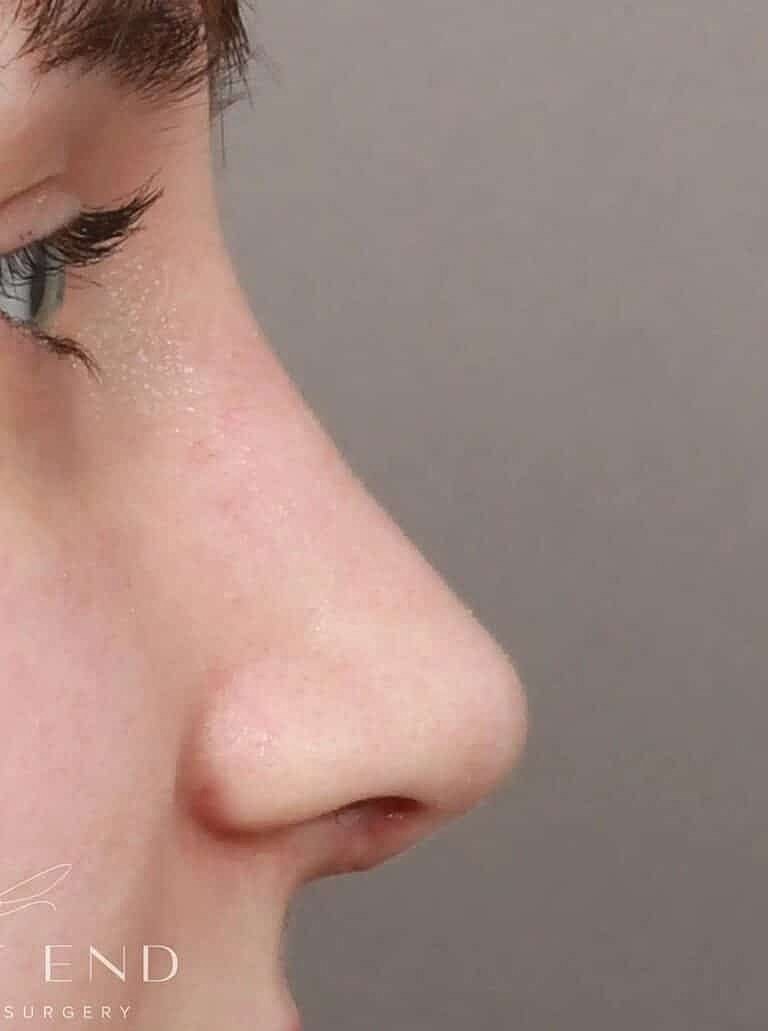
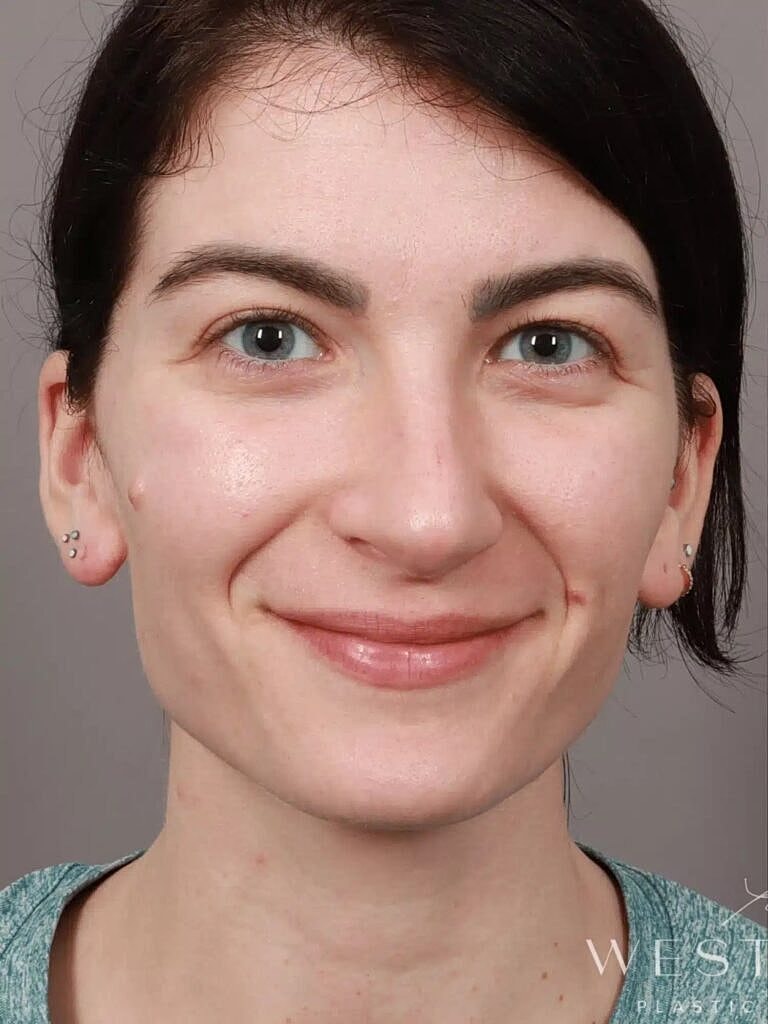
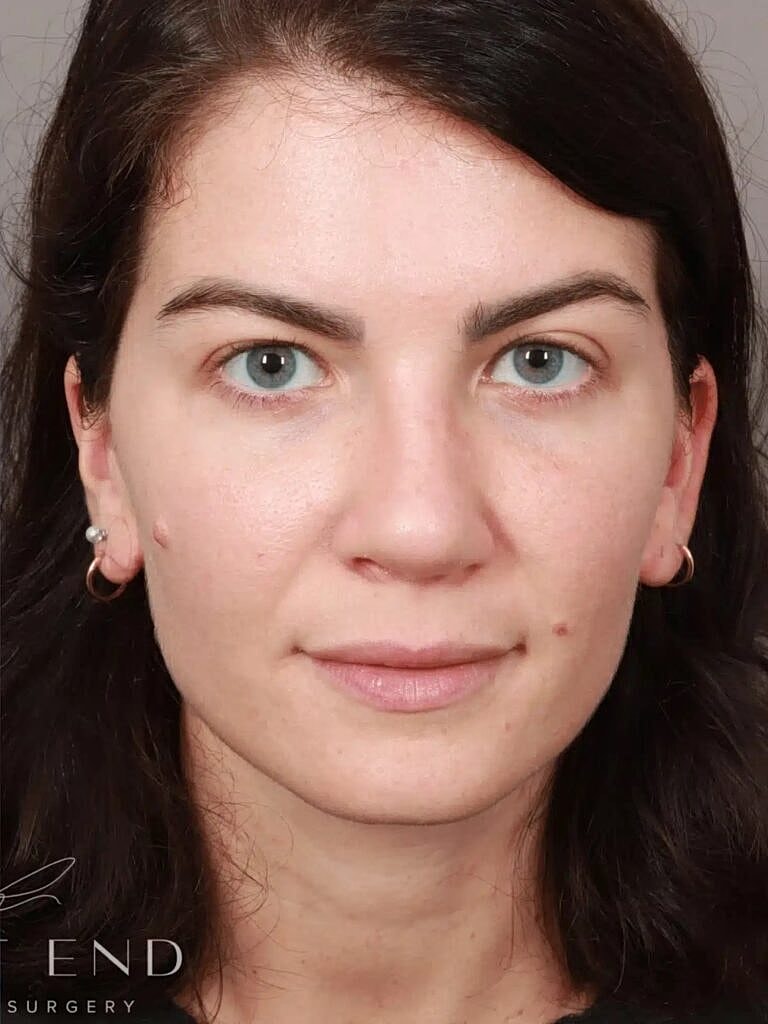
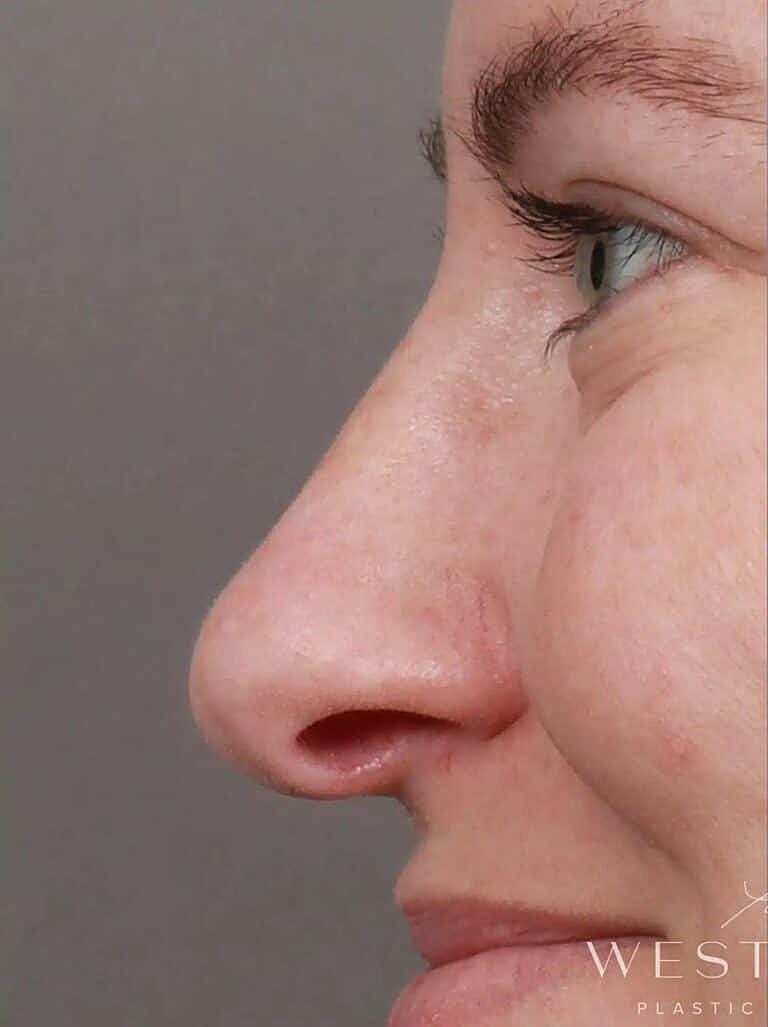
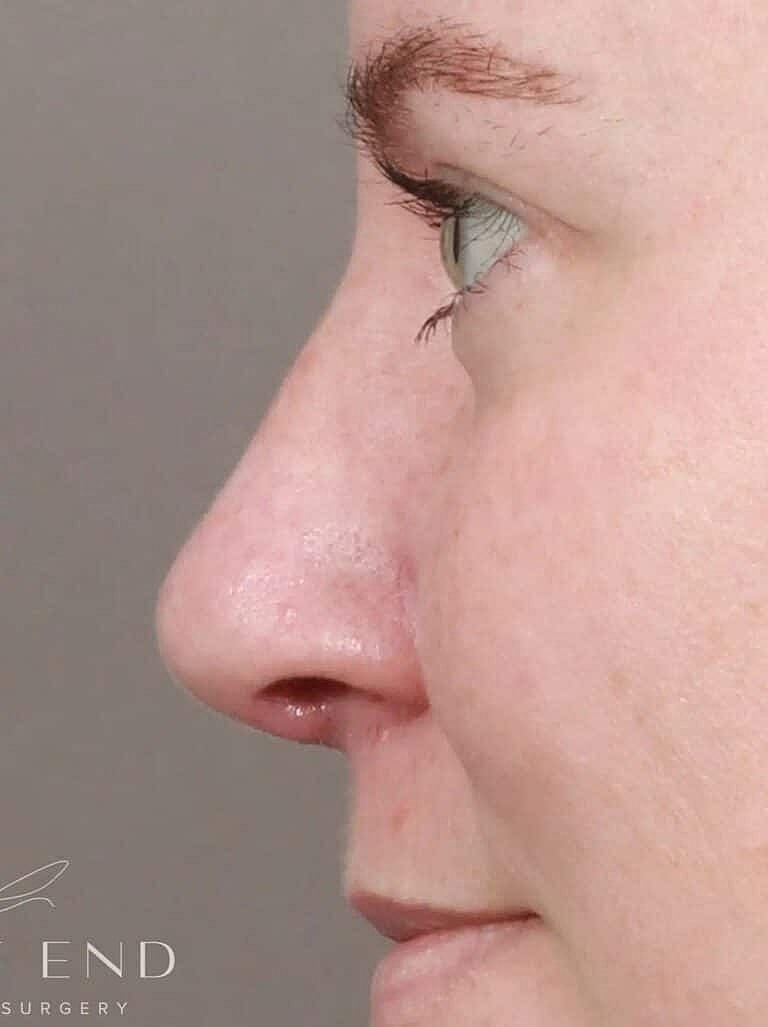
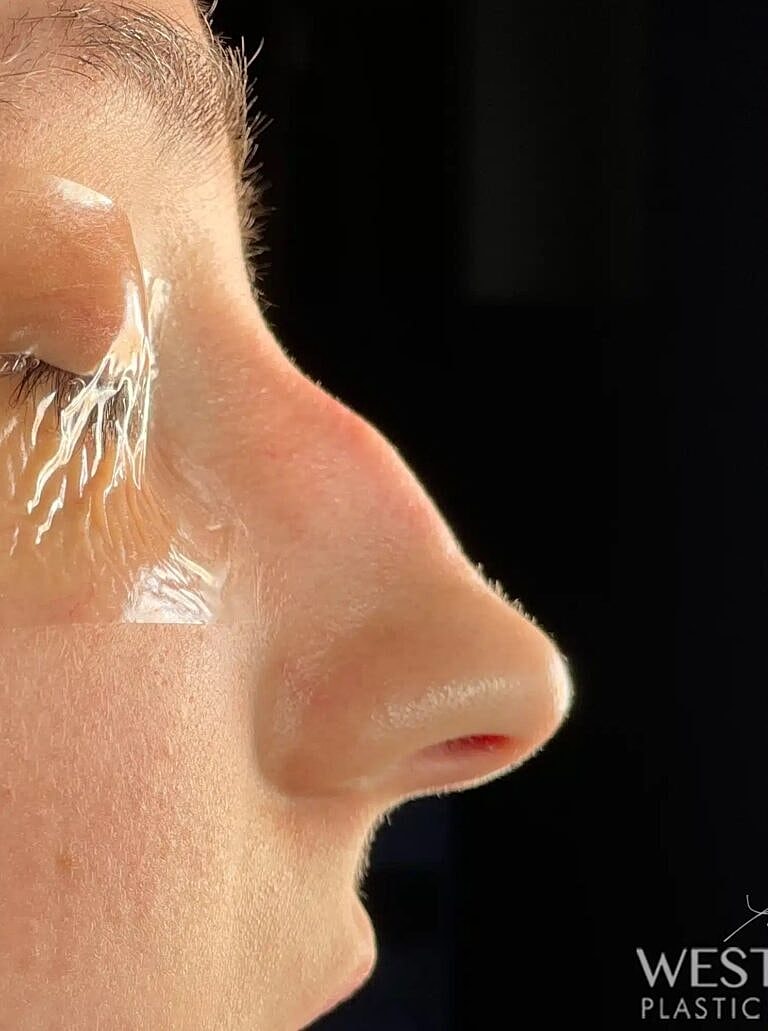
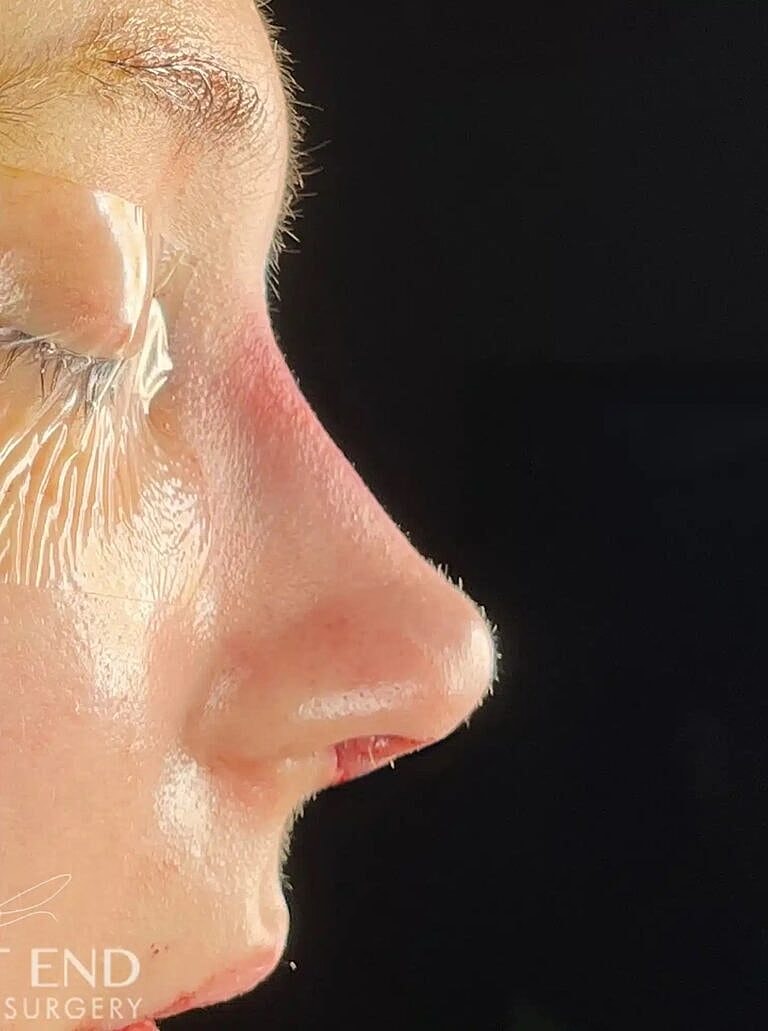
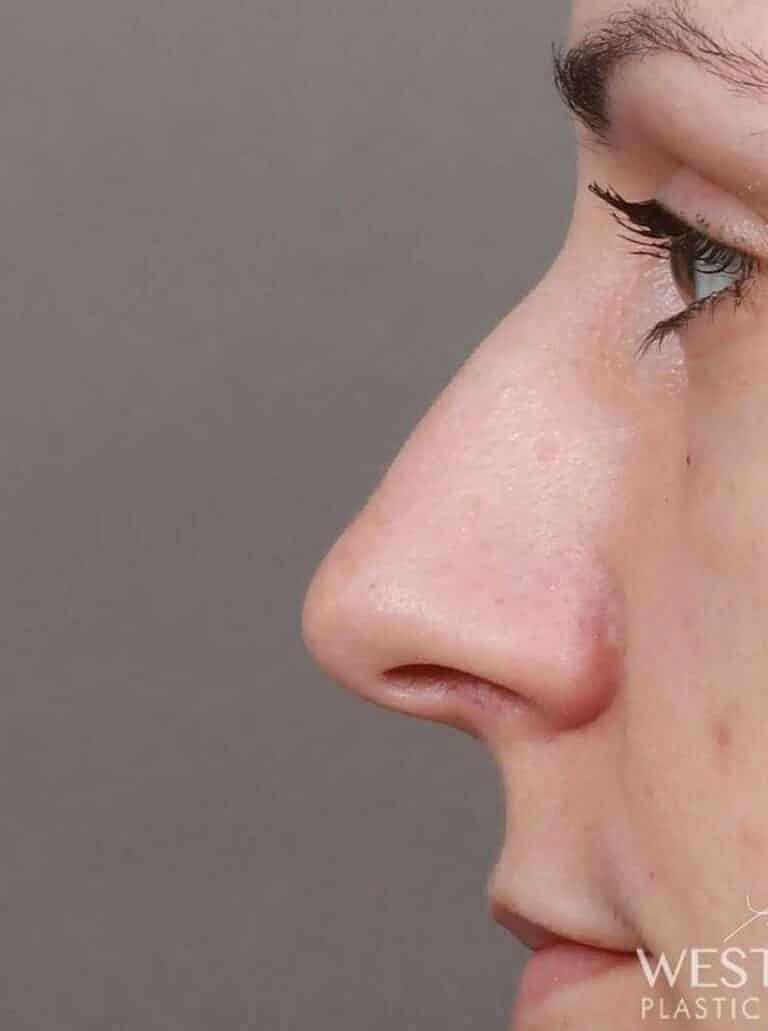
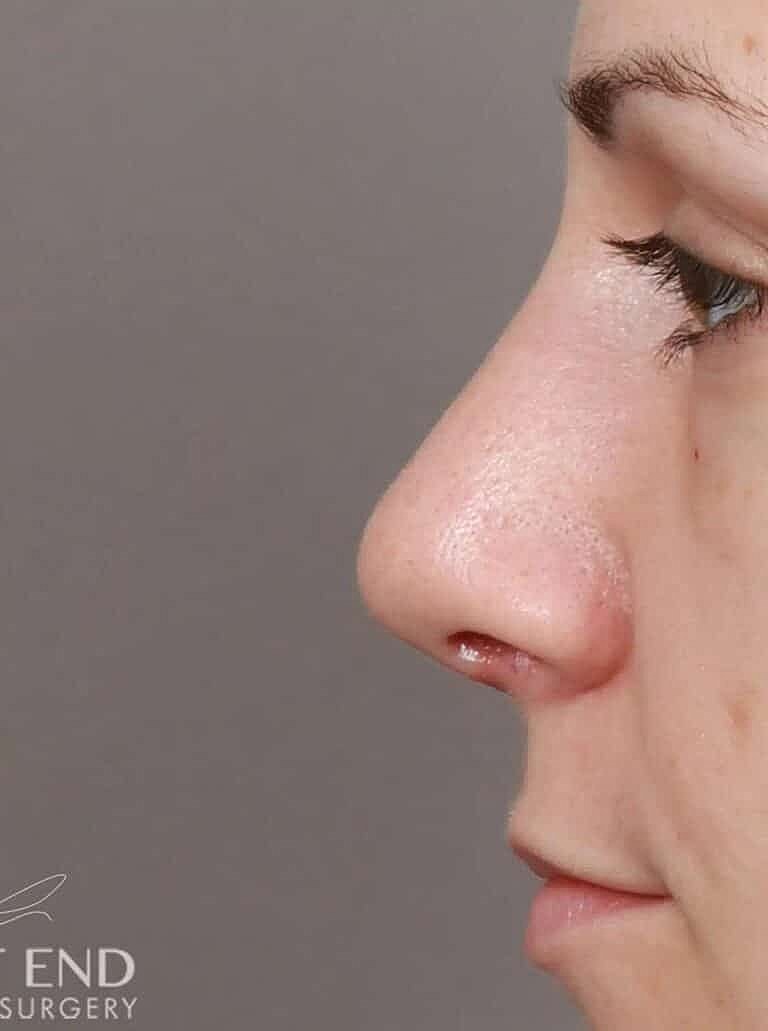
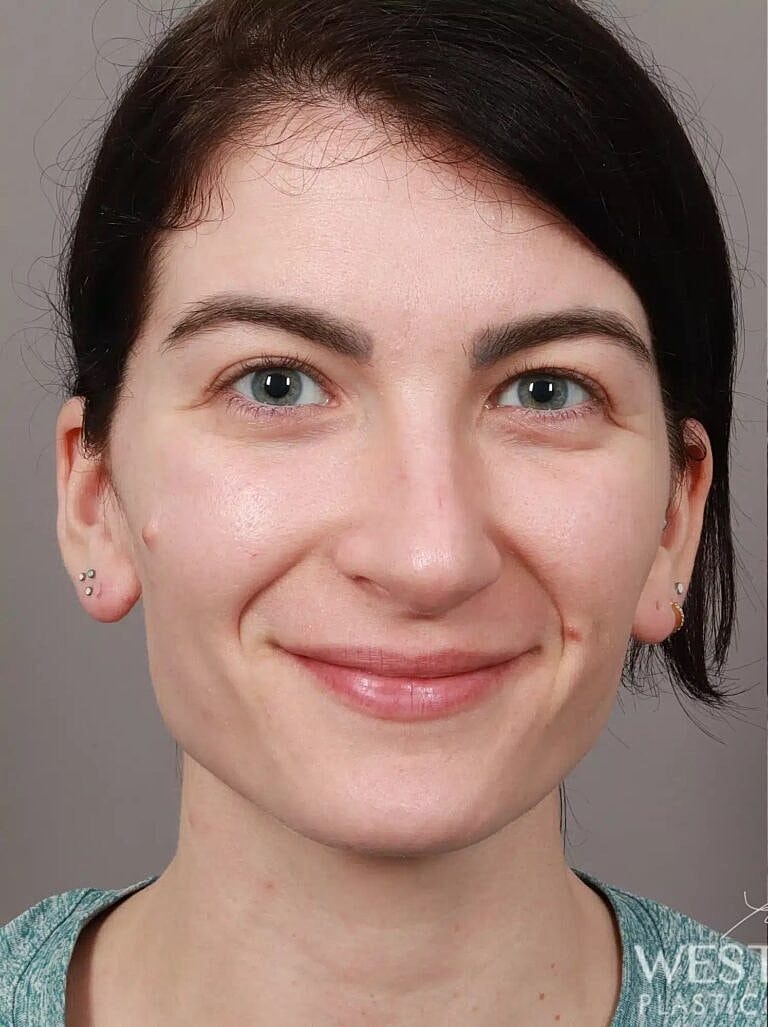
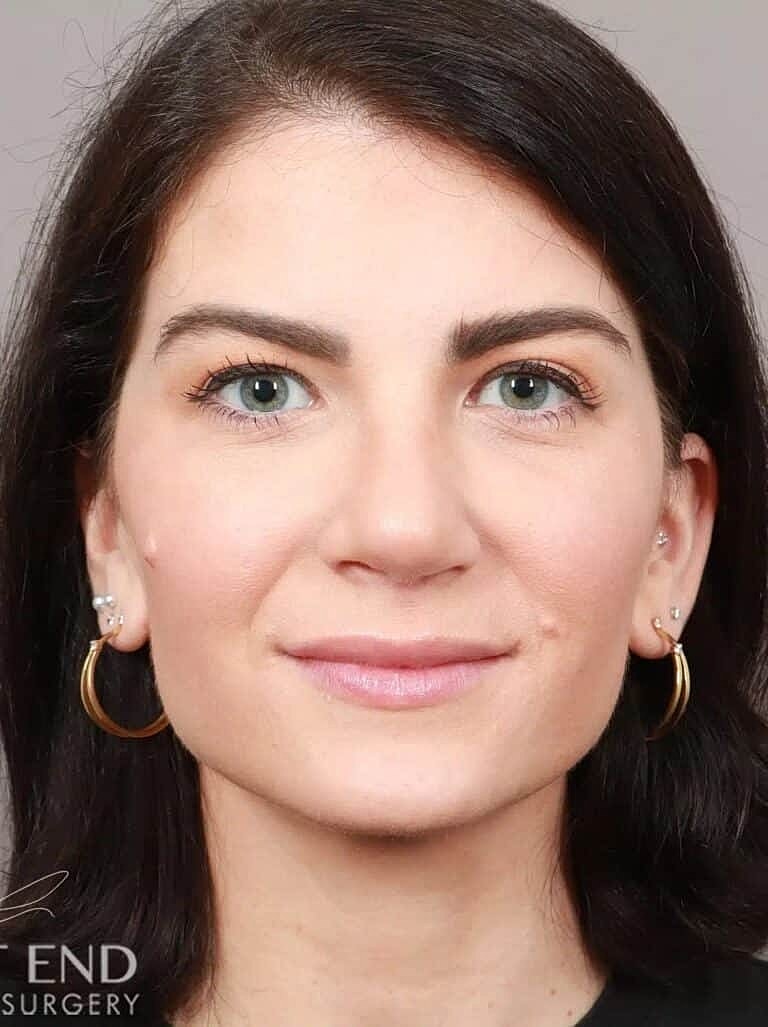
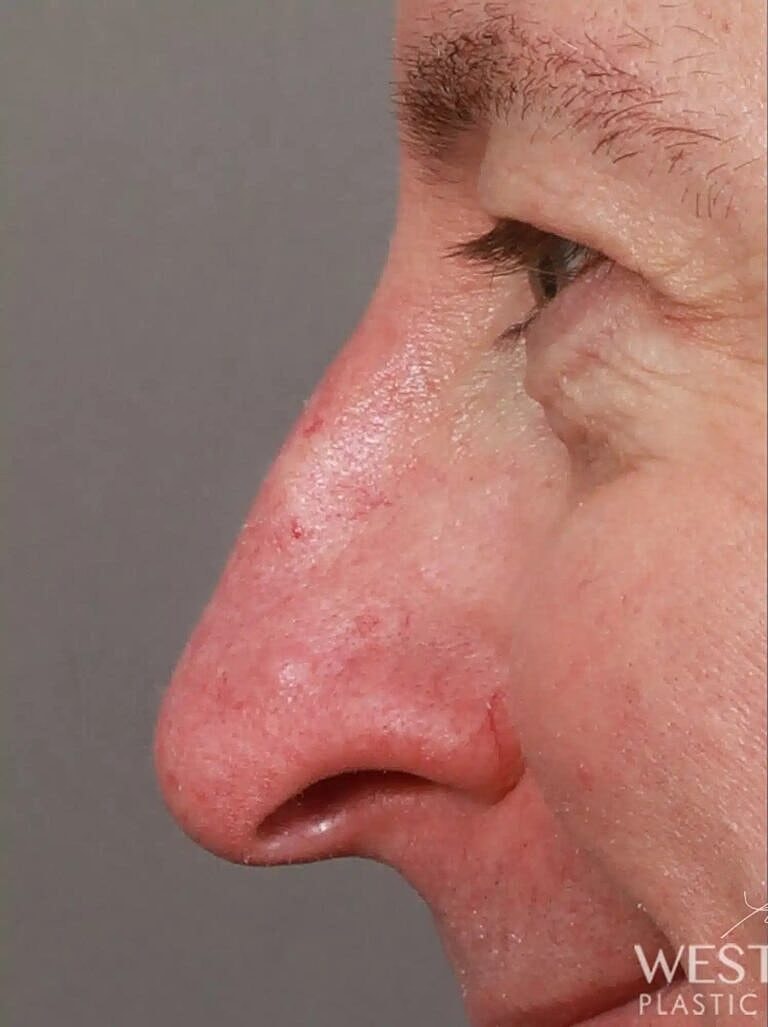
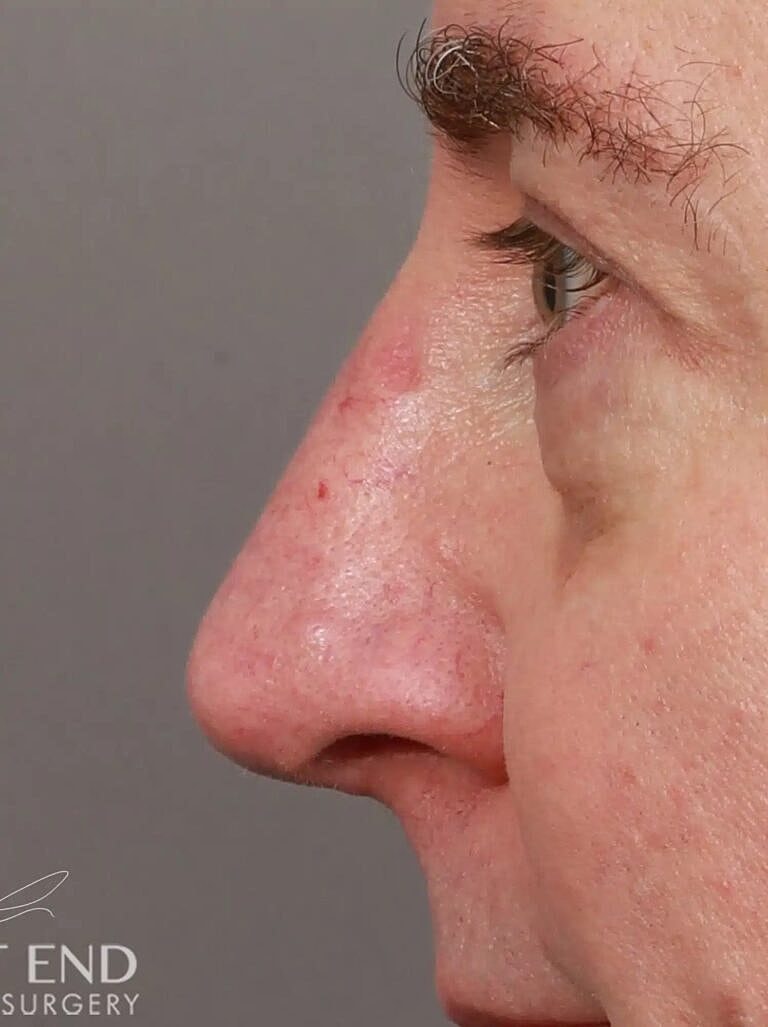
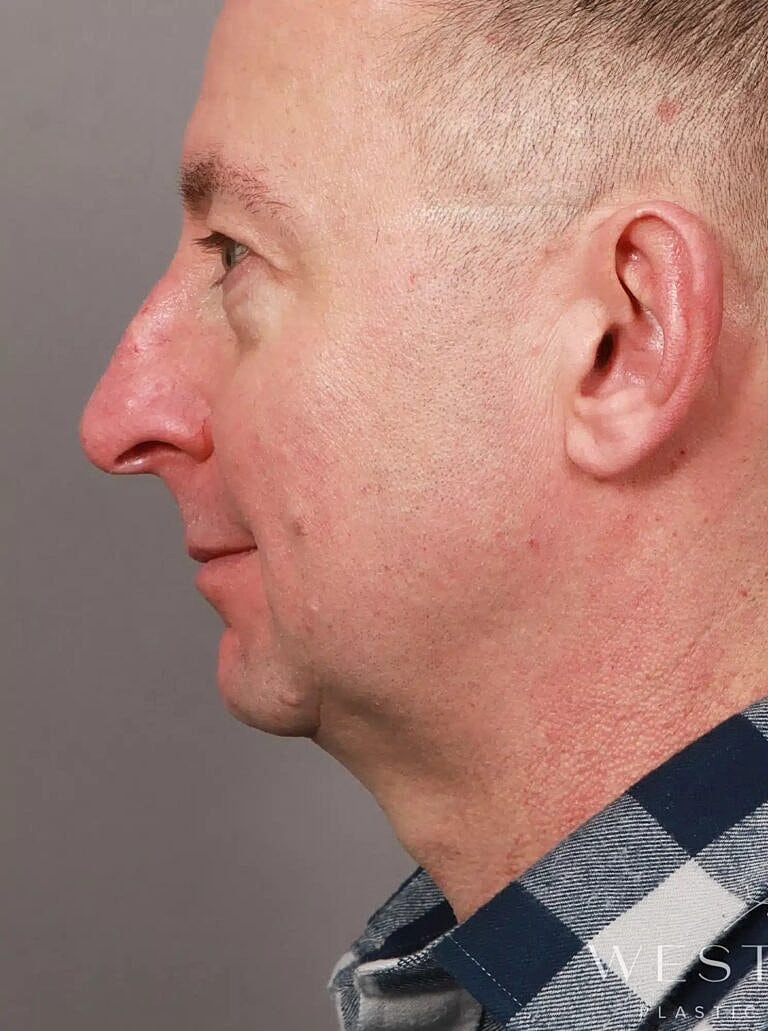
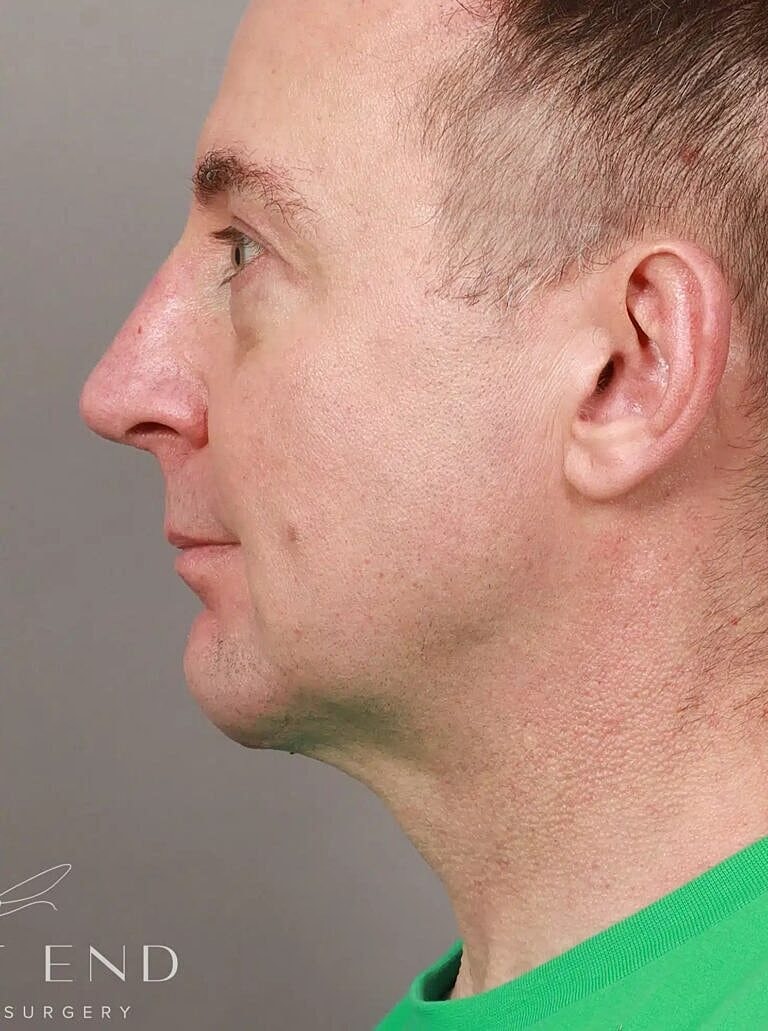
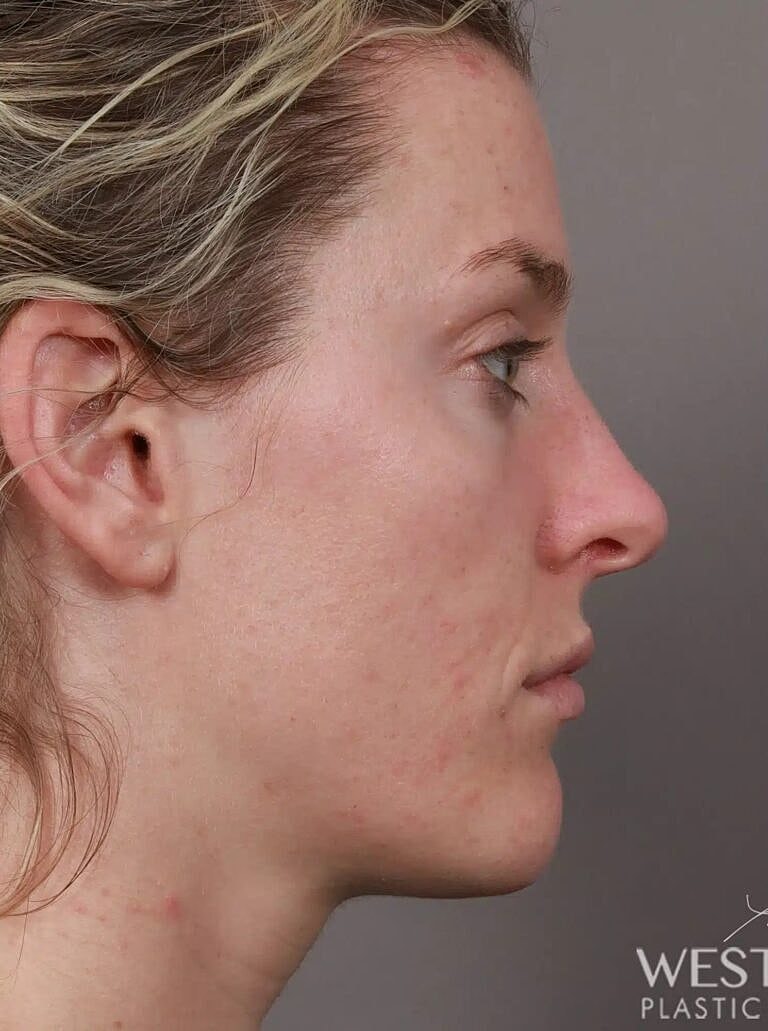
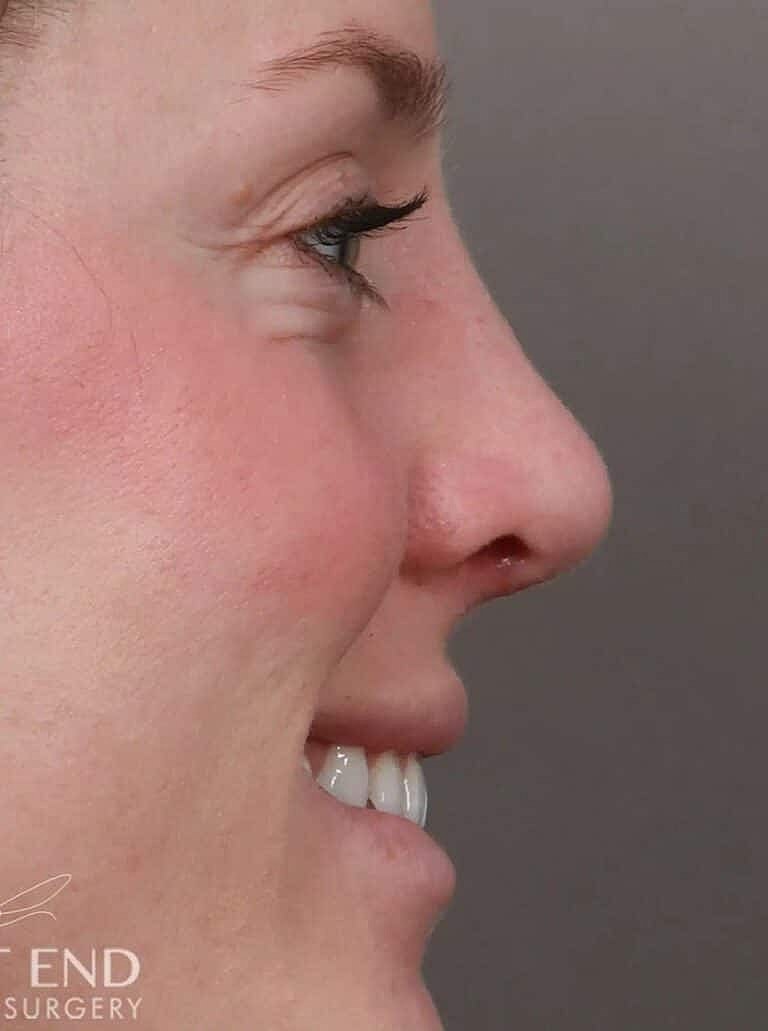
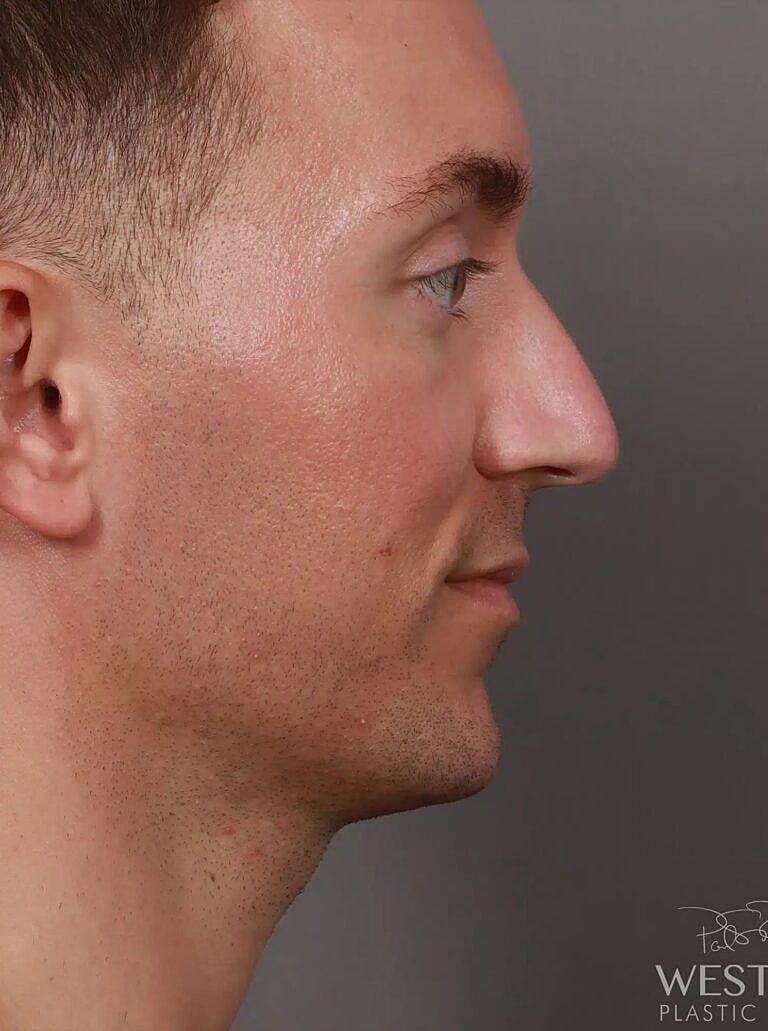
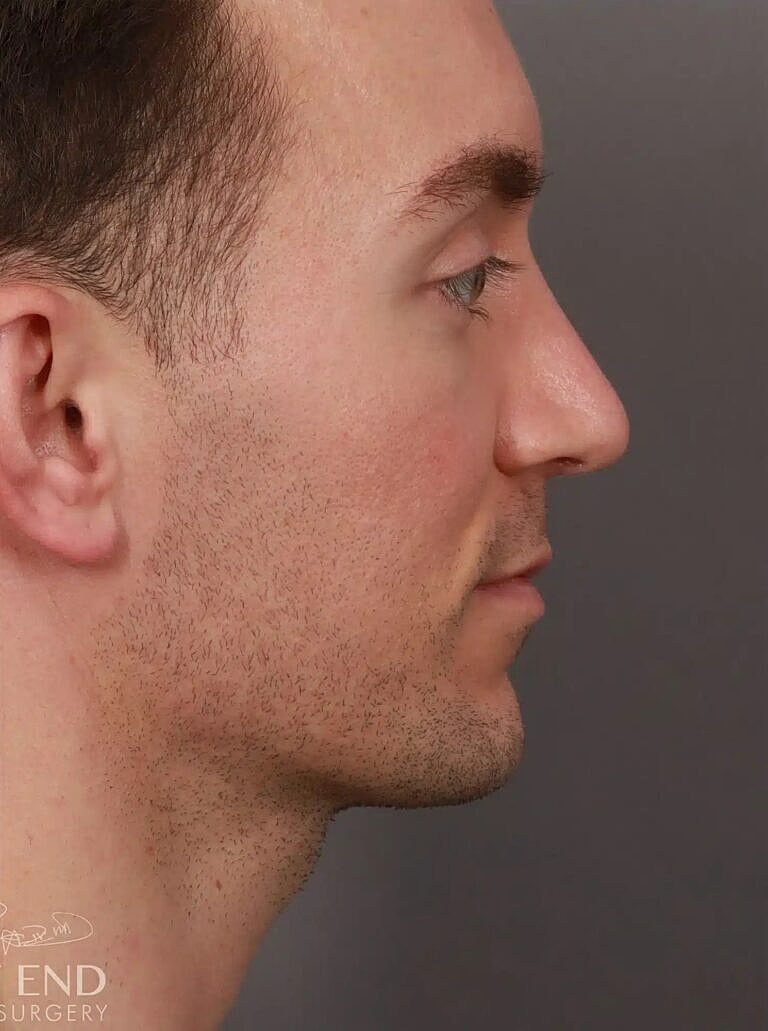
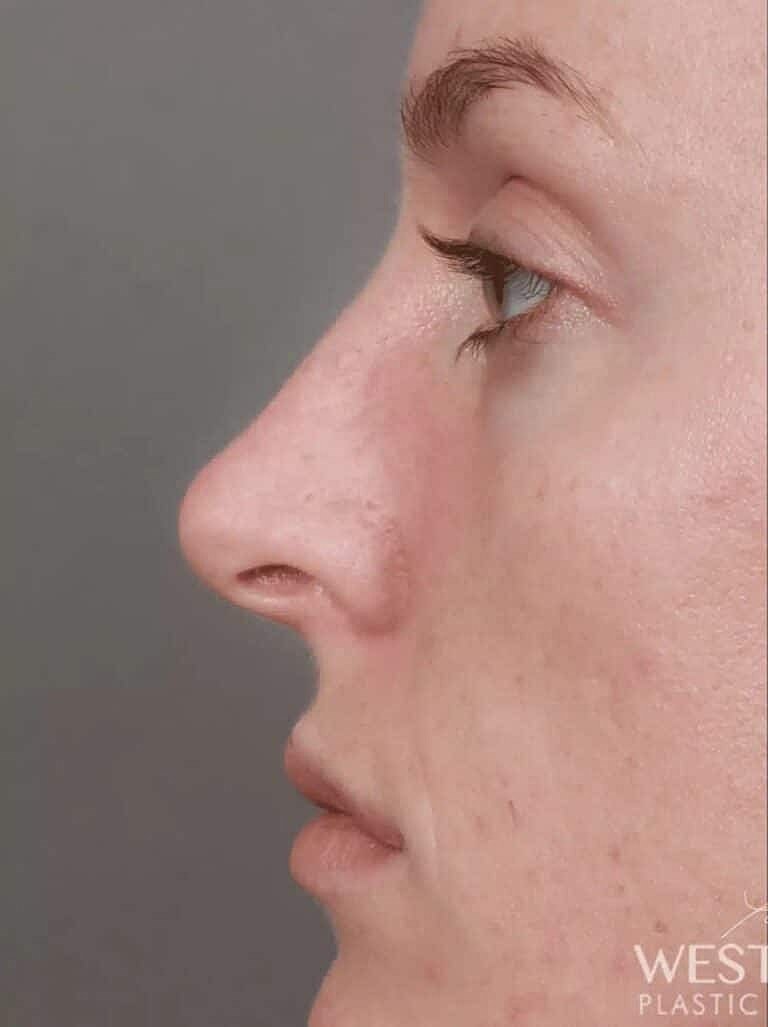
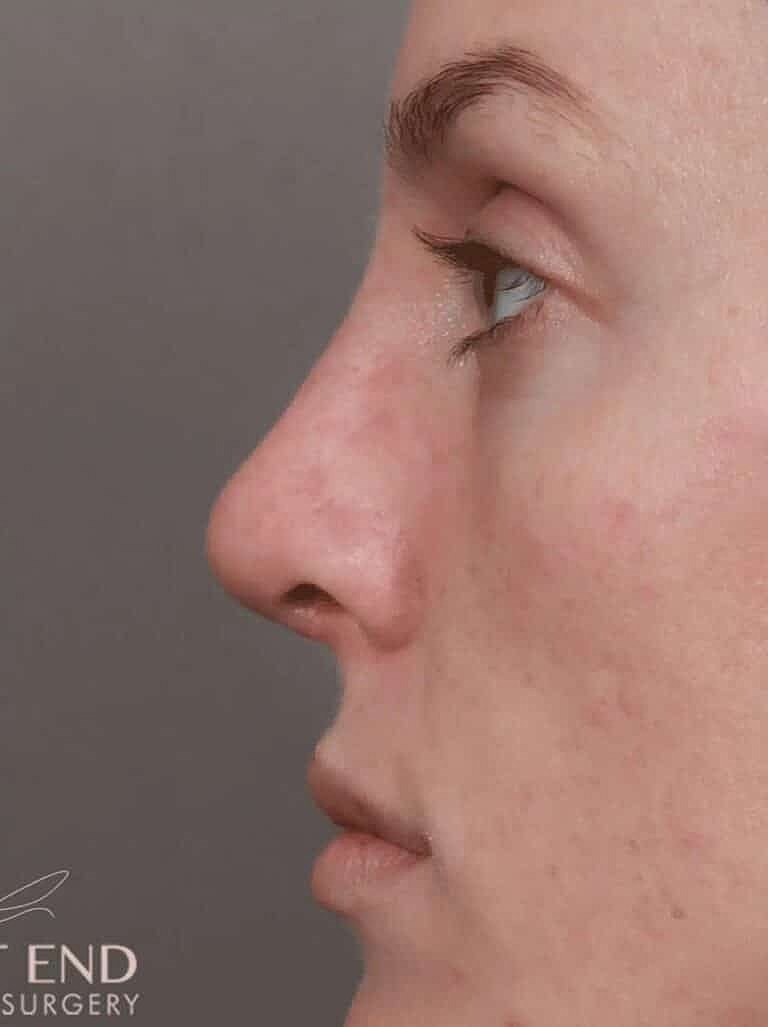
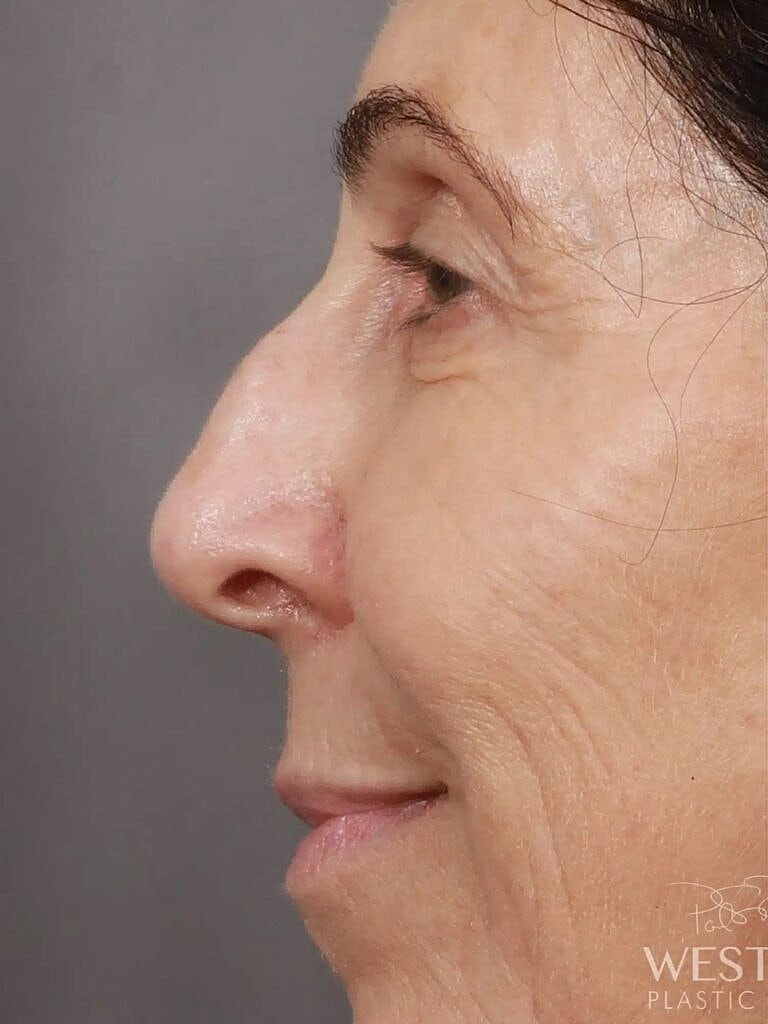
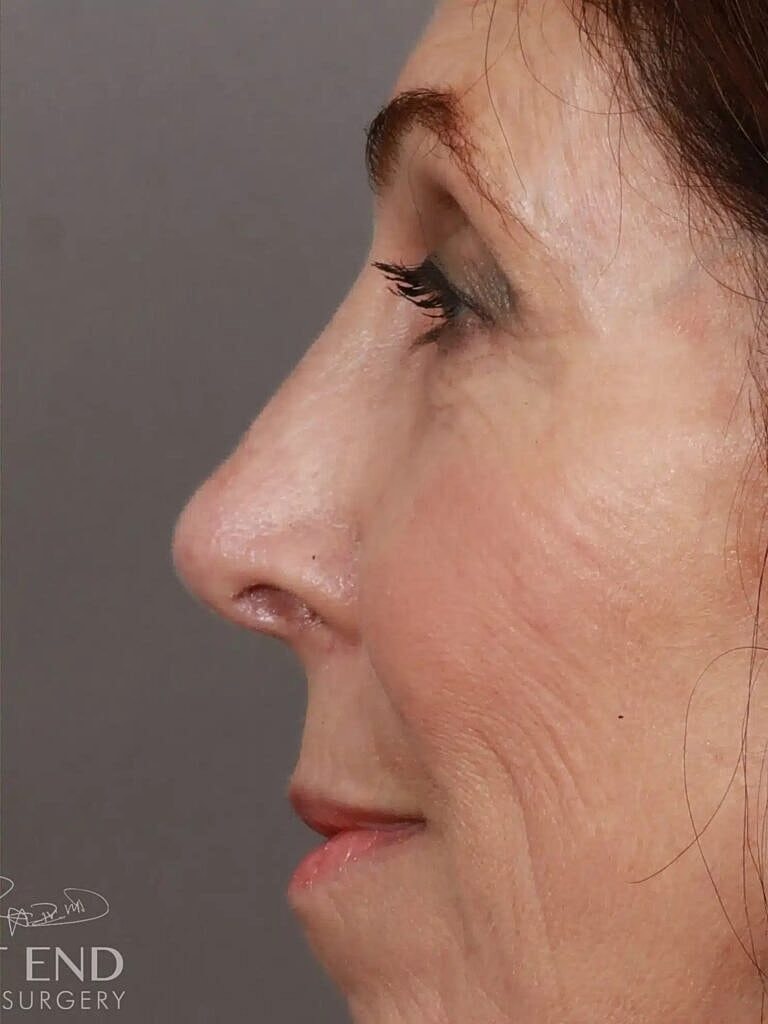
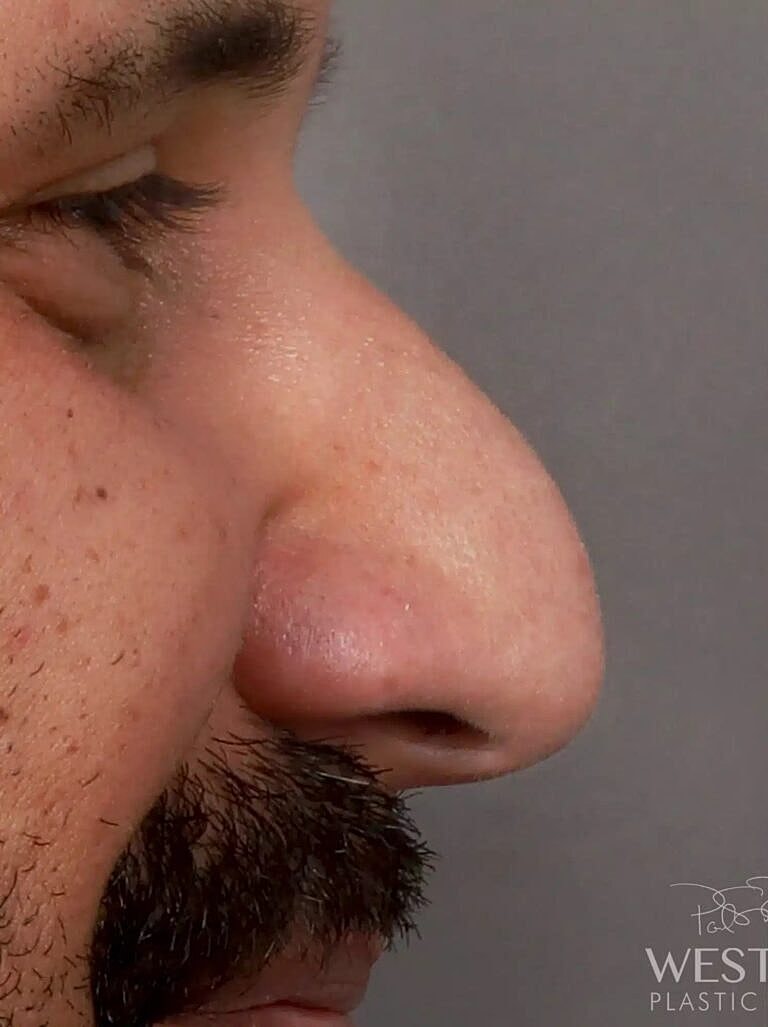
1 of 47
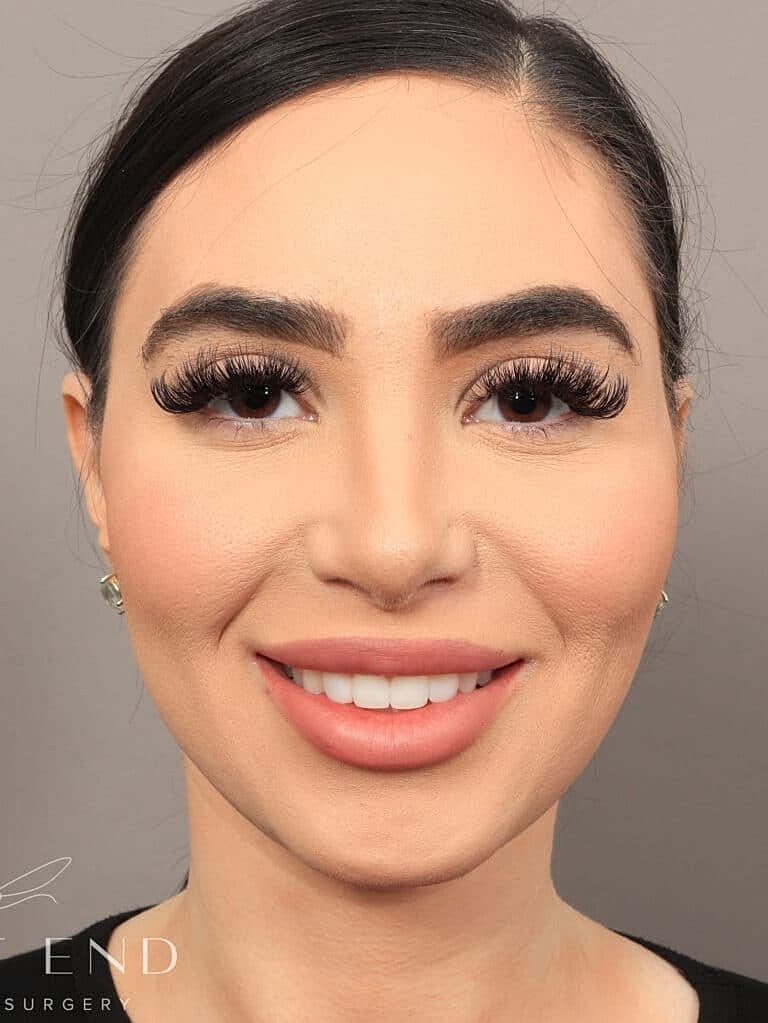
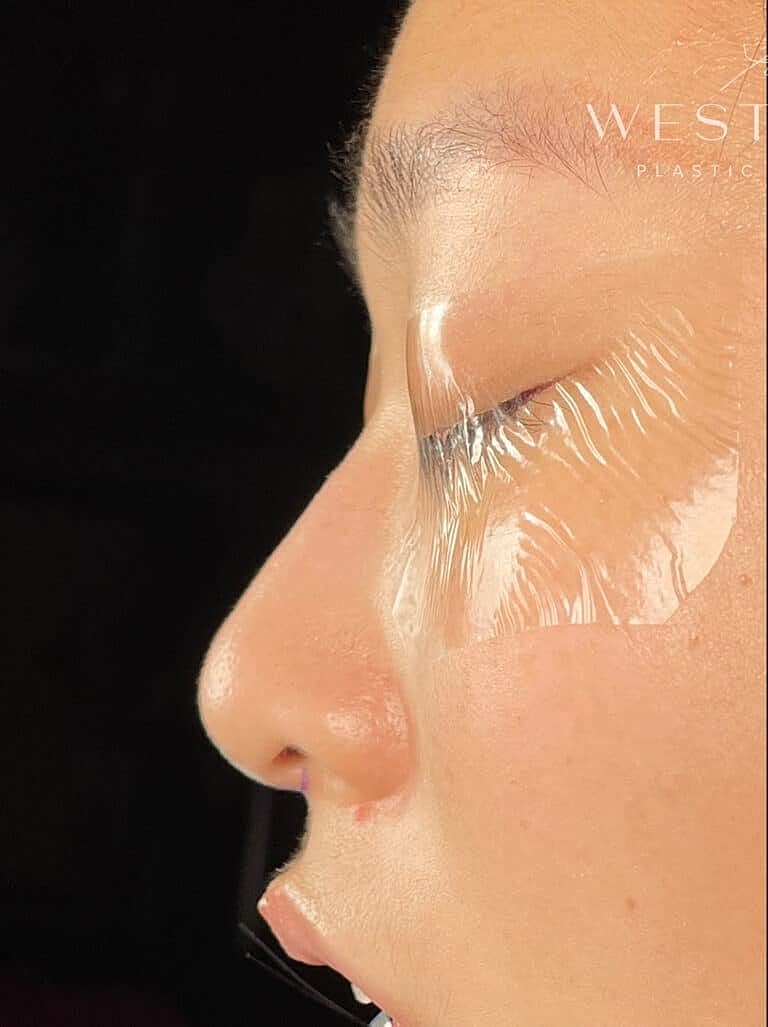
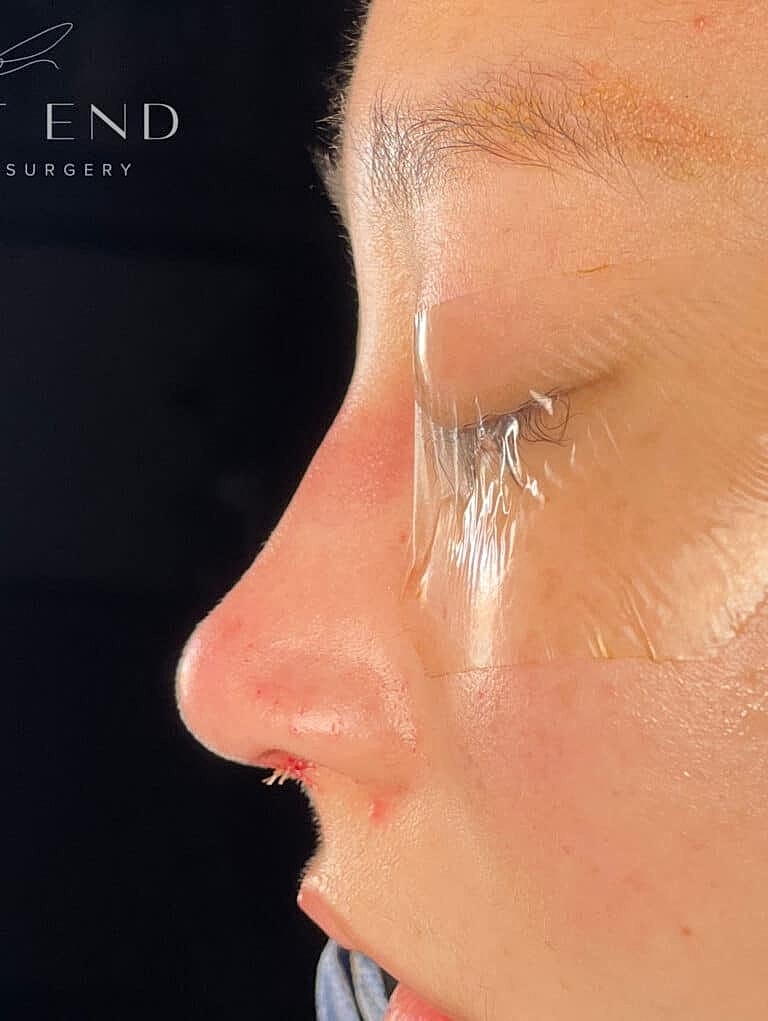
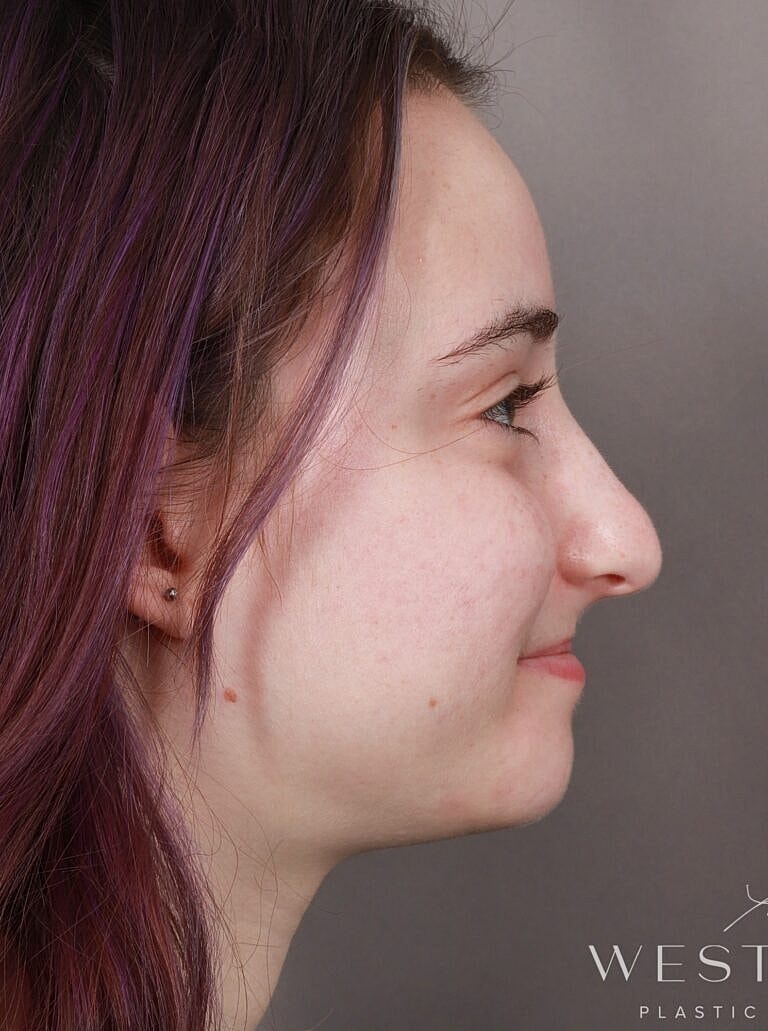
Want to see more of the incredible transformations our talented team of skilled surgeons, nurses, and aesthetic experts can achieve? Check out our gallery for more amazing before and after images! From surgical procedures to non-surgical treatments, our experts deliver stunning results that help our patients look and feel their best. Click here to explore!
Revision rhinoplasty, or secondary rhinoplasty, is a corrective surgical procedure aimed at resolving issues stemming from a prior nasal surgery.
This can include a previous septoplasty, rhinoplasty, or even skin cancer surgery involving the nose. Whether it’s addressing asymmetry, structural collapse, excessive scar tissue, or ongoing breathing difficulties, Dr. Lexie Wang is equipped to provide solutions that improve both form and function.
Primary rhinoplasty is the first rhinoplasty that a patient undergoes.
In most cases, primary rhinoplasty yields ideal, permanent results and is the only surgery necessary. However, occasionally, unfavorable results or future trauma can necessitate additional surgery. This is called a revision rhinoplasty. Although both procedures are performed similarly, revision rhinoplasty does require extra care due to its complexities, as noted below.
Revision rhinoplasty is often more complicated than primary procedures due to factors like:
This complexity requires advanced surgical planning and a deep understanding of nasal anatomy to achieve optimal results.
To restore and enhance the nasal structure during revision rhinoplasty, we may need to use grafts. These grafts reinforce weak areas, improve nasal contours, and enhance functionality. Here’s a look at the various graft options available:
In rare cases, synthetic materials like porous polyethylene may be used to augment the nasal structure. These materials are generally reserved for patients who cannot use their own tissue, but they come with a higher risk of complications and are used with caution.


In some revision cases, structural support alone is not enough to correct nasal airflow issues. For patients experiencing persistent nasal obstruction or overactive nasal nerves, we offer additional treatments like:

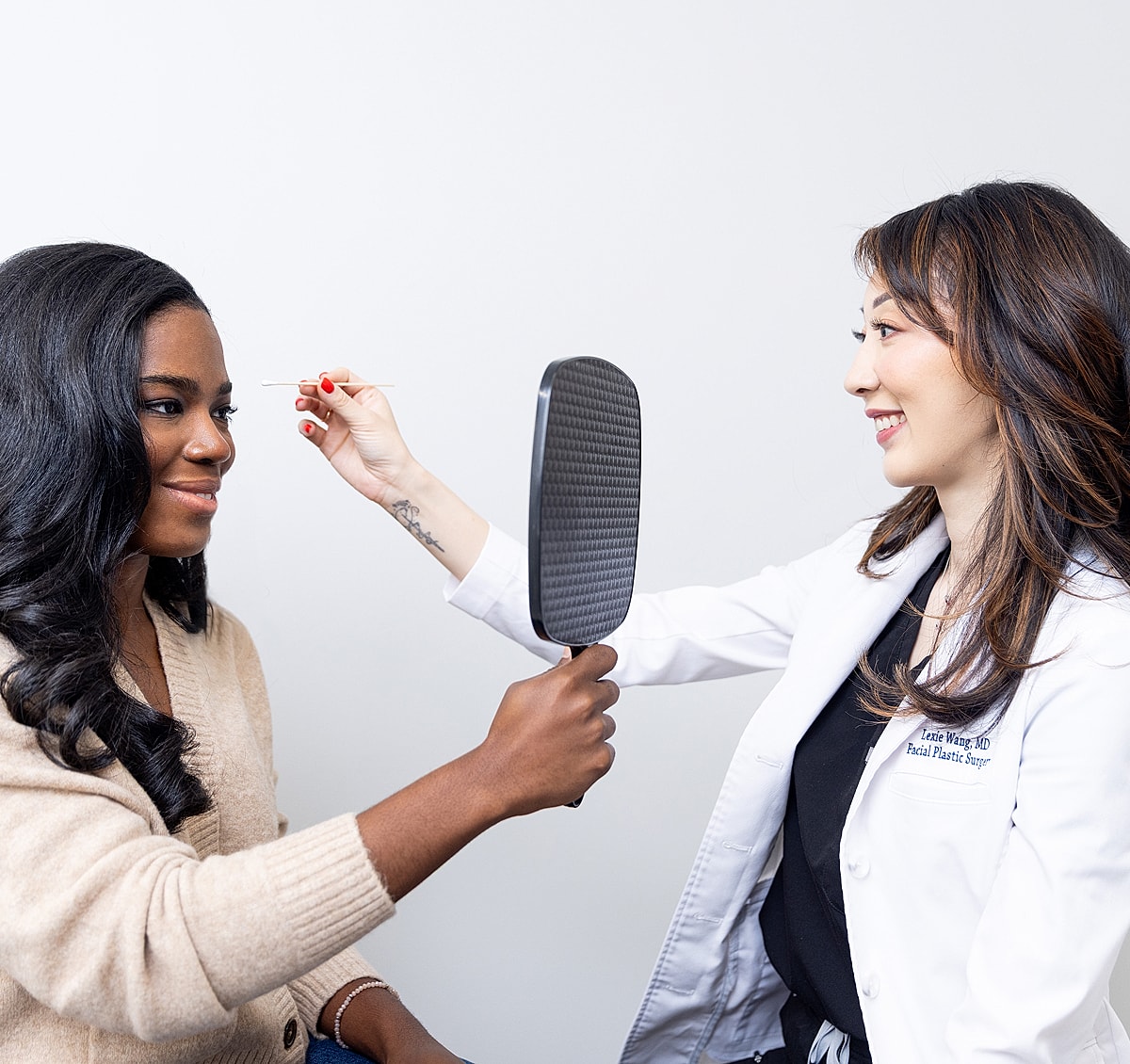
Your journey begins with a detailed consultation with Dr. Lexie Wang. She will review your medical history, discuss your concerns, and understand the outcomes you are hoping to achieve. It can be extremely helpful for the consultation for you to collect the operative reports from any previous nose surgeries. Using advanced imaging and analysis, she will assess:
During this consultation, Dr. Wang will discuss potential surgical plans, the types of grafts that may be required, and any special concerns related directly to your needs. Each patient’s case is unique, and we customize our surgical approach to meet your specific needs. A comprehensive plan will outline the necessary steps to achieve improved symmetry, structural support, and nasal airflow.
*PLEASE NOTE: The consultation fee for primary rhinoplasty and revision rhinoplasty is $300. It will be applied towards the cost of the surgery should you decide to proceed with it.
Rhinoplasty surgery is typically performed on an outpatient basis and you go home shortly after the surgery.
You may be sleepy from the anesthesia and you will feel mild to moderate discomfort so it is important to have someone drive you home after your surgery. You may also want to have someone stay with you for the first few days after surgery.
In the first 24 hours after surgery, your face will feel puffy, your nose may ache, and you may have a dull headache. You can use the prescribed pain medication to alleviate much of this discomfort. Most patients are up and around one to two days after surgery. The swelling and bruising around your nose will increase at first, reaching its peak about two to four days after the surgery. Applying cold compresses will help ease the pain and reduce the swelling and bruising.
Your discomfort level will improve rapidly after the first two days. A little bleeding is common in the first day or so after surgery and you may continue to feel some nasal stuffiness for the first few weeks. All dressings, splints, and stitches are usually removed within one week after surgery.
You will notice a marked improvement in your discomfort level during the first few weeks after your surgery. You can most likely return to work approximately one to two weeks after your rhinoplasty unless your work is strenuous.

Activity | When |
|---|---|
| Out of Bed | As Soon as You Feel Comfortable |
| External/Internal Splints Removed | One Week After Surgery |
| Stitches Removed | One Week after Surgery |
| Back to Work | One to Two Weeks After Surgery |
| Contact Lenses | As Soon as You Feel Comfortable |
| Driving | As Soon as You Feel Comfortable and are not taking narcotic pain medication |
| Strenuous Activity | Three to Four Weeks After Surgery |
| Wearing Your Glasses | Four to Six Weeks After Surgery |
| Contact Sports | Six to Eight Weeks After Surgery |
There are two stages to your rhinoplasty recovery, after which your results are definitive. The first stage involves the decrease of visible swelling and bruising. That stage can take about two weeks to one month to reach the point at which you feel comfortable returning to work and social engagements. Keep in mind that, at the two-week mark, moderate swelling may remain. This final stage takes one to three years to resolve, and in cases of revision rhinoplasty, you should expect a longer recovery time. You may notice what we call “semi-final” results as soon as three months after your rhinoplasty procedure. By that time, the majority of your swelling should be gone. From then on, minor changes related to swelling may continue. These, however, are so gradual and subtle that you may not even notice.
Dr. Lexie Wang combines precision, artistry, and extensive experience to deliver exceptional results in even the most complex revision cases.
We are committed to achieving the best possible outcomes for our patients, using advanced techniques and innovative treatments to improve both aesthetics and function.
Most surgeons recommend waiting at least 12 months after your initial procedure to allow full healing before revision.
Yes. Revision procedures often involve scar tissue and structural challenges, making expertise and precision essential.
In some cases, grafts from the septum, ear, or rib may be necessary to rebuild and support nasal structures.
Most patients return to normal routines within 1–2 weeks, though swelling can take several months to fully resolve.
Yes. Our surgeons specialize in creating balanced, natural-looking results that enhance your overall facial harmony without an “overdone” appearance.