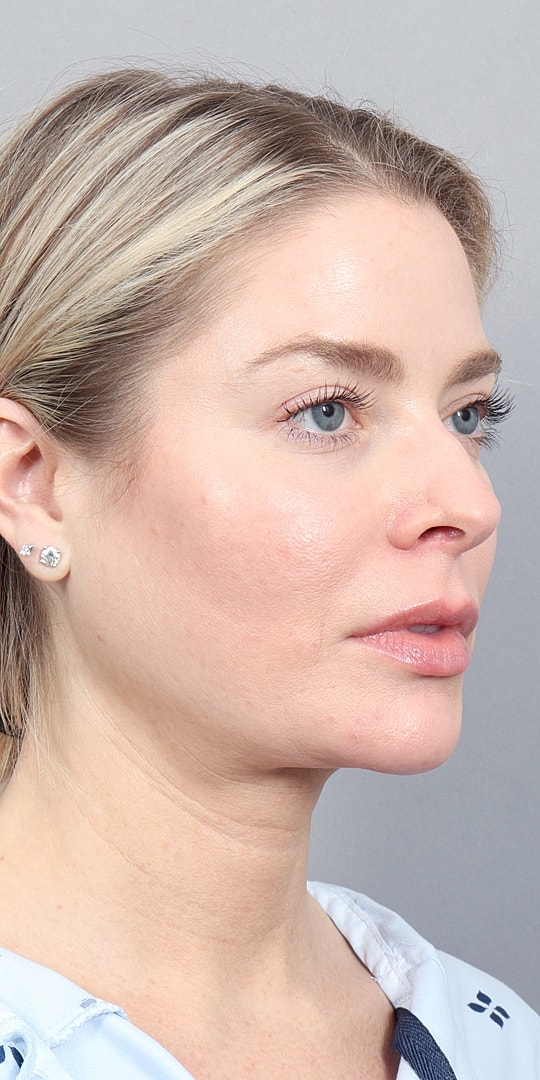
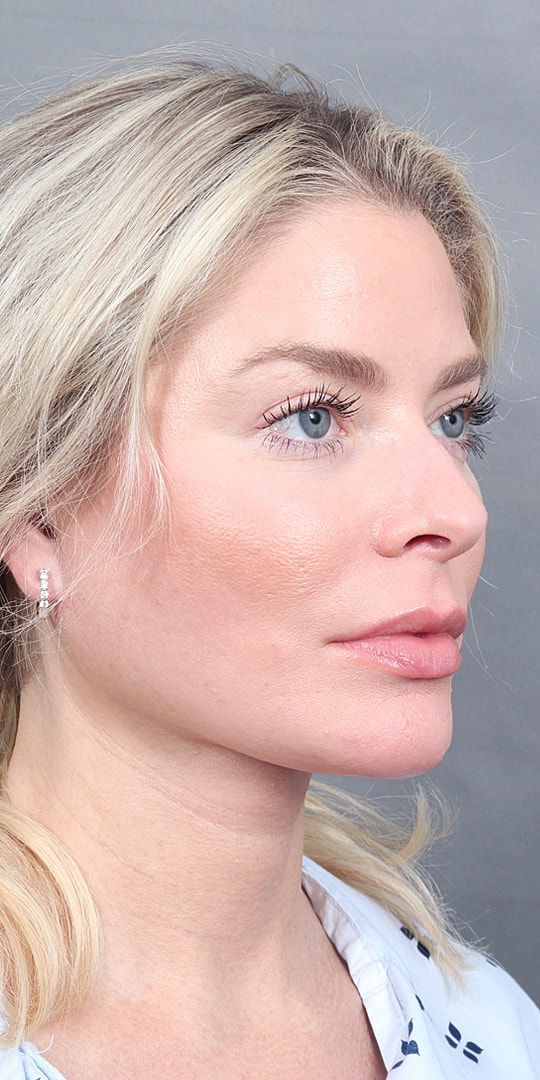
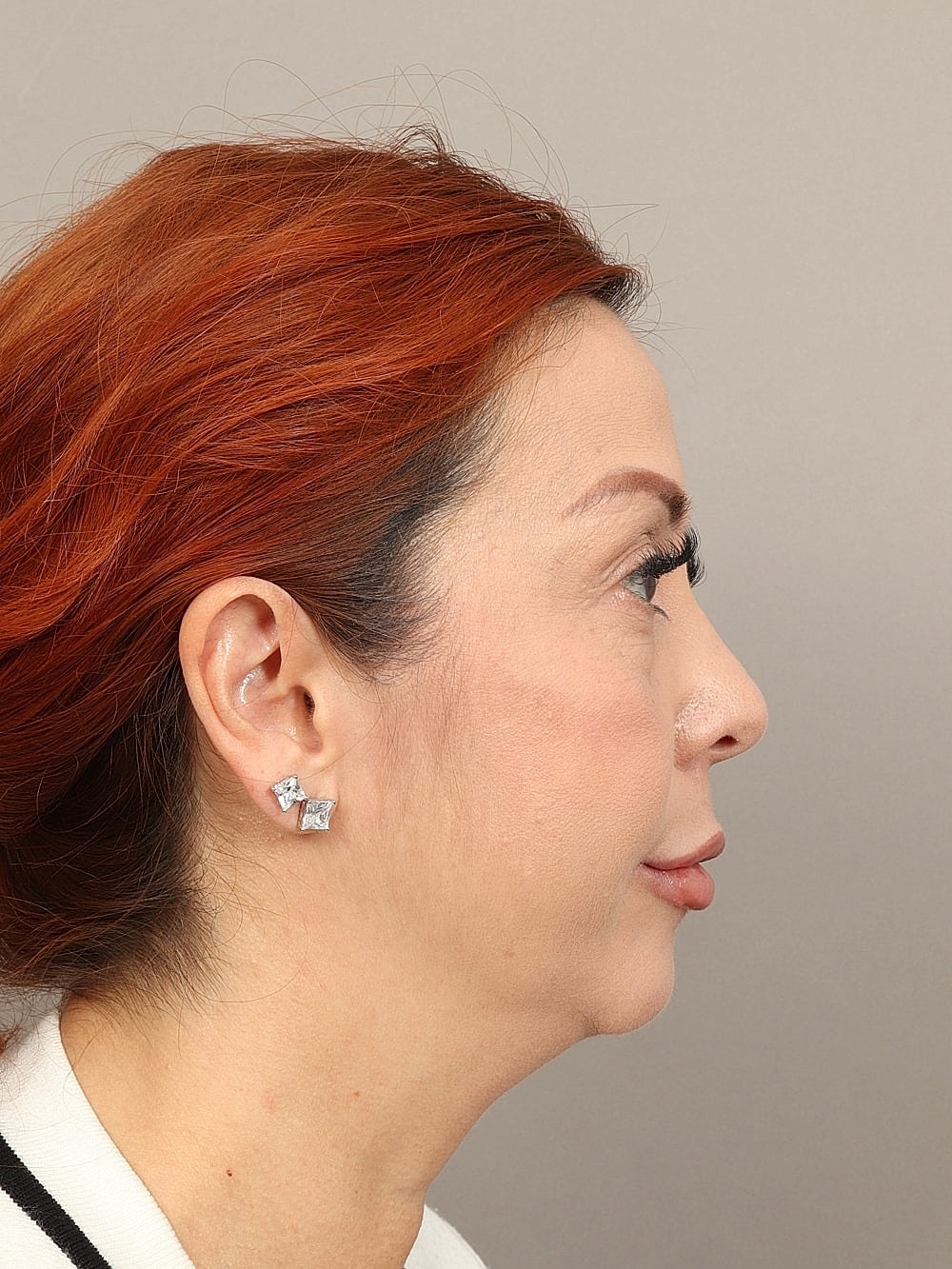
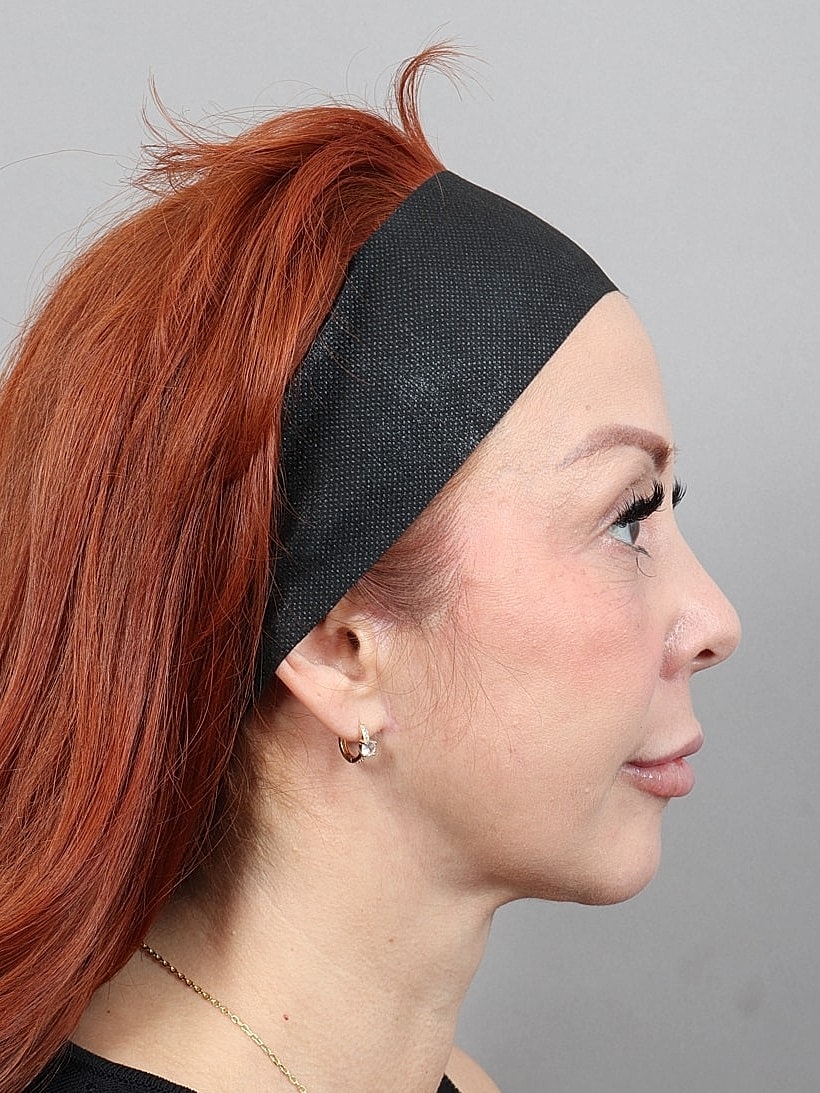
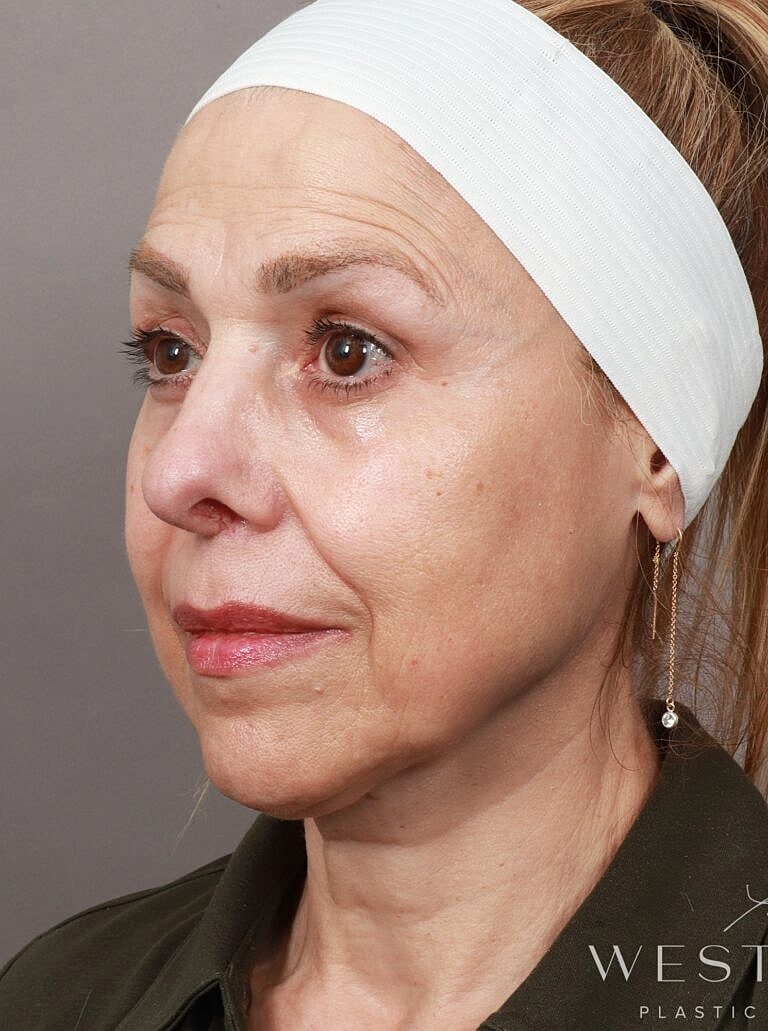
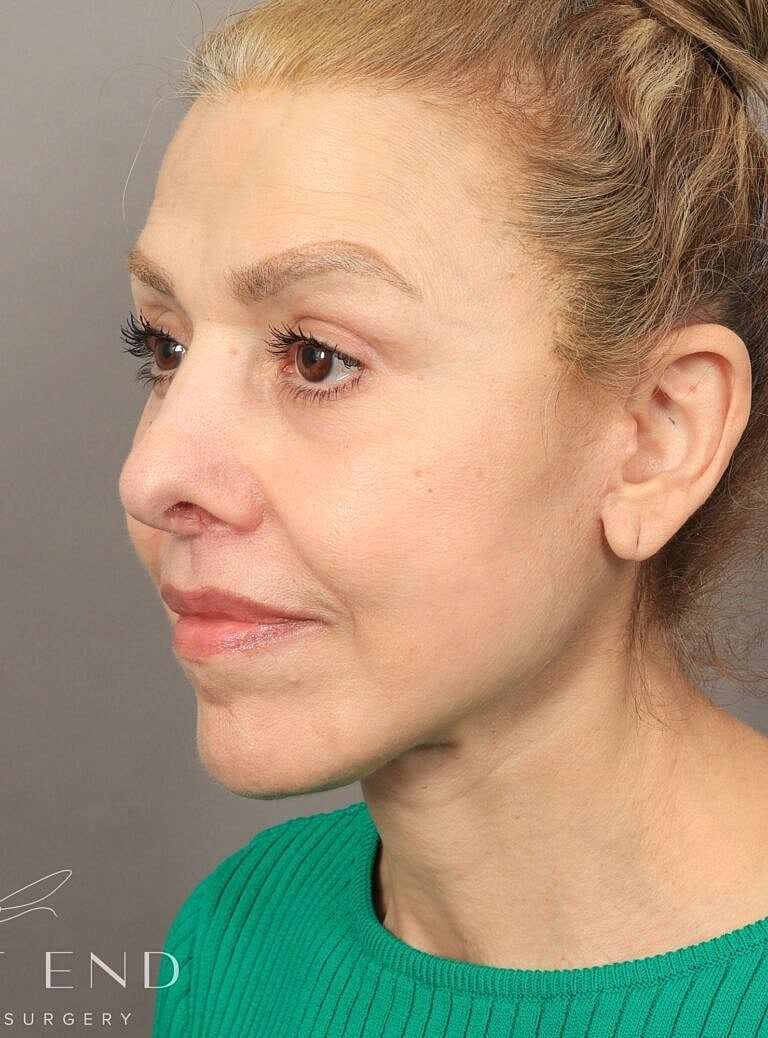
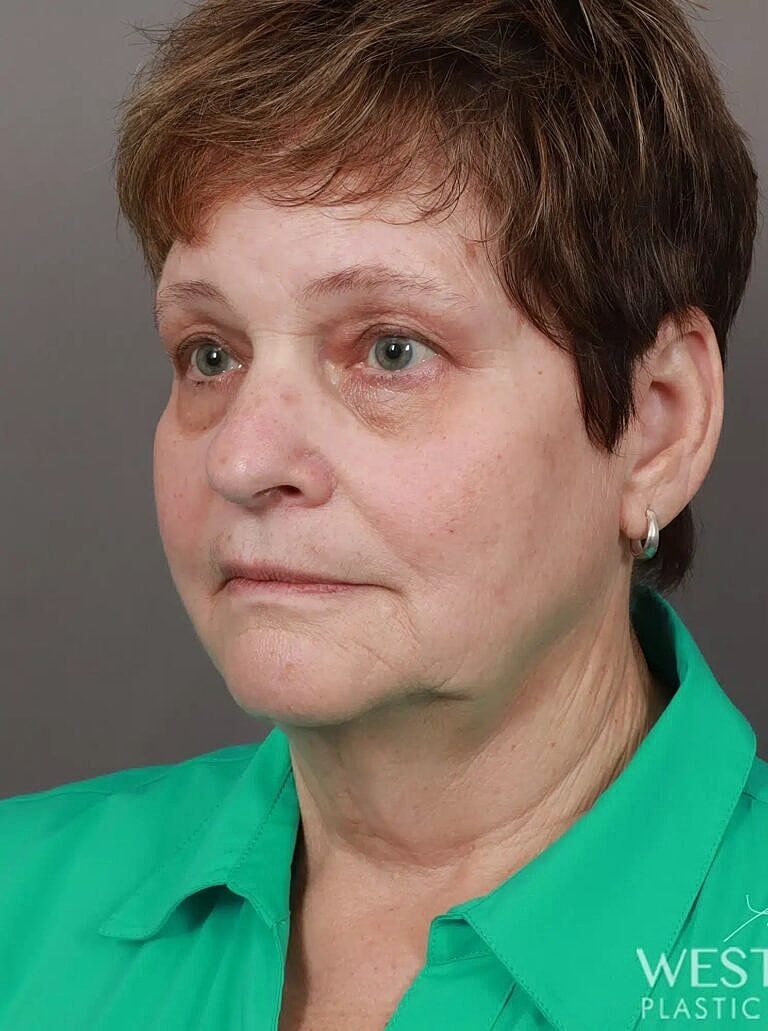
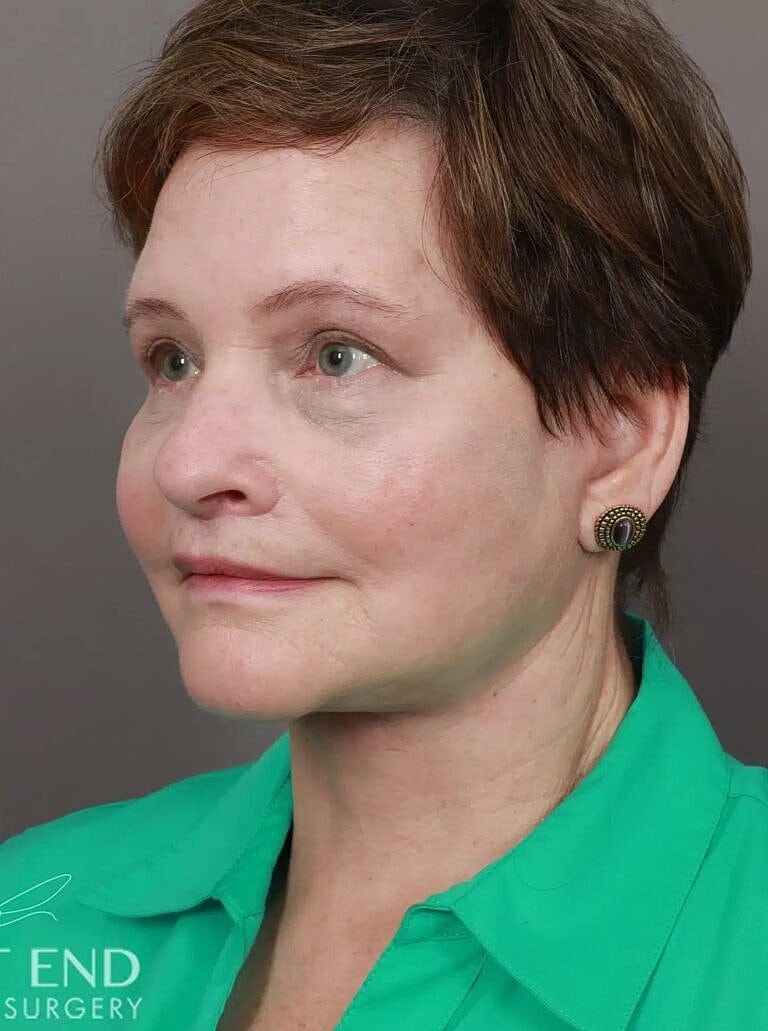
Facelift in Washington, D.C.



A facelift erases the most visible signs of aging on the lower two-thirds of your face.
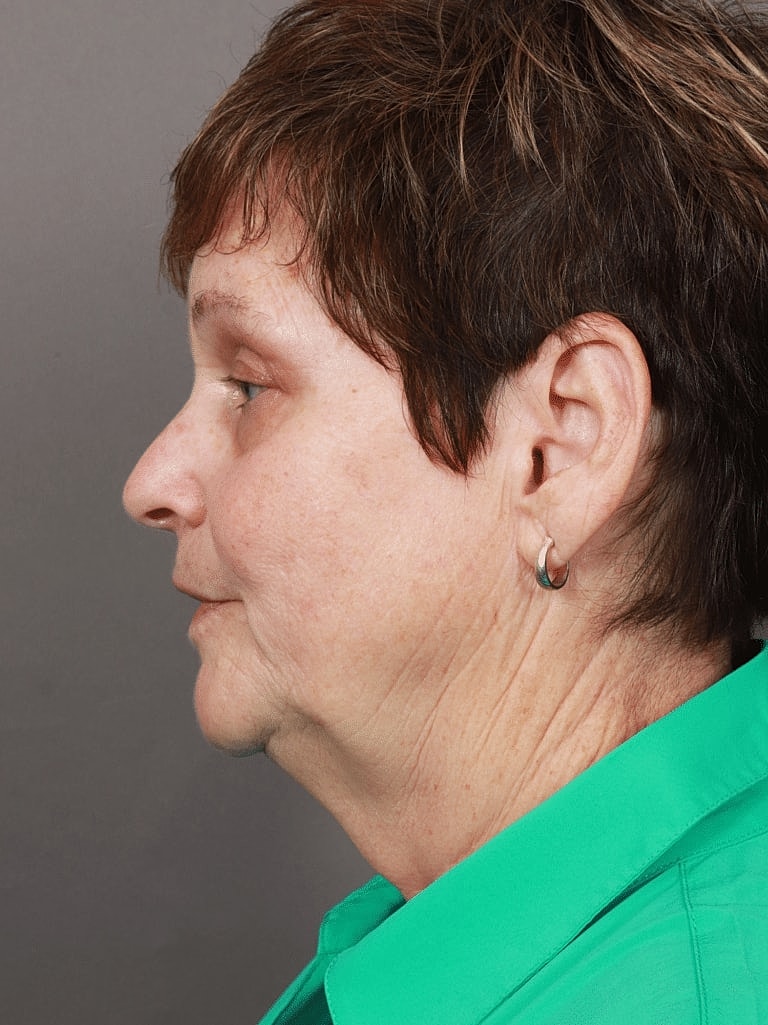
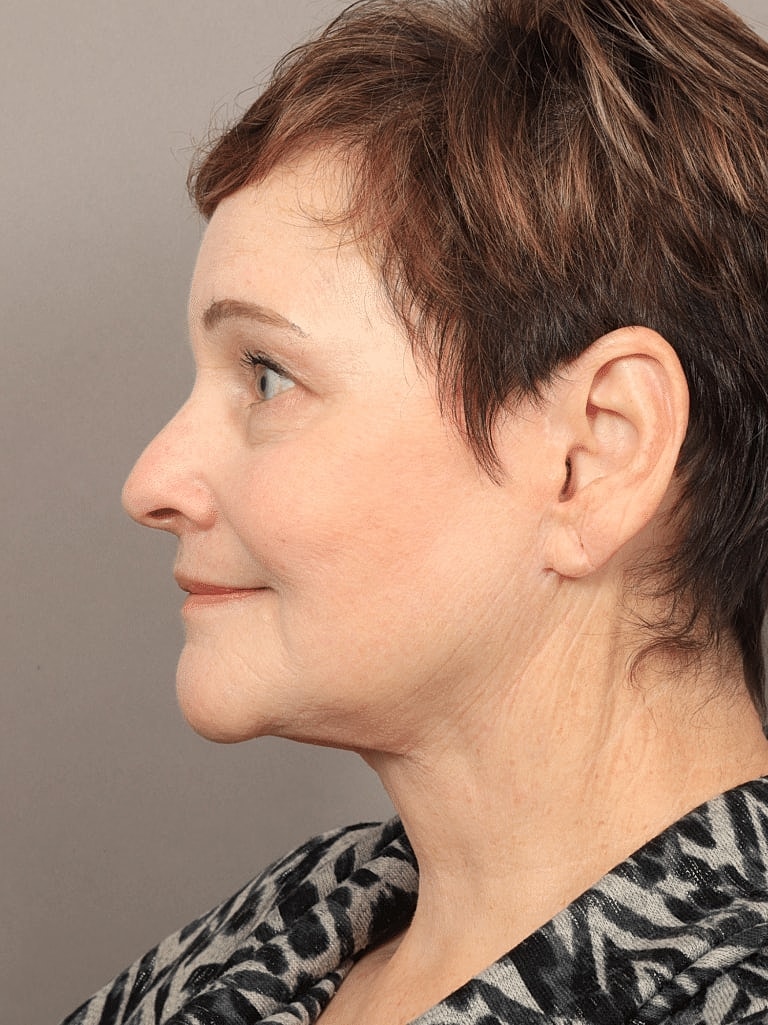
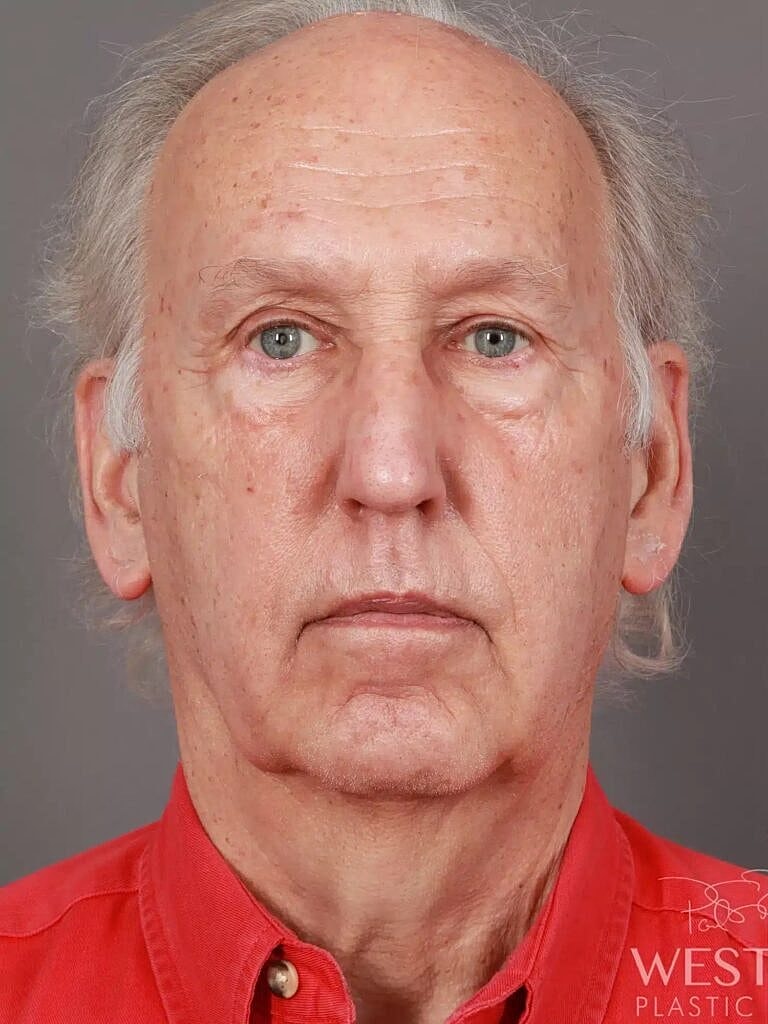
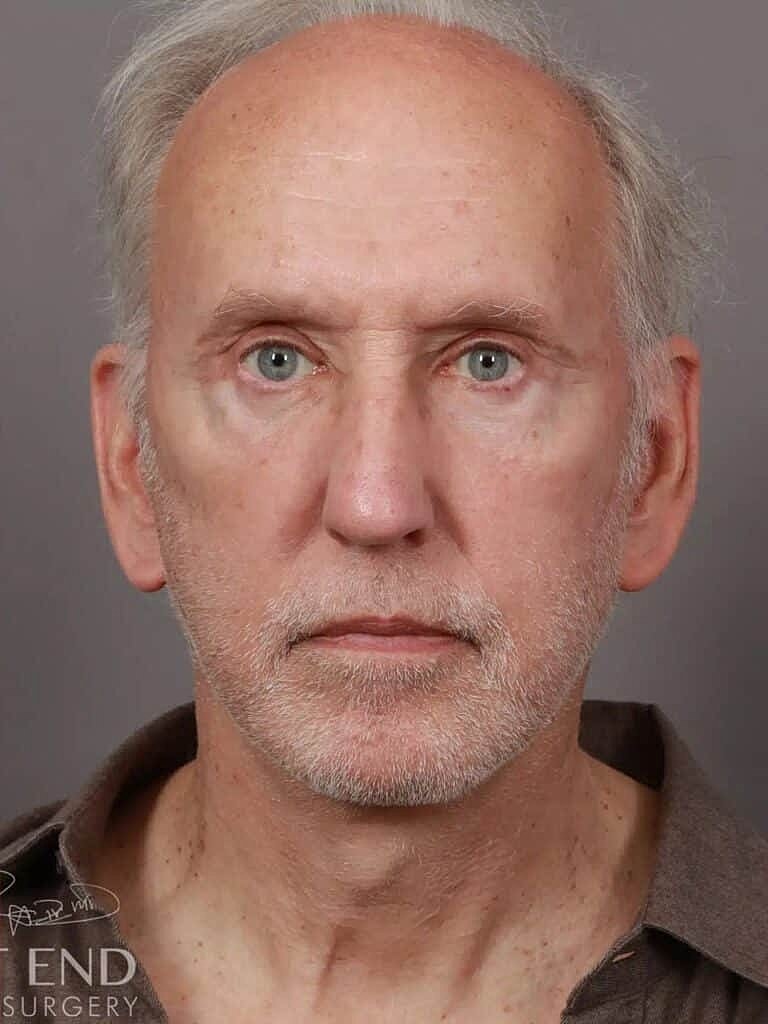
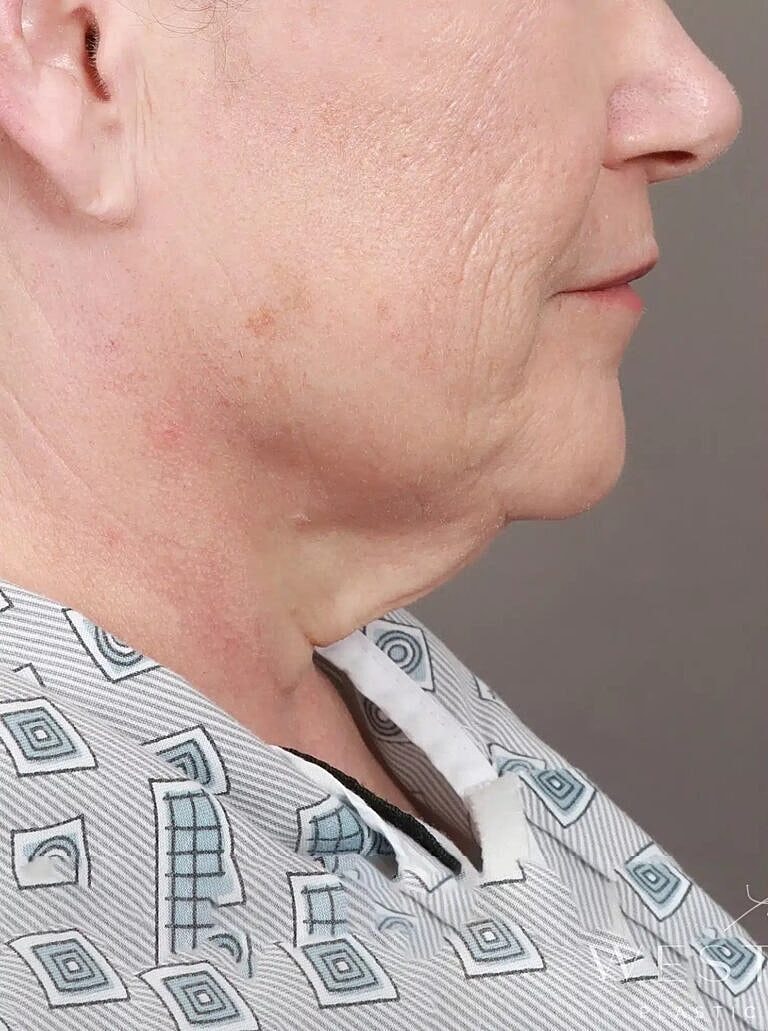
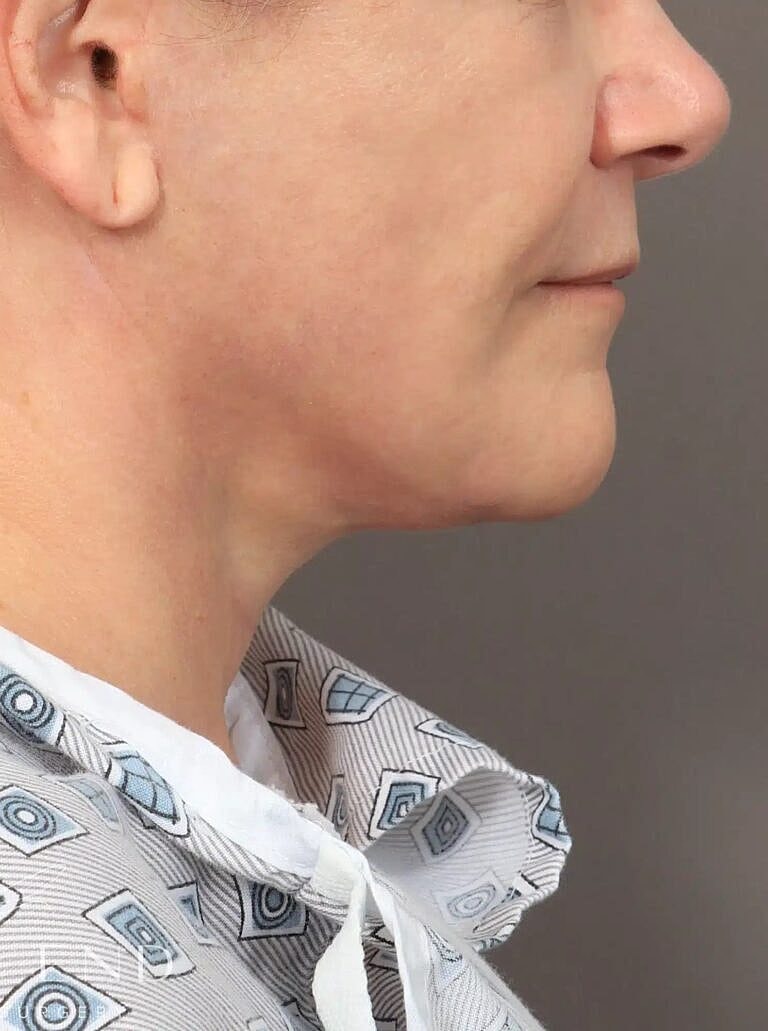
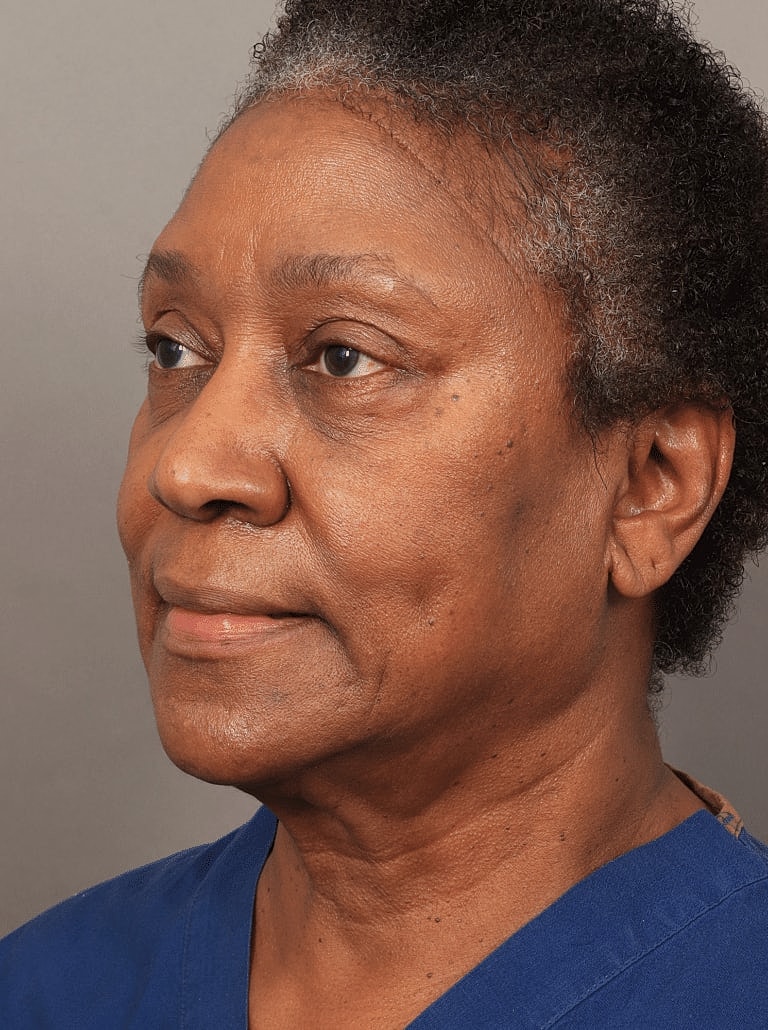
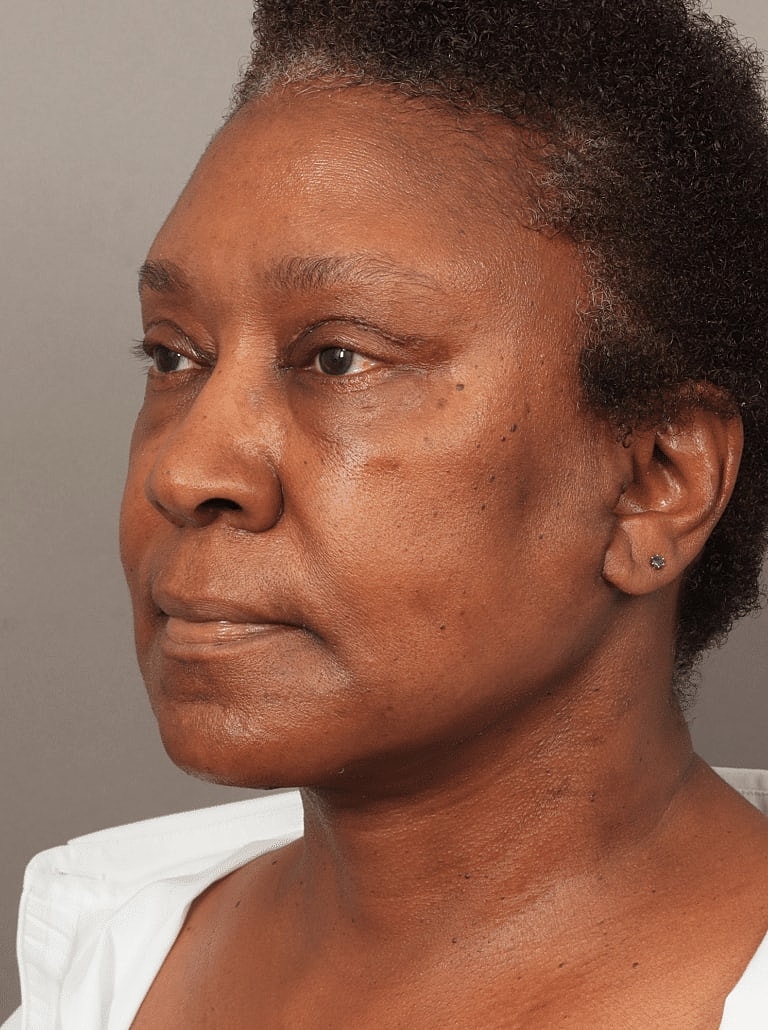
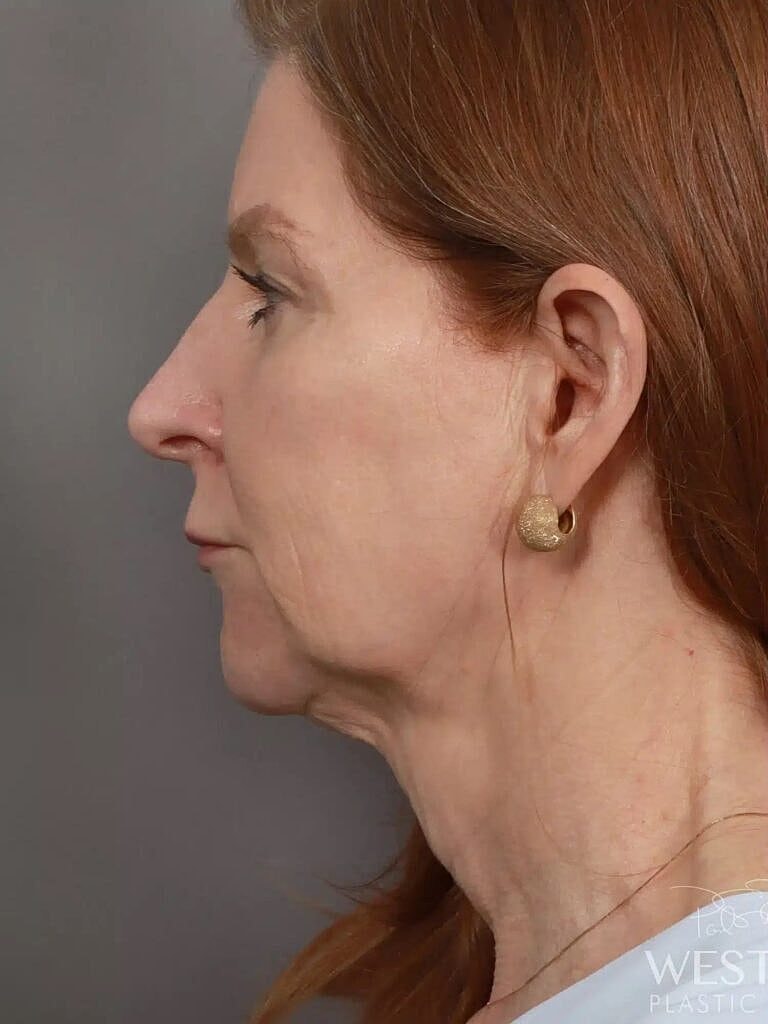
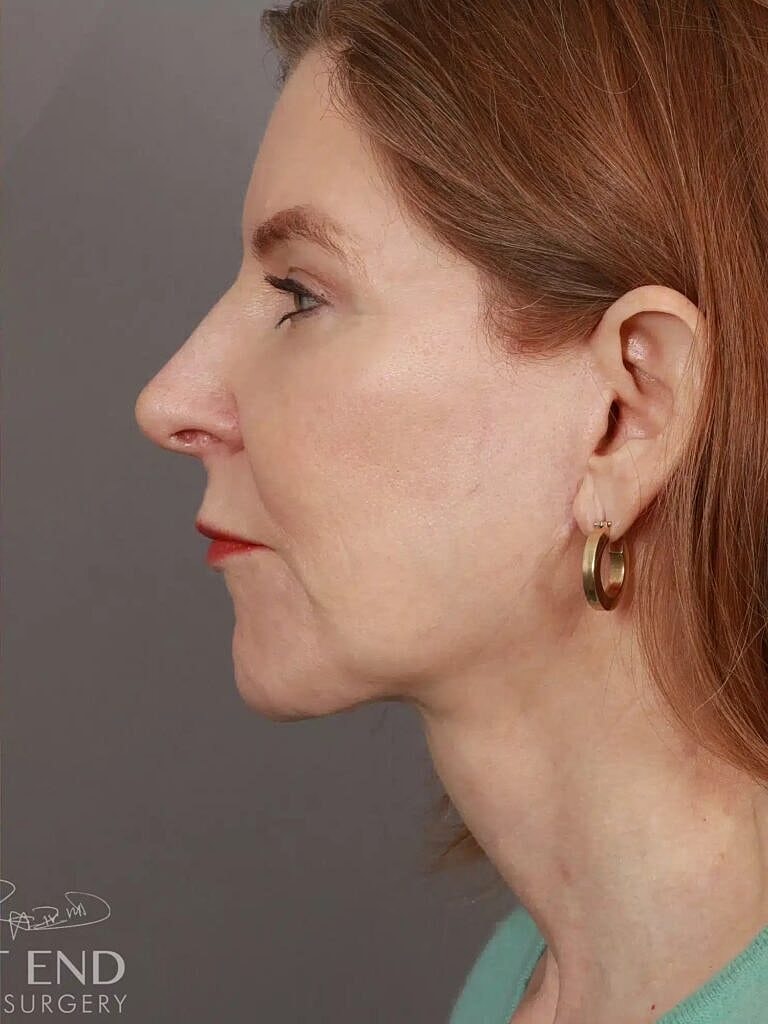
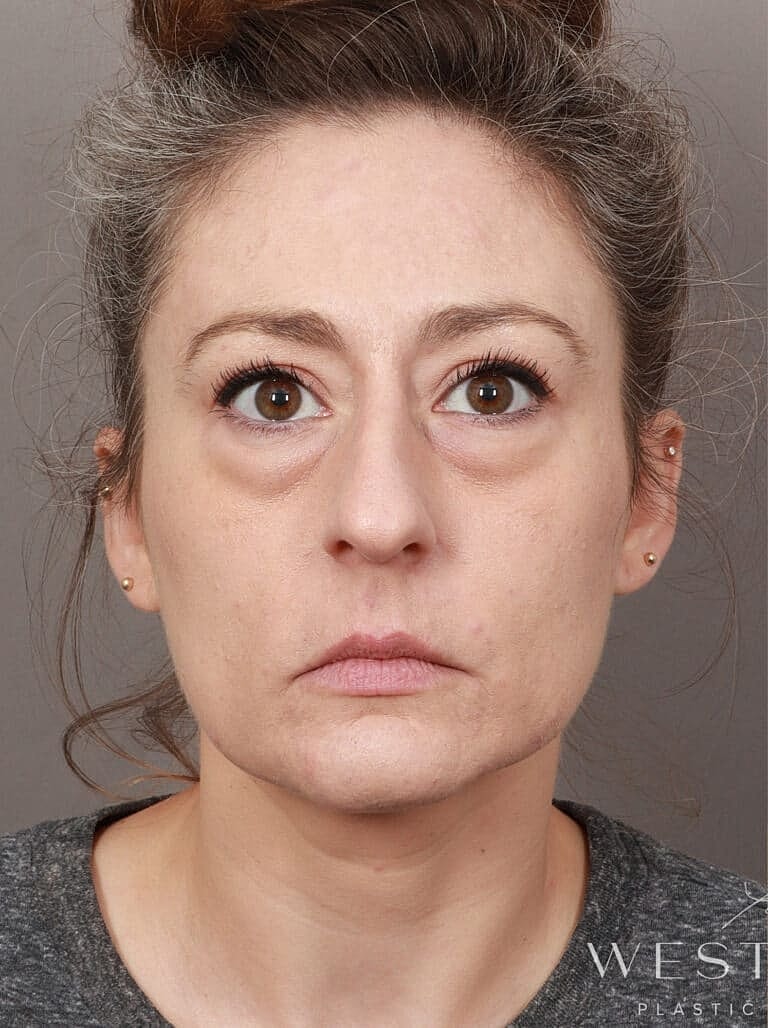
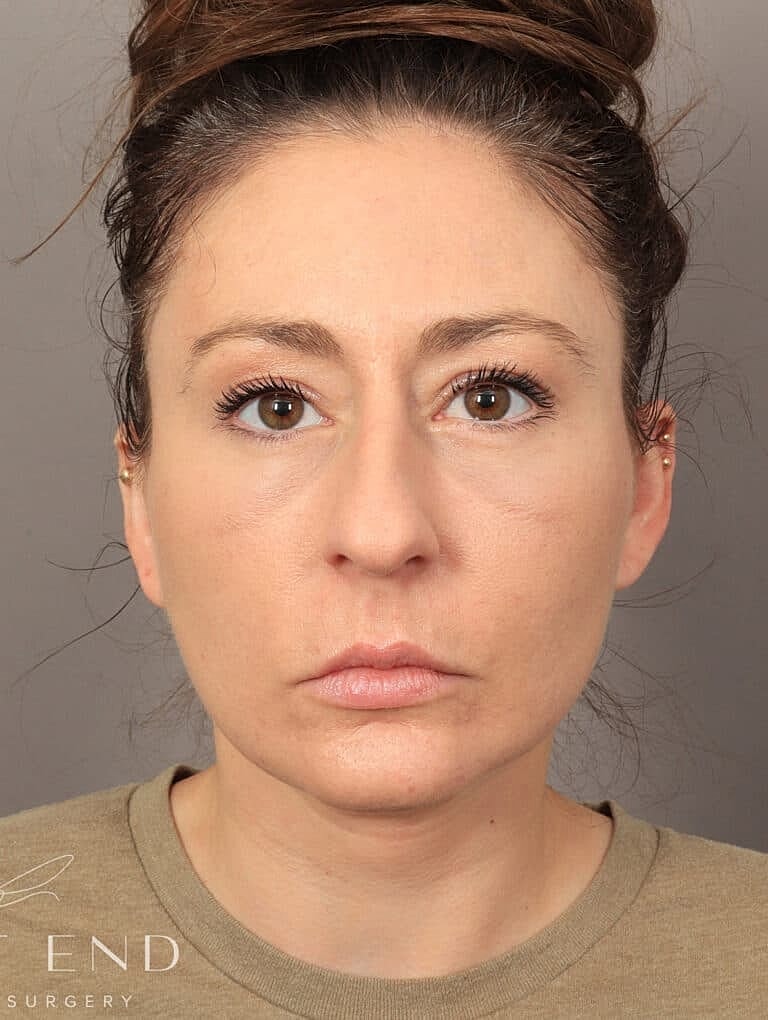
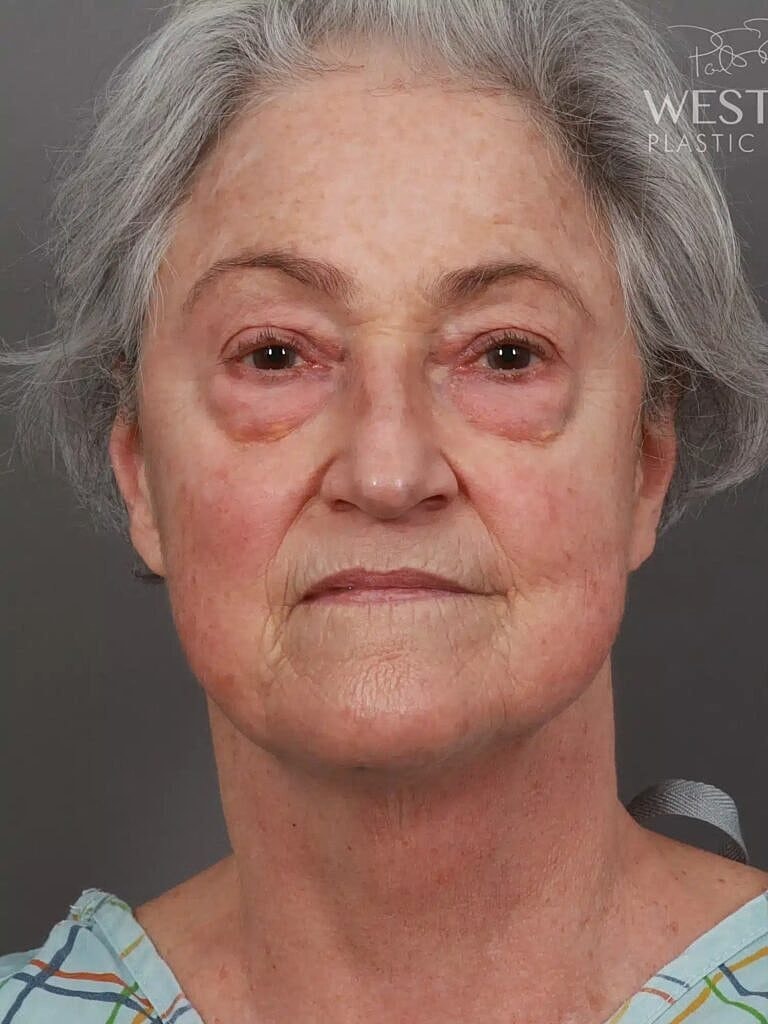
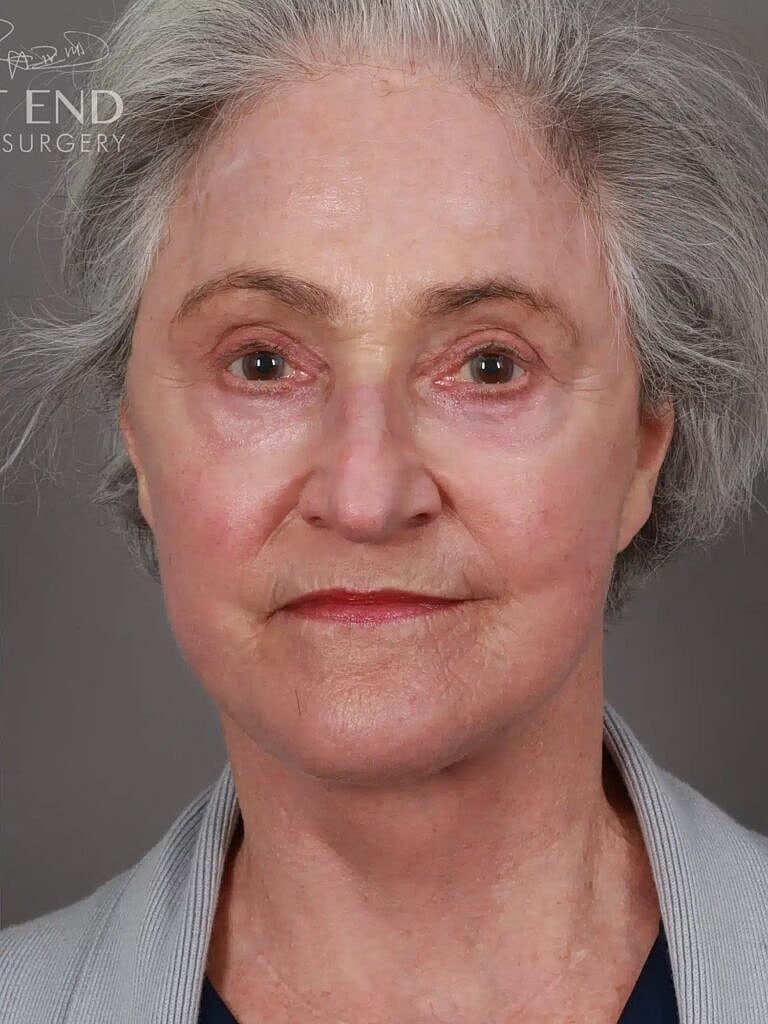
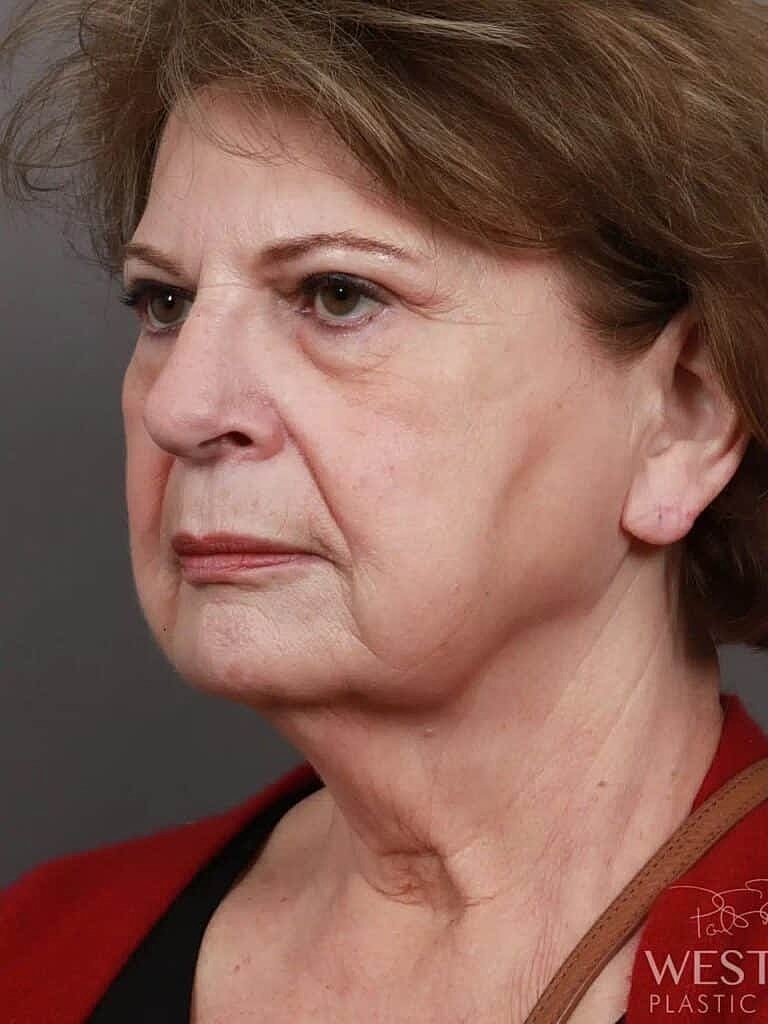
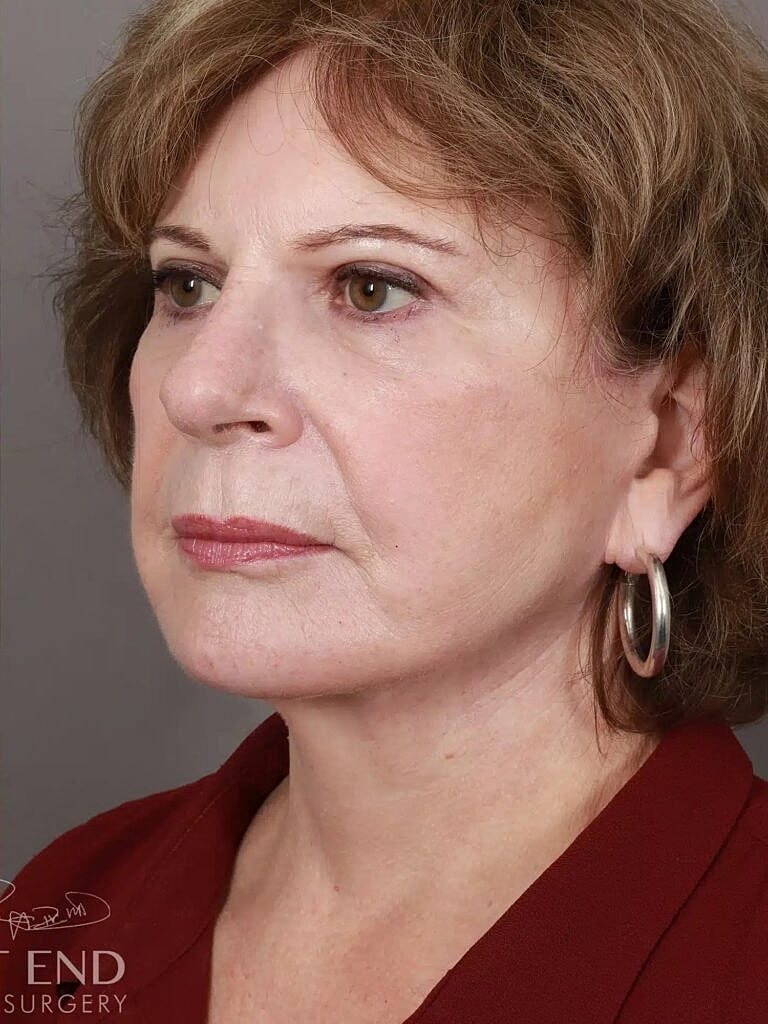
It removes loose and sagging skin from the area, tightening the underlying muscles and support structures to provide a more youthful and rejuvenated appearance; it may improve your self-image as well. Dr. Ruff and Dr. Wang's facelift results are natural and don't have the “pulled look” or abnormal hairline and sideburns that some people develop after surgery. They also use specialized techniques and perioperative care to minimize any downtime.


There are several techniques used to perform a facelift, each done in its own way and each with its own benefits:
In a traditional or deep plane facelift, your surgeon will use a well-concealed incision on each side of the face that starts at your hairline above the temple and ear, continues around the earlobe, and ends in the hairline behind the ear. This allows for the removal of excess skin and in many instances excess fat. For men, the incision is placed slightly farther in front of the ear to accommodate the natural beard lines. If your neck is also being lifted, your doctor will make a small incision under your chin.
Once the incisions are made, your doctor carefully separates the skin from the fat and muscle below. If necessary, fat is trimmed or suctioned from around the neck to improve the contour of the neck and chin. The doctor then tightens the underlying muscle and support structures, redrapes the skin, and removes any excess skin, giving the face a naturally more youthful appearance.
Once the procedure is complete, your doctor uses stitches to secure the layers of tissue and to close the incisions. Surgical clips may be used to secure the scalp. A small, thin tube called a drain may be temporarily placed under the skin behind your ear to help drain any blood that might collect there. Your head may be wrapped with gauze dressings to help reduce the swelling.
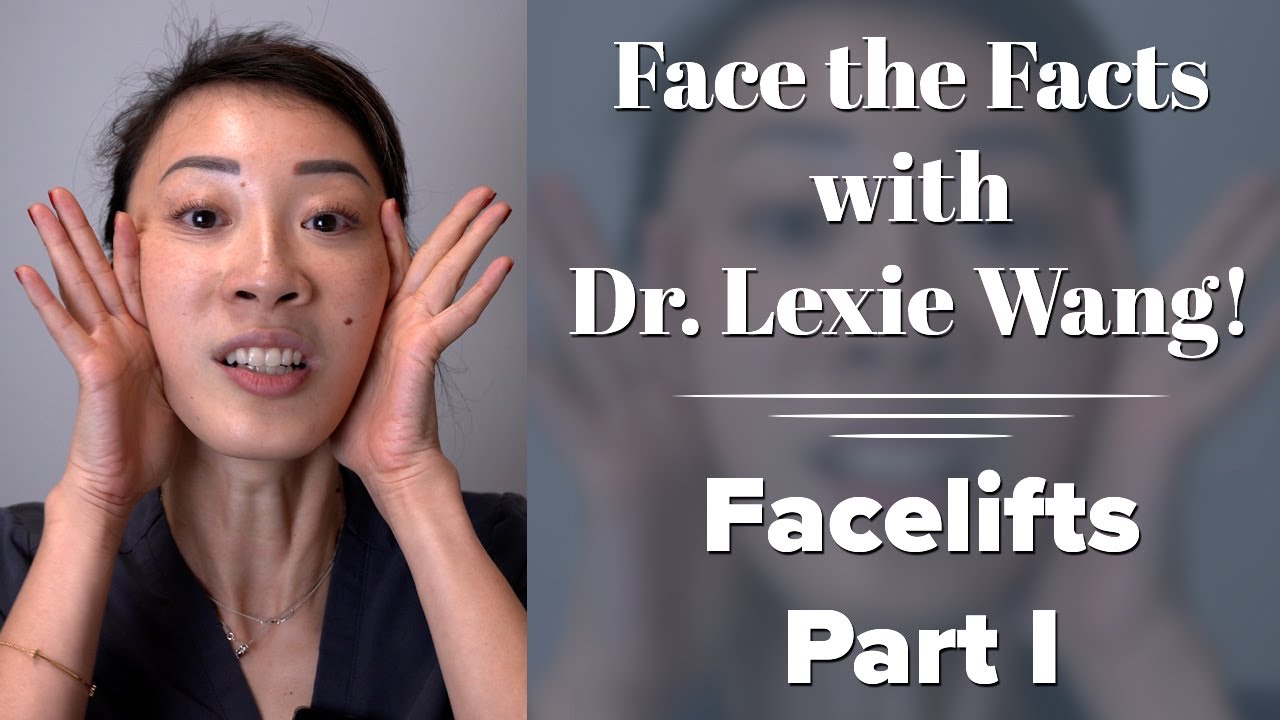

Facelift surgery has improved a great deal over time.
Originally, this facial rejuvenation surgery focused only on the skin, pulling it tighter and trimming excess to smooth away wrinkles around the nose and mouth.
The problem, as you may know, was that most facelifts incurred a telltale windblown look. The improvement upon the traditional skin-only facelift was the movement into a deeper area of tissue, the SMAS (superficial musculoaponeurotic system). This is the layer of fascia and connective tissue under the skin. To restore more youthful facial contours, the SMAS facelift cuts a small section of tissue from the sides of the face and pulls the connective layer tighter, then smoothes the skin over it. This is advantageous, but not as much so as the deep plane facelift, which our surgeons perform.
The limitation of the SMAS facelift is that it does not release the ligaments that connect this layer of tissue to the tissue beneath. The deep plane facelift achieves remarkable results by releasing those ligaments, allowing the surgeon to truly tighten the SMAS from the platysma muscle all the way up to the area under the eyes. This is a more invasive technique with a longer recovery but also a more rewarding, longer-lasting result.
1 of 26
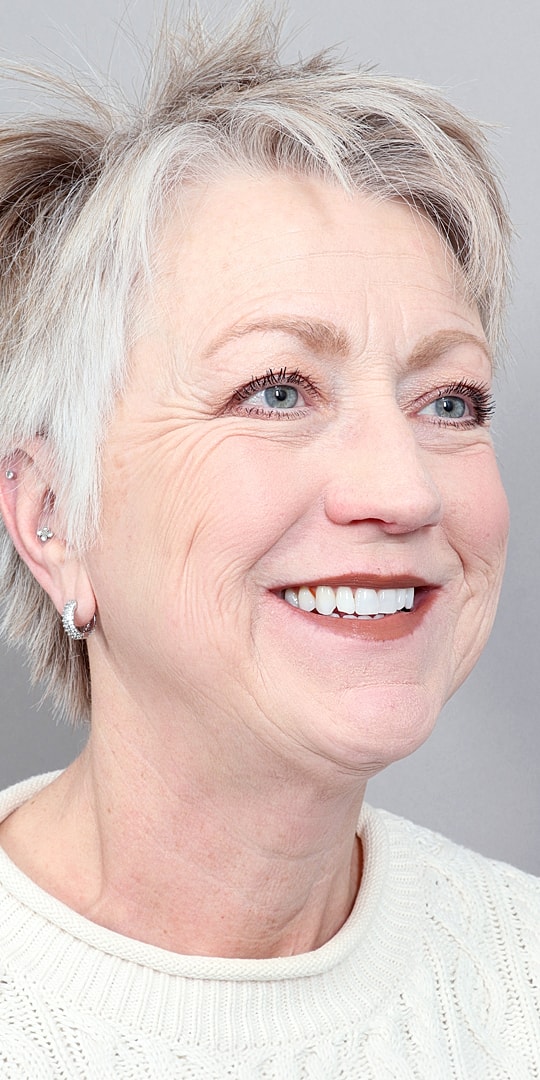
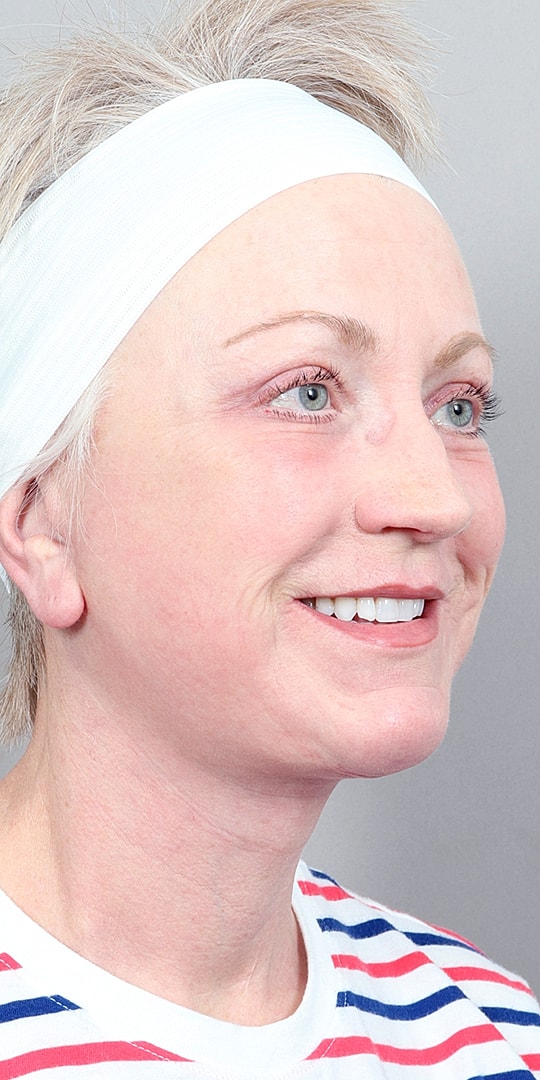
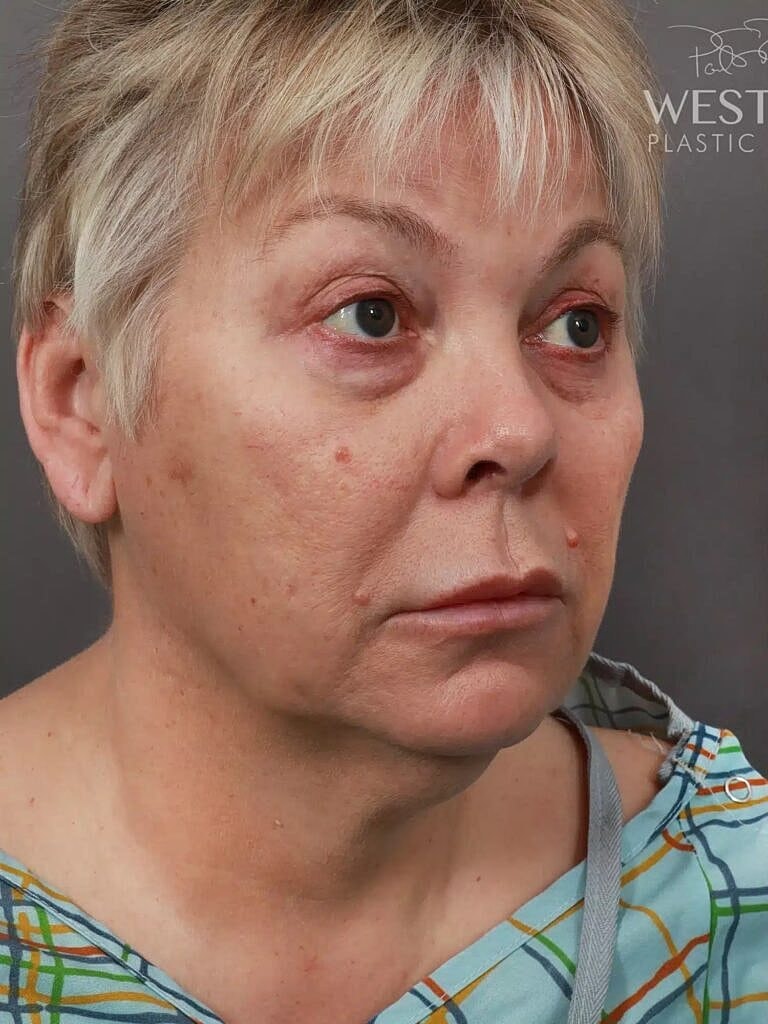
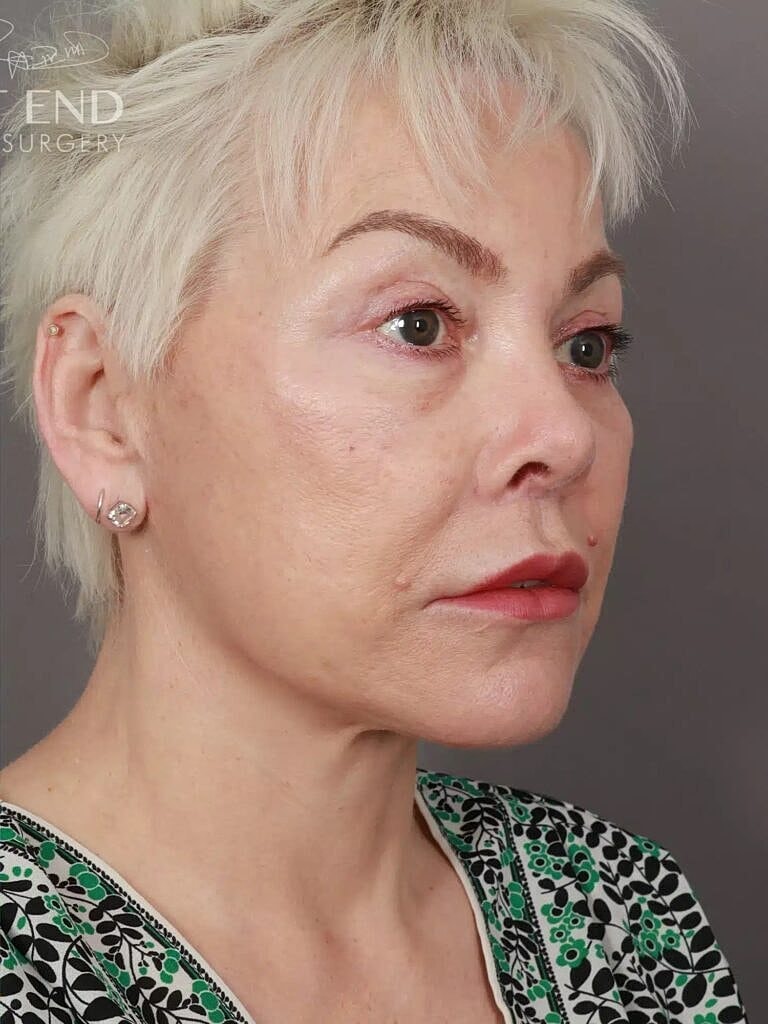
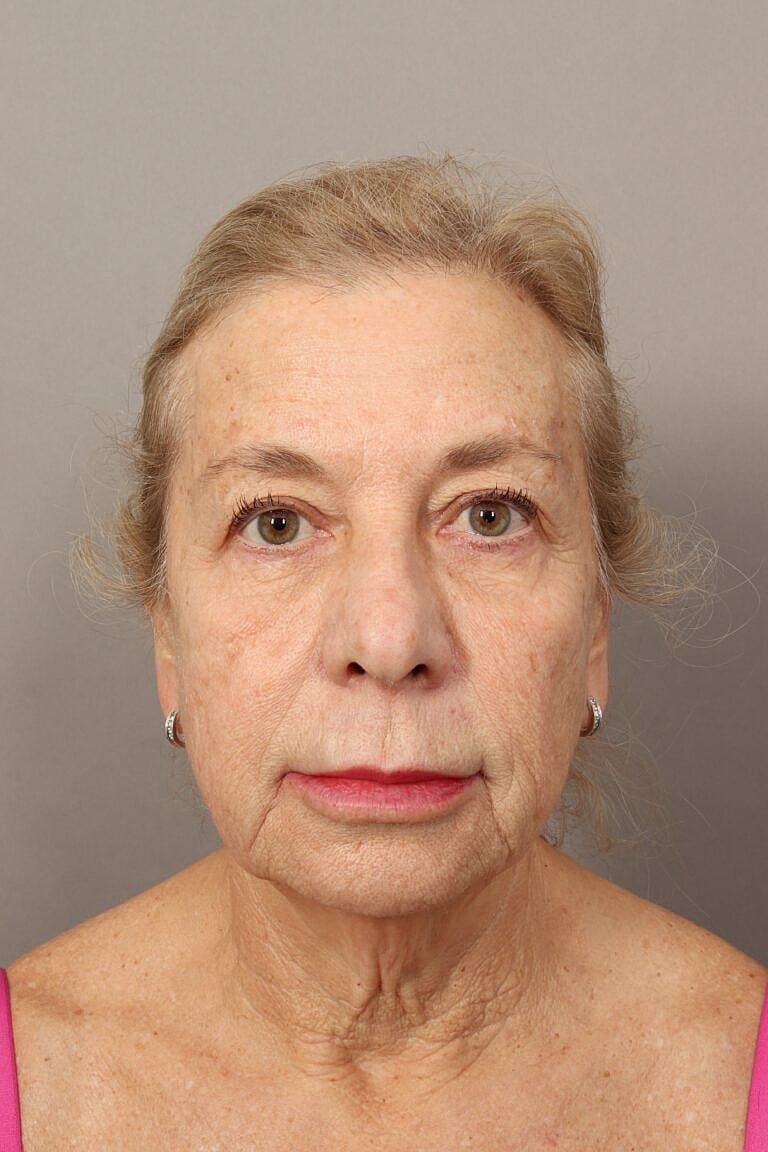
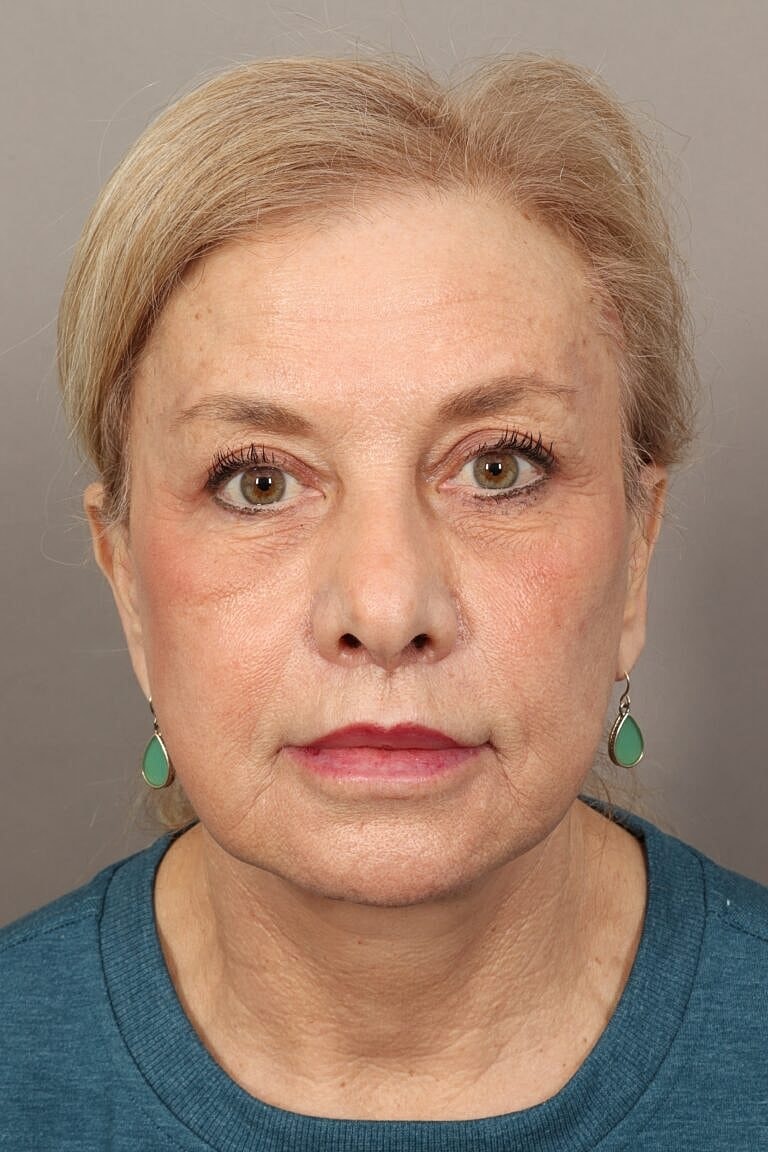
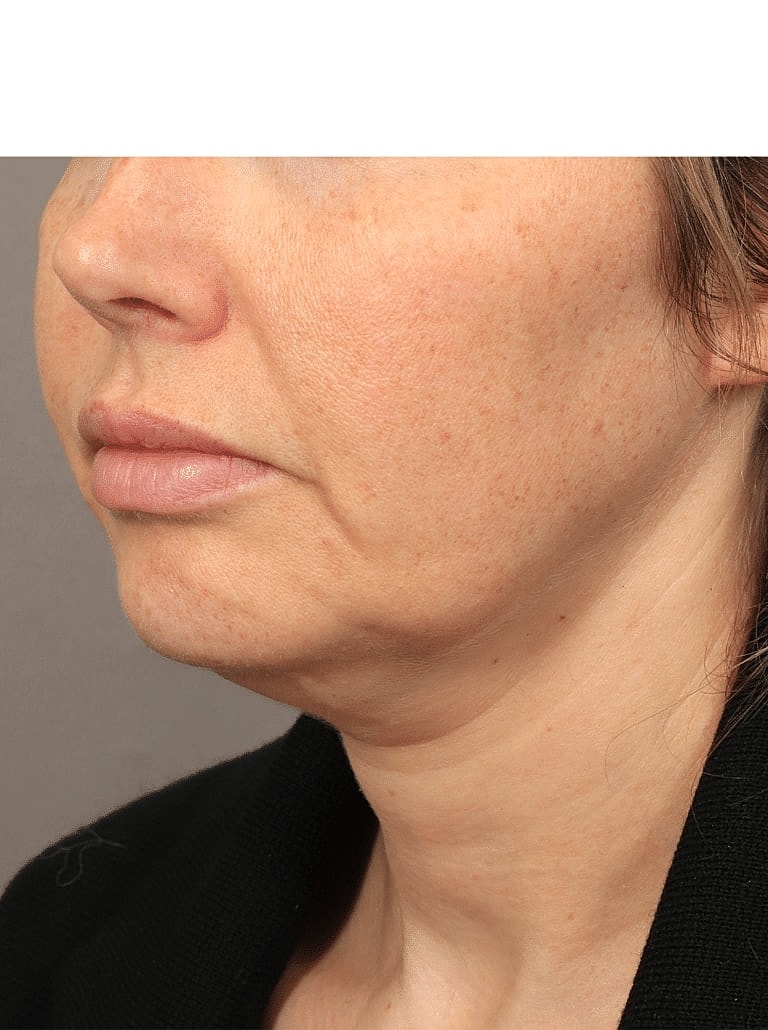
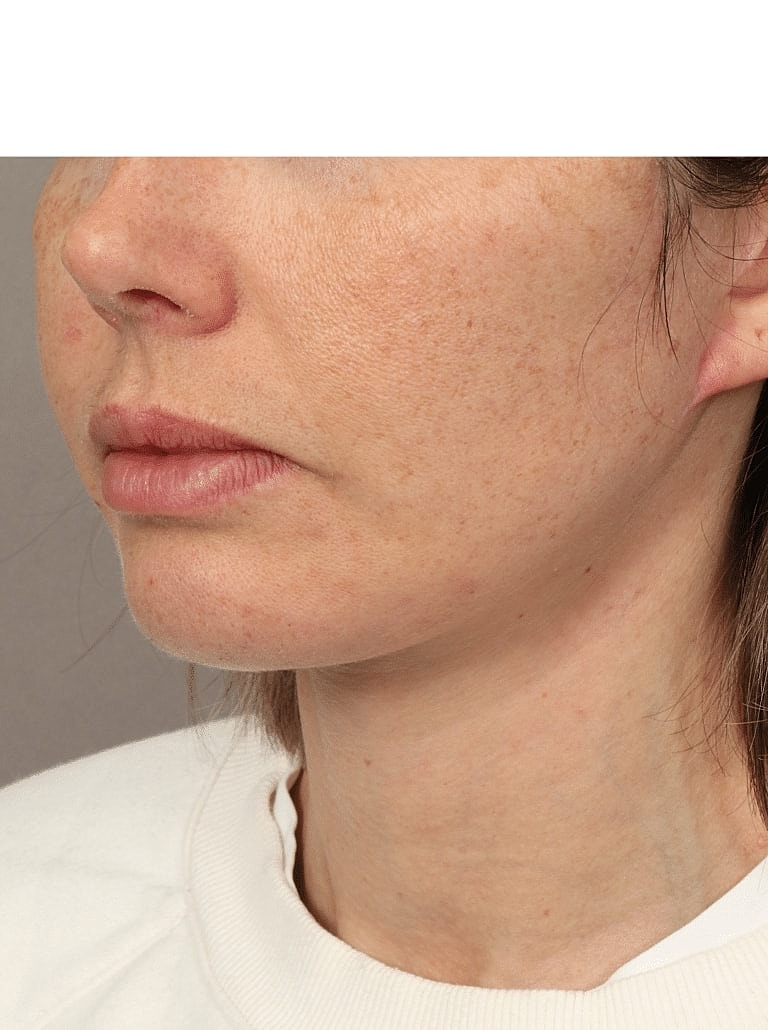
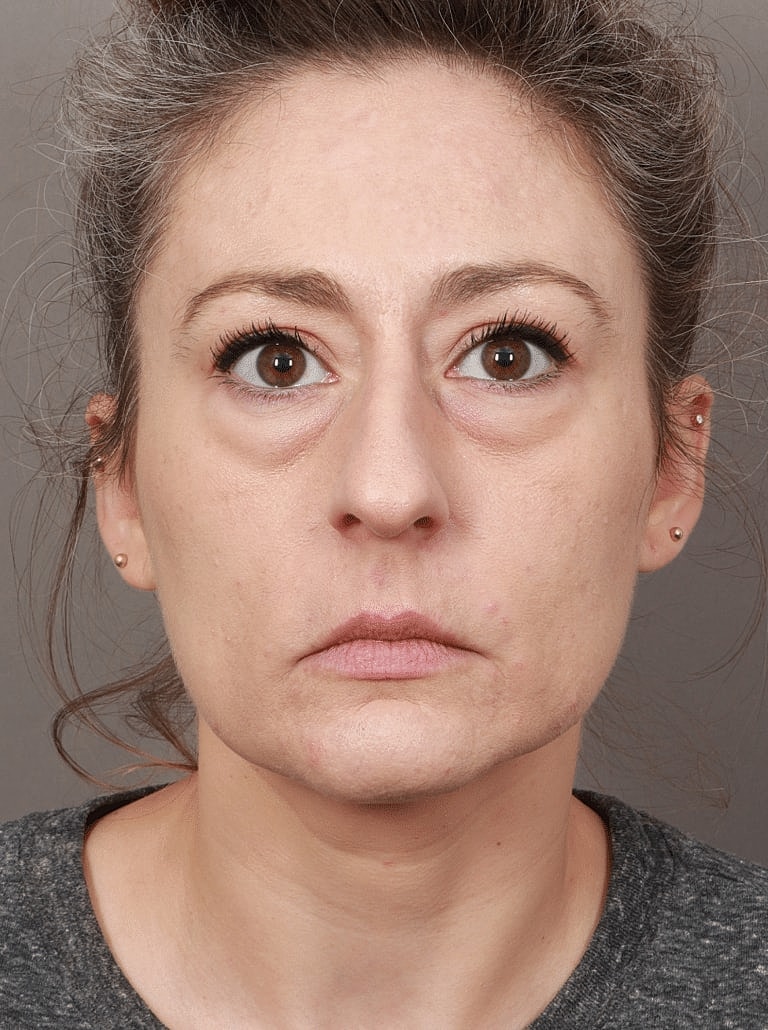
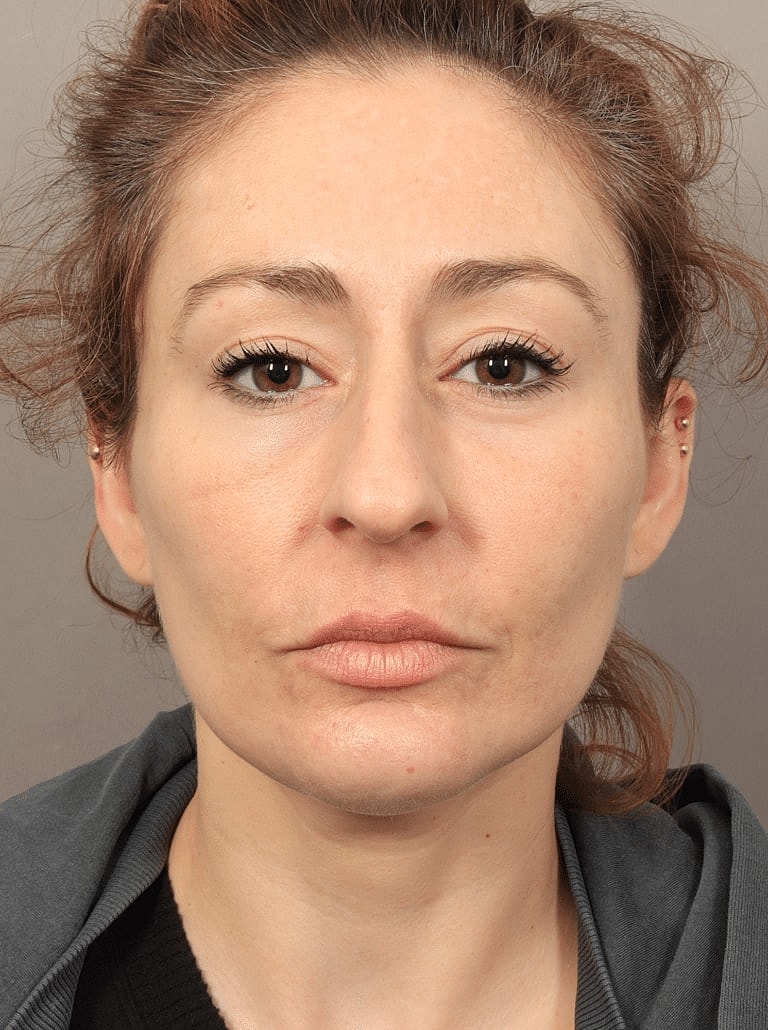
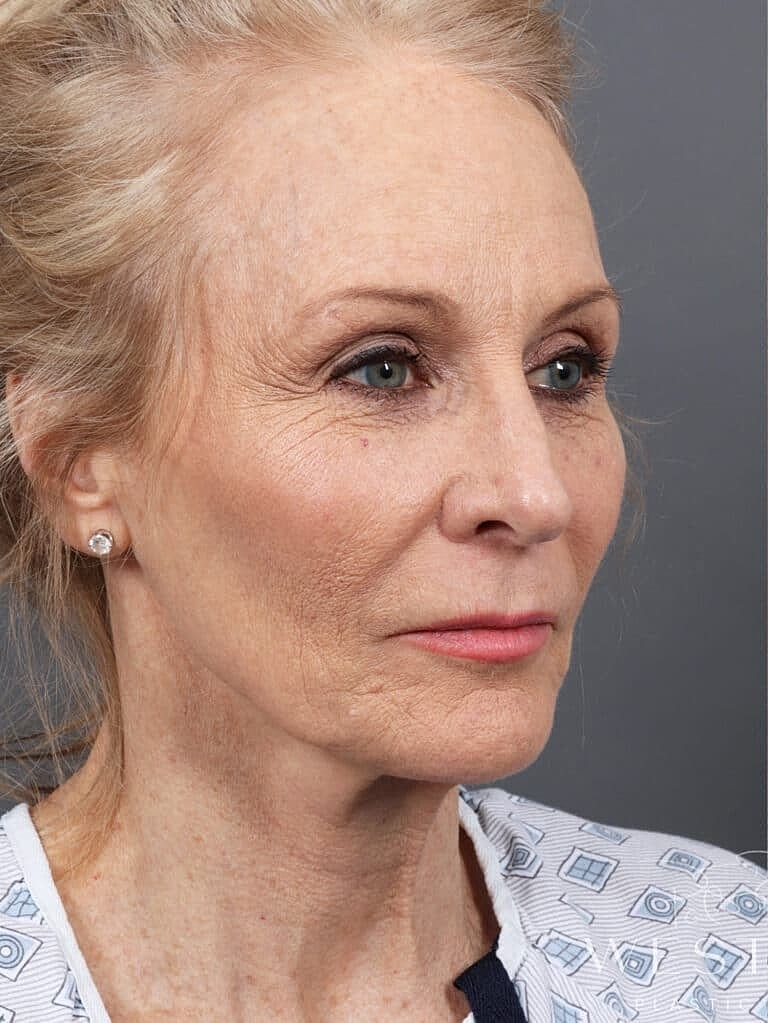
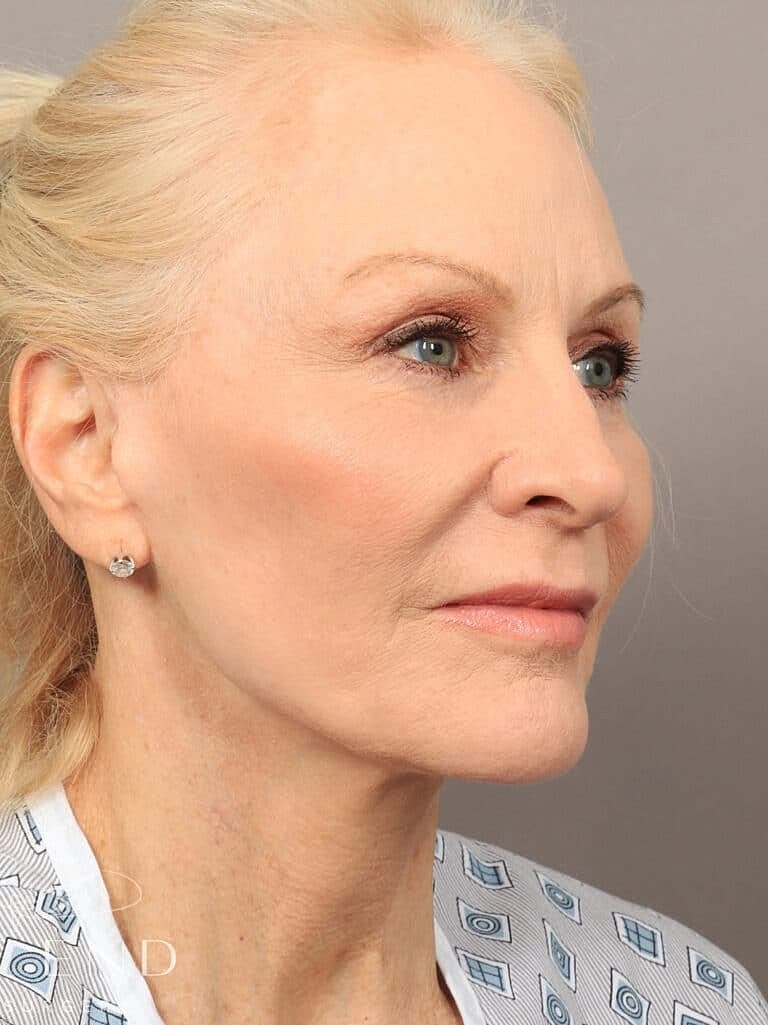
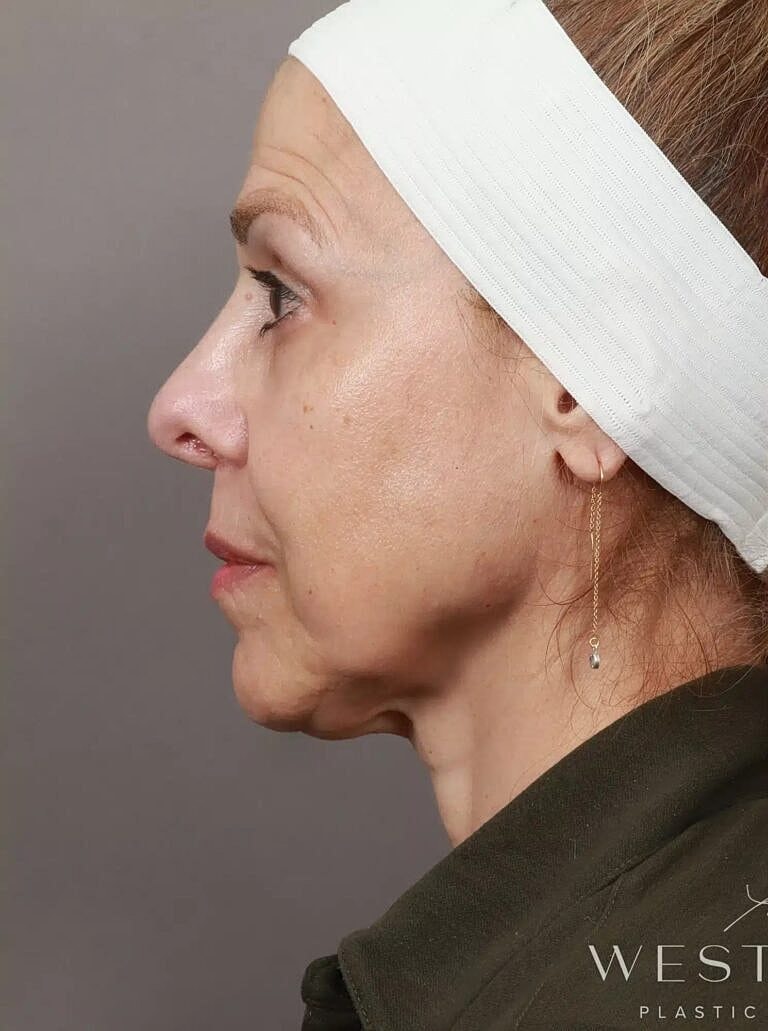
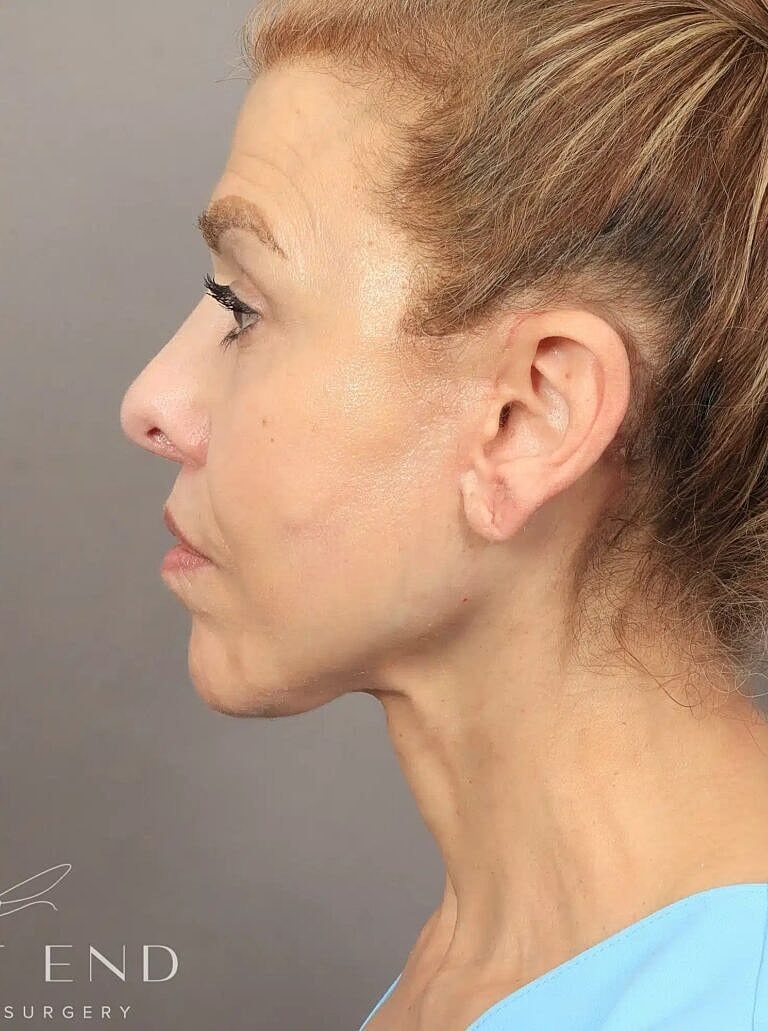
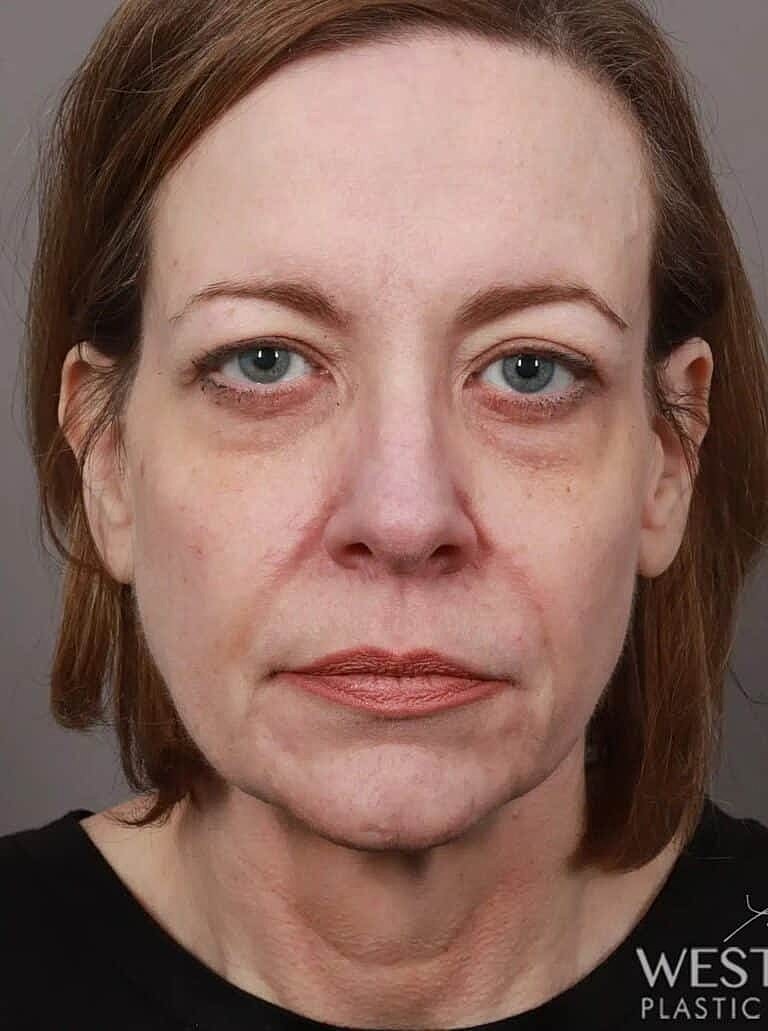
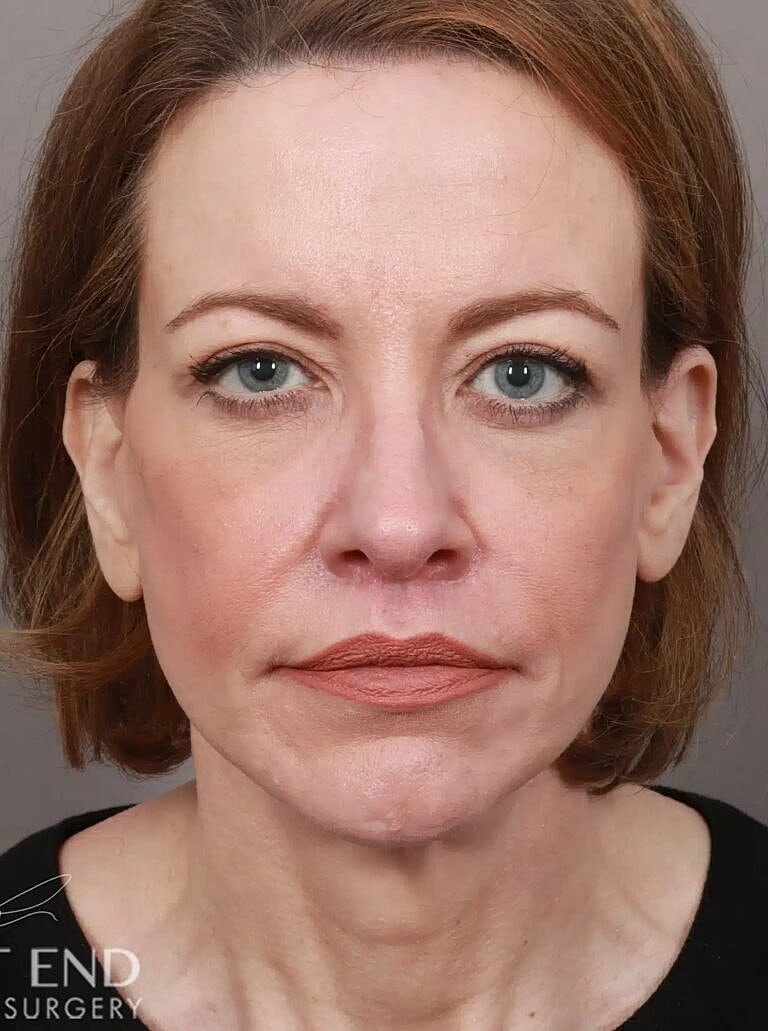
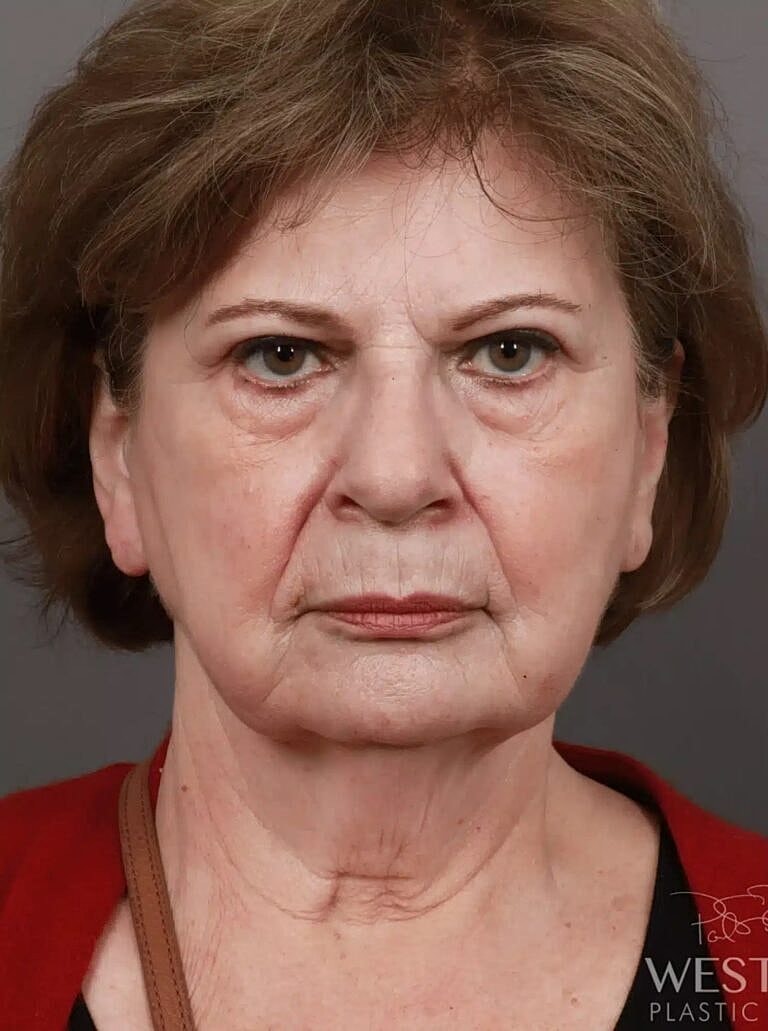
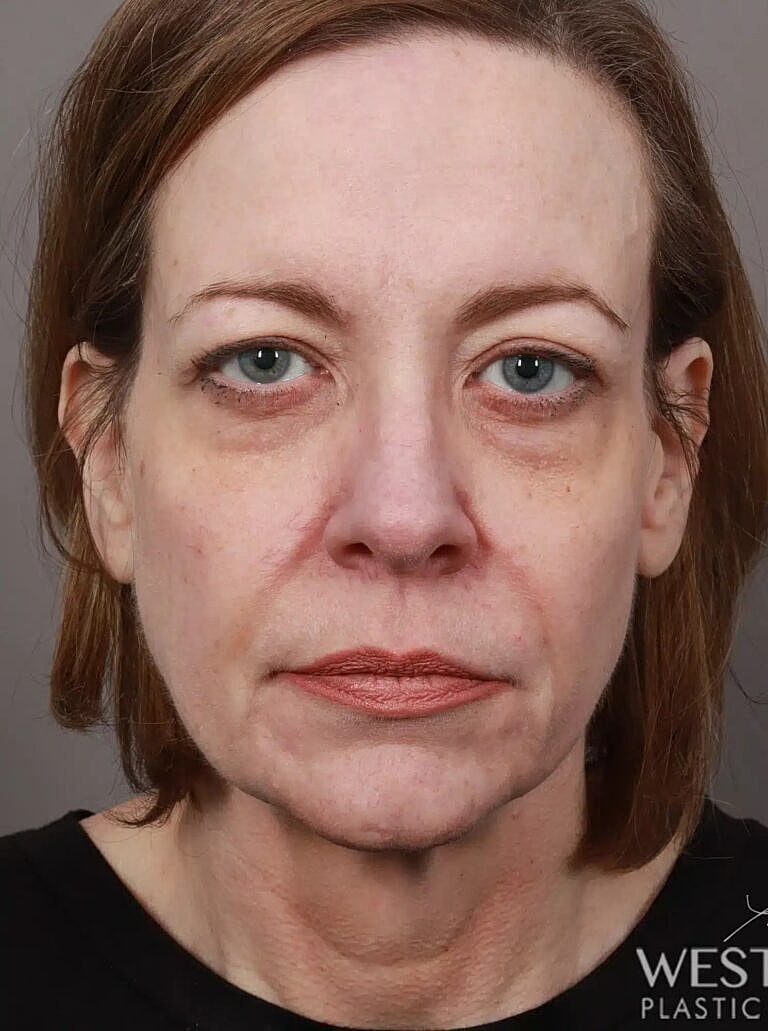
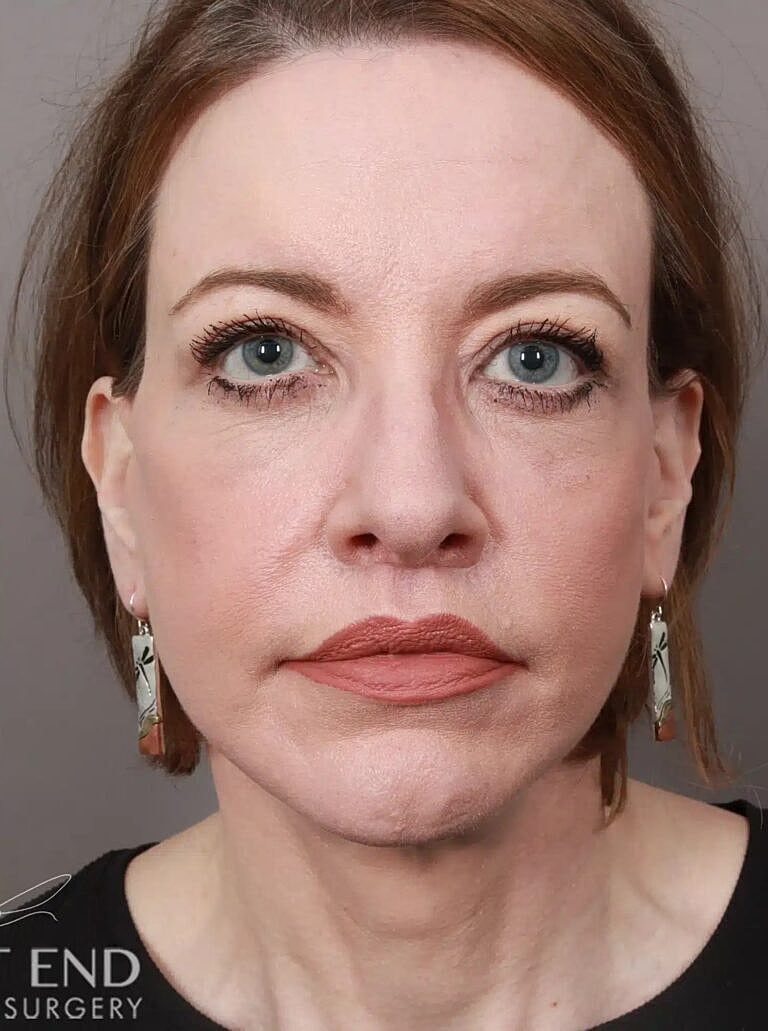
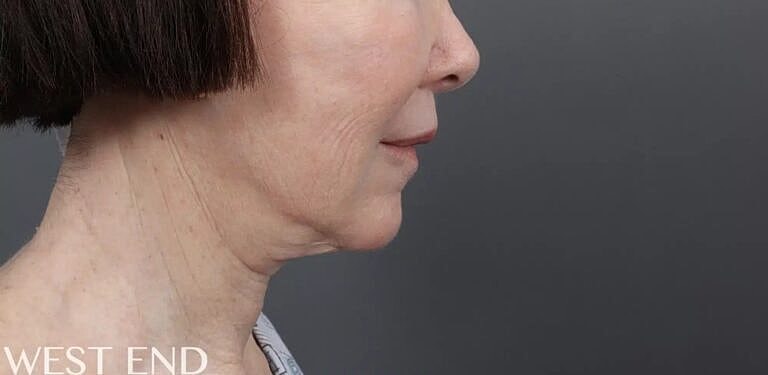
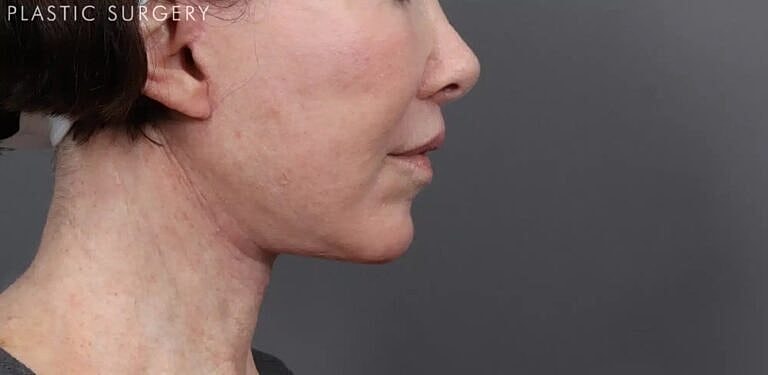
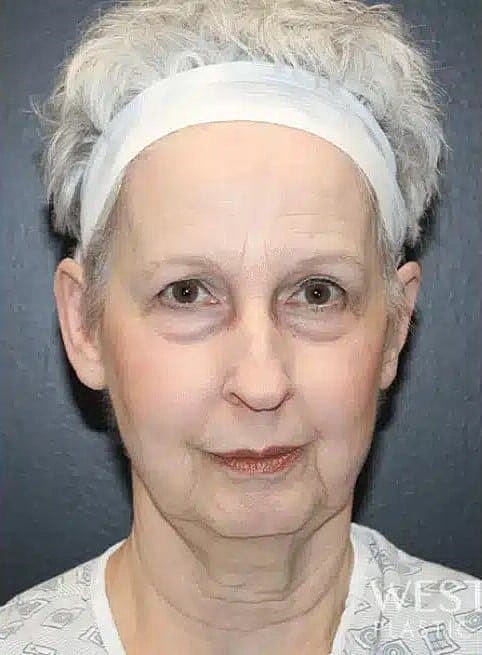
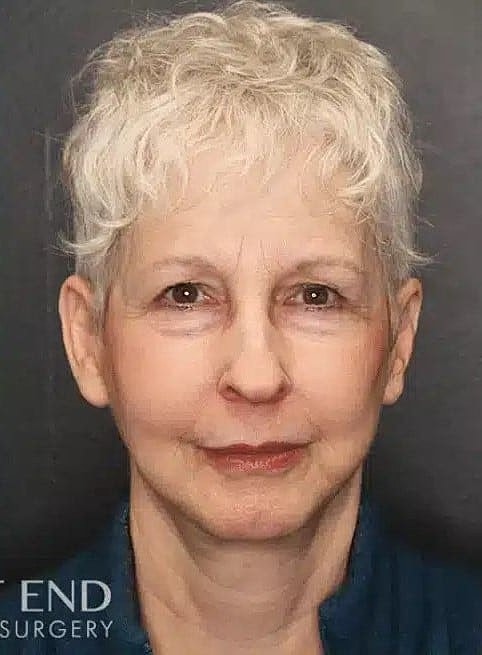
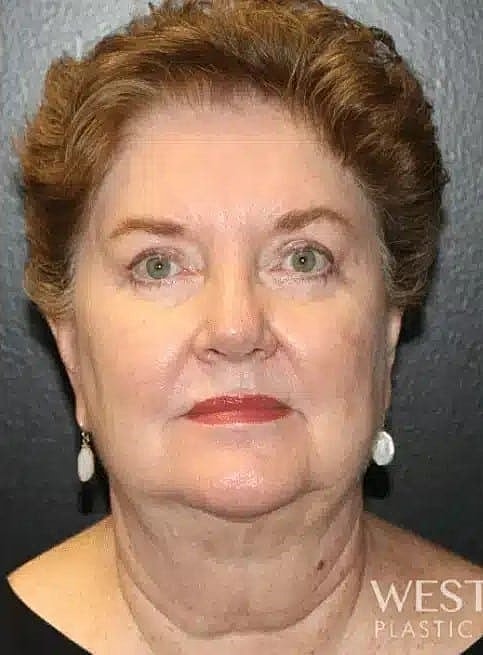
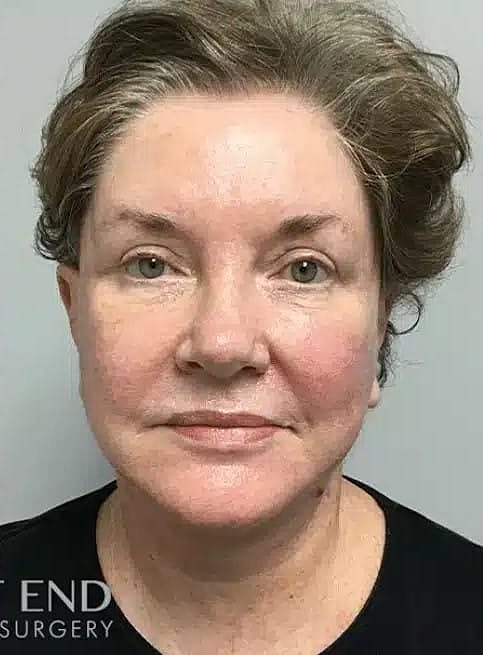
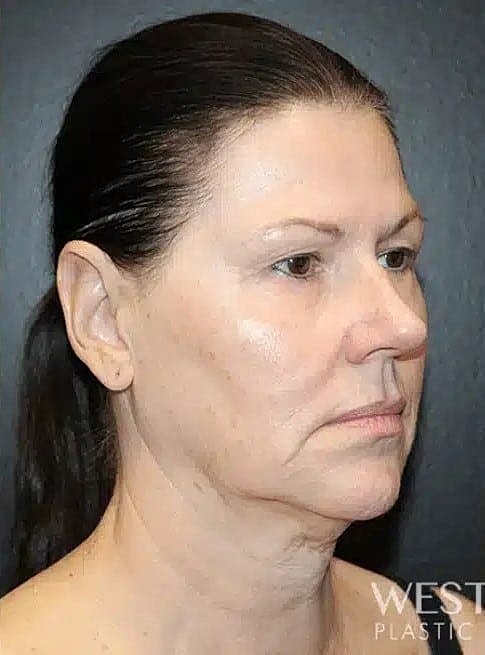
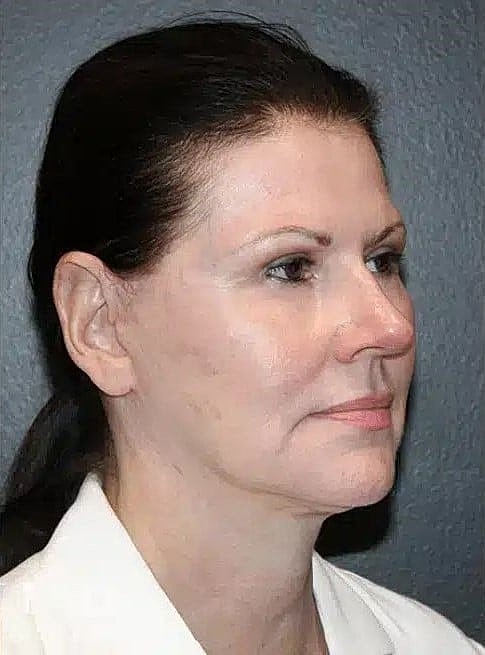
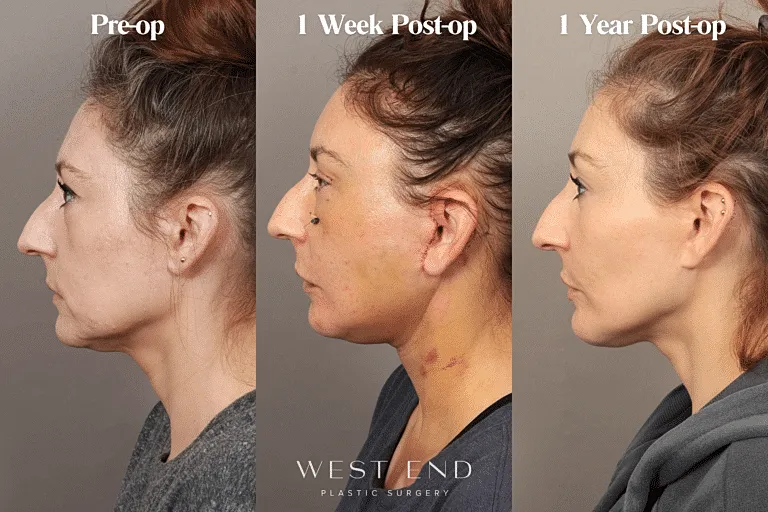
We’re as thrilled with our patients’ results as they are. Check out our before-and-after photo gallery and see for yourself the kind of work our talented surgeons do.
There are several reasons to consider a deep plane facelift.
This technique is routinely performed on patients as young as their fifties as well as patients into their seventies. Some of the advantages of the deep plane facelift include:
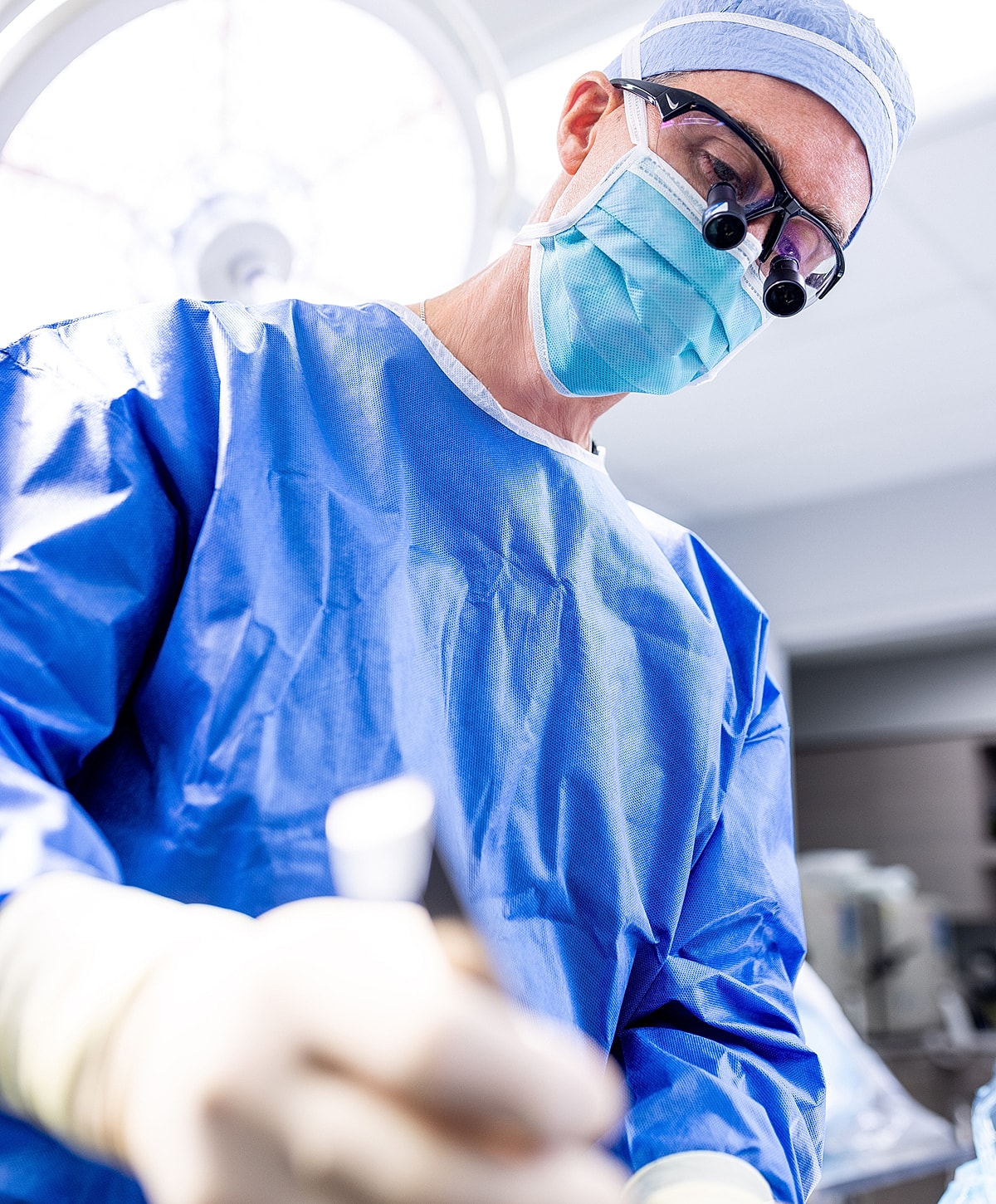
The best candidate for a facelift is a man or woman whose face and neck have begun to sag, but whose skin still has some elasticity and whose bone structure is strong and well defined. Most patients are in their 40s to 60s, but facelifts can be successful for people well into their 70s and 80s. If you are generally healthy, have realistic views about the results you can expect, and have any of the following conditions, you may be a good candidate for the procedure:
If you have only early signs of facial aging, you may be a candidate for a non-surgical approach. Dr. Ruff and Dr. Wang will discuss minimally invasive options such as ThermiSmooth™, ThermiTight™, or J-Plasma skin tightening if they suit your needs.
During your extensive consultation, your surgeon will evaluate your facial and neck structure, your skin elasticity, and your underlying muscle tone to determine whether a facelift is right for you and which technique suits you best. Dr. Ruff and Dr. Wang will thoroughly explain each technique along with its risks, benefits, and recovery times. You will be asked to describe in detail how you want your face and neck to look after your facelift. Working together, you and the doctor will decide which technique will give you the results you desire.
The cost of a Deep Plane Facelift starts at around $20,000 but is subject to the physician.
The price will vary depending on the extent of treatment necessary to deliver your desired results. During your consultation, our surgeons will assess your cosmetic goals and develop a treatment plan tailored to meet them. The starting price is provided for your convenience, and it is important to note that it does not encompass facility or anesthesia fees. The comprehensive cost, inclusive of all potential fees, will be confirmed during your visit.
We also offer financing options, including CareCredit® and PatientFi®, to help you with the cost of your cosmetic surgery.

A traditional facelift may require two to four weeks of recovery to overcome swelling, bruising, and discomfort.
The deep plane facelift may require you to take at least three weeks off work and social engagements. It's necessary to wear a compression garment around the chin and head for one to two weeks after this facelift. You may also have drains placed at the conclusion of your surgery to prevent fluid from building up in the surgical area. Drains can help prevent unwanted complications such as seroma and can also facilitate the reduction of swelling.
Depending on how well you progress after surgery, you may return to work as early as two to three weeks post-op. It's imperative that you take it slow when going back to work and that you strictly avoid strenuous activities for at least six weeks following a deep plane facelift. This should be taken into consideration when determining how much time you will need to take off from work.

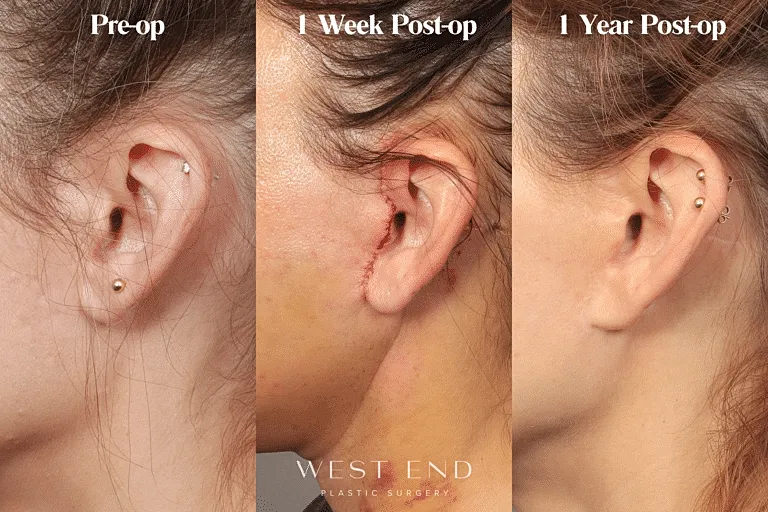
Initially, the incisions may seem very obvious, but eventually, they blend seamlessly into the skin and become undetectable.
This is a close-up of a patient who had a Facelift with Dr. Wang. Below are the stages of incision healing after a Facelift:
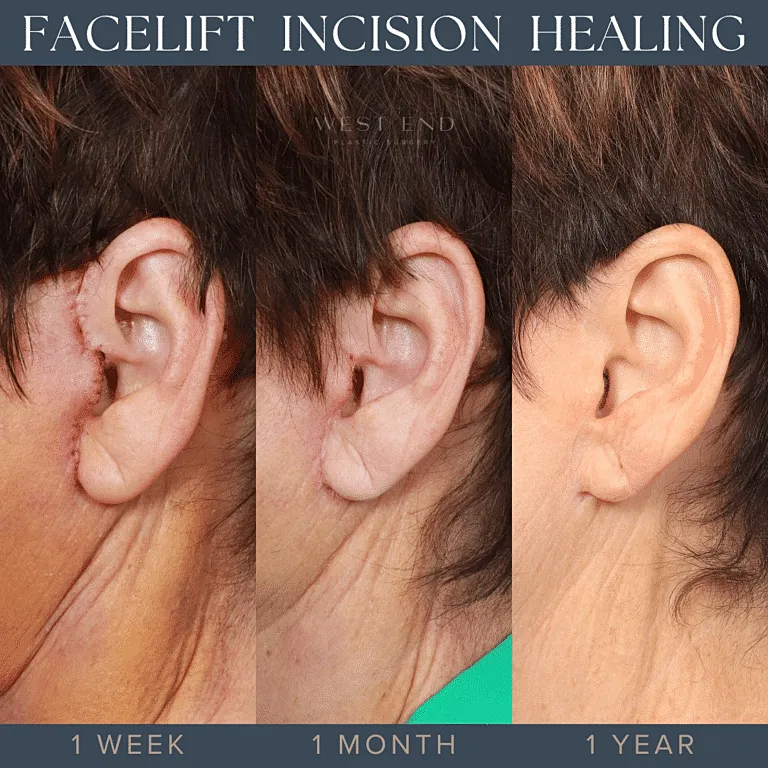
1. Immediate Postoperative Stage (0-2 weeks): During this stage, the scars will be red, swollen, and possibly raised. It’s normal for scars to look their worst during this early healing period.
2. Early Healing Stage (2 weeks to 2 months): As the swelling decreases, the scars will gradually begin to fade from red to pink. However, they may still be somewhat noticeable during this stage.
3. Intermediate Healing Stage (2-6 months): By this stage, the scars should continue to lighten in color and flatten. They may become less noticeable, blending in more with the surrounding skin.
4. Late Healing Stage (6 months to 1 year): Most of the improvement in scar appearance typically occurs within the first year after surgery. By this time, the scars should continue to fade and become less prominent.
5. Long-Term Healing (1 year and beyond): After the first year, the scars will likely continue to fade and may eventually become barely noticeable.
It’s important to note that individual results may vary, and some people may experience faster or slower scar fading than others. Additionally, factors such as genetics, skin type, sun exposure, and scar care practices can influence the healing process and final appearance of the scars
In nearly all cases, facelift surgery is performed on an outpatient basis and you go home shortly after the surgery.
You may be sleepy from the anesthesia and the surgical area may be sore, so you will need to have someone drive you home.. Once you go home you may want to have someone stay with you for the first few days. There will be some bruising, swelling and numbness. You will need to keep your head elevated for a few days after surgery to help reduce the swelling. Pain medication will be prescribed to provide maximum comfort.


You may experience some numbness and/or temporary discomfort around the incisions. Any pain or discomfort you experience can be controlled with prescribed medication. You will also experience some swelling and bruising. You will need to keep your head elevated for the first few days after surgery to reduce the swelling of your face and neck. Your discomfort level will improve rapidly after the first 2 days.
If you have any bandages, they will be removed at your first postoperative visit the day after surgery.
You can wash your hair 48 hours after surgery (or 24 hours after the drains are removed). However, if you dry your hair, keep the dryer on the lowest setting because your scalp may be numb and there is a risk that you might burn yourself.
You will be up and around in the first few days after your surgery, but you should take it easy for the first week after surgery. Your stitches and any surgical clips used will be removed within 2 weeks of the surgery, usually over several visits. You can begin using makeup 2 days after your stitches are removed. Most patients are back to work within 2 weeks of surgery.
You will notice that you will become increasingly more comfortable during the first few weeks after your surgery. You may also notice:
Everyone heals at different rates, and you are the best judge of when you are ready for certain activities, but the following are general guidelines:
The scars caused by the incision should be protected from sunlight for at least a year after surgery.


All surgical procedures have some degree of risk, however, major complications from facelift surgery are unusual. During your initial consultation at West End Plastic Surgery, your individual risks will be assessed and discussed. As with any surgery, you can help reduce the risks by closely following the pre- and post-surgery instructions provided to you. Your doctor and his staff will be with you every step of the way to ensure a safe and pleasing outcome.
Possible risks include the following:

A facelift removes excess skin and repositions fat and muscle to reduce jowls and smooth the jawline for a more youthful appearance. These results generally last between 5 to 15 years or longer in many cases, depending on the type and style of facelift performed. It is important to keep in mind that the effects of aging, gravity, and environmental factors will continue to affect the smoothness, sagging, and wrinkling of your face and neck. Meticulous skin care is critical to maximize the effectiveness and longevity of your surgical results.
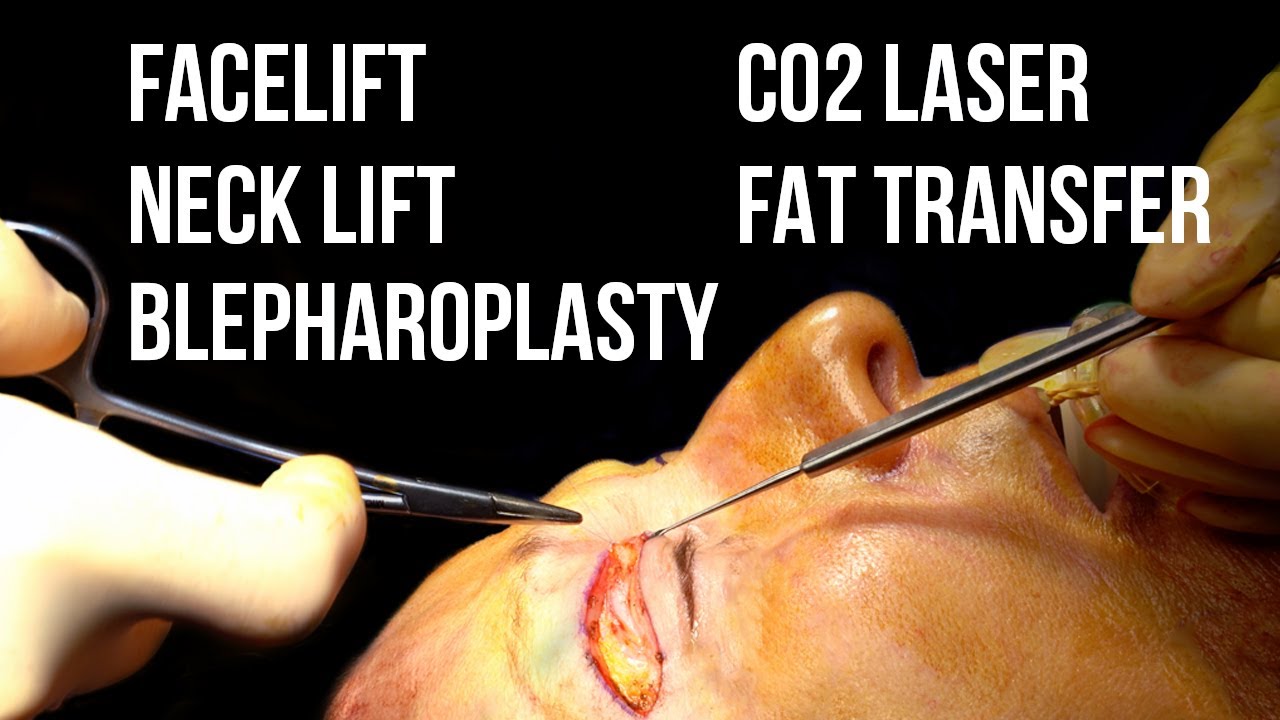
A facelift is often performed in conjunction with a neck lift, brow lift, lip lift, or eyelid surgery to enhance the overall youthful appearance. Skin resurfacing techniques such as laser or Renuvion (J-Plasma) can also be performed in conjunction with surgery to “polish” the final result. BOTOX® Cosmetic injections are a non-surgical alternative that may temporarily reduce the number of lines and wrinkles in your face and neck.
A facelift is considered cosmetic surgery and, therefore, is not covered by insurance. You are responsible for the full payment of the procedure. Cost and payment information will be fully discussed with you during your initial consultation.
BOTOX combined with injections of fillers, such as JUVÉDERM® can be used in some cases as a non-surgical alternative to a facelift.
These injections can reduce or eliminate lines and furrows by either filling them in or by blocking the nerve impulses to temporarily paralyze the muscles that cause wrinkles. Meticulous skin care may also help improve the tone, texture, and occasionally the contour of your facial skin. Laser resurfacing with the ResurFX™ or Clear + Brilliant® systems or chemical peels may also provide a less-invasive alternative to surgery.

Patients visit West End Plastic Surgery for facelift surgery in Washington, D.C. from Alexandria, Reston, surrounding communities, and internationally.
Request a consultation online to meet with Dr. Ruff or Dr. Wang, who will help determine whether you’re a good candidate for the procedure. Or call our office at (202) 785-4187 to schedule an appointment.